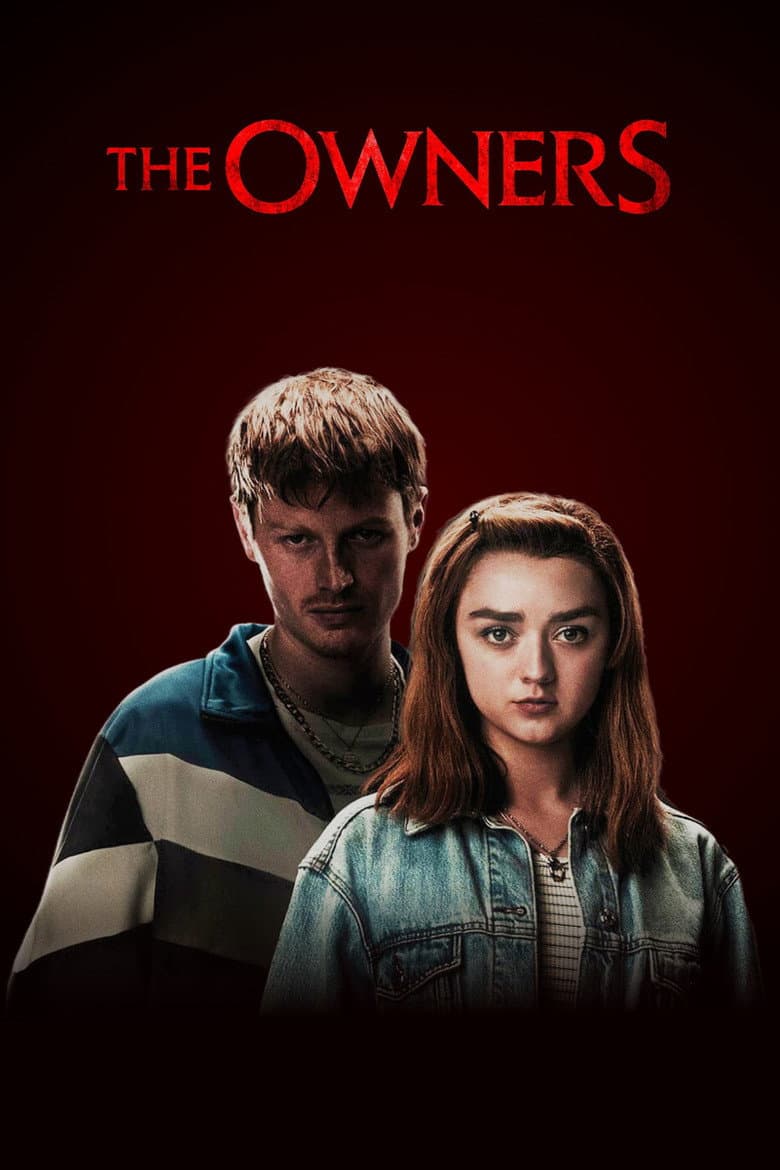
Mary is a pregnant young woman who is pulled into a burglary by her boyfriend Nathan and his friends. They break into a wealthy couple’s isolated home in rural England during the 1990s because they believe a safe holds easy money. The owners return, and the thieves learn that the quiet old couple is far more dangerous than they look. The film changes from a slow crime setup into a nasty, bloody fight for survival, with dark humor and strange twists.
Mary becomes the main fighter and shows courage while the men around her make reckless choices. Her pregnancy, her fight against male pressure, and her struggle with the cruel owners give the story a clear gender and family angle. The film treats those details as part of a grim horror plot instead of a broad lesson about identity or politics. The main themes are greed, poverty, bad choices, fear, and the way victims and attackers can change places.
Community feedback
Was our 34% Woke rating accurate?
Breakdown
These are the editorial factors and ratings behind our score for The Owners.
Woke representation / casting
Not present. The cast is mainly white British, and the group fits the film’s rural English setting. The film gives Mary a major role, but that ordinary female-lead choice does not create a clear representation message.
0%
Woke political dialogue
The thieves talk about the rich owners having more money than they will ever have. Gaz urges Nathan to take the money back, and Nathan says he has lived with nothing. These lines give the robbery a short rich-versus-poor tone. The film does not build these lines into repeated speeches about race, gender, DEI, or current political movements.
24%
Identity-driven story themes
The men around Mary use pressure, insults, and violence to control her and each other. Mary is pregnant, is dragged into the burglary, and becomes the main person fighting back. The older couple judges her as unfit and treats her as a replacement for their dead daughter. These gender and family power struggles recur through the horror plot, but the film does not turn them into a broad activist message.
27%
Western institutional / cultural critique
The film sets poor young thieves against a wealthy older couple who own a large home and a cash-filled safe. Gaz frames the robbery as taking wealth back from people who have more than the thieves will ever have. Julius Berg described the movie as partly anti-capitalist and said poor people have less chance to survive. The story keeps this critique inside a violent home-invasion plot and does not attack every Western institution.
35%
Woke character or canon changes
The source graphic novel centers on Karim, who wants to return to Morocco, and a group of five young burglars. The movie moves the group to 1990s rural England and uses three young men plus Mary. The film also makes Mary Nathan’s pregnant girlfriend and the central fighter. These identity and role changes are clear, but no public source ties them to a diversity or activist message.
20%
Anti-woke backlash and complaints
Not present. The supplied X pass found no anti-woke posts about the film. Wider reviews and audience comments focus on the ending, violence, pacing, and plot logic, not woke, DEI, or left-wing messaging.
0%
Creator track record context
Julius Berg and Mathieu Gompel have no clear activist or DEI record. Hermann and Yves Huppen have humanist, anti-war, and occasional environmental work, but their profiles are not representation-first. The producer, casting, and script-supervision profiles are mostly standard industry records with limited political evidence. This supports a low creator track record context score.
9%
Production
Movie · 2019
Karla, a young medical student, is trying to cure her brother, Blake, from a terminal sleep illness called Fatal Familial Insomnia, where you are unable to sleep until you die.
Movie · 2023
Jess, a newly separated mother and nurse, moves into her old family farmhouse with Tyler, her teenage daughter, and Owen, her eight-year-old son.
Movie · 2020
After a family moves into the Heelshire Mansion, their young son soon makes friends with a life-like doll called Brahms.
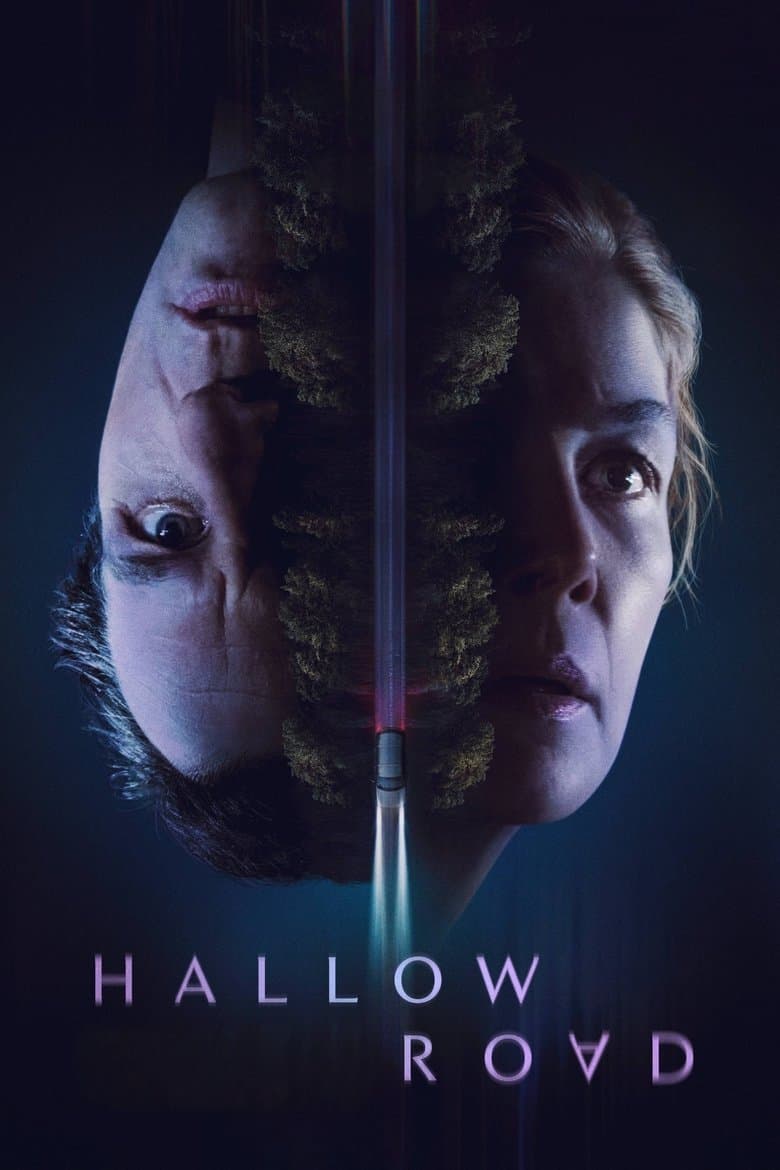
Movie · 2025
Two parents enter a race against time when they receive a distressing late-night phone call from their daughter after she caused a tragic car accident.
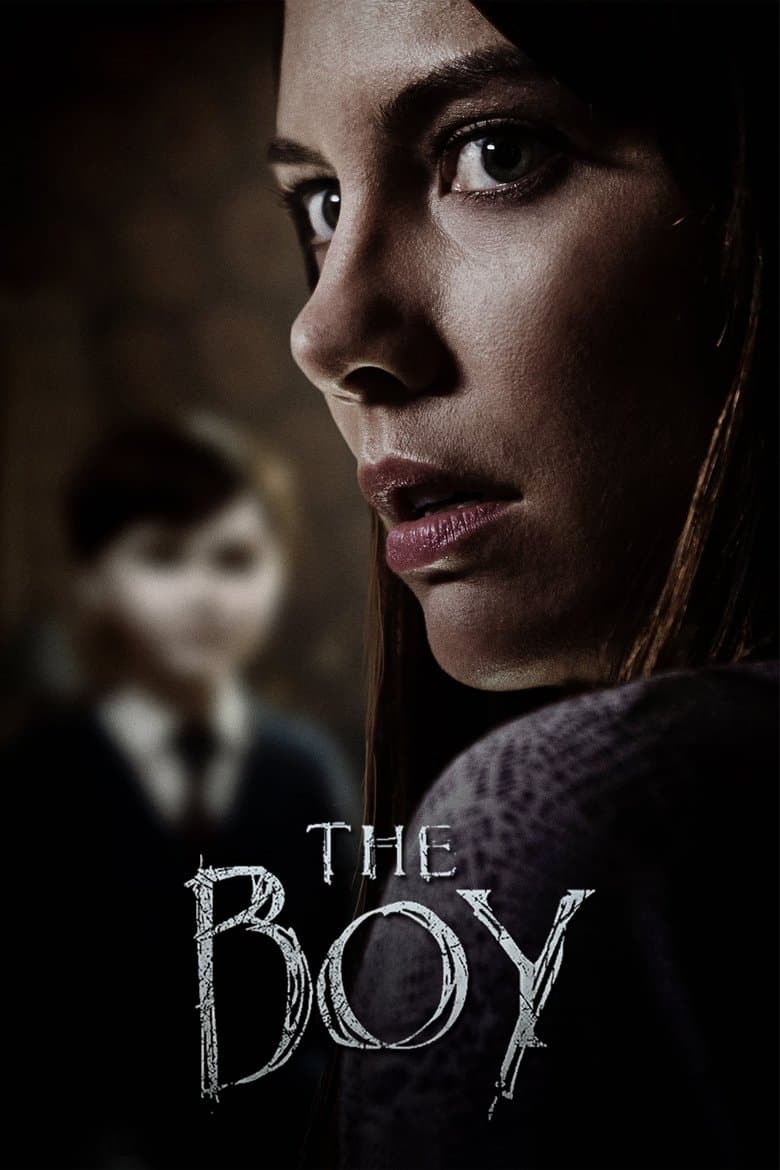
Movie · 2016
A young American woman takes a job as a nanny in a remote English village, soon discovering that the family's eight-year-old son is a life-sized doll that comes with a list of…
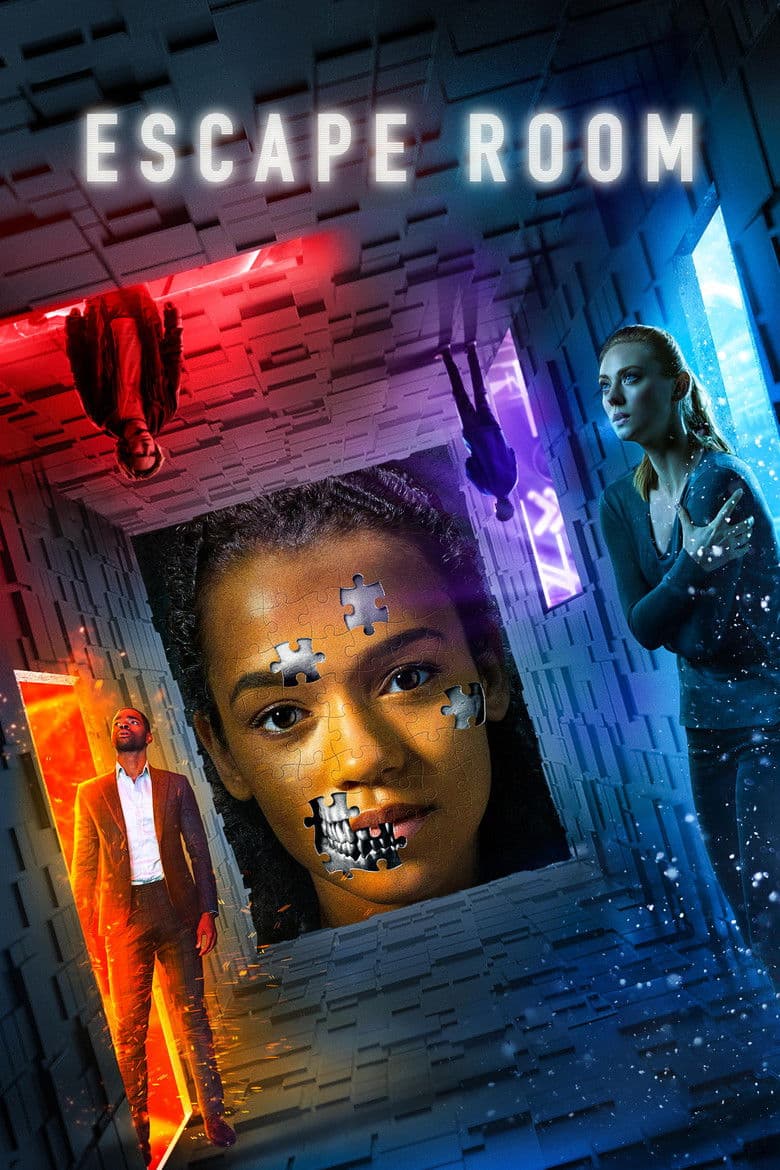
Movie · 2019
Six strangers find themselves in circumstances beyond their control, and must use their wits to survive.
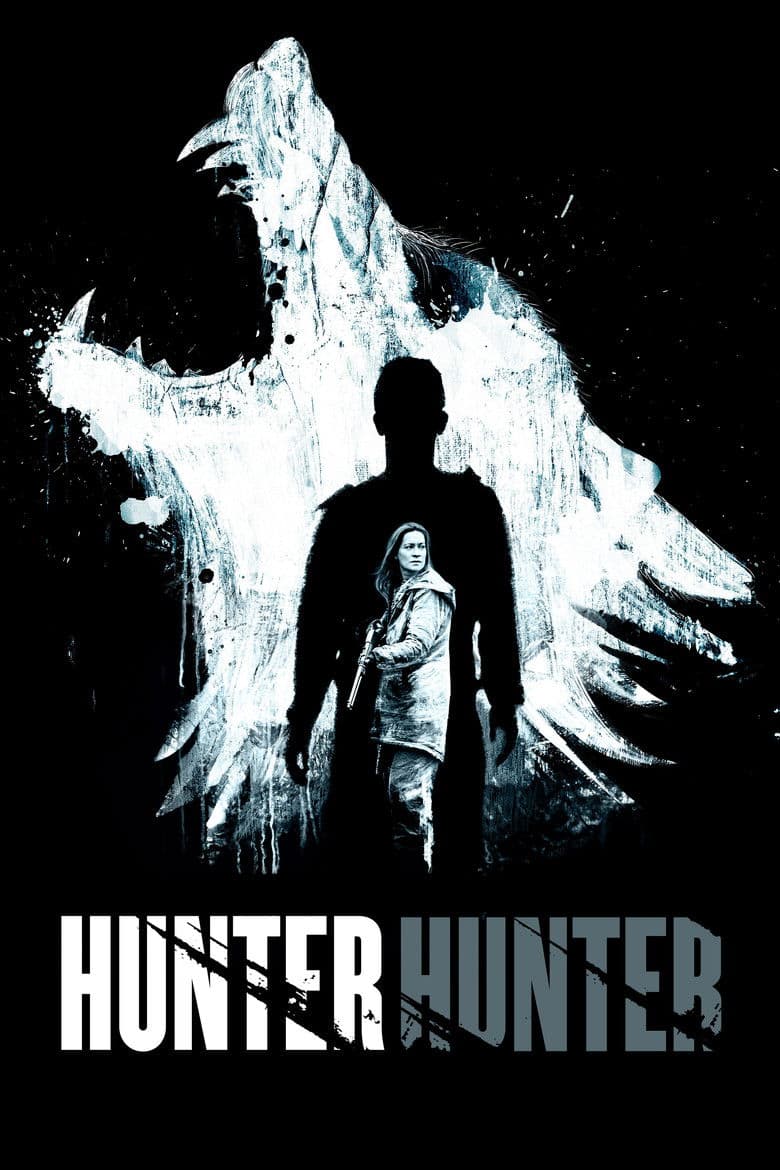
Movie · 2020
A fur trapper leaves his wife and daughter behind to kill a rogue wolf in the remote wilderness, but they soon become increasingly worried when their peaceful existence is…
Movie · 2019
A rebellious teenage boy, struggling with his parents' imminent divorce, encounters a terrifying evil after his next-door neighbor becomes possessed by an ancient witch that…
