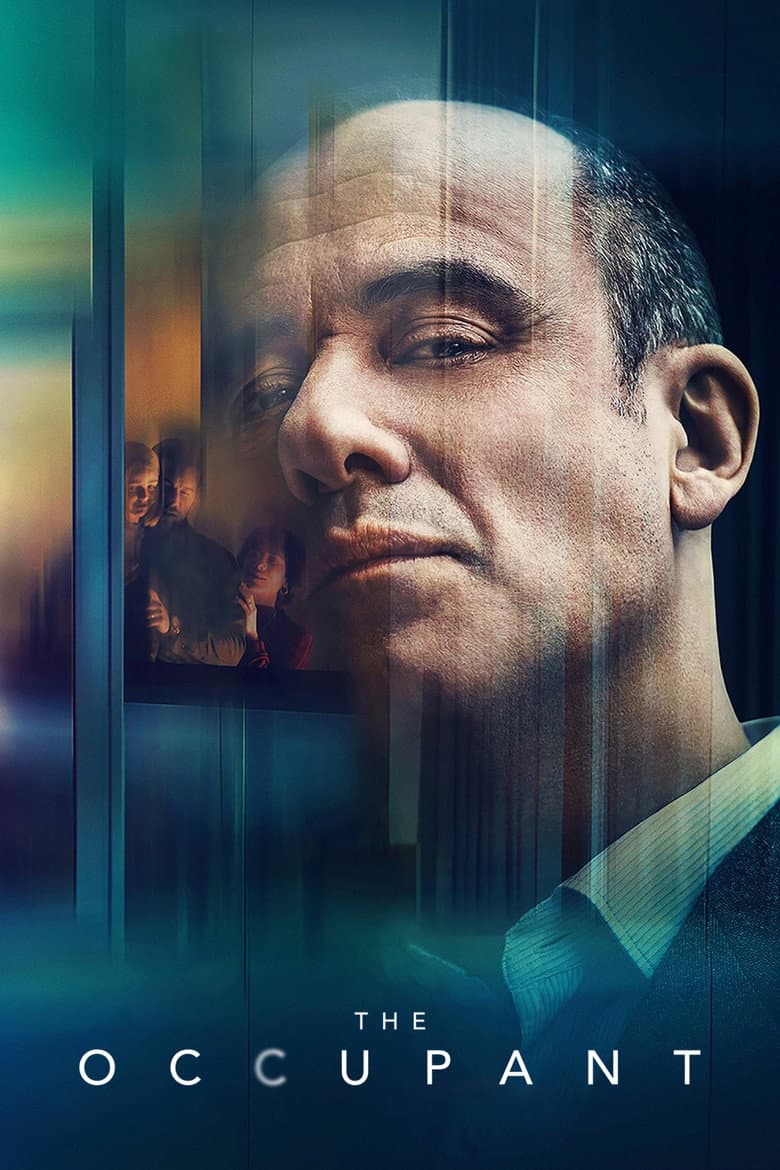
Javier Muñoz once had a well-paid advertising job, a luxury apartment in Barcelona, and a family life that made him feel important. After a year without work, he must leave the apartment and move with his wife Marga and son to a smaller home. Javier keeps the old keys and watches the young family that now lives there. He then lies, stalks, and harms people as he tries to steal back their home, marriage, job, and social place. The story is a dark and tense thriller about envy, pride, crime, and the fear of losing status.
The film gives clear space to job loss, age pressure, cheap young labor, consumer culture, and the way money can shape a family. It presents Javier’s hunger for success and control as ugly, not heroic. His male pride drives him to use his wife, another man’s wife, and a child as tools in his plan. The housing and work crisis deepens his fear, envy, and need to look successful. The film stays focused on one man’s moral collapse and the damage he causes.
Community feedback
Was our 22% Woke rating accurate?
Breakdown
These are the editorial factors and ratings behind our score for The Occupant.
Woke representation / casting
Not present. The main cast is a Spanish family and local people in present-day Barcelona. The film does not frame any casting choice as a diversity or identity statement.
0%
Woke political dialogue
Not present. The dialogue discusses work, money, and family problems. The film has no clear lines that promote modern identity politics, DEI, or activist gender ideas.
0%
Identity-driven story themes
Javier’s male pride and sense of entitlement drive him to control his wife, another man’s wife, and a child. The film shows that control as cruel and destructive. The story also ties his anger to job loss, envy, money, and fear of losing status. The gender point stays tied to this one man’s behavior and does not become a wider activist message.
18%
Western institutional / cultural critique
The film presents job loss, age pressure, cheap young labor, and the loss of housing as harsh parts of modern working life. The advertising world and status-driven culture reward image, money, and ruthless ambition. The directors connect the story to post-crisis Spain and class differences. The criticism recurs across Javier’s work and home life, but it does not become a full anti-capitalist or anti-Western message.
28%
Woke character or canon changes
Not relevant. The film is an original story with no established characters or real historical figures being changed.
0%
Anti-woke backlash and complaints
Not present. No sustained complaints accused the film of pushing woke, DEI, or identity-politics messaging. Public discussion centered on its thriller plot, social class themes, and quality.
0%
Creator track record context
The directors’ known work centers on unemployment, insecurity, and social collapse. No strong public record shows activist, DEI, or identity-politics advocacy. A producer’s earlier film involved young women facing forced conformity, but the stored context gives that limited weight.
13%
Production

Movie · 2017
A former rodeo star, now a motel manager, meets a young man who is responsible for the violence that suddenly has seized his small town.

Movie · 2024
During the 1972 Munich Olympics, an American sports broadcasting crew finds itself thrust into covering the hostage crisis involving Israeli athletes.
Movie · 2021
A cold and mysterious new security guard for a Los Angeles cash truck company surprises his co-workers when he unleashes precision skills during a heist.

Movie · 2019
A charismatic New York City jeweler always on the lookout for the next big score makes a series of high-stakes bets that could lead to the windfall of a lifetime.

Movie · 2017
In 1981, an enthusiastic young adventurer follows his dreams into the Bolivian Amazon jungle with two friends and a guide with a mysterious past.

Movie · 2019
In 1934, Frank Hamer and Manny Gault, two former Texas Rangers, are commissioned to put an end to the wave of vicious crimes perpetrated by Bonnie Parker and Clyde Barrow, a…

Movie · 2017
The story of the kidnapping of 16-year-old John Paul Getty III and the desperate attempt by his devoted mother to convince his billionaire grandfather Jean Paul Getty to pay the…
Movie · 2018
Two lifelong friends head up to an isolated Scottish Highlands village for a weekend hunting trip that descends into a never-ending nightmare as they attempt to cover up a…
