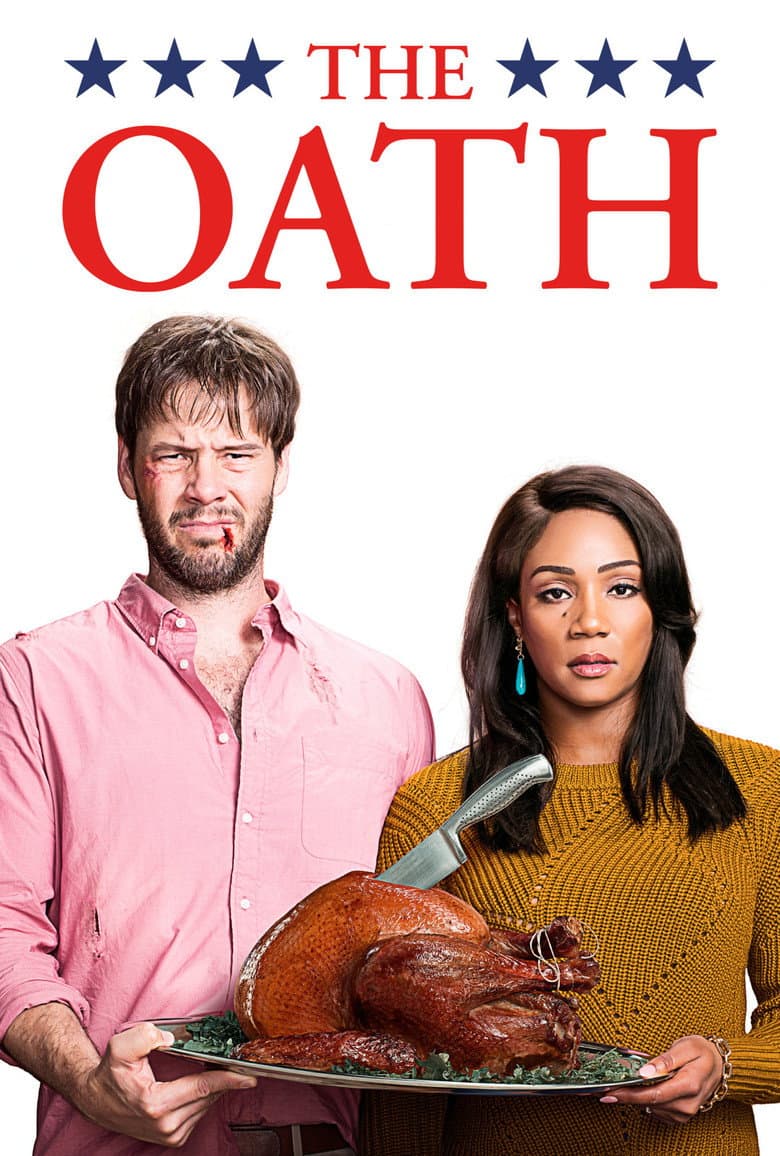
The Oath follows Chris, a fast-talking liberal news addict who lives with his wife, Kai, and their young daughter in near-future America. The president asks every citizen to sign a loyalty oath by Black Friday, and Chris refuses because he sees it as a threat to freedom. Thanksgiving brings his conservative parents, brother, and his brother’s girlfriend into the house. Their arguments turn a family meal into a violent fight with armed government agents. The film mixes rude comedy, family stress, and sudden bloodshed.
Politics drives almost every part of the story. Chris calls oath supporters foolish and treats the president as a growing threat, while his relatives defend safety, patriotism, or the right to choose. The film shows arrests, protests, a possible police state, and a far-right government agent. It also mocks Chris for acting like a heroic activist while neglecting his wife and child. Kai becomes the practical voice, and the ending pushes the family to choose survival and family ties over endless political fighting.
Community feedback
Was our 68% Woke rating accurate?
Breakdown
These are the editorial factors and ratings behind our score for The Oath.
Woke representation / casting
The film centers an interracial marriage between Chris, a white man, and Kai, a black woman. It also gives Peter, an Asian man, a visible job as the calmer government agent. These are audience-visible identity choices in important roles. The story does not make race the main issue, and the modern American setting makes the casting fit the world.
16%
Woke political dialogue
The characters discuss the oath, protests, arrests, patriotism, and the president throughout the movie. Chris calls the policy dangerous and calls people who sign it stupid, while relatives defend safety and duty. The arguments use labels such as Gestapo-like, police state, and un-American. Political talk drives the dinner scenes and leads directly to the violent final act.
68%
Identity-driven story themes
The story makes political identity the main test of family loyalty. Chris acts as a liberal resister who treats the oath as a moral line, while his relatives accept it for safety or pride. The film shows protests, arrests, activist disappearances, and fear of a growing police state. It also mocks Chris for turning politics into an obsession, and the ending favors family unity over nonstop political fighting.
58%
Western institutional / cultural critique
The film presents a conservative president as a leader who rewards loyalty and punishes dissent. The Citizen’s Protection Unit acts like a violent federal police force that targets people who resist. A far-right agent becomes the main physical threat, and news reports connect the crisis to protests and state violence. The film also attacks Chris’s liberal anger, so its critique is strong but not one-sided.
55%
Woke character or canon changes
Not relevant. The film uses original characters in a fictional near-future America. It does not change a known character, source story, or historical figure.
0%
Anti-woke backlash and complaints
A right-leaning review called Chris a smug progressive and said the film’s political side was stacked against conservatives. The review also objected to the movie’s anti-Trump setup and its flat Republican characters. A small audience reaction called it a Hollywood strawman fantasy and complained about the loud political anger. X research found no anti-woke reaction, so the recorded backlash is limited.
27%
Creator track record context
Ike Barinholtz has a stored score of 39/100 and made political satire that attacks Trump-era conservative behavior. He said this film came from post-election anger and current political conflict. Tiffany Haddish has a stored score of 33/100 and has backed social causes, but her film comments focused on family, media, and being present. The other stored crew scores are mostly low and show little activist focus.
25%
Production
Movie · 2026
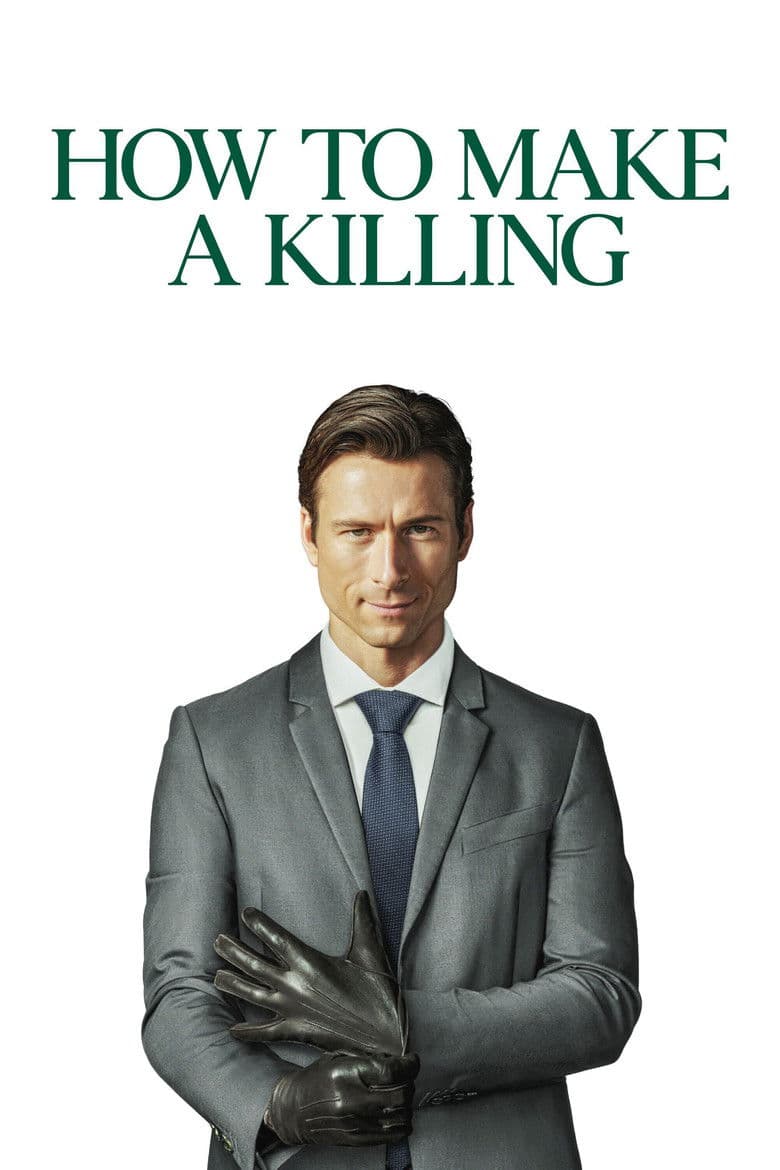
Disowned at birth by his obscenely wealthy family, blue-collar Becket Redfellow will stop at nothing to reclaim his inheritance, no matter how many relatives stand in his way.
Movie · 2024
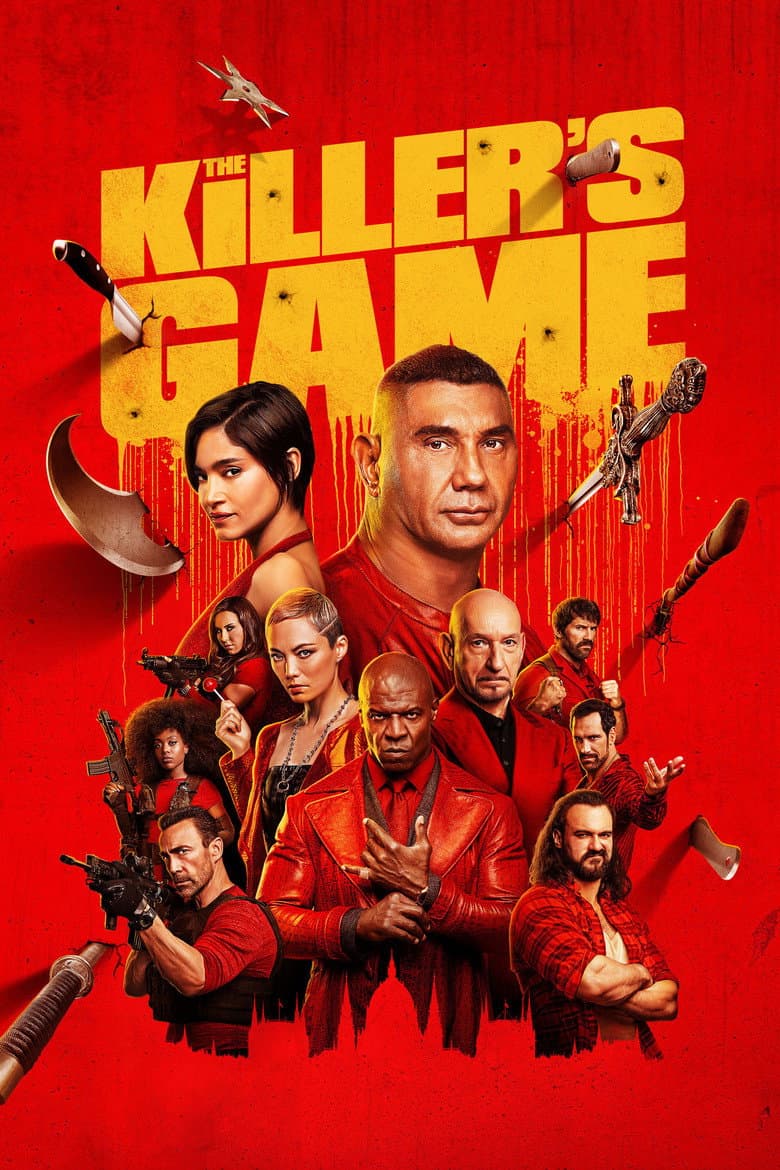
When top hitman Joe Flood is diagnosed with a terminal illness, he decides to take matters into his own hands – by taking a hit out on himself.
Movie · 2016
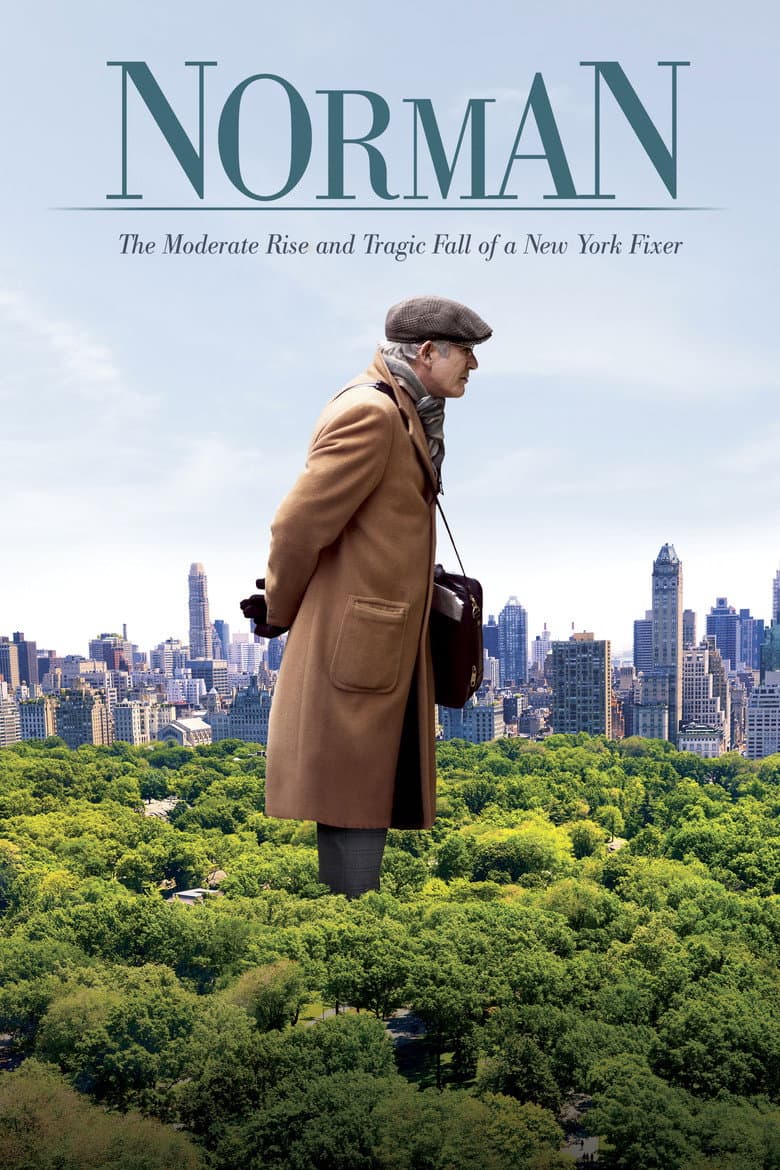
A financial schemer finds himself in the middle of an international scandal after he becomes a political adviser to the new Prime Minister of Israel.
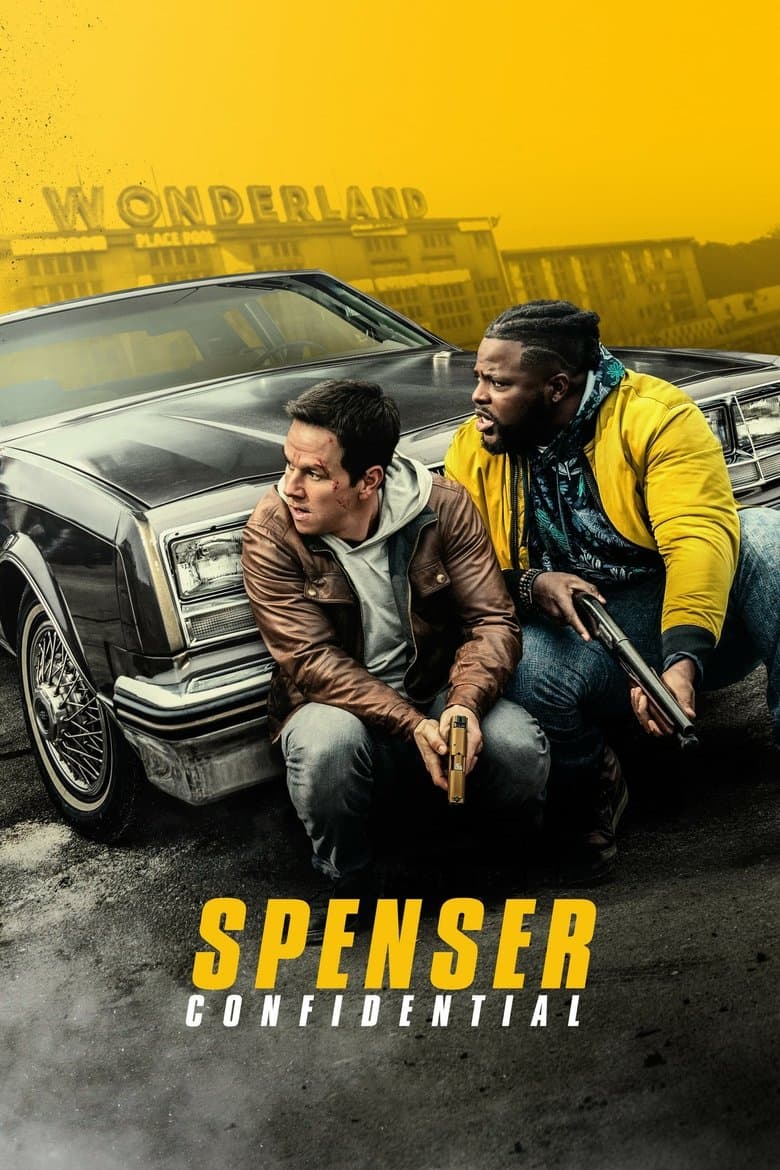
Movie · 2020
Spenser, a former Boston patrolman who just got out from prison, teams up with Hawk, an aspiring fighter, to unravel the truth behind the death of two police officers.
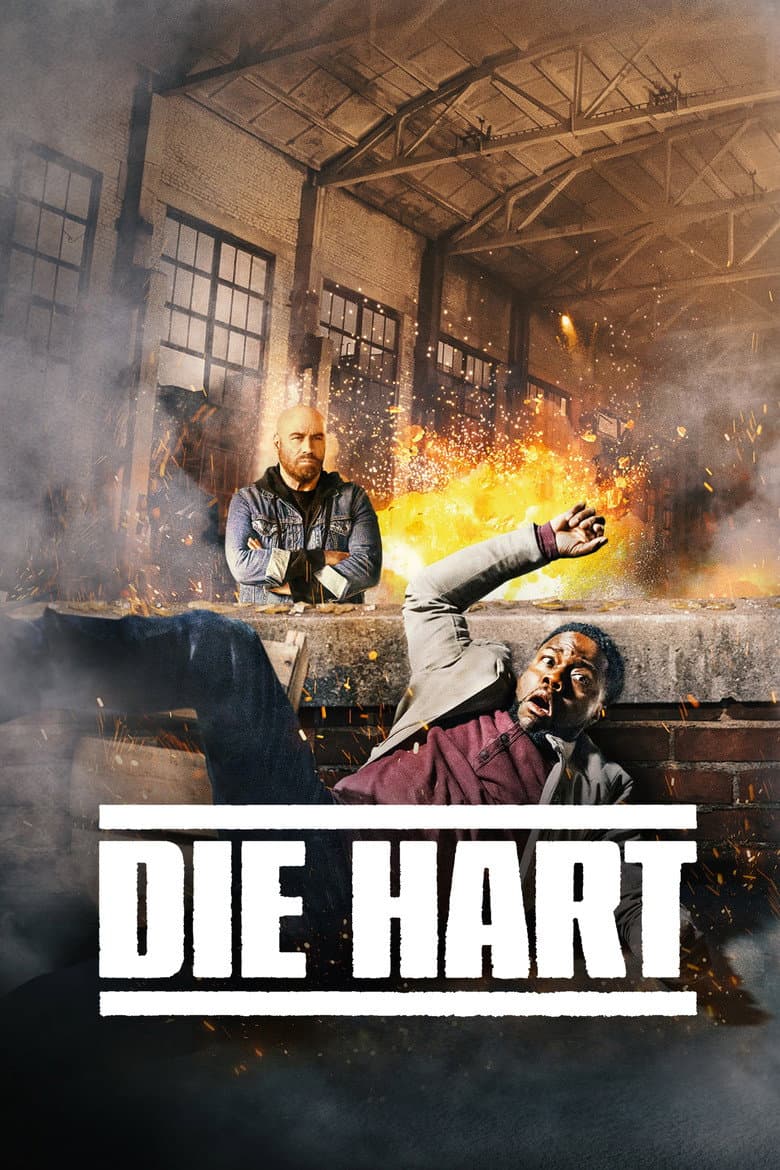
Movie · 2023
Kevin Hart - playing a version of himself - is on a death-defying quest to become an action star. And with a little help from John Travolta, Nathalie Emmanuel, and Josh Hartnett -…
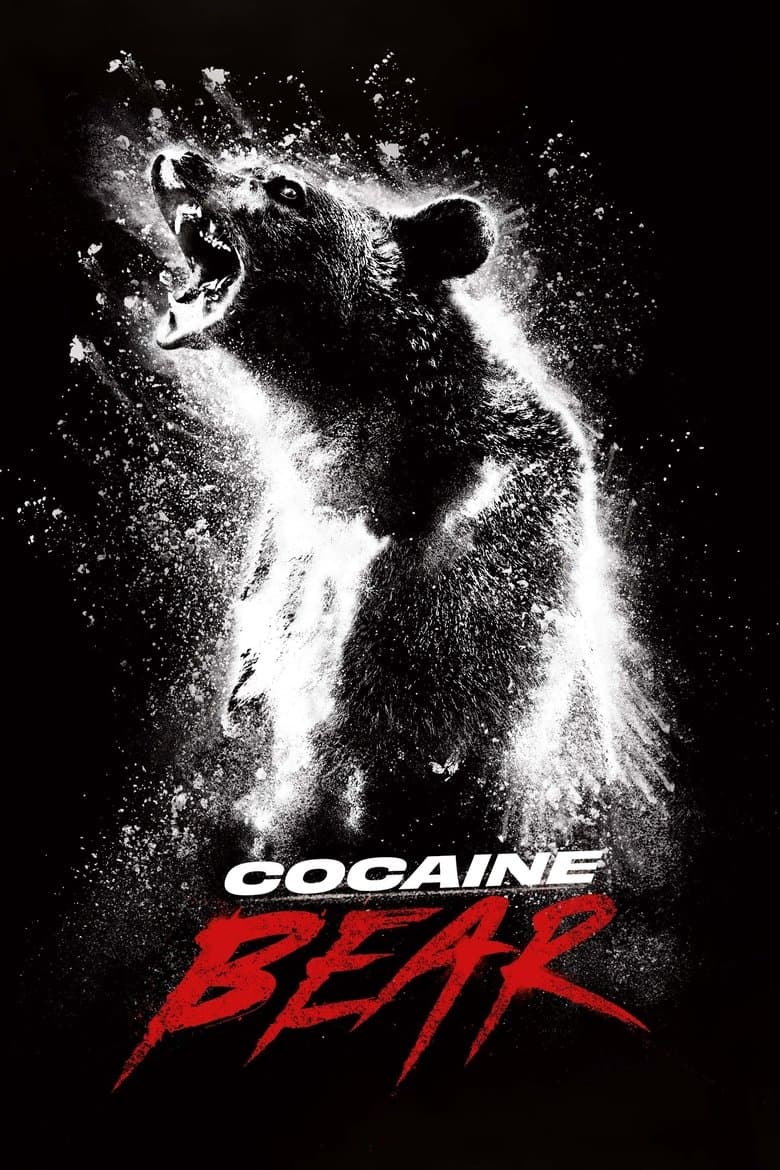
Movie · 2023
Inspired by a true story, an oddball group of cops, criminals, tourists and teens converge in a Georgia forest where a 500-pound black bear goes on a murderous rampage after…
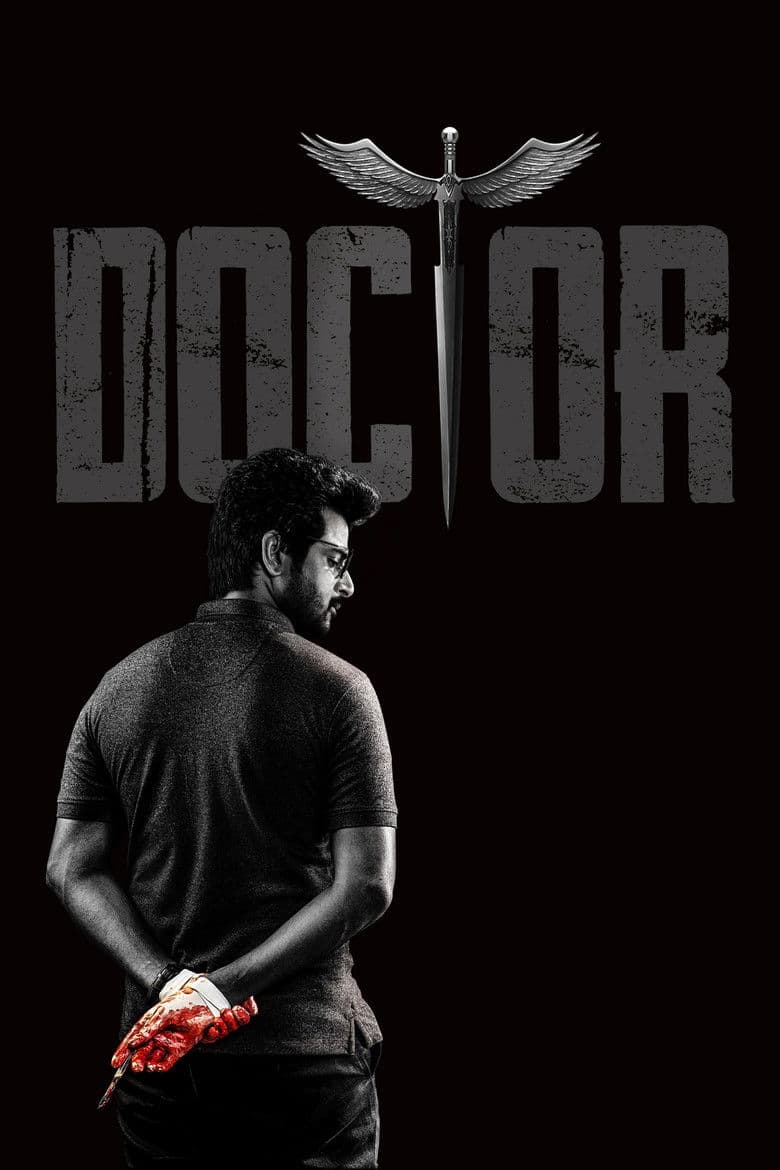
Movie · 2021
An army doctor helps his love interest's family to find their kidnapped daughter.
Movie · 2025
After escaping from a mental hospital, a violent sociopath named Paul begins a dangerous rampage targeting Sofia, a world-famous pop star.
