
The Mother follows an unnamed former U.S. soldier who worked as a sniper and later became an arms dealer. After she learns that her two former partners are involved in child trafficking, she helps the FBI and gives up her newborn daughter to keep the child safe. Twelve years later, she leaves her hidden cabin in Alaska when the girl, Zoe, is kidnapped. The chase moves through Ohio, Cuba, and the snowy wilderness, and the tone mixes harsh gun fights with a serious mother and daughter drama.
The film makes a woman's skill, toughness, and protective power the center of nearly every major scene. The Mother defeats armed men, survives attacks, and teaches Zoe to use guns and knives so the girl can defend herself. The story presents motherhood as a fierce force and treats the woman's violence as acceptable when it protects her child. The message is mainly about family and survival, but the repeated picture of a woman as the best fighter and the men as threats gives the film a clear empowerment edge rather than a simple neutral action setup.
Community feedback
Was our 44% Woke rating accurate?
Breakdown
These are the editorial factors and ratings behind our score for The Mother.
Woke representation / casting
The film makes an unnamed woman the main sniper, assassin, and protector. The Mother defeats or outsmarts most of the men who attack her, while the men around her are mainly villains or helpers. Director Niki Caro and Netflix framed the project as a female-led answer to male action heroes such as Bond and Bourne. The casting is not built around a race-based identity message, so the score comes mainly from the repeated gender-centered hero setup.
35%
Woke political dialogue
Not present. The characters do not debate elections, parties, race, or current activism. Their talks focus on weapons, criminal deals, survival, and the mother-daughter relationship.
0%
Identity-driven story themes
The story makes motherhood a fierce protective force and gives that force to its female lead. The Mother carries the emotional and action burden of the movie. She kills male attackers, outsmarts male criminals, and trains her daughter to use guns and knives. The theme is family survival rather than a broad identity campaign, but the repeated female-power message is central enough to be clearly visible.
42%
Western institutional / cultural critique
Not present. The FBI and military shape the plot, but the story does not turn them into a modern activist attack on Western institutions. The villains’ abuse is ordinary action-thriller conflict, not a wider lesson about patriarchy, religion, or conservative family values.
0%
Woke character or canon changes
Not relevant. The film is an original story with newly created characters and events. It does not rewrite a known character or real historical figure.
0%
Anti-woke backlash and complaints
A few small X accounts called the film a generic feminist Netflix entry and said it checked today’s woke boxes. One complaint targeted a formula about girls beating men. The reported accounts had little or no reach. No large right-leaning account, boycott push, or review-bomb campaign was found.
12%
Creator track record context
Niki Caro has a repeated record of strong female leads and feminist themes. Misha Green’s work often centers Black protagonists, slavery history, and racial justice. Andrea Berloff has supported greater opportunities for women in Hollywood. Jennifer Lopez has spoken about feminism and diverse representation. Peter Craig and most producers have little known activist or identity-focused history, so the creator context is mixed.
58%
Production
Movie · 2025
Former assassin Hutch Mansell takes his family on a nostalgic vacation to a small-town theme park, only to be pulled back into violence when they clash with a corrupt operator, a…
Movie · 2020
A hardened gun-for-hire's latest mission becomes a soul-searching race to survive when he's sent into Bangladesh to rescue a drug lord's kidnapped son.
Movie · 2024
When a Delta Force special ops mission goes terribly wrong, Air Force drone pilot Reaper has 48 hours to remedy what has devolved into a wild rescue operation.

Movie · 2026
A grieving woman pushing her limits on a solo adventure in the Australian wild is ensnared in a twisted game with a cunning killer who thinks she's prey.
Movie · 2017
A getaway driver for a bank robbery realizes he has been double crossed and races to find out who betrayed him.

Movie · 2025
A broker of lucrative payoffs between corrupt corporations and the individuals who threaten them breaks his own rules when a new client seeks his protection to stay alive.
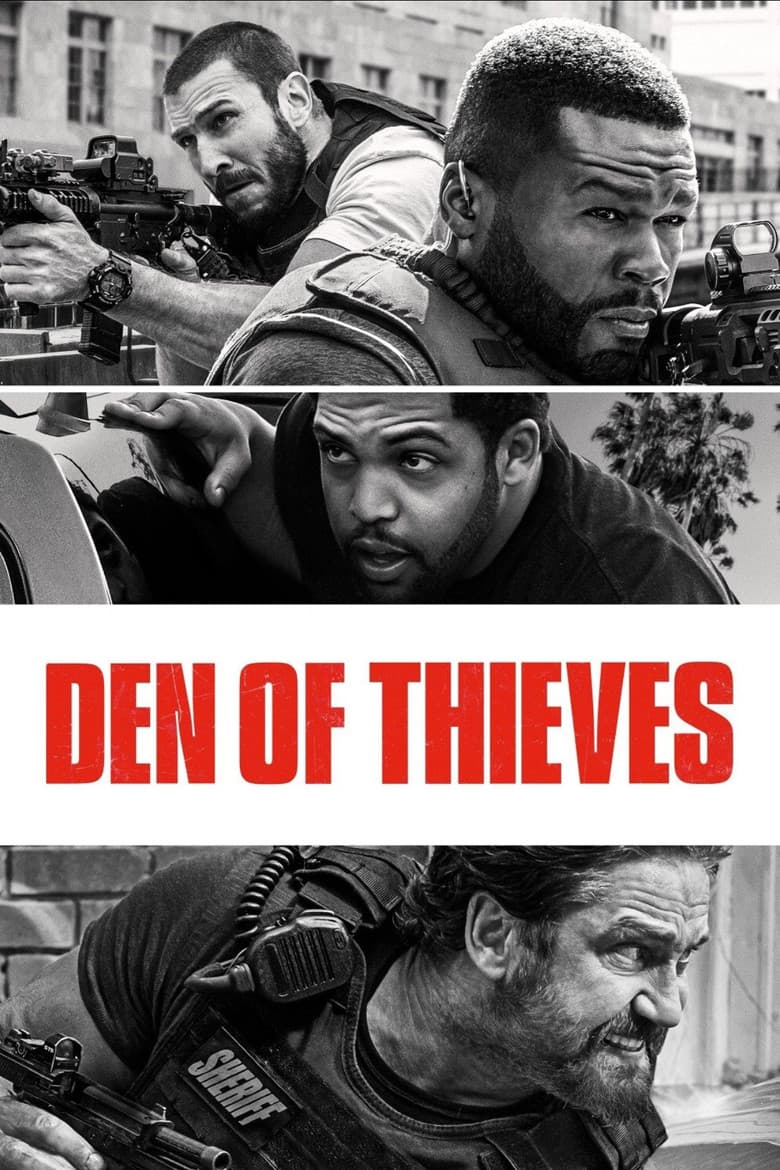
Movie · 2018
A gritty crime saga which follows the lives of an elite unit of the LA County Sheriff's Dept. and the state's most successful bank robbery crew as the outlaws plan a seemingly…
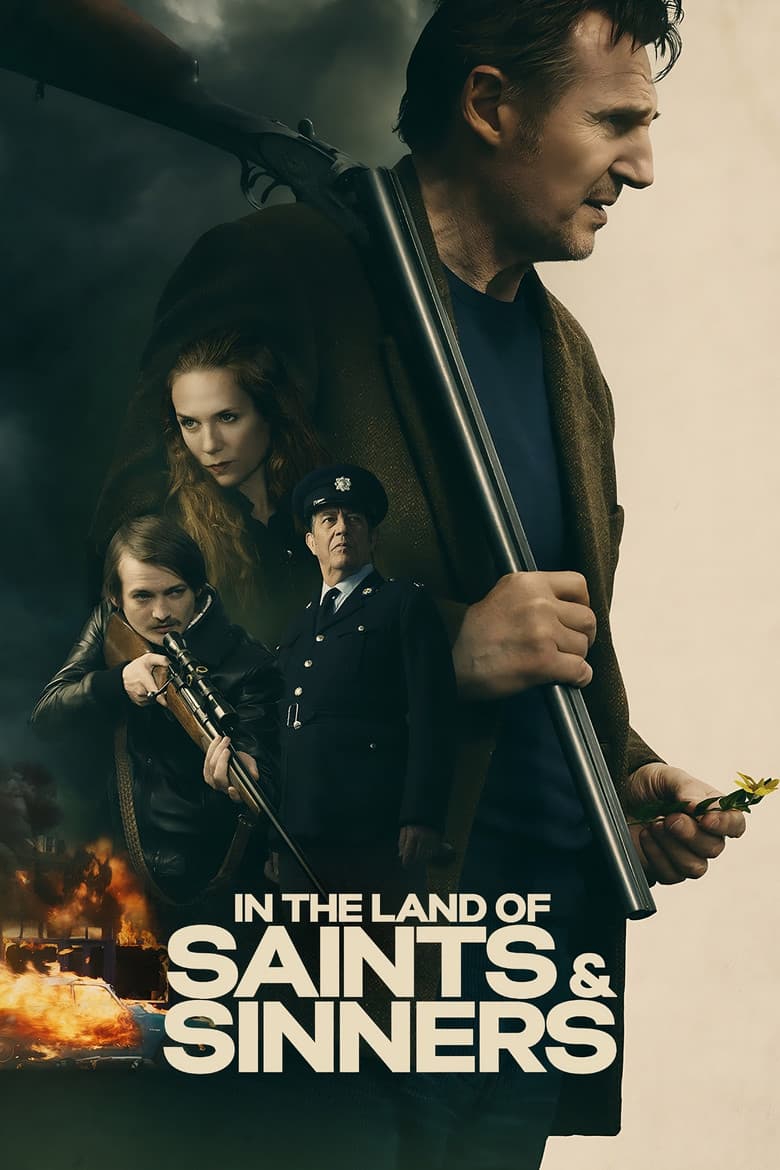
Movie · 2023
In a remote Irish village, a damaged Finbar is forced to fight for redemption after a lifetime of sins, but what price is he willing to pay?
