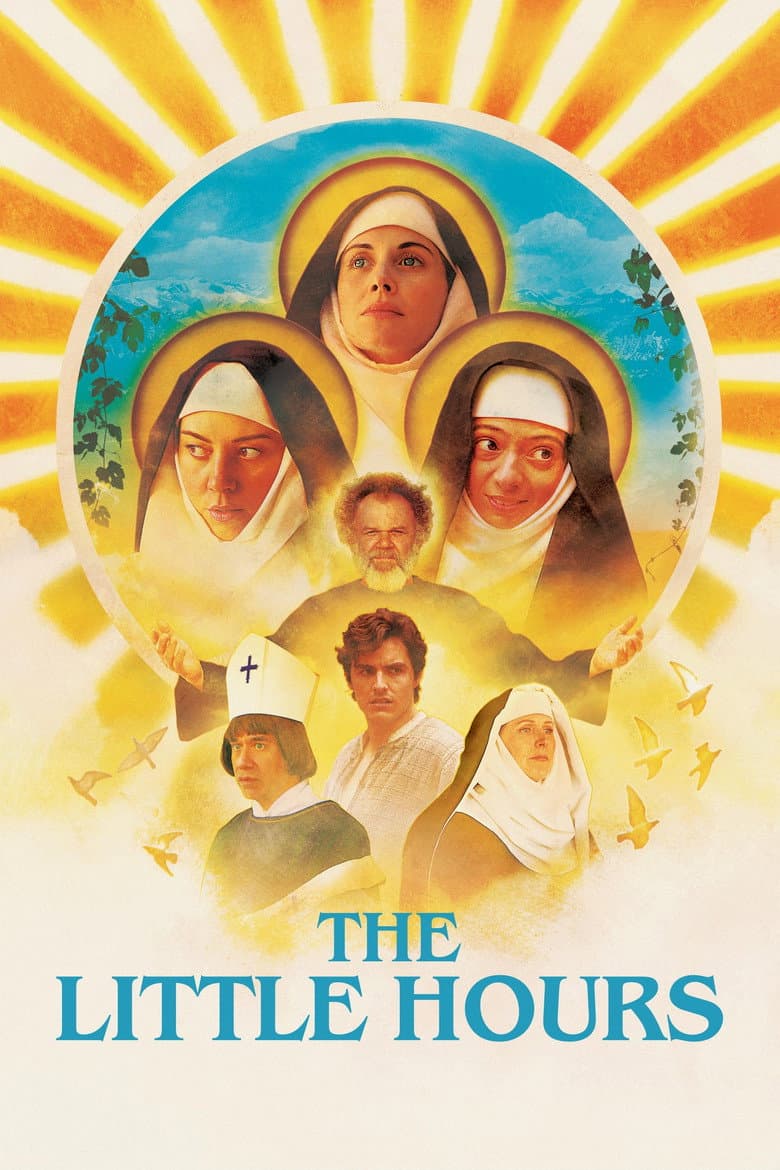
The Little Hours is a wild comedy set in a Tuscan convent in 1347. Massetto, a young servant fleeing a cruel lord, hides there by pretending to be deaf and unable to speak. Three young nuns soon focus their anger, boredom, and sexual hunger on him. The story uses modern speech, rude jokes, drinking, sex, witchcraft, and silly physical danger to make medieval life feel wild and absurd.
The movie gives the nuns most of the sexual power in the story, and it treats their break from religious rules against sex as funny and often freeing. The women were made to live as nuns by their families, so the convent is shown as a place that traps them. Ginevra says that she likes sex with women and also reveals that she is Jewish, but that identity thread is brief. The movie mocks church rules and weak church leaders, while its main message stays focused on sexual desire, personal freedom, and comic chaos.
Community feedback
Was our 57% Woke rating accurate?
Breakdown
These are the editorial factors and ratings behind our score for The Little Hours.
Woke representation / casting
Not present. The main cast is a mostly white group in a 1347 Tuscan convent, and the female-heavy cast follows the setting and story. The film does not present casting as a diversity or identity campaign.
0%
Woke political dialogue
Not present. The characters talk about sex, religion, money, and personal frustration. The film has no direct modern political or activist speeches.
0%
Identity-driven story themes
The story centers on women who were placed in a convent by family pressure. The nuns treat sexual desire as a path to personal freedom instead of simply obeying religious rules. The women control the pursuit of Massetto, and the film treats that power as funny and freeing. Ginevra says she likes sex with women, but that same-sex identity is a short part of a larger story about female sexual freedom.
66%
Western institutional / cultural critique
The convent is shown as a place where families send women who have little control over their lives. The nuns break rules and mock religious obedience and church authority. The priest and bishop are shown as sexually guilty, foolish, or unable to control the people under them. The story turns a traditional Christian institution into a comic target, but it does not give a long modern speech about patriarchy or politics.
54%
Woke character or canon changes
The movie is a loose version of a Boccaccio story about a man and nuns in a convent. The film adds named nuns and gives Ginevra a brief revelation that she likes women and is Jewish. That identity addition is clear on screen, but it is not the main engine of the adaptation.
18%
Anti-woke backlash and complaints
Not present. No clear anti-woke backlash was found. Catholic groups objected to the movie as an insult to nuns, priests, and Catholic faith, but the complaints did not focus on woke, DEI, or identity politics.
0%
Creator track record context
Jeff Baena has a cached woke score of 0/100 and no known activist record. Aubrey Plaza has a cached score of 35/100 for mainstream Democratic politics and some LGBTQ openness, not a full-time DEI role. Two executive producers have cached scores of 55/100 and 60/100 because of work on a transgender sports documentary, but the wider creator group is mixed.
30%
Production
Movie · 2018
Adam Sandler takes his comical musical musings back out on the road, from comedy clubs to concert halls to one very unsuspecting subway station.
Movie · 2023
From his onstage tackle to the slap heard round the world, Dave Chappelle lets loose in this freewheeling and unfiltered stand-up comedy special.
Movie · 2016
A comedy that follows a group of friends as they navigate their way through the freedoms and responsibilities of unsupervised adulthood.

Movie · 2024
Mismatched cousins David and Benji reunite for a tour through Poland to honor their beloved grandmother. The adventure takes a turn when the pair's old tensions resurface against…
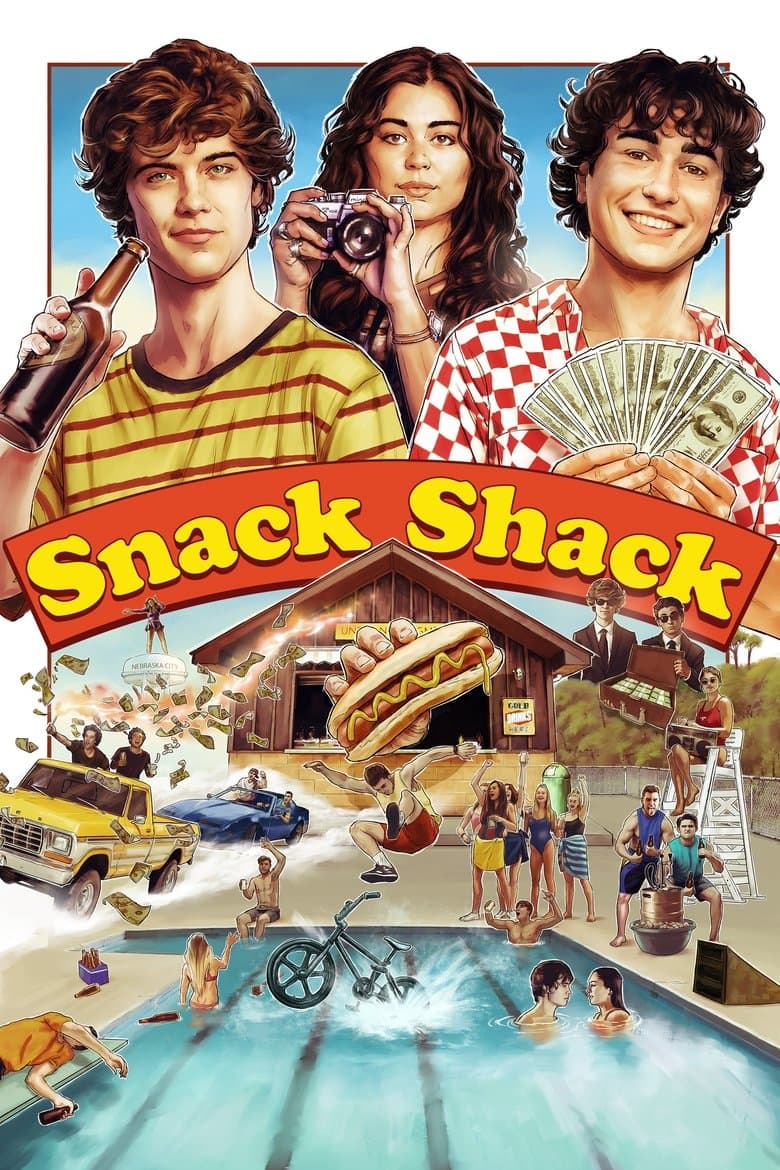
Movie · 2024
Inseparable best friends AJ and Moose decide to run the local pool's snack shack after their plan to sell home-brewed beer goes down the drain.
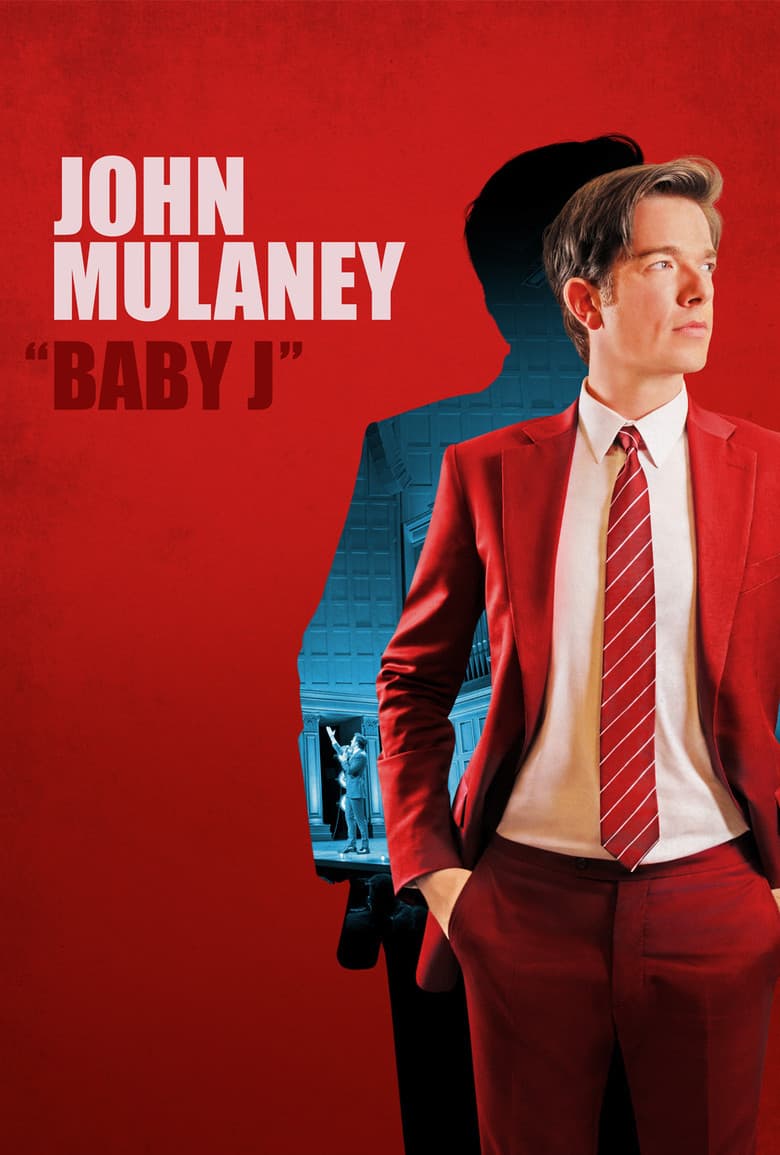
Movie · 2023
A chaotic intervention. An action-packed stay in rehab. After a weird couple of years, John Mulaney comes out swinging in his return to the stage.
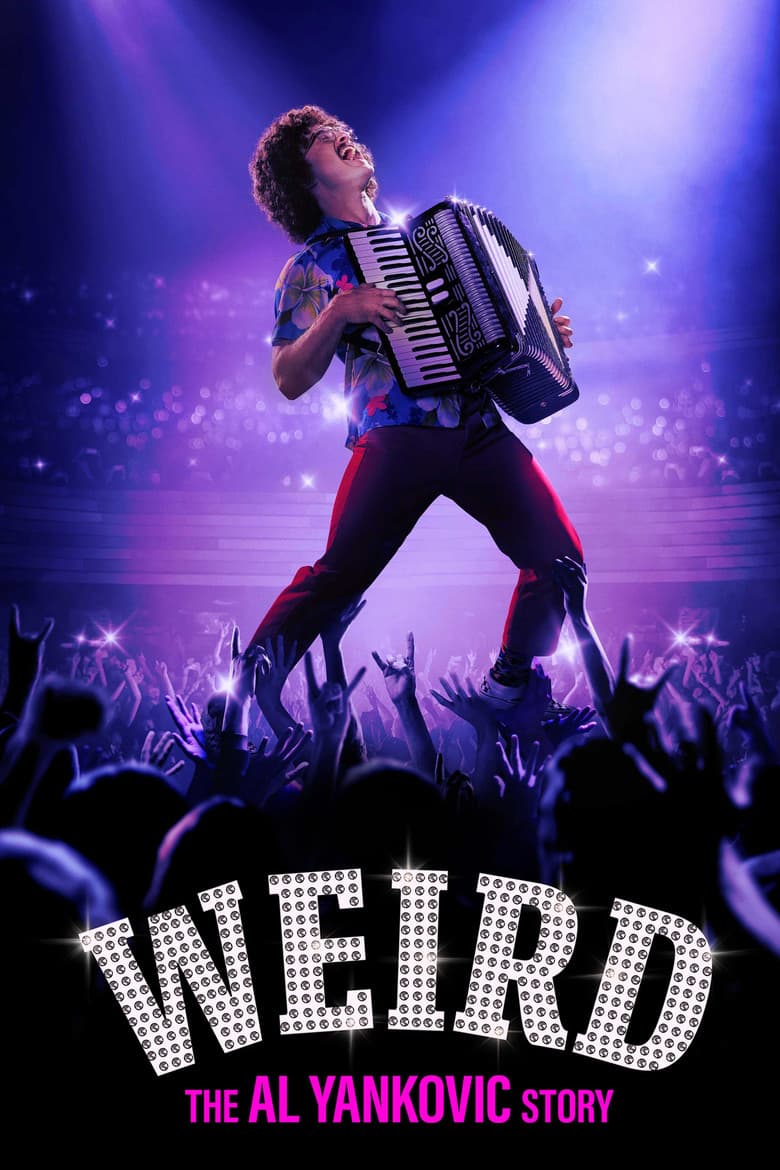
Movie · 2022
Exploring every facet of ‘Weird Al’ Yankovic’s life, from his meteoric rise to fame with early hits like ‘Eat It’ and ‘Like a Surgeon’ to his torrid celebrity love affairs and…

Movie · 2023
Single mom Flora is at a loss about what to do with her rebellious teenage son, Max. Her efforts to keep him out of trouble lead to a beat-up acoustic guitar, a washed-up LA…
