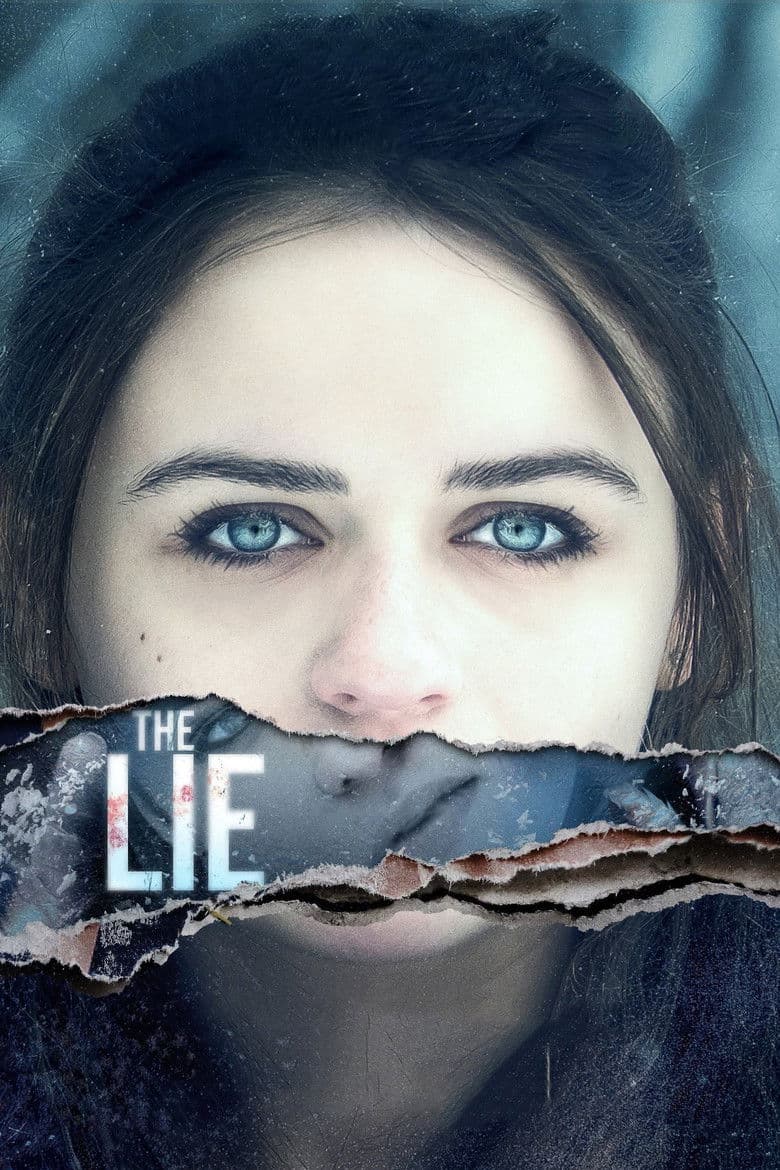
The Lie follows Kayla, a fifteen-year-old girl who rides with her divorced father, Jay, to a winter ballet camp. Kayla says that she pushed her friend Britney from a bridge, and Jay and Kayla’s mother, Rebecca, decide to hide the crime. The parents lie to the police, accuse Britney’s father, and leave him badly hurt after a car attack. The snowy suburban setting gives the movie a cold and tense mood, while the late twist turns the family’s fear into a cruel prank.
The movie gives a clear identity focus to Sam, who is identified as Pakistani and is quickly treated as a possible child abuser. The police question his background, and Kayla’s parents use a false abuse story because they expect the system to believe it. The story links the family’s cover-up to race bias and the unfair treatment of a brown father. That message matters during a large middle section, but the main story remains about parents protecting a guilty child, divorce, guilt, and family loyalty.
Community feedback
Was our 64% Woke rating accurate?
Breakdown
These are the editorial factors and ratings behind our score for The Lie.
Woke representation / casting
The main family is white. Sam is identified as Pakistani, and Cas Anvar plays him as the father who is wrongly treated as a suspect. Veena Sud said she chose a brown actor for this part to show how a brown man can be seen as dangerous in the American justice system. This is a clear identity choice, but it is limited to one family and does not shape every major role.
42%
Woke political dialogue
The police ask Sam if he is Indian or Arab before he says Pakistani. The same questioning turns quickly to whether he has hit his daughter. Another officer jokes that Sam should be sent back to prison. These lines tie race to police suspicion, but the movie has no long political speeches.
29%
Identity-driven story themes
The parents use a false abuse claim against Sam after seeing a bruise and hearing about a fight. The police quickly treat the Pakistani father as a possible abuser while the white family lies about a missing girl. The movie makes this race and criminal justice angle part of the cover-up, not just background detail. The main story still centers on parental guilt, divorce, and loyalty, so the identity theme is important but not dominant.
50%
Western institutional / cultural critique
The police question Sam's ethnicity before they ask about abuse. The movie shows a false accusation moving easily through the criminal justice system. The film contrasts a Pakistani father under quick suspicion with a white family that uses legal and social trust to protect its child. This is a modern critique of race bias in law enforcement, but it remains one thread inside a family thriller.
49%
Woke character or canon changes
The movie remakes the German film We Monsters. The original film's characters were all white, while this version makes Sam a Pakistani father and builds a race-bias plot around him. This change gives a source character a new identity role and adds a clear social message. The remake also moves the reveal later, but that change only affects suspense.
45%
Anti-woke backlash and complaints
Not present. The X pass found no anti-woke reaction. Other searches found complaints about the twist and slow pace, not claims that the movie pushes woke, DEI, or identity politics.
0%
Creator track record context
Veena Sud has a strong record of feminist themes and public comments about women and people of color. She also framed this movie around racial bias in law enforcement. Sebastian Ko and Marcus Seibert have no similar pattern in the supplied creator context, and the other listed creators mostly show mild or low scores. Sud gives the film meaningful creator-context support, but the wider team does not show the same pattern.
47%
Production

Movie · 2025
A troubled man starts working at a retirement home and realizes its residents and caretakers harbor sinister secrets.

Movie · 2019
A lone fisherman on his daily run finds himself lost in a thick fog which proves impossible to navigate. The worst is yet to come when his encounter with a seemingly abandoned…

Movie · 2024
After reluctantly moving to the German Alps with her father and his new family, Gretchen discovers that their new town hides sinister secrets, as she's plagued by strange noises…
Movie · 2018
The crew of a horror web series travels to an abandoned asylum for a live broadcast, but they encounter much more than expected as they move deeper inside the nightmarish old…

Movie · 2024
Nothing is what it seems when a twisted one-night stand spirals into a serial killer’s vicious murder spree.
Movie · 2024
After the brutal murder of her twin sister, Darcy goes after those responsible by using haunted items as her tools for revenge.

Movie · 2023
Between the events of 'Saw' and 'Saw II', a sick and desperate John Kramer travels to Mexico for a risky and experimental medical procedure in hopes of a miracle cure for his…

Movie · 2019
When a huge hurricane hits her hometown in Florida, Haley ignores evacuation orders to look for her father. After finding him badly wounded, both are trapped by the flood.
