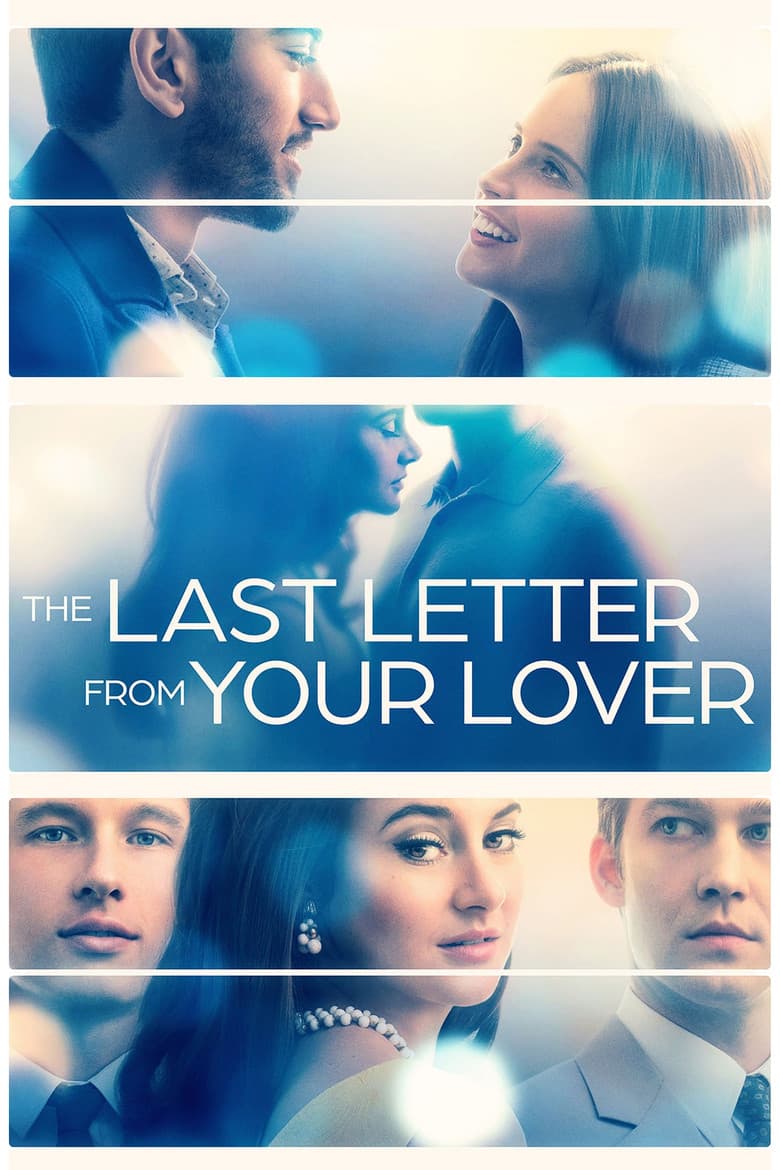
Ellie Haworth is a young reporter in modern London. She finds old love letters from the 1960s and becomes obsessed with the secret romance they describe. In the past, Jennifer Stirling is a rich married woman who falls for another man and is torn between duty and passion. The film moves between both eras. The tone is soft, emotional, and classic romance.
What stands out most for score purposes is a light focus on women’s choices. Jennifer is stuck in a cold marriage with a controlling husband who uses her fear of shame and losing her child to keep her in line. Ellie has more freedom in the present and learns to risk love again. The director has said both women want control over their own lives, not just what society tells them to do. The modern love interest is played by Nabhaan Rizwan, a British South Asian actor in a clear romantic lead role. A short colonial-business detail helps paint the husband as unlikable. These beats are easy to notice but stay inside a normal romance story. They do not turn the movie into a hard identity or activist message.
Community feedback
Was our 35% Woke rating accurate?
Breakdown
These are the editorial factors and ratings behind our score for The Last Letter from Your Lover.
Woke representation / casting
Modern romantic lead Rory is played by Nabhaan Rizwan, a British South Asian actor in a major, audience-visible love-story role. Ncuti Gatwa has a brief coworker bit. The 1960s leads are largely white and fit the period world. Diversity is clear in the present-day couple but not sold as the film’s main pitch.
30%
Woke political dialogue
Little direct political talk. Some lines show Laurence as cold, entitled, and tied to ugly business/power attitudes, plus threats about reputation and custody. No long activist speeches or modern identity lectures.
10%
Identity-driven story themes
Beyond pure romance, the film stresses women’s freedom to choose. Jennifer is trapped by 1960s marriage rules; Ellie is freer and learns not to live with regret. That soft “women’s agency” thread is real and director-backed, but race, queer identity, or hard social-justice ideology are not the core story.
34%
Western institutional / cultural critique
The past timeline paints traditional marriage power, male control, and social shame as cages for Jennifer. Laurence’s wealth and brief colonial-business coloring make him the clear bad husband. This reads as period-romance critique of old gender rules more than a full modern attack on Western life.
32%
Woke character or canon changes
Not relevant. Book-to-film shifts (new Rory character, different present-day romance, reunion ending) are ordinary adaptation choices, not race or gender swaps of known figures for identity messaging.
0%
Anti-woke backlash and complaints
No clear right-leaning or anti-woke campaign treating the movie as DEI, identity propaganda, or forced ideology. Public talk is mostly about romance quality and style.
0%
Creator track record context
Key people are mostly mild. Frizzell and Moyes lean personal/women’s stories; Jones and Woodley bring stronger gender and green activism; most producers and co-writers have low activist profiles. Fits a soft feminist romance more than a hard woke project.
22%
Production
Movie · 2016
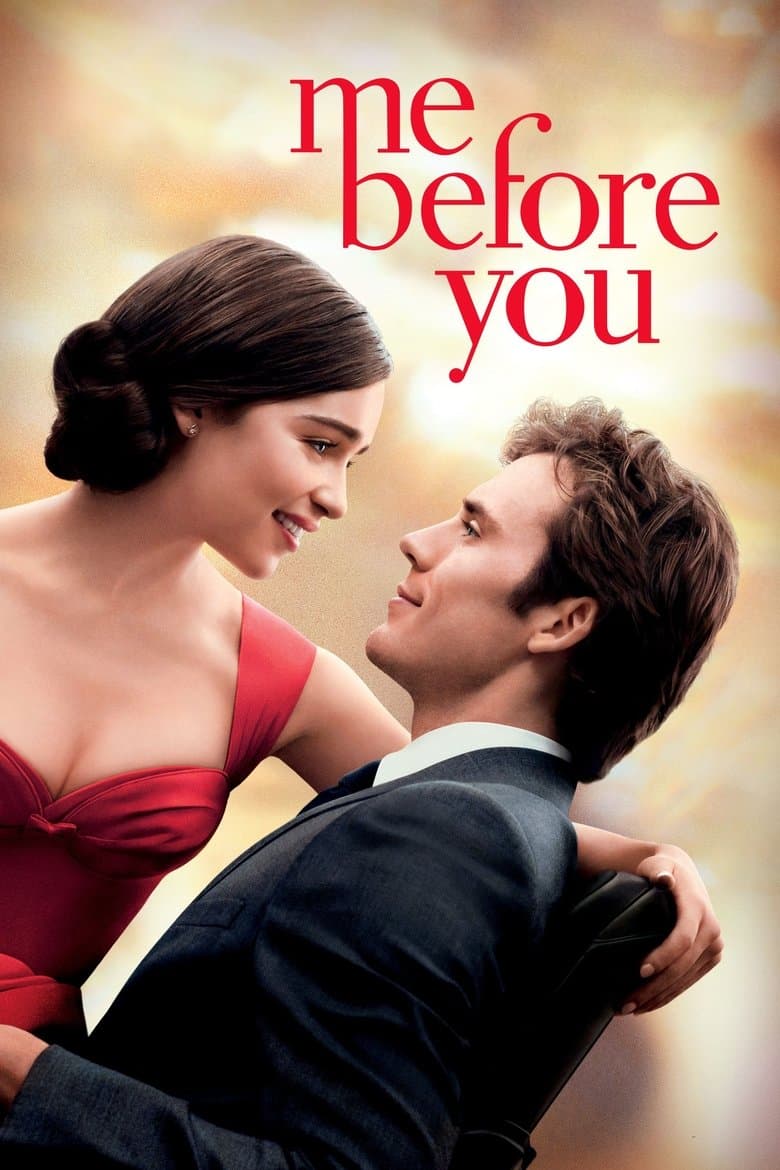
Lou Clark, a directionless 26-year-old from the English countryside, takes a job at the local castle as a caregiver and companion to a wealthy young banker, Will Traynor.
Movie · 2025
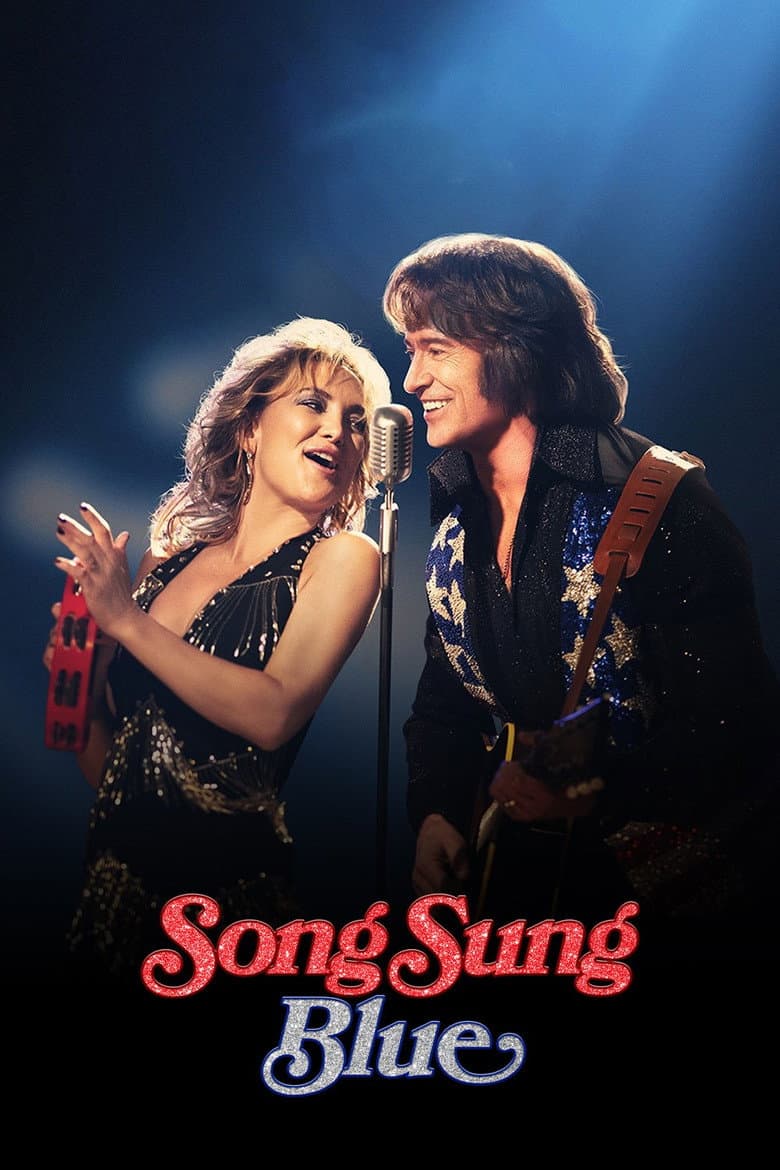
Based on a true story, two down-on-their-luck musicians form a joyous Neil Diamond tribute band, proving it's never too late to find love and follow your dreams.

Movie · 2023
Hadley and Oliver begin falling in love on a flight from New York to London, but when they lose each other at customs, can they defy all odds to reunite?
Movie · 2017
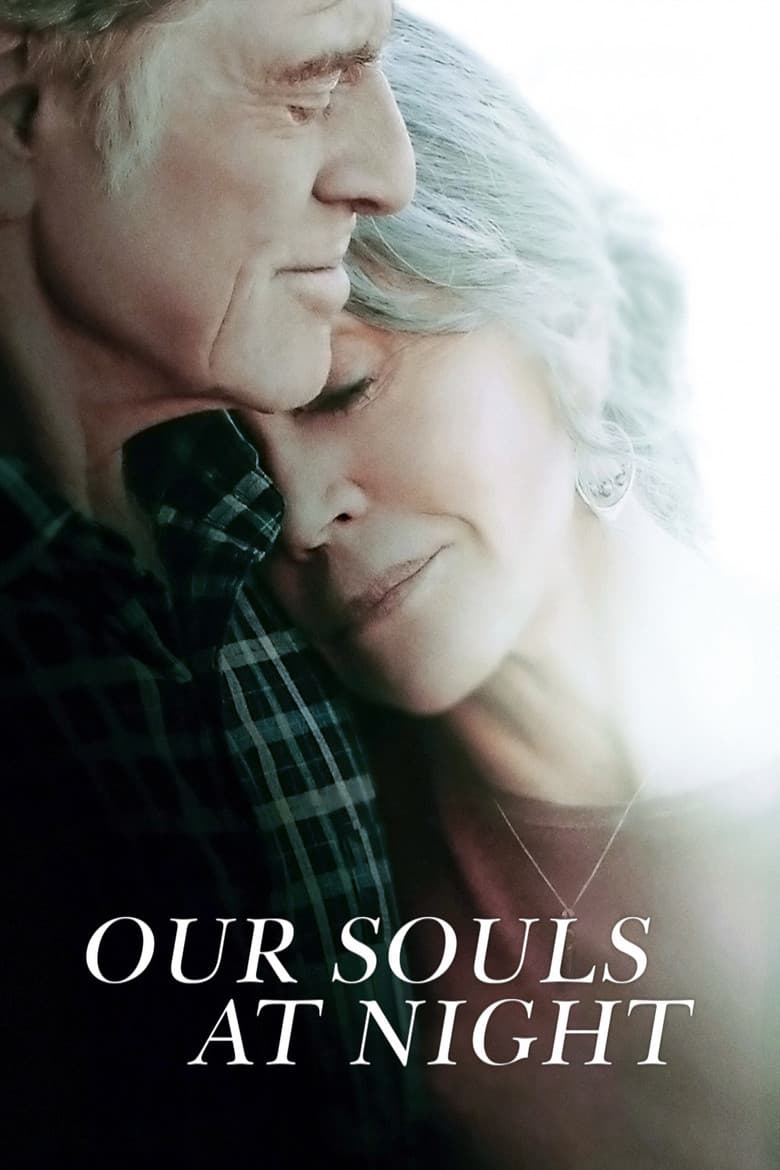
Addie Moore and Louis Waters, a widow and widower, have lived next to each other for years. The pair have almost no relationship, but that all changes when Addie tries to make a…
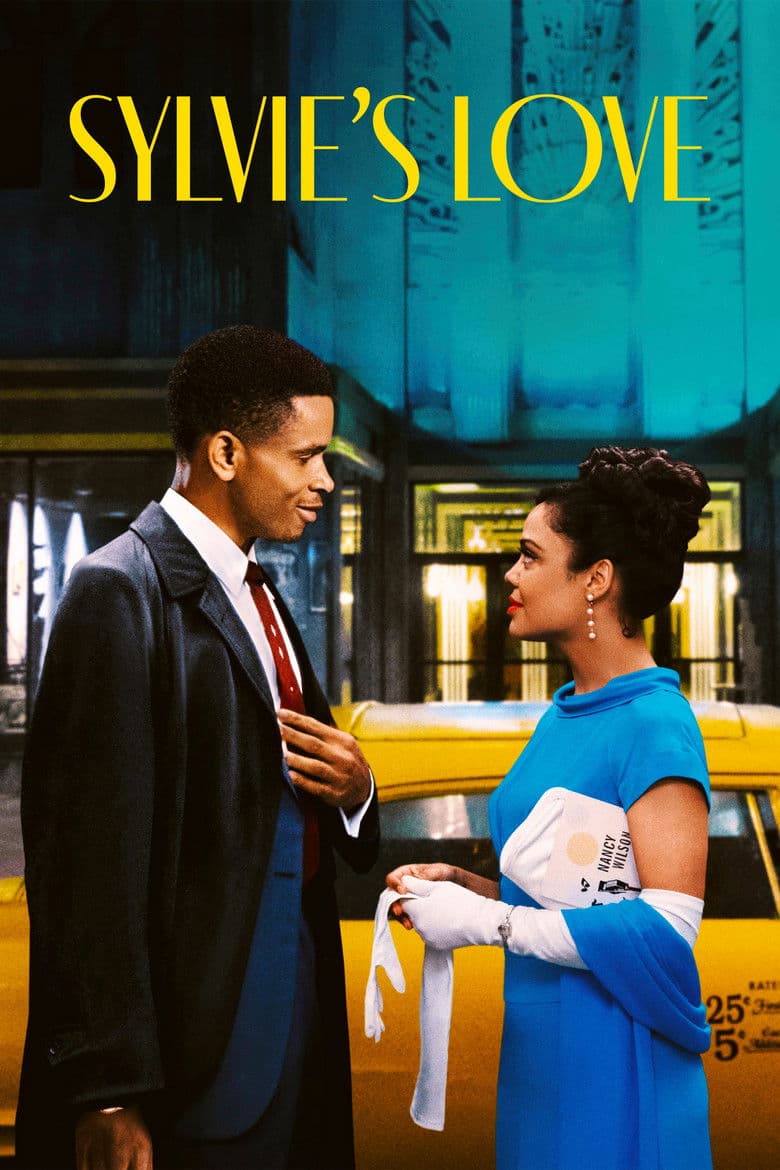
Movie · 2020
When a young woman meets an aspiring saxophonist in her father’s record shop in 1950s Harlem, their love ignites a sweeping romance that transcends changing times, geography, and…

Movie · 2020
When illness strikes two people who are polar opposites, life and death bring them together in surprising ways.

Movie · 2025
Two artistic souls find harmony through music despite their contrasting worlds. As feelings deepen, age and circumstances challenge their undeniable bond.
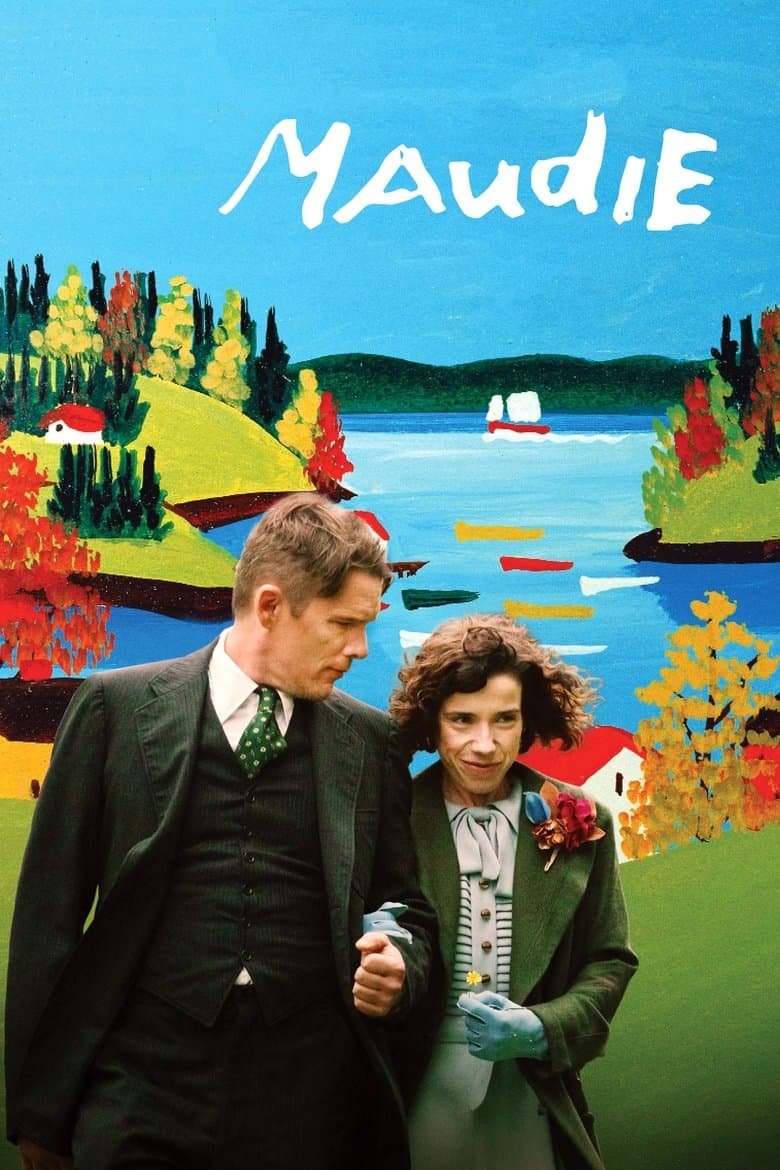
Movie · 2016
Canadian folk artist Maud Lewis falls in love with a fishmonger while working for him as a live-in housekeeper.
