
Anders Hill is a middle-aged man living in wealthy Westport, Connecticut. He leaves his finance job, moves out of his home, and divorces Helene because he thinks a fresh life will make him happy. His adult son Preston is recovering from drug addiction, while Anders drifts through drinking, casual sex, and awkward new friendships. After Anders takes drugs with a troubled young man at a holiday party, a death forces him to face the damage he has caused. The film uses dry jokes, sadness, and family drama to follow his painful search for a new life.
Anders wants freedom, but he still expects his ex-wife and son to make room for him. He treats people badly, hides money trouble, and mocks a woman’s self-help book, so the women around him push back. The story explores divorce, addiction, aging, shame, and the need to accept responsibility. It also shows how a parent can hurt a child while trying to escape his own unhappiness. Anders does not become a hero, but he begins to care for others and rebuild a smaller, more honest life.
Community feedback
Was our 13% Woke rating accurate?
Breakdown
These are the editorial factors and ratings behind our score for The Land of Steady Habits.
Woke representation / casting
Not present. The film uses a mostly white group of adults and young people in a wealthy Connecticut suburb. The cast is not presented through a diversity-first message, and the roles fit the story's setting.
0%
Woke political dialogue
Not present. The dialogue covers divorce, money, sex, addiction, and family pain. It does not push modern identity, DEI, or activist ideas.
0%
Identity-driven story themes
Not present. The story follows a selfish man's divorce, drug crisis, and attempt to repair family ties. It does not make race, gender identity, sexuality, or modern activist identity politics the main issue.
0%
Western institutional / cultural critique
The film treats Anders's male entitlement as a personal flaw when he leaves his wife, keeps using the old family home, and expects others to accept his choices. Barbara calls him mean after he mocks the self-help book on her bedside table. The story shows the harm of his behavior but does not turn it into a broad attack on men, family life, or Western institutions.
16%
Woke character or canon changes
Not relevant. The film adapts Ted Thompson's novel, but its changes add or remove ordinary story material. No race, gender, sexuality, or hero-role change is central to the adaptation.
0%
Anti-woke backlash and complaints
Not present. The separate X research pass found no anti-woke reaction or specific complaints. Searches of news, reviews, and audience posts found talk about the characters, pacing, and addiction, but no meaningful complaint that the film pushes woke or DEI ideas.
0%
Creator track record context
Nicole Holofcener has a recurring female-perspective focus and has described herself as a feminist. Her interviews about this film focus on a flawed man, drug addiction, and family trouble, and she said her movies are not making a political statement. Ted Thompson is mainly known for literary stories about family, work, and personal dissatisfaction. The listed producers and casting directors have no strong documented activist or identity-first record.
23%
Production

Movie · 2019
The story of Mötley Crüe and their rise from the Sunset Strip club scene of the early 1980s to superstardom.

Movie · 2023
Single mom Flora is at a loss about what to do with her rebellious teenage son, Max. Her efforts to keep him out of trouble lead to a beat-up acoustic guitar, a washed-up LA…

Movie · 2023
Two mismatched entrepreneurs – egghead innovator Mike Lazaridis and cut-throat businessman Jim Balsillie – joined forces in an endeavour that was to become a worldwide hit in…
Movie · 2018
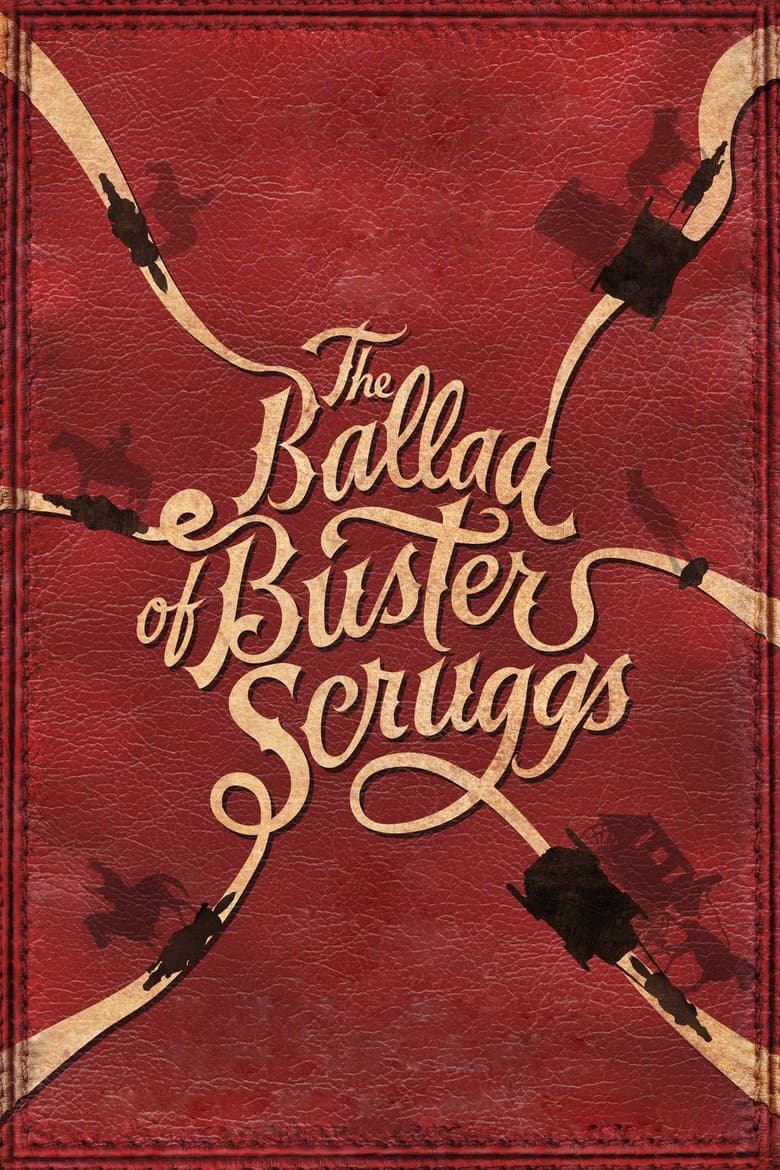
Vignettes weaving together the stories of six individuals in the old West at the end of the Civil War. Following the tales of a sharp-shooting songster, a wannabe bank robber, two…

Movie · 2016
An improv group deals with several crises, including the loss of their lease and one member hitting the big time.

Movie · 2020
Four stagnant high school teachers decide to test out a theory that maintaining a constant level of intoxication will improve their overall lives.

Movie · 2019
An unlikely friendship between two neighbors becomes an unexpectedly emotional journey when the younger man is diagnosed with terminal cancer.

Movie · 2016
Having suffered a tragedy, Ben becomes a caregiver to earn money. His first client, Trevor, is a hilarious 18-year-old with muscular dystrophy.
