
The Knight Before Christmas follows Sir Cole, a 14th-century English knight who is sent by a mysterious old woman to modern Ohio. He must complete an unknown quest before Christmas Eve, so he studies cars, phones, food, and town life. Brooke Winters, a high school science teacher, takes him in after her car hits him. The light comedy turns their culture shock, charity work, and growing love into a cheerful Christmas fairy tale.
The main social message is that Brooke can live a full life without a man rescuing her. The film lets her guide Cole through modern life and shows her choosing romance only after betrayal, not from need. The movie briefly corrects Cole when he calls a waitress a “wench” and says people now use the word “server.” Brooke tells a student to protect her school goals after a breakup, then later says true love can still exist. These ideas are clear but stay inside a traditional holiday romance between a man and a woman about love, faith, kindness, and belief in magic.
Community feedback
Was our 25% Woke rating accurate?
Breakdown
These are the editorial factors and ratings behind our score for The Knight Before Christmas.
Woke representation / casting
Not present. The film uses a normal modern Ohio ensemble, and it does not present any casting choice as a diversity or identity statement. Brooke’s female science-teacher role is part of the story’s romance and setting, not an unusual casting pattern.
0%
Woke political dialogue
Brooke briefly tells Cole that “wench” is offensive and that people now say “server.” The line corrects an old word for a woman, but the film does not build a political speech around it. The rest of the dialogue focuses on love, magic, Christmas, and Cole’s confusion about modern life.
8%
Identity-driven story themes
Brooke begins with a job, a home, and a full life after her boyfriend cheats on her. The story lets her guide Cole through modern life while she decides whether to trust him. Brooke refuses her ex and keeps her goals before she accepts true love. The director and Hudgens also described the story as one where a woman does not need to be rescued. The empowerment theme is recurring and clear, but the film remains a simple romantic Christmas comedy.
40%
Western institutional / cultural critique
Not present. The story does not attack family, faith, capitalism, or Western institutions. Its modern-versus-medieval jokes and charity scenes are not a present-day activist critique.
0%
Woke character or canon changes
Not relevant. The film is an original Christmas fantasy with no known book, franchise character, real person, or historical event being changed.
0%
Anti-woke backlash and complaints
Not present. The reviewed discussion focused on weak logic, cheesy romance, and Netflix holiday formulas. No meaningful anti-woke, DEI, identity-politics, or boycott complaint appeared in the reviewed web coverage, and the supplied X pass found none.
0%
Creator track record context
Vanessa Hudgens has a modest public record as an LGBT ally and in promoting her Filipino heritage. The director has no notable activism record, and the writer mainly works in romance, family, and holiday films. The other key crew members have low public activism scores and no strong identity-first work history. This gives the title mild creator-context support, not a strong track-record signal.
14%
Production

Movie · 2018
When a down-to-earth Chicago baker and a soon-to-be princess discover they look like twins, they hatch a Christmastime plan to trade places.

Movie · 2022
A fledgling caterer, Molly Frost, is hired by Jean Harrison, the perfectionistic director of the renowned Harrison Foundation, to cater this year’s annual Christmas Gala dinner.

Movie · 2016
Pop superstar Jordan Jaye has a big dream he just wants to live like a regular teenager. When he's chased down by some excited female fans, he finds a perfect hideout and a…

Movie · 2024
Maddie's dream guy is days away from marrying her best friend when a wish for true love made on an ancient stone in Ireland magically alters her fate.
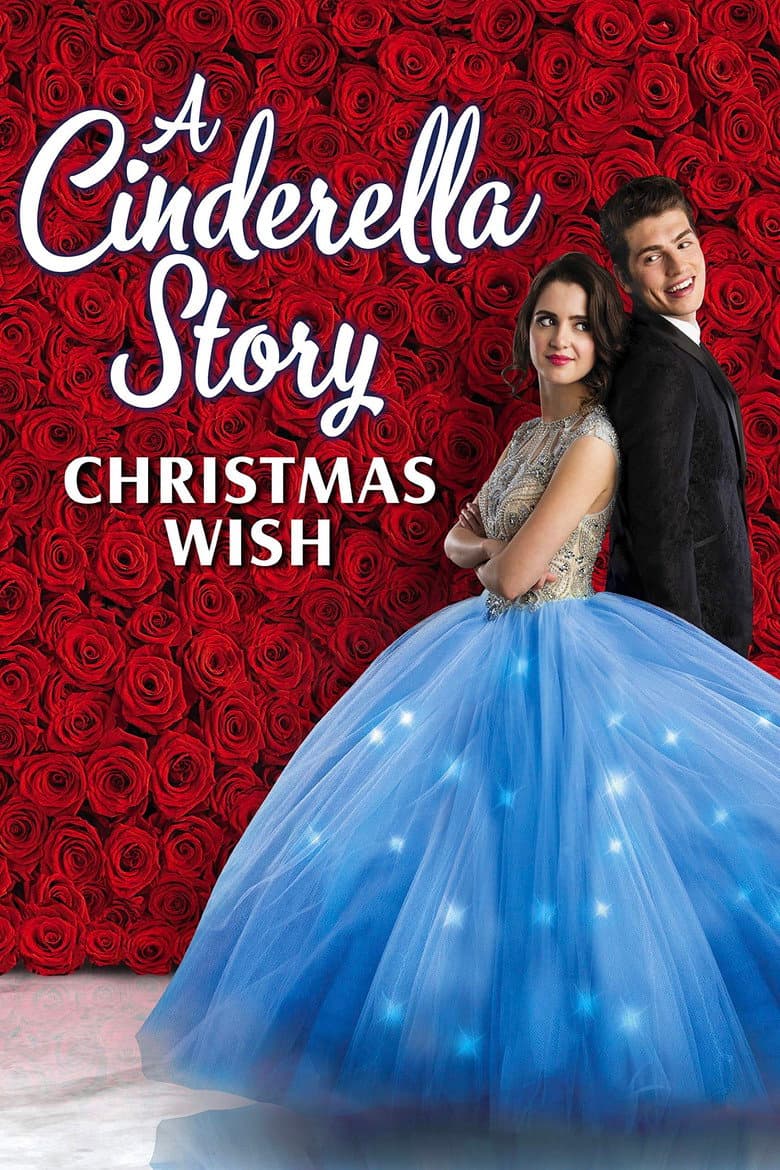
Movie · 2019
Kat is an aspiring singer-songwriter who dreams of making it big. However, her dreams are stalled by her reality: a conniving and cruel stepfamily and a demoralizing job working…
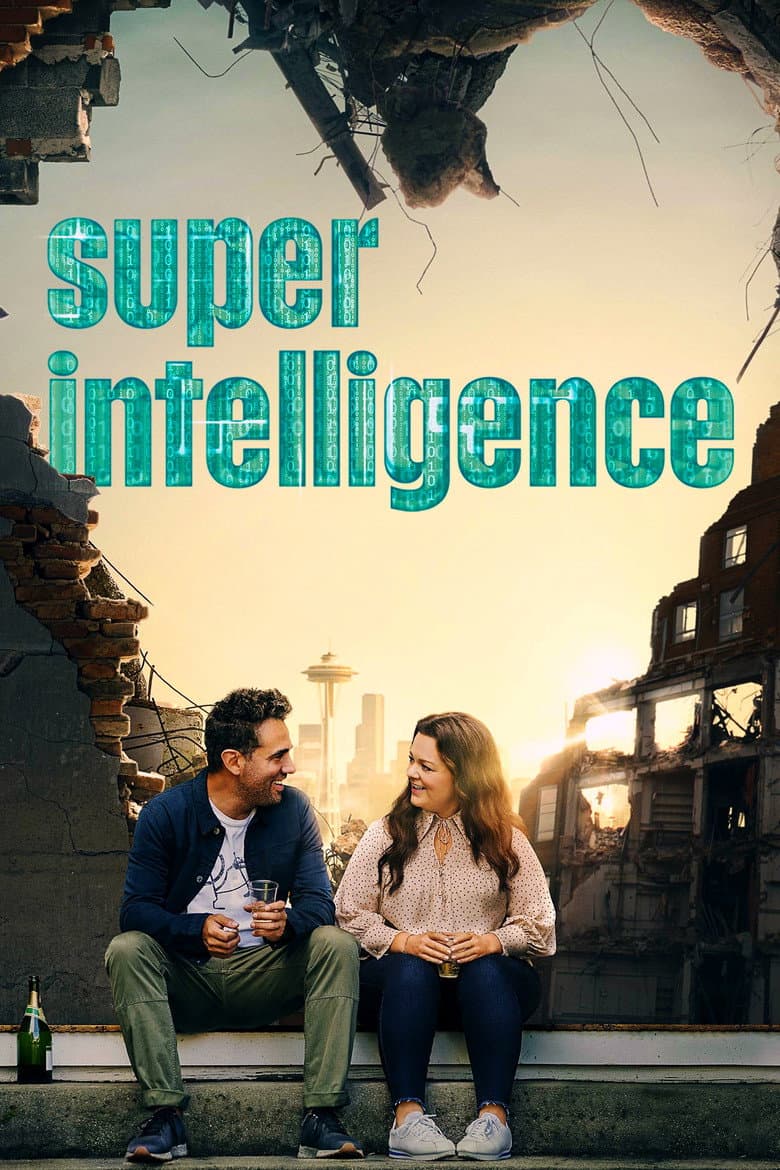
Movie · 2020
When an all-powerful Superintelligence chooses to study the most average person on Earth, Carol Peters, the fate of the world hangs in the balance. As the A.I.
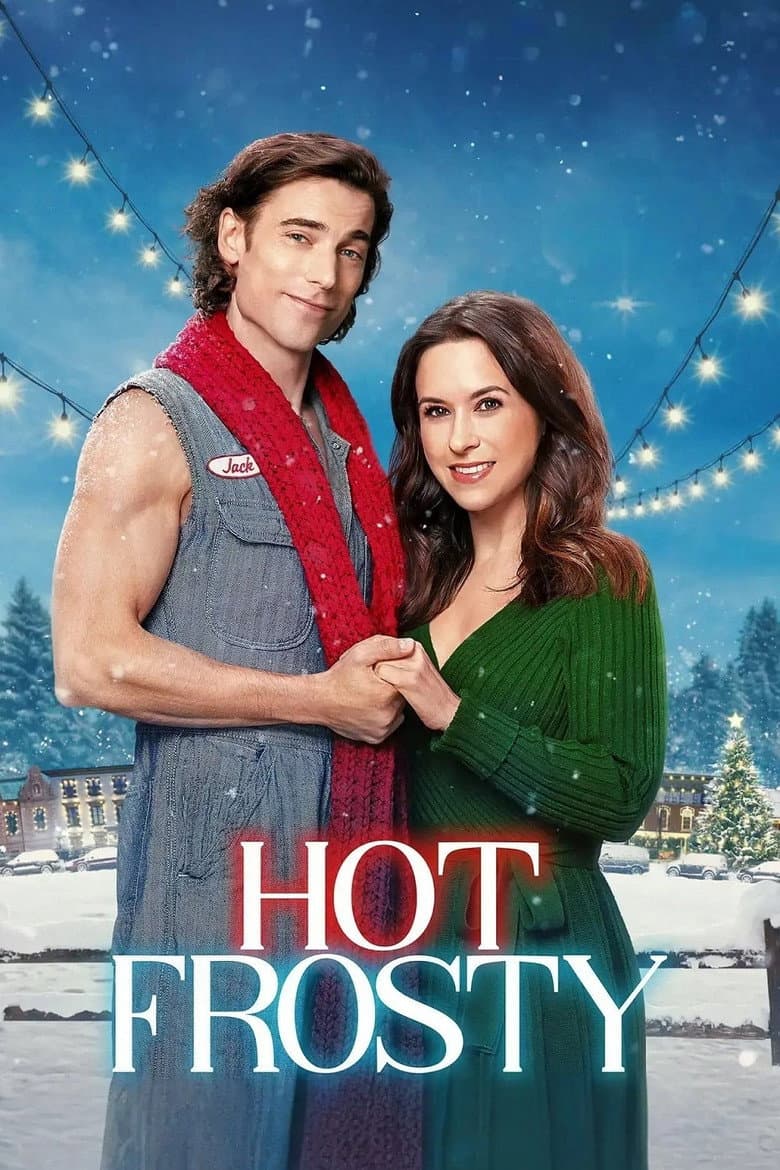
Movie · 2024
When a young widow's magic scarf brings a dashing snowman to life, can he help her rediscover romance, laughter and holiday cheer before he melts away?
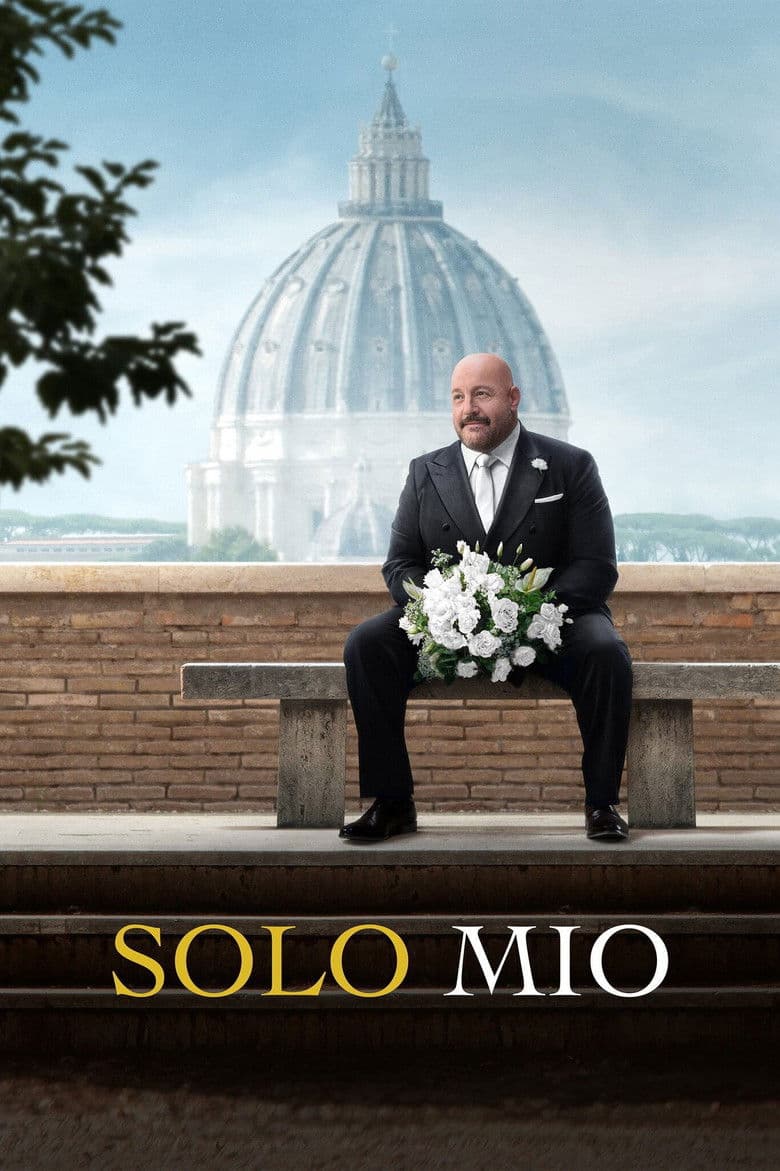
Movie · 2026
After Matt's dreams of a picturesque Italian wedding are shattered when his fiancée leaves him at the altar, he embarks on his planned honeymoon across Italy alone, immersing…
