
David is a dad of four in a small Utah town. He and his wife Nikki are living apart while they try to fix their marriage. Nikki is seeing a new man, Derek, and David is full of hurt, fear, and anger. The film feels quiet and tense, like a slow thriller about one man’s rage and love for his family.
The story is about a broken marriage, fatherhood, jealousy, and the danger of sudden violence. Viewers mainly see David fight to stay close to his kids while he barely holds his temper. Some critics and the director talk about male rage and “toxic masculinity,” and the gun and threats of harm make that feeling clear on screen. Nikki works as a lawyer and seems more stable than David, who does odd jobs and struggles. That gender setup shows up in the story, but the movie is still a private family drama, not a speech about politics, race, or identity. Normal viewers would notice the tense marriage and the threat of violence far more than any social-justice message.
Community feedback
Was our 26% Woke rating accurate?
Breakdown
These are the editorial factors and ratings behind our score for The Killing of Two Lovers.
Woke representation / casting
White male lead and mostly ordinary rural family casting. The main female role is played by Iranian-American actress Sepideh Moafi as Nikki, a lawyer. That is light, visible diversity in a small Utah setting, but the story does not push race or identity as the point, and there is no broad quota-style ensemble pattern.
5%
Woke political dialogue
Dialogue is about separation, parenting, jealousy, and anger. There are no clear activist speeches about race, gender ideology, DEI, or left-wing identity politics that a normal viewer would clock as messaging.
0%
Identity-driven story themes
Core themes are marriage breakdown, fatherhood, shame, and violent impulse. Gender roles in a split household matter to the plot, but the film is not built around race, queer identity, or modern social-justice identity arcs.
12%
Western institutional / cultural critique
The film and much of its coverage put male rage, humiliation, and gun threat at the center. The director has linked the gun to toxic masculinity. Viewers can feel a critique of dangerous male anger and traditional tough-guy habits, though the movie stays personal and often kind to David rather than a broad attack on Western family life.
42%
Woke character or canon changes
Not present in this title.
0%
Anti-woke backlash and complaints
No meaningful anti-woke or right-leaning complaints that this title pushes DEI, woke ideology, or identity politics were found in news or social reaction.
0%
Creator track record context
Key writer-director and most producers have near-zero cached woke scores and no strong public activist brand. Casting director scores lightly higher, but the overall creative record does not signal identity-first politics for this film.
5%
Production
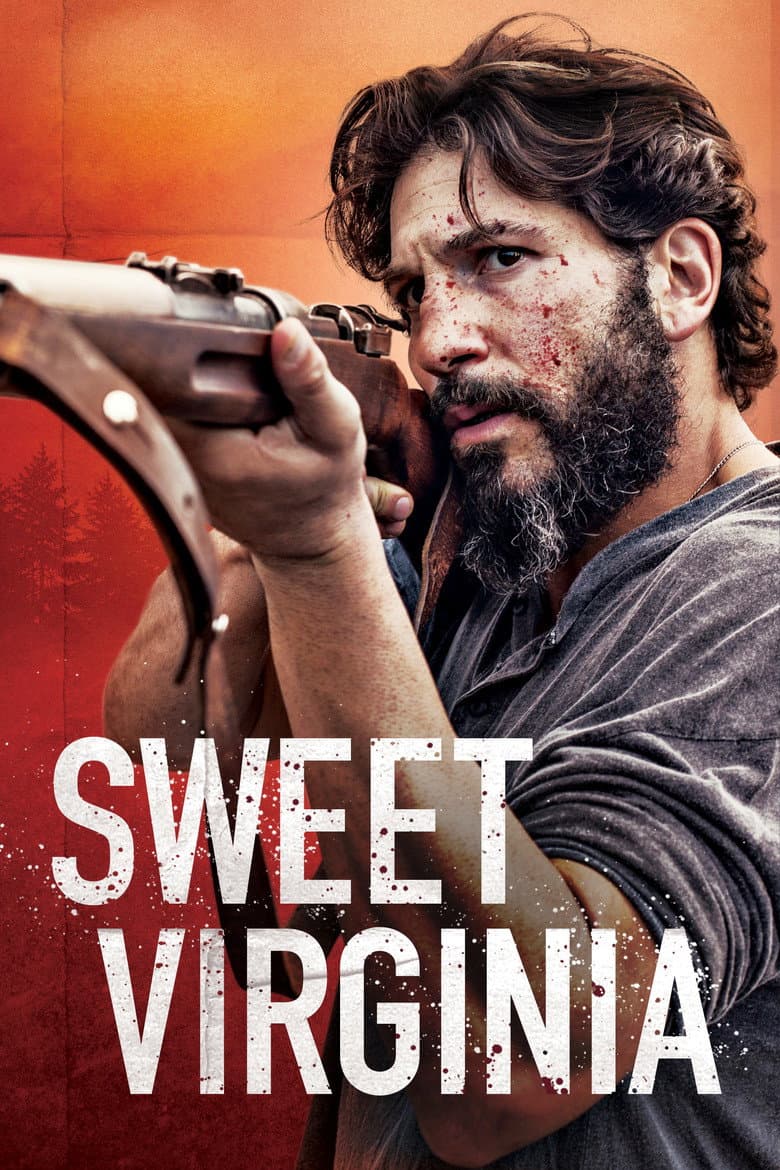
Movie · 2017
A former rodeo star, now a motel manager, meets a young man who is responsible for the violence that suddenly has seized his small town.
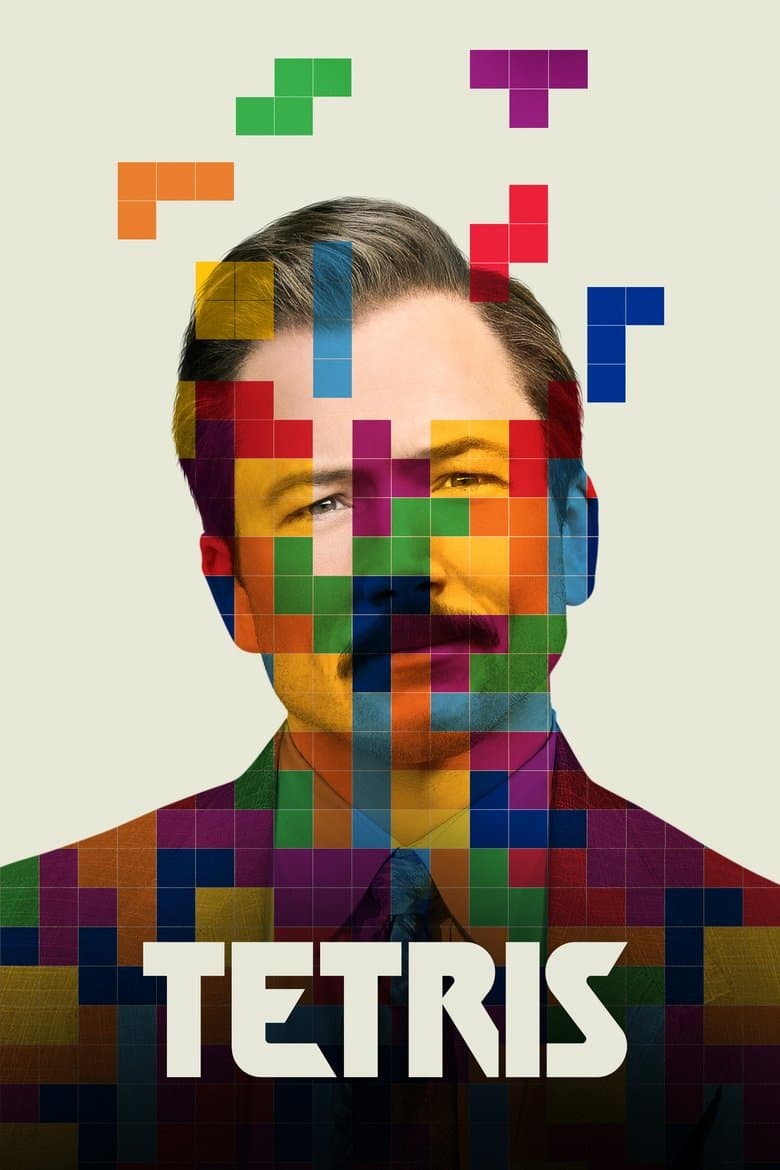
Movie · 2023
In 1988, American video game salesman Henk Rogers discovers the video game Tetris. When he sets out to bring the game to the world, he enters a dangerous web of lies and…
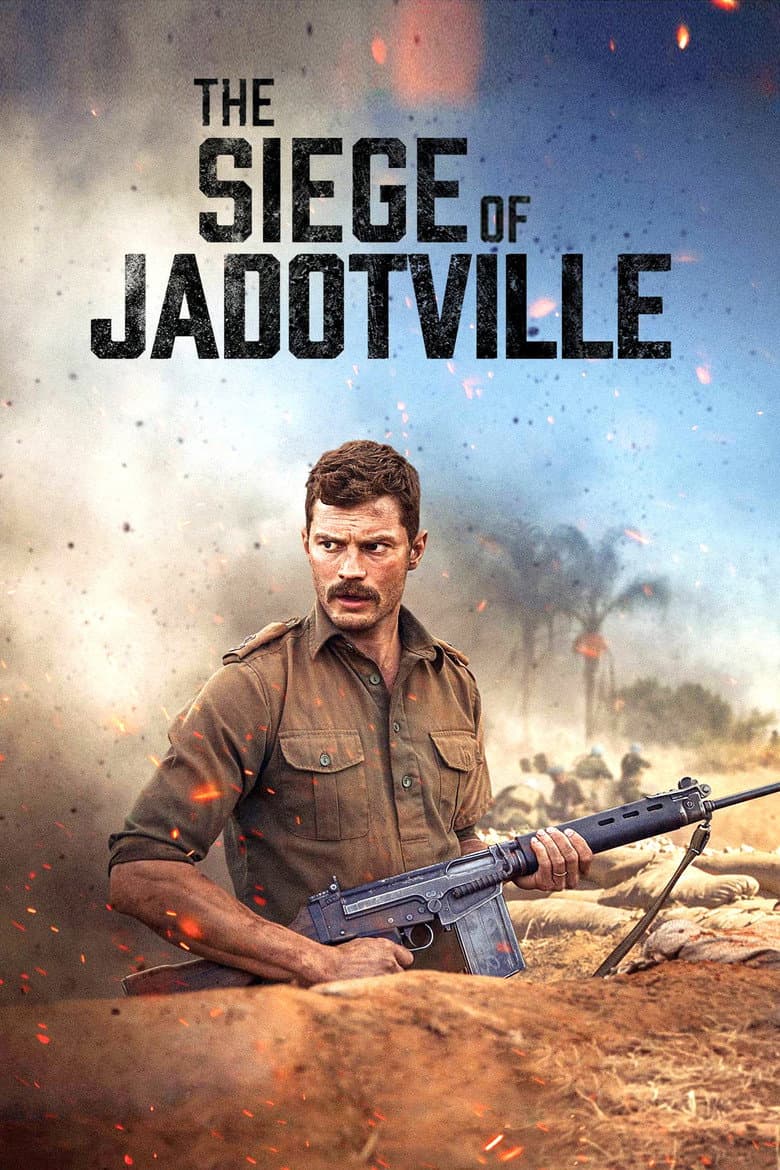
Movie · 2016
Irish Commandant Pat Quinlan leads a stand off with troops against French and Belgian Mercenaries in the Congo during the early 1960s.
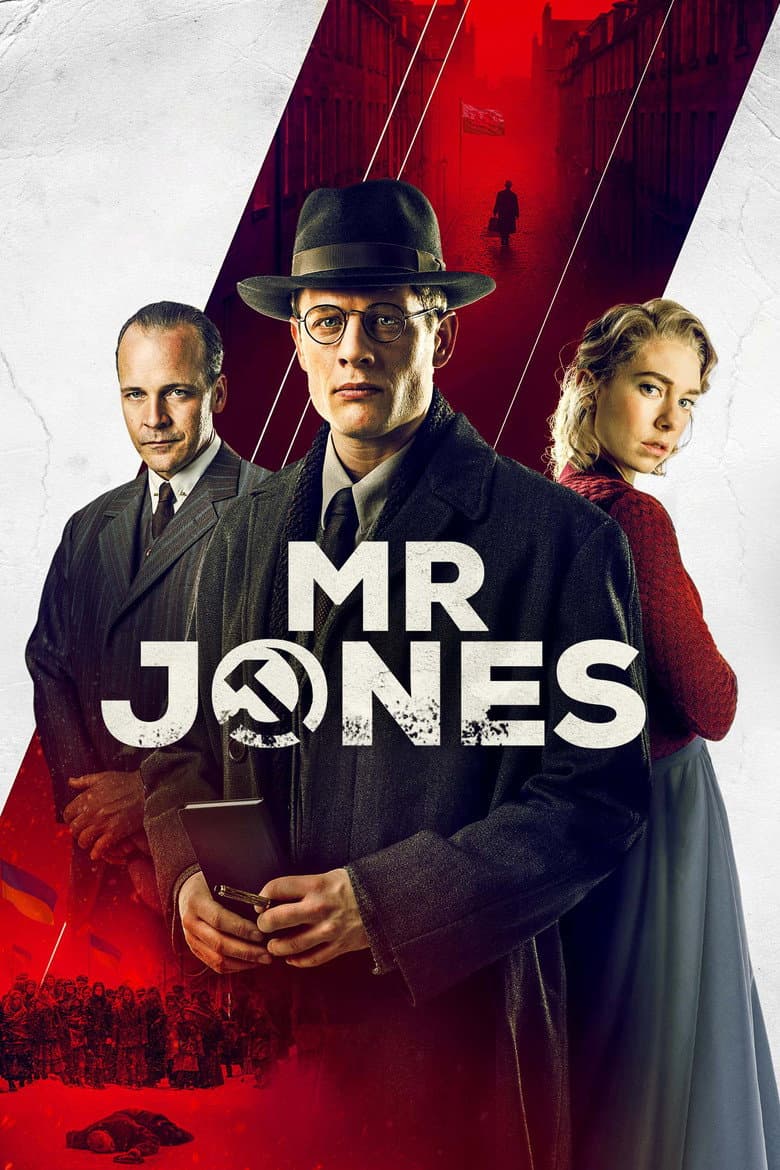
Movie · 2019
In 1933, Welsh journalist Gareth Jones travels to Ukraine, where he experiences the horrors of a famine. Everywhere he goes he meets henchmen of the Soviet secret service who are…

Movie · 2016
When Krisha returns to her estranged family for Thanksgiving dinner, past demons threaten to ruin the festivities.

Movie · 2016
When Iraq invades Kuwait in August, 1990, a callous Indian businessman becomes the spokesperson for more than 170,000 stranded countrymen.
Movie · 2021
A cold and mysterious new security guard for a Los Angeles cash truck company surprises his co-workers when he unleashes precision skills during a heist.
Movie · 2025
Seasoned deep-sea divers battle the raging elements to rescue their crewmate trapped hundreds of feet below the ocean's surface.
