
Patrice Capullo runs a small New York art gallery that is close to failure. She agrees to help Gordon Davis, a baker who secretly works with the mob, move dirty money through fake art sales. Gordon asks his hitman, Reggie Pitt, to make the paintings, but Reggie becomes famous when collectors praise his violent work as great art. Patrice must control the new star, protect her gallery, and survive the criminals who want to use him. The movie mixes crime, sharp jokes, murder, drugs, and a strange look at rich people who buy art because they fear missing out.
Patrice is the central problem solver, and the story gives her control over the business and the final plan. Grace is a young artist, while other women hold important jobs in the gallery and art world. The movie briefly calls out a male artist who harasses women and uses the word mansplaining when Patrice rejects Gordon's offer. These choices add a clear female empowerment message, but the story spends more time on crime, money laundering, murder, and jokes about art buyers than on identity politics. The film does not make sexuality or race the main subject.
Community feedback
Was our 33% Woke rating accurate?
Breakdown
These are the editorial factors and ratings behind our score for The Kill Room.
Woke representation / casting
The movie places several women in visible art-world roles, including gallery owner Patrice, artist Grace, rival manager Anika, and critic The Kimono. Gordon was rewritten from an older Jewish man into Samuel L. Jackson's Black Jewish character, who speaks Yiddish and is called the Black Dreidel. That choice makes identity part of a major character's public image. The film does not form a one-of-each group, so the representation signal stays moderate.
28%
Woke political dialogue
Patrice asks Gordon if he is mansplaining money laundering to her. Patrice calls a successful artist a misogynistic pig after he harasses women. The movie gives these remarks only a few lines and does not build a larger political debate around them.
14%
Identity-driven story themes
Patrice runs the gallery, makes the main business decisions, and takes control when male criminals threaten her. Grace, Anika, and The Kimono give the story several women with their own power in the art world. The film labels one successful male artist a misogynist after he harasses women, and Patrice rejects Gordon's mansplaining. The female empowerment message is recurring, but crime, money laundering, and art-world jokes remain the main story.
34%
Western institutional / cultural critique
Patrice calls a male artist a misogynistic pig after he harasses her, her assistant, and other women. Patrice also mocks Gordon for mansplaining money laundering to her. The movie's larger attack targets rich collectors, high art prices, and tax tricks, which is general crime satire rather than a broad attack on Western institutions.
14%
Woke character or canon changes
Not relevant. The film is an original crime comedy, not an adaptation of a known story. No established character, canon, or real historical figure is changed on screen.
0%
Anti-woke backlash and complaints
Not present. The separate X research found no anti-woke complaints about the film. Other public reviews focused on its pace, art satire, and acting rather than DEI or identity politics.
0%
Creator track record context
Director Nicol Paone has a moderate public LGBTQ comedy background and is openly bisexual. Producer Jason Weinberg supports LGBTQ families, and producer Dannielle Thomas has worked with groups supporting gay women and women's advancement. Writer Jonathan Jacobson and most other producers have mainly commercial records with little public activism. This gives the creators a moderate signal, not a dominant one.
27%
Production

Movie · 2019
Istanbul Police Department homicide detectives encounter a murder nothing like they’ve seen before.Commissioners Emin, Salih, Asuman and deputy Alaattin begin investigating.But…

Movie · 2023
When Ashley and her young daughter Sarah get caught up in a criminal enterprise that puts their lives at risk, she turns to the only person who can help: her estranged father…

Movie · 2024
Hired to cover up a high-profile crime, a fixer soon finds his night spiralling out of control when he's forced to work with an unexpected counterpart.

Movie · 2020
American expat Mickey Pearson has built a highly profitable marijuana empire in London. When word gets out that he’s looking to cash out of the business forever it triggers plots…

Movie · 2024
Forty years after his unforgettable first case in Beverly Hills, Detroit cop Axel Foley returns to do what he does best: solve crimes and cause chaos.
Movie · 2017
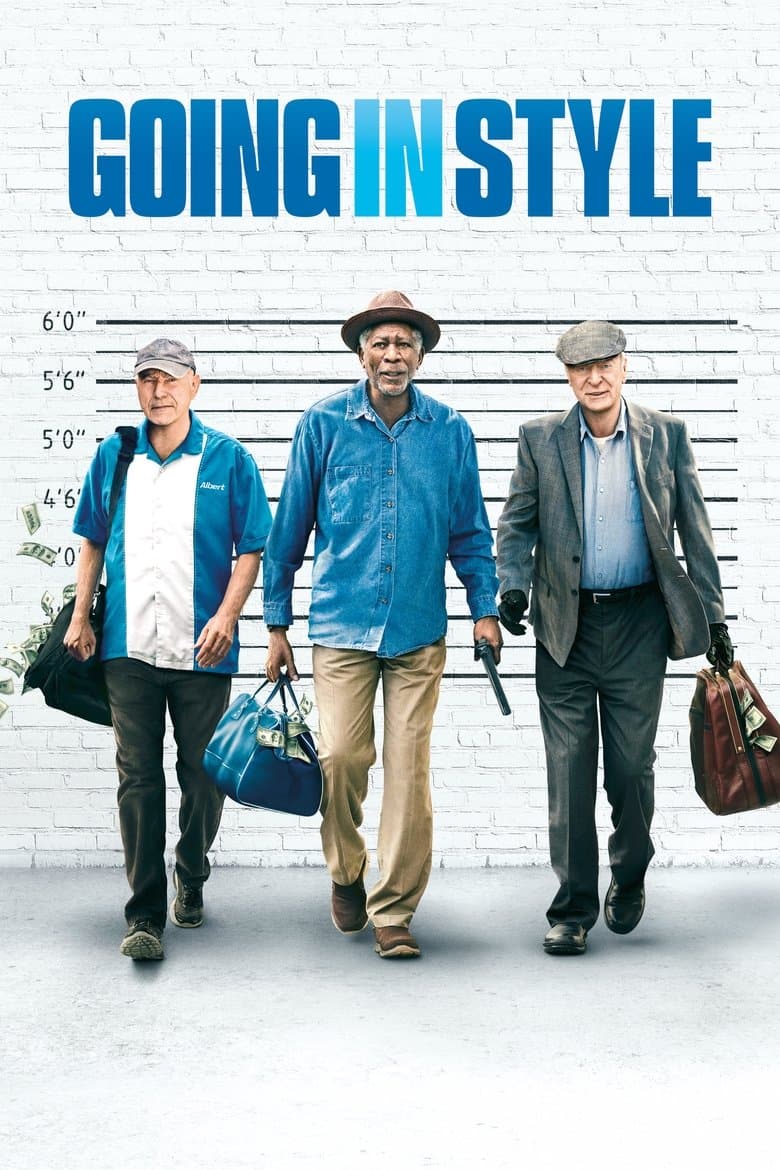
Desperate to pay the bills and come through for their loved ones, three lifelong pals risk it all by embarking on a daring bid to knock off the very bank that absconded with their…

Movie · 2025
A former Army Ranger and struggling father turns to robbing McDonald’s restaurants by cutting holes in their roofs, earning him the nickname "Roofman." After escaping prison, he…

Movie · 2024
A mild-mannered professor moonlighting as a fake hit man in police stings ignites a chain reaction of trouble when he falls for a potential client.
