Movie review
January 16, 2019 · 120 min · PG · Kids · Fantasy · Action · Adventure · Family
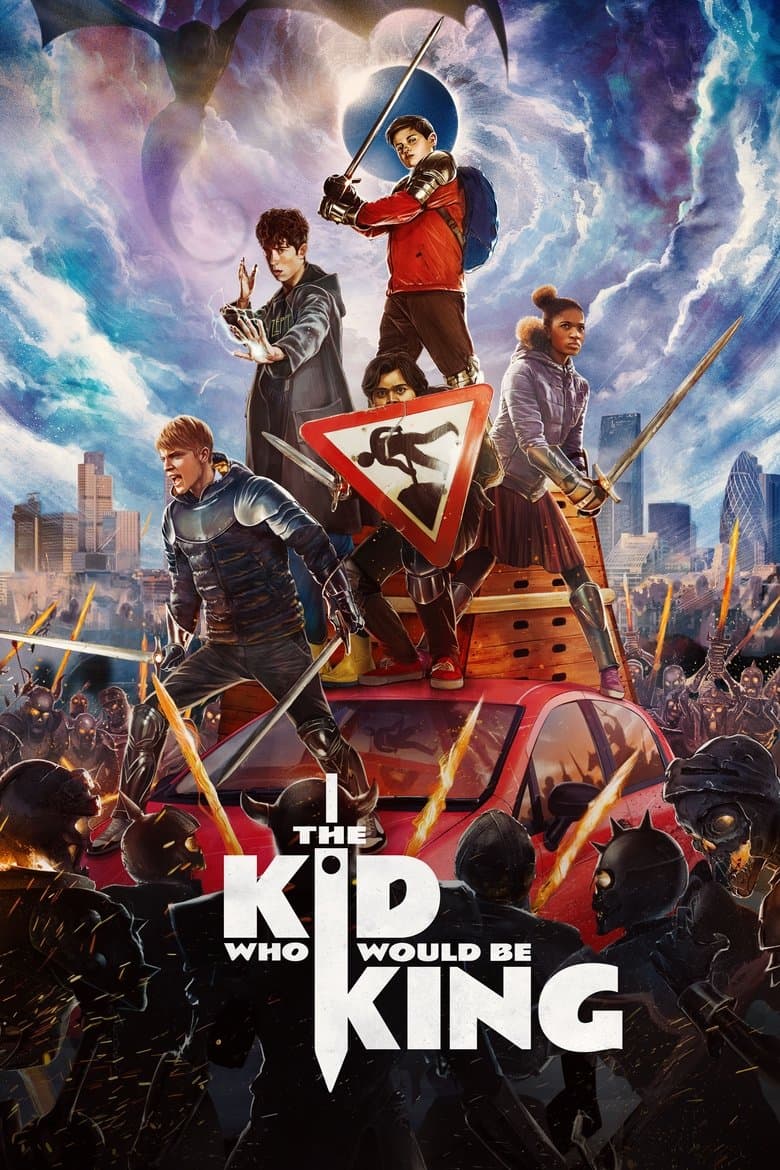
Alex Elliot is a lonely 12-year-old boy in modern London who protects his smaller friend Bedders from school bullies. He pulls Excalibur from a stone at a building site and learns that he must stop the sorceress Morgana from freeing her army and enslaving Britain. Alex joins with Bedders, former bullies Lance and Kaye, and the young wizard Merlin. The film mixes school comedy, fantasy danger, sword fights, and a bright adventure tone.
The film gives a strong place to the idea that courage and good choices matter more than royal blood, family power, or money. Alex turns enemies into allies, and the Round Table becomes a picture of equal teamwork. The opening news report and later speeches describe a divided Britain, warn about dictators who gain power, and say that young people can help change their country. The film treats these ideas as a hopeful answer to fear and division, and it asks the children to become better leaders after the battle.
Community feedback
Was our 33% Woke rating accurate?
Breakdown
These are the editorial factors and ratings behind our score for The Kid Who Would Be King.
Woke representation / casting
Not present. The main group is a normal mix of modern London schoolchildren. Kaye is a girl knight, but the film does not present her casting as a diversity message or make her identity a story issue.
0%
Woke political dialogue
The film opens with a news report about dictators and growing global divisions. Merlin says rich and powerful people rewrite legends to keep power, and he tells Alex that the sword chooses by heart and mind rather than birth or blood. Alex says the group must change a world built around strength and money. These ideas return in the divided and leaderless Britain story, but the film does not promote a named party or a current identity-politics message.
34%
Identity-driven story themes
The story repeatedly says that people should be judged by character rather than family blood, rank, strength, or money. Alex makes former bullies into allies, and the Round Table becomes a place where everyone is equal. The message supports inclusion and shared power, but it is broad and tied to friendship, courage, and merit. This is not a plot about race, sex, sexuality, or another identity group.
24%
Western institutional / cultural critique
The film questions the old idea that a hero should inherit power through royal blood. Merlin says rich and powerful people can use legends to keep control. The school principal and other adults also fail to protect Alex and Bedders from bullying. The answer is better young leadership and equal teamwork, not a detailed attack on churches, capitalism, or ordinary family life.
29%
Woke character or canon changes
Not relevant. The movie changes Arthurian details for a modern child adventure, including a female Kaye and a new setting. Those changes serve the new story and are not presented as a diversity or identity message.
0%
Anti-woke backlash and complaints
Not present. Public comments mostly discuss the film’s age range, scary monsters, length, and computer effects. No notable anti-woke or right-leaning backlash about DEI, identity politics, or propaganda appears in the searched coverage.
0%
Creator track record context
The cached Joe Cornish score is 19, with a past focus on giving working-class teens more humanity. The cached Nina Gold score is 45 because she has backed diverse casting while respecting source material. The cached Nira Park score is 44 because she has supported underrepresented talent. The other cached crew scores are low. Cornish’s title interviews focus on merit and unity, so this background adds a mild signal rather than a strong one.
25%
Production
Movie · 2016
For years, old wood carver Mr. Meacham has delighted local children with his tales of the fierce dragon that resides deep in the woods of the Pacific Northwest.
Movie · 2022
After settling in Green Hills, Sonic is eager to prove he has what it takes to be a true hero. His test comes when Dr.
Movie · 2021
The Guardians of Arcadia reunite to battle the nefarious Arcane Order, who've reawakened the primordial Titans.
Movie · 2018
The life of a teenage boy is forever altered by a chance encounter with cutting edge military technology.
Movie · 2025
When a young girl’s sketchbook falls into a strange pond, her drawings come to life—chaotic, real, and on the loose.
Movie · 2017
Gru and his wife Lucy must stop former '80s child star Balthazar Bratt from achieving world domination.
Movie · 2021
As Emily struggles to fit in at home and at school, she discovers a small red puppy who is destined to become her best friend.
Movie · 2016
An orphan little girl befriends a benevolent giant who takes her to Giant Country, where they attempt to stop the man-eating giants that are invading the human world.
