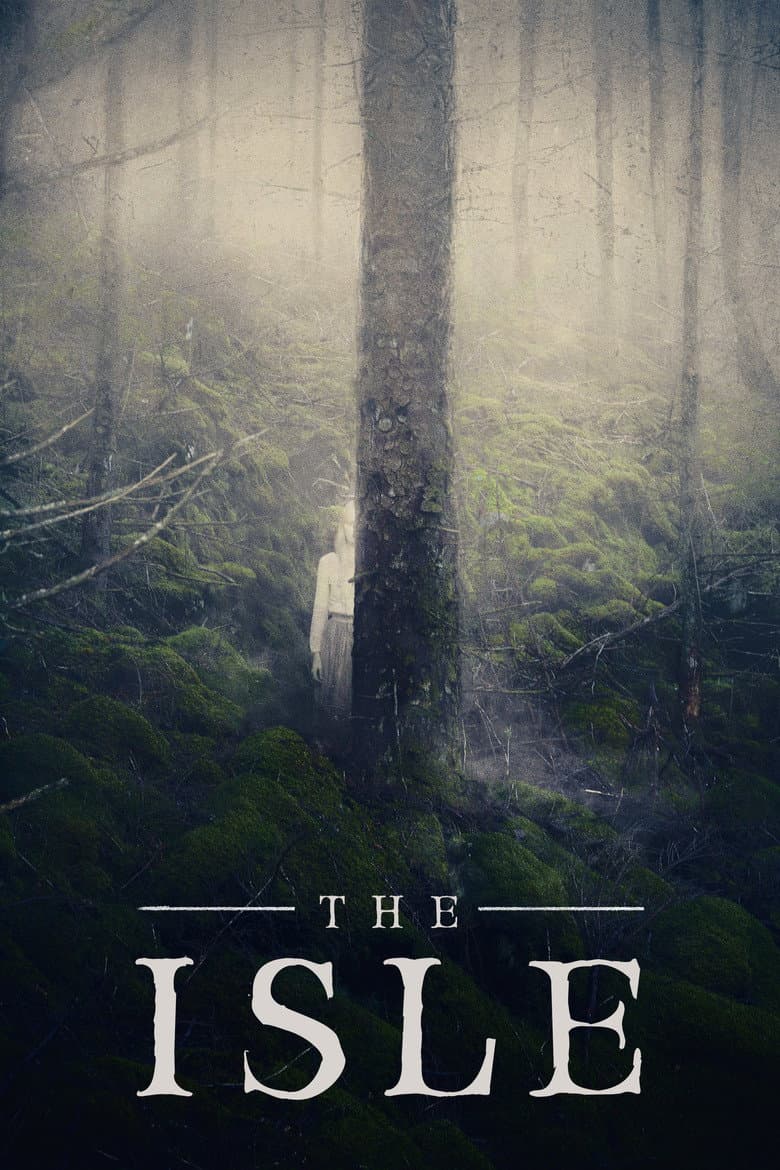
In 1846, Oliver Gosling, Jim Bickley, and Cailean Ferris survive a shipwreck and reach a remote island off the Scottish coast. The few island residents take them in while they wait for a boat that never seems to come. Oliver searches the island and finds signs of a murder, a famine, and a strange force that keeps ships away. The film uses a slow, cold, and eerie tone as the sailors face ghosts, secrets, and fear.
The clearest woke element is a story about women living under male control in the 1840s. Lanthe is kept tied to a bed because men fear her seizures, while the spirit of a murdered woman turns that pain into revenge against men. Lanthe and Korrigan become the most powerful figures and choose their own final escape. The film also places Fisayo Akinade, a black actor, among the three sailors, but it does not make race part of the story or present the casting as a message.
Community feedback
Was our 46% Woke rating accurate?
Breakdown
These are the editorial factors and ratings behind our score for The Isle.
Woke representation / casting
The film places Fisayo Akinade, a black actor, in one of the three sailor roles in a story set on an 1840s Scottish island. The story never gives Cailean a race-based backstory or makes his identity part of the conflict. The film does not use diversity or empowerment language to explain the casting. This is a small visible casting signal, not a broad representation pattern.
15%
Woke political dialogue
Not present. No verified line directly promotes modern identity politics, DEI, or activist ideas. The film’s gender conflict is carried by its plot and images, not by modern political speeches.
0%
Identity-driven story themes
The film makes male control of women part of the island’s history. The story keeps Lanthe confined and shows a murdered woman returning as Persephone to punish men. Lanthe and Korrigan gain control over the men and decide their own final release. The gender message drives the mystery and ending, but the film remains a supernatural survival story rather than a full activist drama.
60%
Western institutional / cultural critique
The film shows male rule as a cause of fear and harm. The story shows Lanthe tied to a bed because men treat her seizures as a threat. The curse grows from a man’s sexual abuse, and the women later reject the control around them. The criticism stays inside the 1840s ghost story and does not become a broad attack on modern Western institutions.
36%
Woke character or canon changes
Not relevant. The film is an original ghost story with no established character, source story, or real historical figure being changed.
0%
Anti-woke backlash and complaints
Not present. The available coverage does not show clear anti-woke complaints about the film pushing DEI, identity politics, or activist ideas. The separate X check found no anti-woke reaction or specific complaints.
0%
Creator track record context
Tori Butler-Hart has a recurring focus on women’s confinement, agency, sexual violence, and women taking control. Matthew Butler-Hart’s public record centers on independent genre films and shows little political advocacy. The listed producers have no clear pattern of identity politics or activist work. This gives the film some gender-focused creator context, but it does not show a broad activist track record.
25%
Production
Movie · 2018
A timid and socially alienated 17-year-old high school student's life is turned upside down when she switches places with her sinister mirror image.
Movie · 2017
Having died unexpectedly, firefighter Ja-hong is taken to the afterlife by 3 afterlife guardians. Only when he passes 7 trials over 49 days and proves he was innocent in human…
Movie · 2017
A teenage girl discovers a box with magical powers, but those powers comes with a deadly price.

Movie · 2019
As the gang return to Jumanji to rescue one of their own, they discover that nothing is as they expect. The players will have to brave parts unknown and unexplored in order to…
Movie · 2023
A powerful biotech company has breakthrough technology allowing them to clone history’s most influential people with just a few fragments of DNA.
Movie · 2023
Following the sudden death of his mother, a mild-mannered but anxiety-ridden man confronts his darkest fears as he embarks on an epic odyssey back home.
Movie · 2019
When a huge hurricane hits her hometown in Florida, Haley ignores evacuation orders to look for her father. After finding him badly wounded, both are trapped by the flood.
Movie · 2019
A young boy is born as the reincarnation of a demonic power, into a society that hates and fears him. Destined by prophecy to bring destruction to the world, Nezha must choose…
