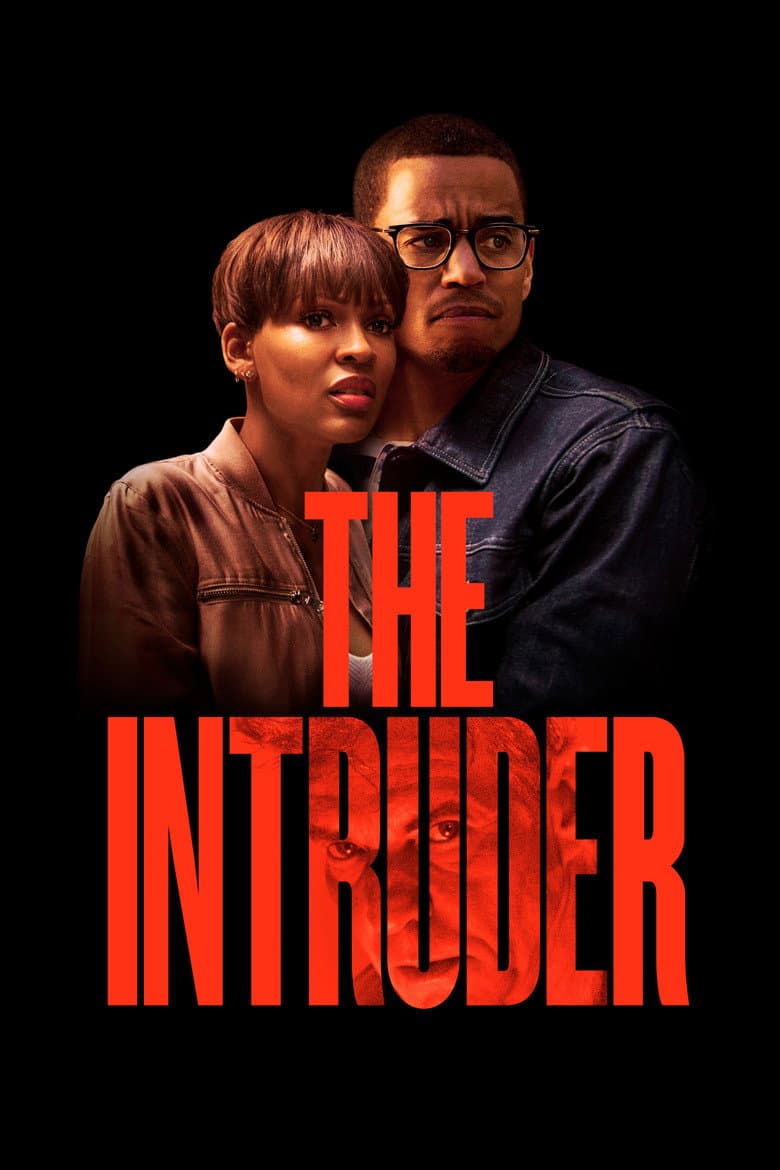
Scott and Annie Russell are a successful young married couple who leave San Francisco and buy a large house in Napa Valley. The seller, Charlie Peck, says he is moving away, but he keeps returning and pushing into their lives. Scott sees the danger early, while Annie first treats Charlie as a lonely man who needs kindness. The movie presents their growing fear as a tense home thriller with jump scares and dark humor.
Scott’s past affair has weakened the couple’s trust, and Charlie uses that gap to get closer to Annie. Charlie grows jealous, watches the couple in secret, and treats both Annie and the house as things he owns. Scott and Annie must rebuild their trust and fight him together. Their marriage, home, and wish to start a family remain the heart of the story.
Community feedback
Was our 40% Woke rating accurate?
Breakdown
These are the editorial factors and ratings behind our score for The Intruder.
Woke representation / casting
Scott and Annie, the two main heroes, are a wealthy black couple. The three central roles create a clear black-couple versus white-villain setup. Deon Taylor said he chose the leads to spotlight a young African American couple buying a costly home and to make the film colorful. Their jobs and wealth are believable, but the public framing makes representation a clear production goal.
42%
Woke political dialogue
Annie’s work is described as writing about injustice and empowerment for women’s magazines. Charlie also questions whether Scott can afford the home, and the moment has a racial edge. These lines are brief and do not guide most of the movie.
12%
Identity-driven story themes
Race shapes the visible setup of a black couple facing an older white intruder. Charlie’s comment about Scott’s money adds a small racial note. The film does not build a wider story about racism, unfair systems, or group identity. The main conflict remains Charlie’s control over the house and Annie.
18%
Western institutional / cultural critique
Charlie carries guns, wears a bright red cap, and makes a pointed remark to the Black buyer. The film presents this possessive older white man as the violent threat to a younger black couple. Charlie also treats Annie and the house as things that belong to him. These signs give the villain a mild conservative and male-entitlement edge, but the movie never names a party or attacks marriage and family.
24%
Woke character or canon changes
Not relevant. The film uses an original story and does not change an established character or real person.
0%
Anti-woke backlash and complaints
One Metacritic user called the film politically correct for making a straight white man attack a black couple. Movieguide also noted light politically correct references. No large group of viewers or major news outlet turned this into a wider anti-woke dispute. The complaints are clear but weak and isolated.
18%
Creator track record context
Deon Taylor has a moderate cached activist score, while David Loughery has a low score. Kim Taylor-Coleman and several producers have stronger records tied to diversity, black creators, or race-focused causes. Most of the remaining producers and crew have low scores. The full group therefore gives mixed supporting context.
28%
Production

Movie · 2022
For best friends Becky and Hunter, life is all about conquering fears and pushing limits. But after they climb 2,000 feet to the top of a remote, abandoned radio tower, they find…
Movie · 2016
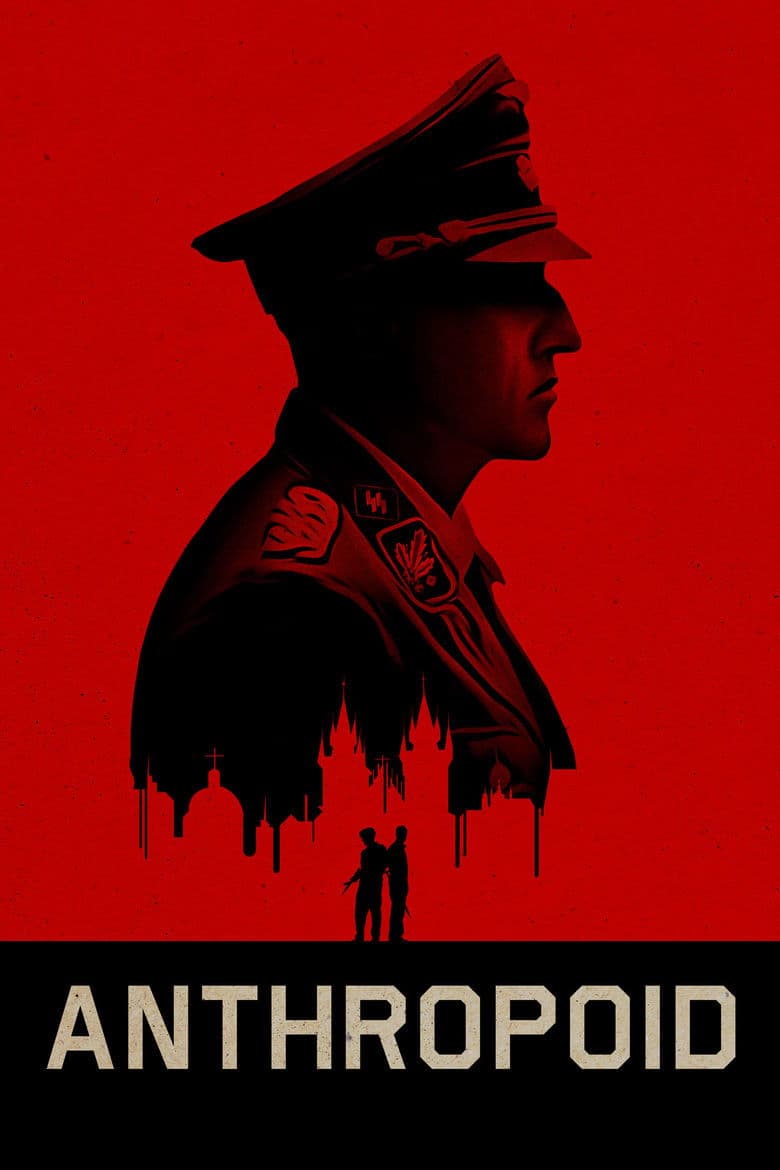
In December 1941, Czech soldiers Jozef Gabčík and Jan Kubiš parachute into their occupied homeland to assassinate Nazi officer Reinhard Heydrich.

Movie · 2022
Based on the true nail-biting mission that captivated the world. Twelve boys and the coach of a Thai soccer team explore the Tham Luang cave when an unexpected rainstorm traps…
Movie · 2017
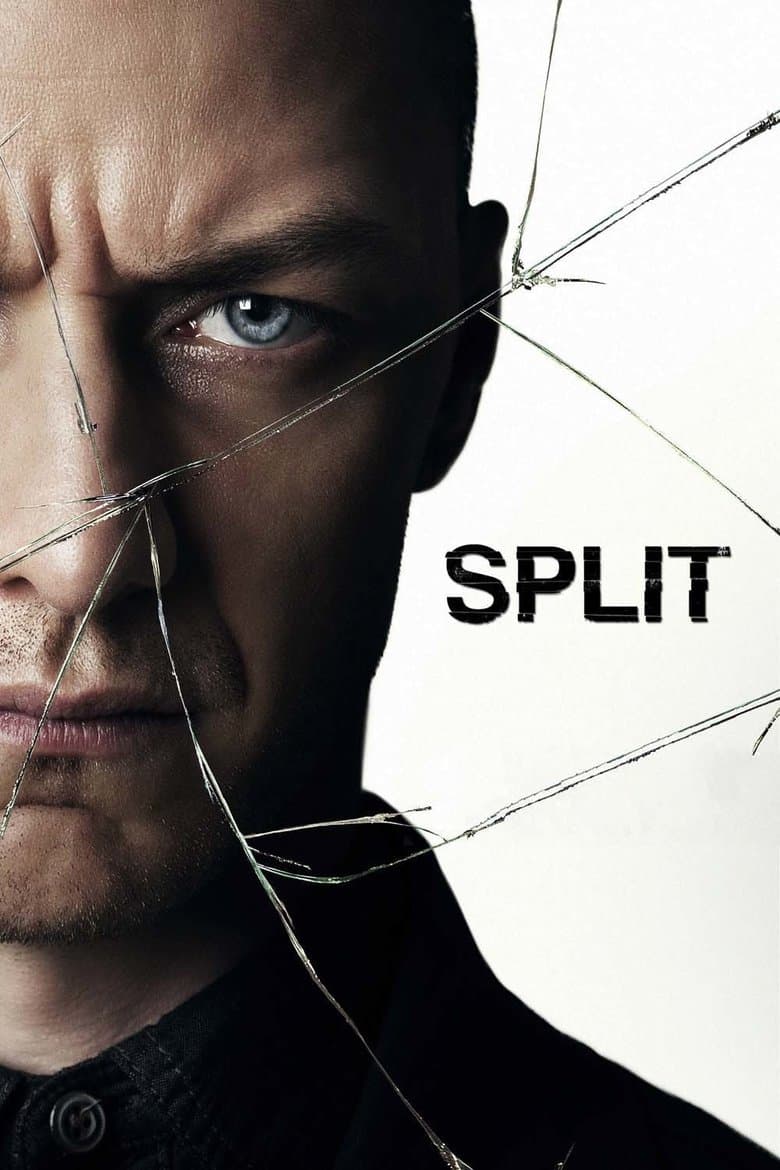
Though Kevin has evidenced 23 personalities to his trusted psychiatrist, Dr. Fletcher, there remains one still submerged who is set to materialize and dominate all the others.

Movie · 2024
Nothing is what it seems when a twisted one-night stand spirals into a serial killer’s vicious murder spree.

Movie · 2016
When Iraq invades Kuwait in August, 1990, a callous Indian businessman becomes the spokesperson for more than 170,000 stranded countrymen.
Movie · 2021
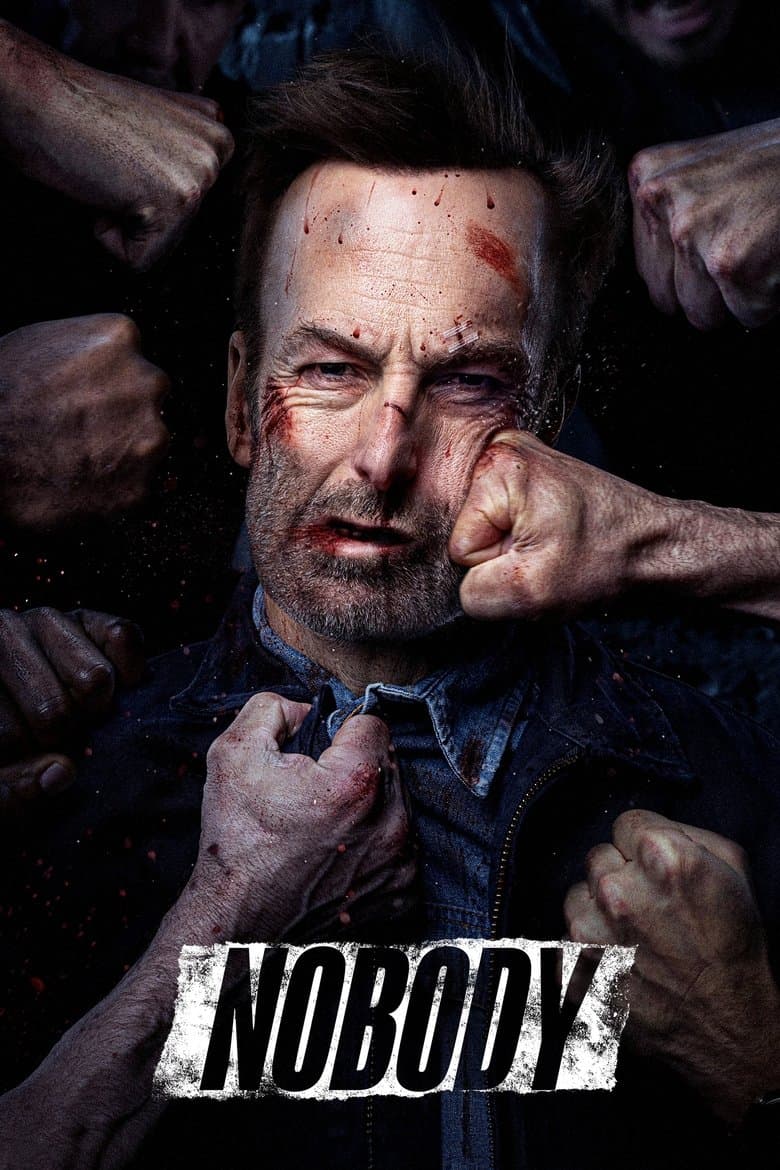
Hutch Mansell, a suburban dad, overlooked husband, nothing neighbor — a "nobody." When two thieves break into his home one night, Hutch's unknown long-simmering rage is ignited…

Movie · 2016
When Krisha returns to her estranged family for Thanksgiving dinner, past demons threaten to ruin the festivities.
