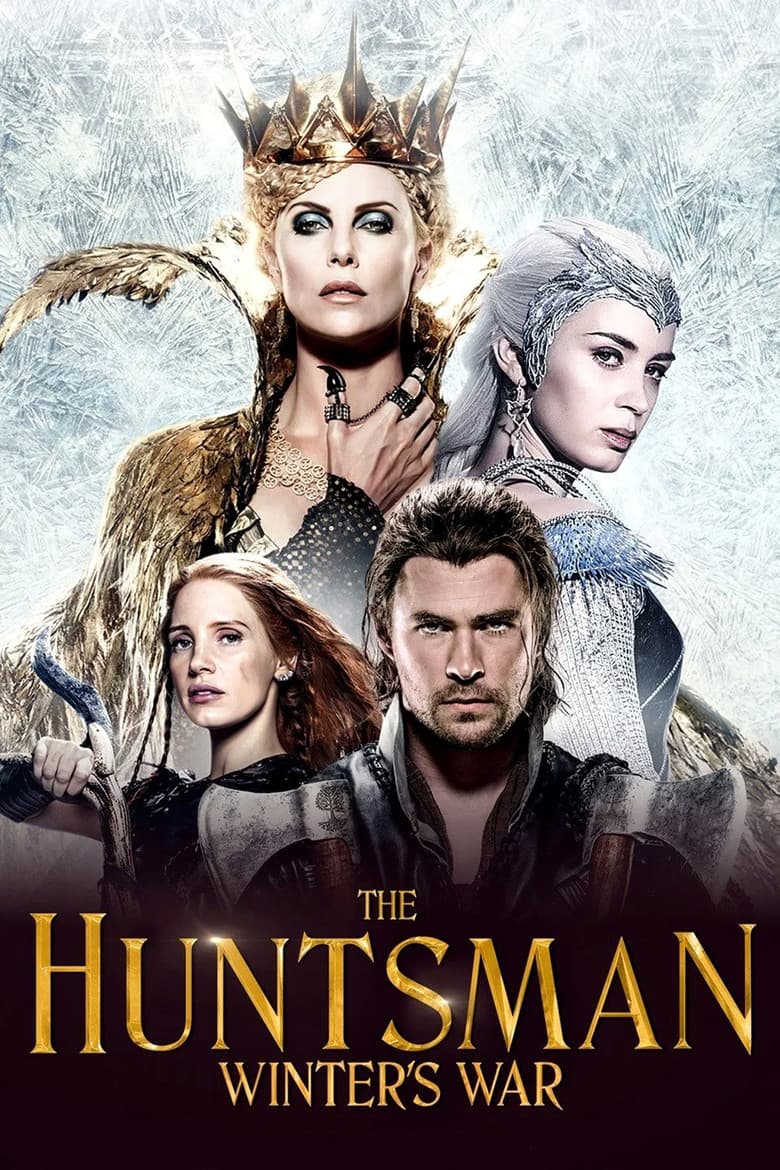
This movie is a fairy-tale adventure that mixes a prequel and a sequel. Freya loses her newborn child and her ice powers awaken, so she becomes a northern Snow Queen who bans love and builds a Huntsman army from stolen children. Young Eric and Sara fall in love, get separated by Freya's illusions, and later reunite to recover Ravenna's Magic Mirror. Ravenna returns from the Mirror, Freya learns the truth, and they destroy the Mirror before Freya dies at peace. The heart of the story is forbidden romance, sister betrayal, and love fighting a tyrant who rejects love.
The film shows strong female leads and sells itself as a story where women lead armies. Jessica Chastain plays warrior Sara as Eric's equal in combat, while Charlize Theron and Emily Blunt play dual queen villains. Supporting roles include female dwarves and a Black Huntsman named Tull. Cast and promo talk about equal opportunities and women in charge of their own destiny. There is no modern activist dialogue, no LGBTQ arc, and no attack on Western institutions. The girl-power tone is soft and visible, but the core stays classic love and redemption fantasy.
Community feedback
Was our 28% Woke rating accurate?
Breakdown
These are the editorial factors and ratings behind our score for The Huntsman: Winter's War.
Woke representation / casting
The film puts women front and center as dual queen villains, a warrior co-lead, female huntsmen, and female dwarves. Promo and cast openly sold women leading armies and equal opportunities. Leads still look like a standard European fairy-tale cast. Racial diversity shows up in support, not as a lead race swap.
34%
Woke political dialogue
Not present. Dialogue stays in fantasy register about love, betrayal, power, and the Mirror, with no modern activist lines on race, gender identity, systemic oppression, or culture-war politics.
0%
Identity-driven story themes
The story shows soft female agency and warrior equality, with romance resisting a loveless tyrant. Freya bans love because of trauma, not as queer or identity-liberation messaging. There is no race politics, patriarchy-as-system arc, or LGBTQ identity plot. The core stays classic love and redemption with a light girl-power texture.
22%
Western institutional / cultural critique
Not present. Conflict is evil queens and magical tyranny, not modern attacks on Christianity, the West, capitalism, whiteness, or traditional family as ideology.
0%
Woke character or canon changes
The film expands a Grimm and Snow Queen-inspired franchise with original Freya and Sara, female dwarves, and a mixed warrior army. It is not a high-profile race or gender swap of a fixed historical figure. The change is mild franchise gender-balance expansion only.
8%
Anti-woke backlash and complaints
Not present. No sustained right-leaning campaign treated the film as DEI propaganda. Public noise was quality, box office, Stewart's absence, and dwarf-casting craft disputes.
0%
Creator track record context
The director and most unit directors and producers score low on activist history. Writers are only mild on that scale. The main upward pull is casting director Lucy Bevan and her public inclusive-casting advocacy. Overall the key-creative footprint is light, not activist-driven.
18%
Production
Movie · 2025
After a family tragedy, kung fu prodigy Li Fong is uprooted from his home in Beijing and forced to move to New York City with his mother.
Movie · 2016
Clavius, a powerful Roman military tribune, and his aide, Lucius, are tasked with solving the mystery of what happened to Jesus in the weeks following the crucifixion, in order to…
Movie · 2016
A story of lost love, young love, a legendary sword and one last opportunity at redemption.

Movie · 2023
The ultimate wish-fulfillment tale of a teenage Gran Turismo player whose gaming skills won him a series of Nissan competitions to become an actual professional racecar driver.
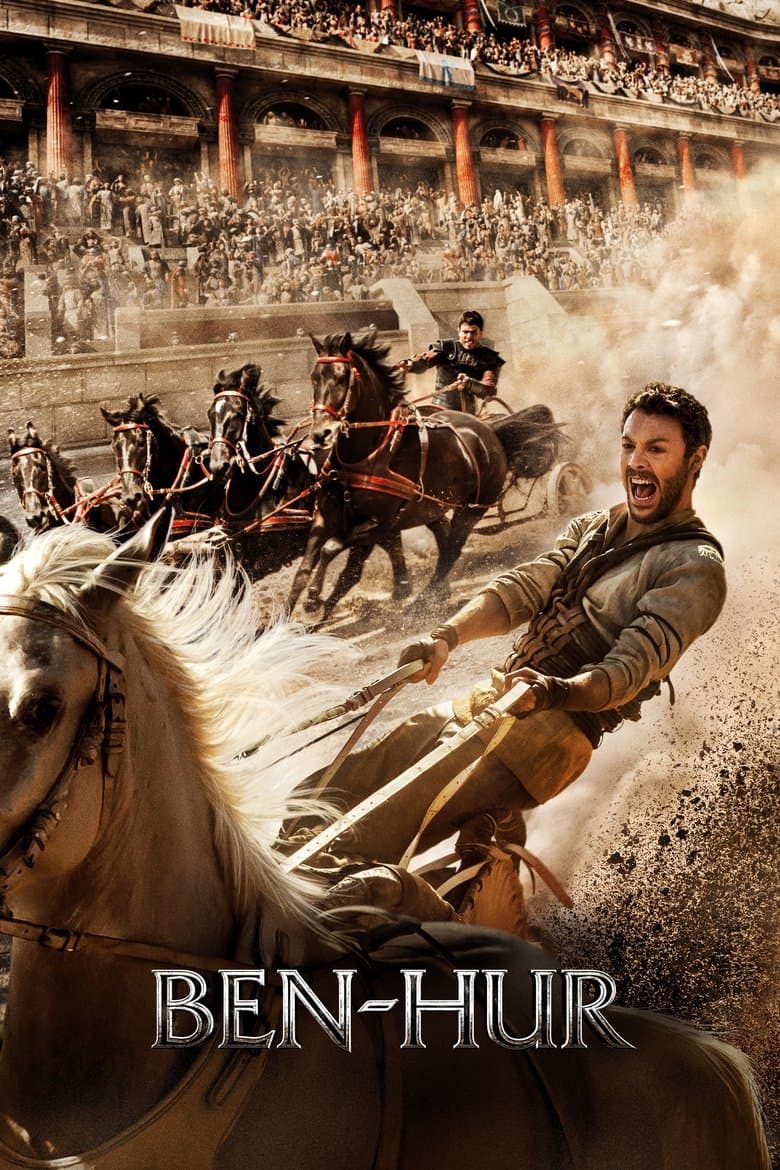
Movie · 2016
A falsely accused nobleman survives years of slavery to take vengeance on his best friend who betrayed him.
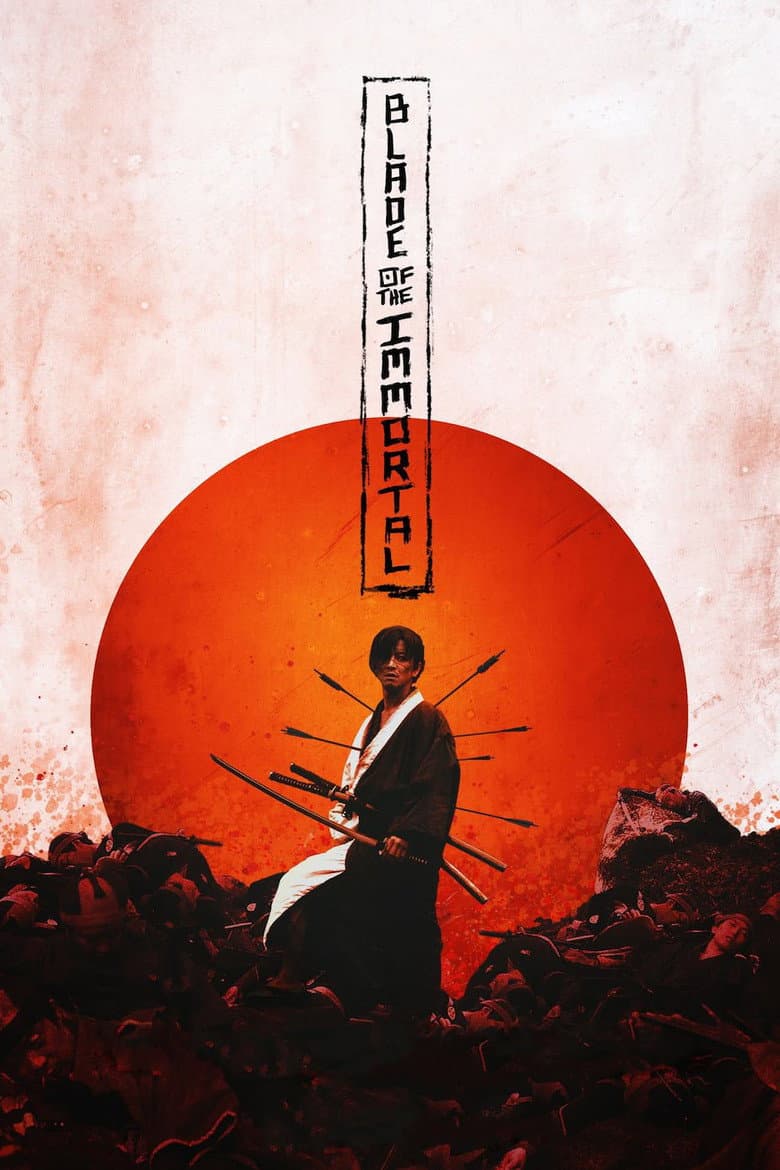
Movie · 2017
Manji, a highly skilled samurai, becomes cursed with immortality after a legendary battle. Haunted by the brutal murder of his sister, Manji knows that only fighting evil will…
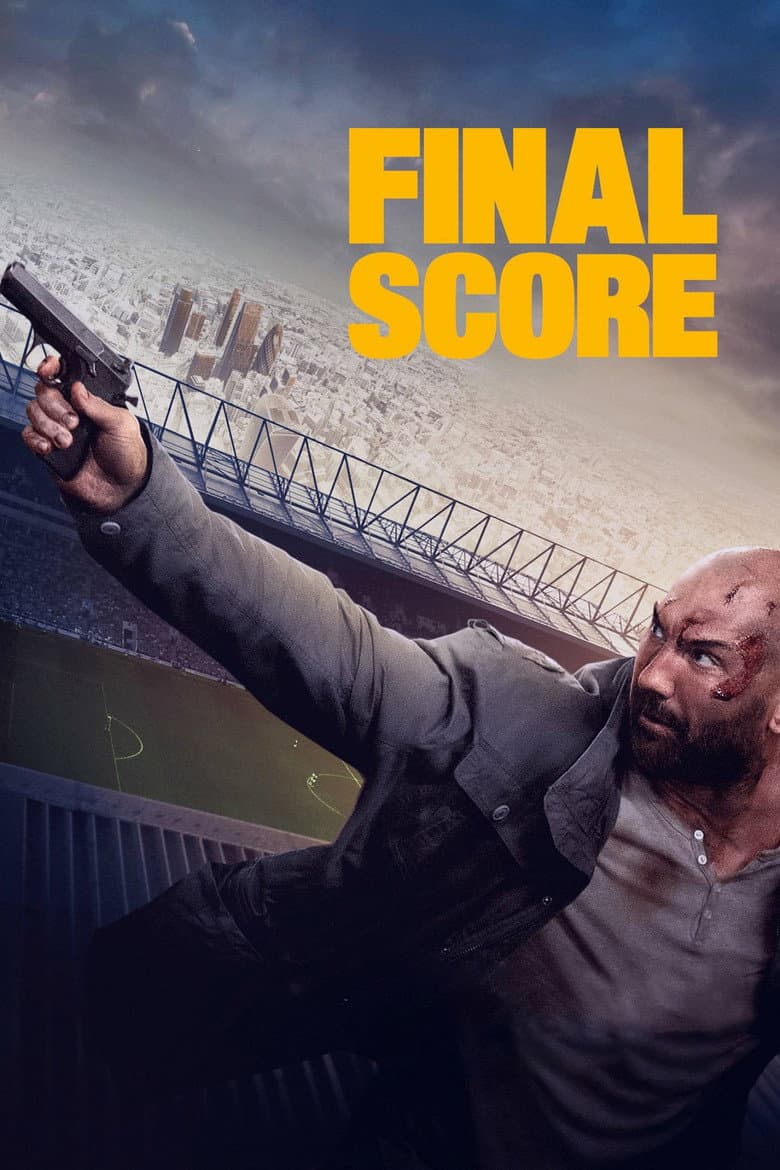
Movie · 2018
When a stadium is seized by a group of heavily armed criminals during a major sporting event, an ex-soldier must use all his military skills to save both the daughter of a fallen…
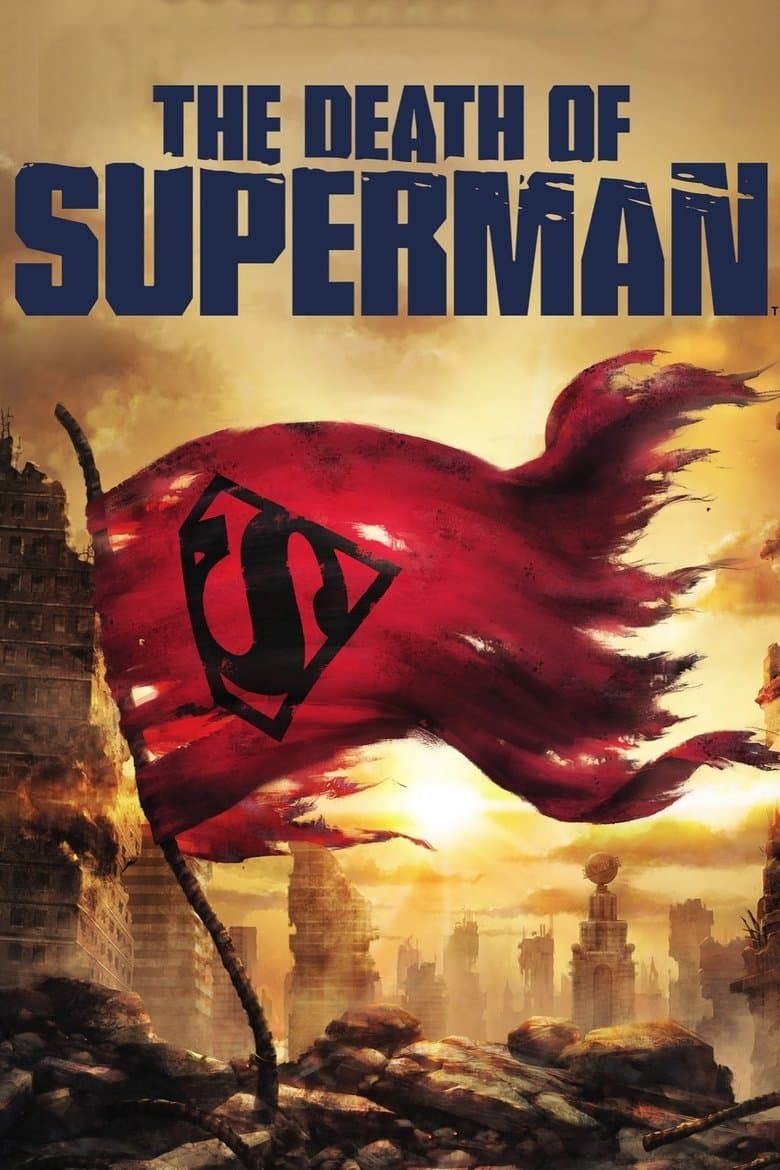
Movie · 2019
When a hulking monster arrives on Earth and begins a mindless rampage, the Justice League is quickly called in to stop it.
