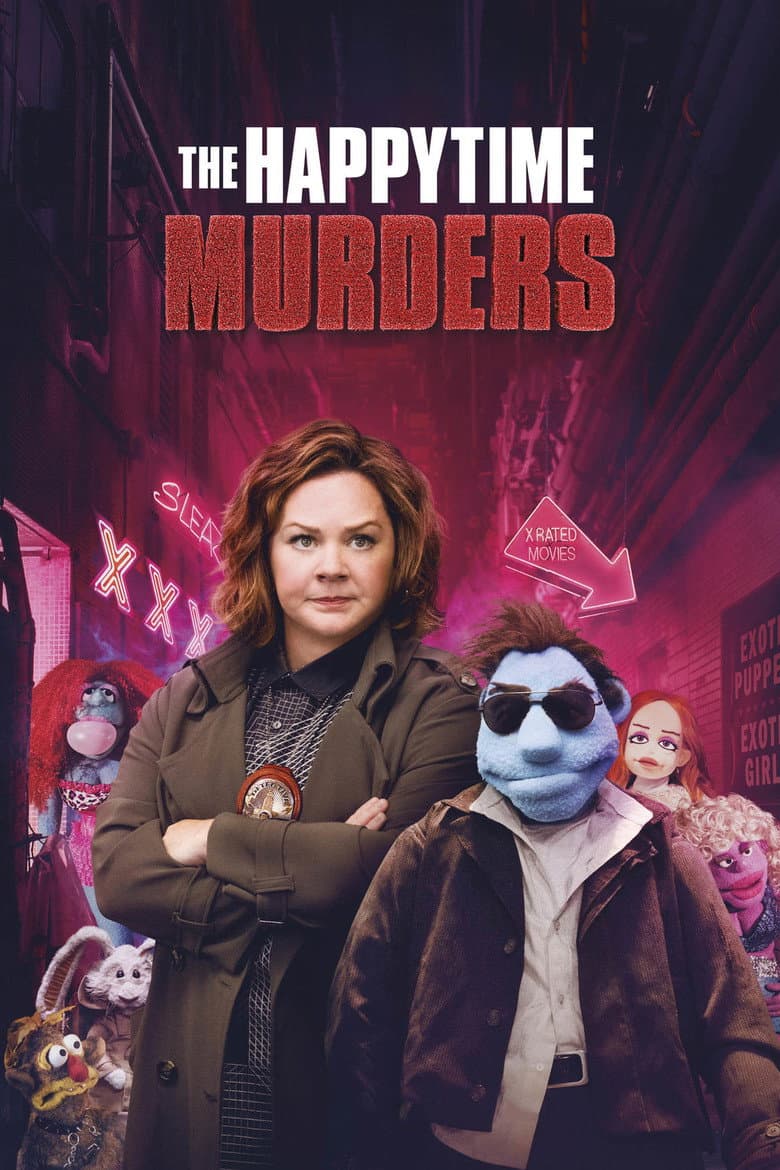
Phil Phillips is a puppet private investigator in Los Angeles, where humans and puppets live side by side. He was once the first puppet officer in the police department, but a failed shooting cost him his job and helped lead to a ban on puppet police. When former stars of the old television show The Happytime Gang are killed, Phil joins his former human partner, Detective Connie Edwards, to find the killer. The film mixes a gritty murder case with crude sex jokes, drug jokes, gore, and adult puppet humor.
The film makes the unfair treatment of puppets its main social idea. Humans insult and abuse puppets, police treat them as lesser citizens, and the story connects blue skin, profiling, and skin bleaching to racism and bias about skin color. Phil's guilt and his effort to clear his name also help restore the place of puppet officers. The film includes a female detective and two married women, but those details stay inside the crime story instead of becoming the main conflict.
Community feedback
Was our 55% Woke rating accurate?
Breakdown
These are the editorial factors and ratings behind our score for The Happytime Murders.
Woke representation / casting
Not present. The Los Angeles setting has a mixed human cast, including a female detective and black supporting characters, but the film does not frame those choices as a diversity program or identity statement. Its identity conflict is between humans and puppets, not the actors' real-world identities.
0%
Woke political dialogue
The opening calls Los Angeles a melting pot where people live in harmony despite color or creed. Characters use words such as “racist” while arguing about prejudice and identity. A female puppet also says “you live your truth” during a brief street scene. Connie forces a male puppet to apologize to women after he insults them. Most dialogue remains crude crime-story banter rather than a long political speech.
31%
Identity-driven story themes
The film makes puppet status the main social conflict. Humans insult and abuse puppets, police treat them as lesser citizens, and a law blocks them from becoming officers. Phil's failed attempt to protect Connie leads to the ban, and solving the murders helps restore the reputation of puppet cops. The story links this treatment to racism and bias about skin color through profiling jokes, blue-skin jokes, and a puppet bleaching his skin. The film uses the idea throughout, but crude comedy often weakens its serious message.
68%
Western institutional / cultural critique
The LAPD is shown beating and distrusting puppets, and a law bars them from police jobs. The story presents that system as unfair and lets Phil regain respect by solving the murders. The film also jokes about profiling and the idea that a puppet officer would not shoot another puppet. The film's critique of police and society is visible across the story, but the movie gives it little serious detail and often undercuts it with gross humor.
47%
Woke character or canon changes
Not relevant. The movie uses new puppet characters and a new fictional world. It does not change an established character, source story, or real historical figure to make an identity point.
0%
Anti-woke backlash and complaints
Not present. The supplied X research found no anti-woke reaction. Other coverage focused on crude humor, the Sesame Street lawsuit, and criticism of the film's race allegory, not claims that it pushed woke or DEI ideas.
0%
Creator track record context
Brian Henson's cached score is 1, and his record is mainly puppetry and entertainment. Todd Berger's cached score is 27, with no public activist history listed. Dee Austin Robertson's cached score is 42 because some past work focused on women and representation, but most of his work is commercial storytelling. Lisa Henson's cached score is 54 because she has backed diversity and LGBTQ causes, though she is a producer. The wider creator record is mixed and mostly non-activist.
25%
Production

Movie · 2016
Friends hatch a plot to retrieve a stolen cat by posing as drug dealers for a street gang.

Movie · 2020
American expat Mickey Pearson has built a highly profitable marijuana empire in London. When word gets out that he’s looking to cash out of the business forever it triggers plots…

Movie · 2025
Kat is an improv comedy teacher beginning to question if she’s missed her shot at success. When an undercover cop offers her the role of a lifetime, she recruits two of her…

Movie · 2025
When a job goes horribly wrong, an ex-cop and family man who moonlights as a mob henchman has one night to get his family out of the city.

Movie · 2017
The adventures of two California Highway Patrol motorcycle officers as they make their rounds on the freeways of Los Angeles.

Movie · 2024
Forty years after his unforgettable first case in Beverly Hills, Detroit cop Axel Foley returns to do what he does best: solve crimes and cause chaos.
Movie · 2024
A reformed criminal's attempt at going straight is derailed when he reunites with his sanity-testing twin brother on a road trip for the score of a lifetime.
Movie · 2019
JJ, aka John Shaft Jr., may be a cyber security expert with a degree from MIT, but to uncover the truth behind his best friend’s untimely death, he needs an education only his dad…
