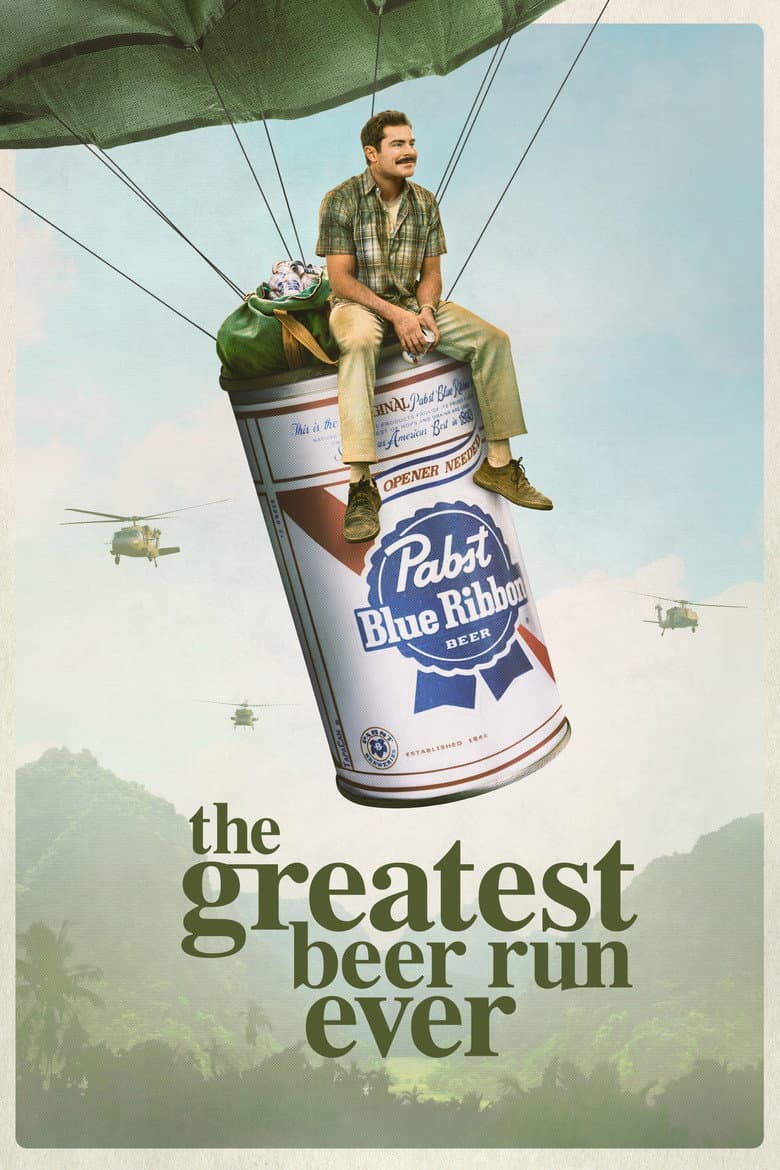
Chickie Donohue is a working-class New York guy in 1967. His friends from the neighborhood are fighting in Vietnam. He gets a wild idea: sail over and hand them cans of American beer so they know people back home still care. What starts as a bold, almost silly trip turns hard and scary once he sees the war up close. The tone mixes goofy buddy energy with real fear, death, and a young man growing up fast.
The story is mainly about friendship, loyalty, and learning that the war is uglier than TV said. Chickie begins as a strong war supporter and slowly doubts the official story after he sees combat, covers-ups, and bad leadership. His sister joins anti-war protests at home, and a reporter spells out how leaders and the news can lie. That politics is old-school “hate the war, respect the troops,” not modern race, gender, or queer identity messaging. Casting mostly follows the real Inwood friends and soldiers. Normal viewers will notice the anti-war and government-lies theme, but they will not see a DEI or identity lecture film.
Community feedback
Was our 23% Woke rating accurate?
Breakdown
These are the editorial factors and ratings behind our score for The Greatest Beer Run Ever.
Woke representation / casting
Lead and core friends match the real white working-class Inwood story. Supporting black, Latino, and Vietnamese roles appear in military and Saigon settings without girlboss arcs, quota-style leads, or identity lectures. Diversity is background and period-logical, not the point of the movie.
5%
Woke political dialogue
Clear anti-war talk: sister’s protests, “support the troops” bar speeches, and lines about government and TV lies. A reporter explains cover-ups. Viewers hear classical 1960s war politics, not modern race, gender, or queer activist slogans.
22%
Identity-driven story themes
Core themes are friendship, loyalty, growing up, and learning the war is messy and poorly led. Chickie’s change is about the war’s truth, not race, gender, sexuality, or identity-group politics as the story engine.
5%
Western institutional / cultural critique
The film criticizes U.S. war leadership, propaganda, and trust in official news during Vietnam. That is period history and classic anti-war framing (“bad leadership, not the soldiers”), not modern activist hits on whiteness, patriarchy, colonial guilt, or capitalism as identity systems.
28%
Woke character or canon changes
Not present in this title.
0%
Anti-woke backlash and complaints
No major right-leaning campaign treating the film as DEI, identity, or “too woke.” Complaints that exist focus on thin writing, tone, or war accuracy, not woke agenda.
0%
Creator track record context
Cached scores for key writers, producers, and craft leads are mostly low (roughly 0–22). Patterns lean mainstream commercial or classical labor/anti-war, not identity-first or DEI-driven creative agendas tied tightly to this film.
12%
Production
Movie · 2018
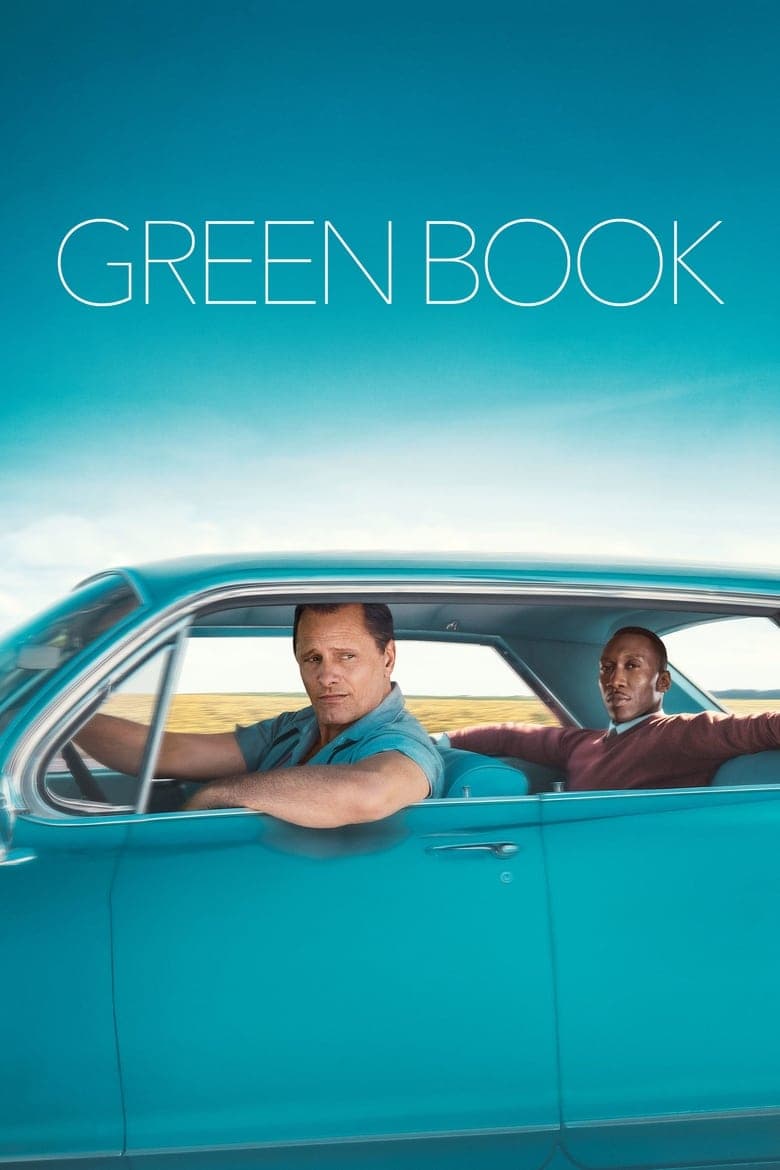
Tony Lip, a bouncer in 1962, is hired to drive pianist Don Shirley on a tour through the Deep South in the days when African Americans, forced to find alternate accommodations and…
Movie · 2023
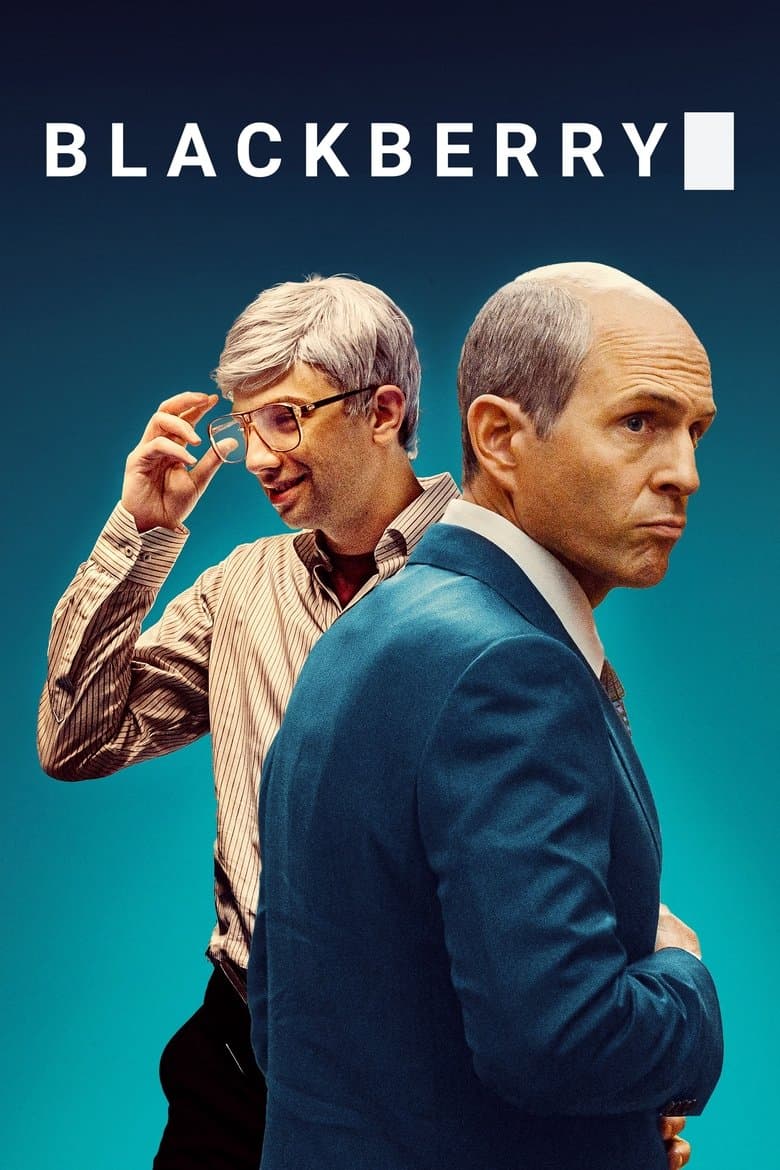
Two mismatched entrepreneurs – egghead innovator Mike Lazaridis and cut-throat businessman Jim Balsillie – joined forces in an endeavour that was to become a worldwide hit in…
Movie · 2017
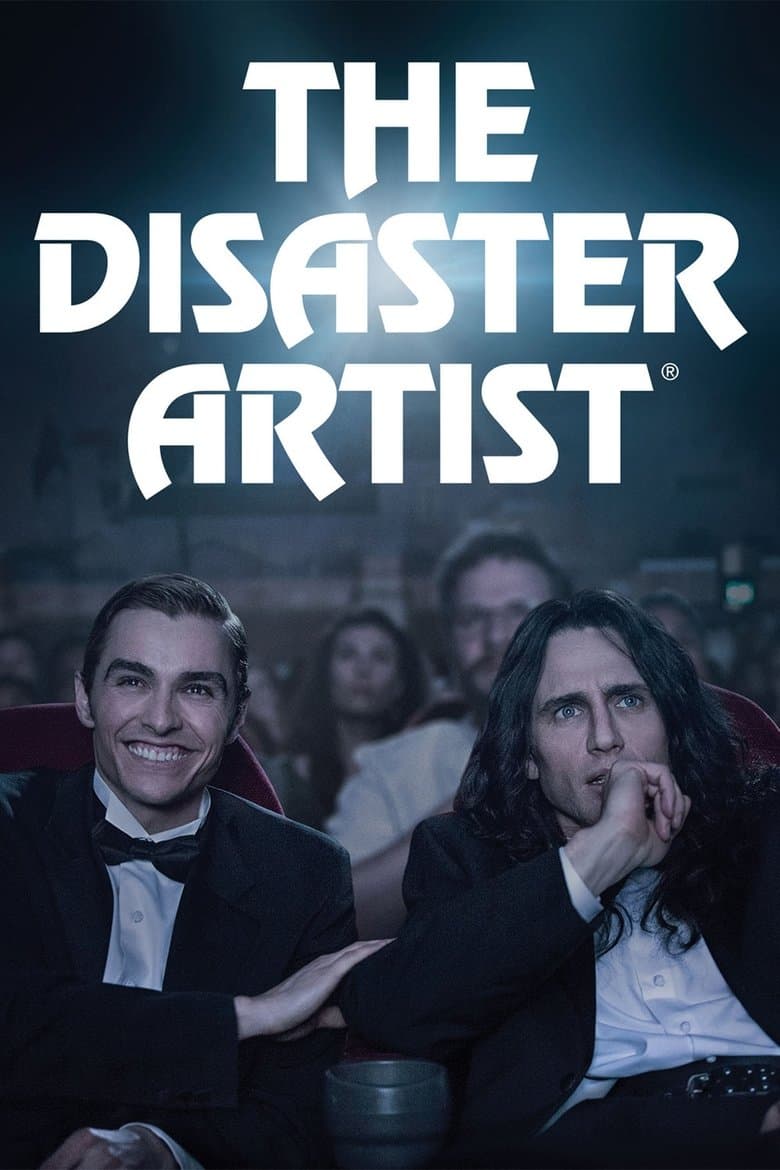
An aspiring actor in Hollywood meets an enigmatic stranger by the name of Tommy Wiseau, the meeting leads the actor down a path nobody could have predicted; creating the worst…
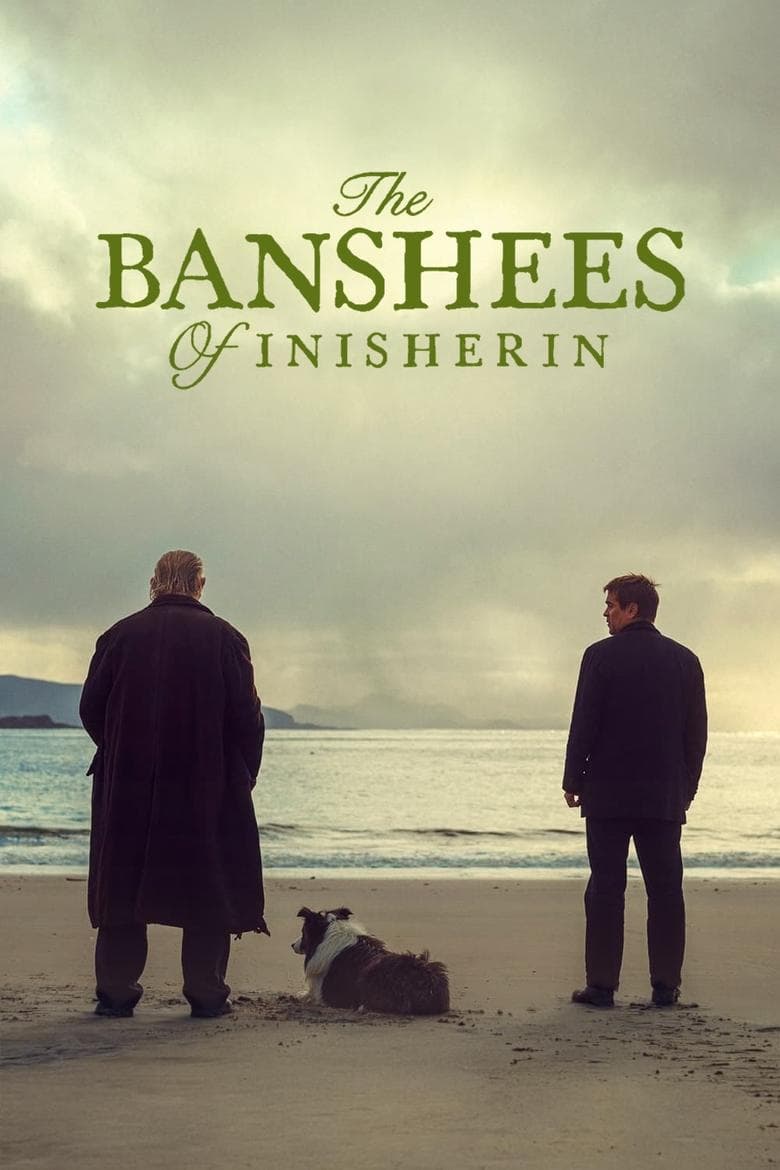
Movie · 2022
Two lifelong friends find themselves at an impasse when one abruptly ends their relationship, with alarming consequences for both of them.
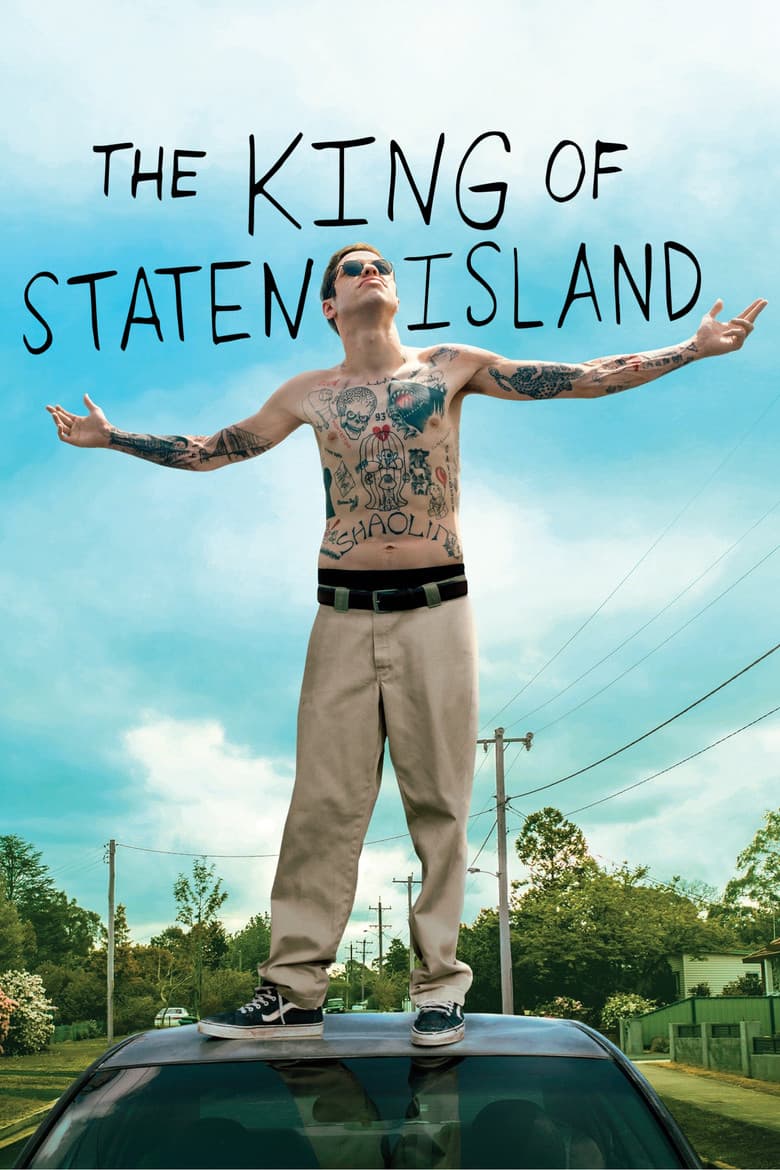
Movie · 2020
Scott has been a case of arrested development ever since his firefighter father died when he was seven. He's now reached his mid-20s having achieved little, chasing a dream of…
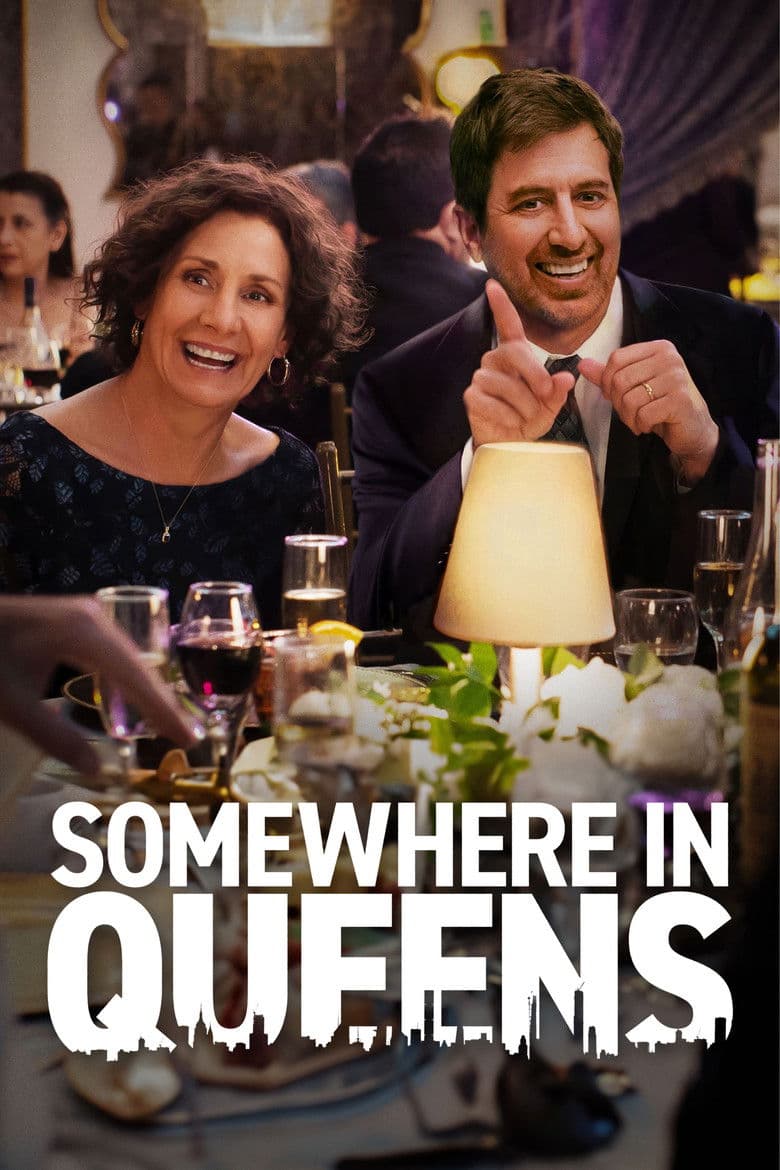
Movie · 2023
Leo and Angela Russo live a simple life in Queens, surrounded by their overbearing Italian-American family. When their son finds success on his high school basketball team, Leo…
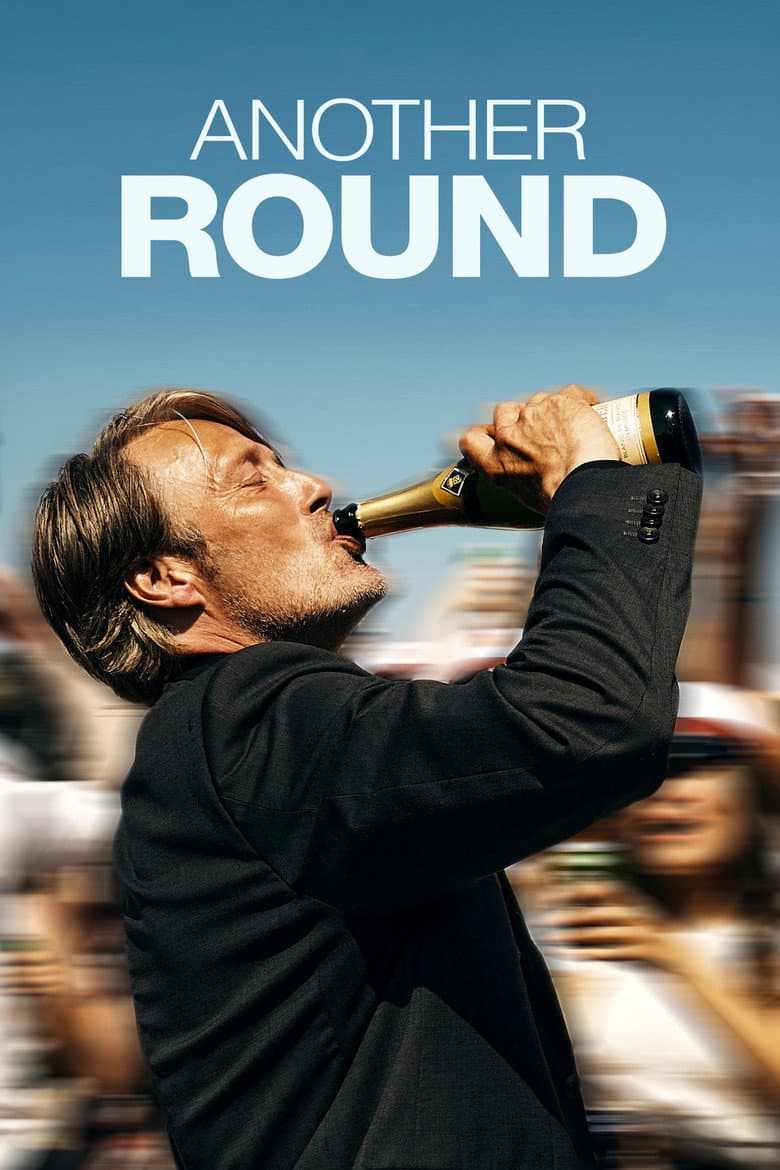
Movie · 2020
Four stagnant high school teachers decide to test out a theory that maintaining a constant level of intoxication will improve their overall lives.
Movie · 2024
Pansy is a woman so full of rage that every interaction she has devolves into lashing out, whether at her utterly cowed husband and son, or random strangers who have the temerity…
