
Movie review
Arthur Howitzer Jr. runs an American magazine office in a made-up French town. When he dies, his staff puts out one last issue. The movie turns three magazine stories into short films: a prisoner who paints, young people in a street revolt, and a chef who helps free a kidnapped boy. The tone is quirky, colorful, and carefully staged, like a living magazine page.
The main “woke” signals a normal viewer might notice are modest and sit inside one story more than the whole movie. Food writer Roebuck Wright is a black, gay American, loosely based on James Baldwin. He says he was once jailed for being gay, and he bonds with an immigrant chef as fellow outsiders. A middle story shows 1960s student protests (like France’s May 1968), full of youth politics and a manifesto, but it plays more like a stylish period farce than a modern identity lecture. Casting has some diversity in key parts, yet the film is still mostly a classic Wes Anderson ensemble of famous actors. There was no big anti-woke backlash; some left-leaning writers even said the movie was too soft on police and too white. Overall, identity and queer notes appear, but the movie is mainly about writers, style, and old-school journalism.
Community feedback
Was our 32% Woke rating accurate?
Breakdown
These are the editorial factors and ratings behind our score for The French Dispatch of the Liberty, Kansas Evening Sun.
Woke representation / casting
Cast is still mostly White Anderson regulars and stars. Clear identity-aware choice: Jeffrey Wright as a black gay Baldwin-inspired star journalist. Supporting diversity includes Lyna Khoudri, Stephen Park, and Benicio del Toro. Women writers (McDormand, Swinton) are major. Feels like deliberate literary casting more than a full quota lineup, but the black gay lead role is audience-visible and intentional.
30%
Woke political dialogue
Students talk revolution and rewrite a manifesto in a 1960s-style story. Lines about journalistic neutrality and foreigners as outsiders appear. Wright’s past jail time for homosexuality is stated plainly. Little modern activist sermonizing about race, gender systems, or DEI. May 1968 talk is classical left youth politics, not today’s identity script.
20%
Identity-driven story themes
Core film is journalism, art, and style. Stronger identity note in the Wright chapter: gay black expatriate writer, past punishment for being gay, shared “outsider” bond with an immigrant chef. Student chapter is youth revolt and romance, not a race/gender identity crusade. Confirmed LGBTQ content raises this factor under the rules; it is real but not the whole movie’s point.
36%
Western institutional / cultural critique
May 1968 segment shows youth vs. authority, but often as whimsy; a key line treats students and riot police as “in this together.” Left critics even called the film pro-cop. Art-world greed gets gentle satire. No strong modern package of anti-whiteness, patriarchy lectures, or colonial-guilt messaging.
18%
Woke character or canon changes
Not relevant. Original stories and composites inspired by real writers (Baldwin, Gallant, etc.), not ideology-driven swaps of known franchise or historical icons.
0%
Anti-woke backlash and complaints
No meaningful right-leaning or anti-woke campaign treating the film as DEI/propaganda. Public debate, when political, was more left-side “not radical / too white / pro-cop,” which is excluded from this score.
0%
Creator track record context
Key creatives’ cached scores are low. Anderson and co-writers are style- and craft-led with little activist or identity-politics record. Producers and casting leads likewise. Mildest uptick only from ordinary industry/Democratic-adjacent philanthropy, not a pattern of woke messaging.
8%
Production
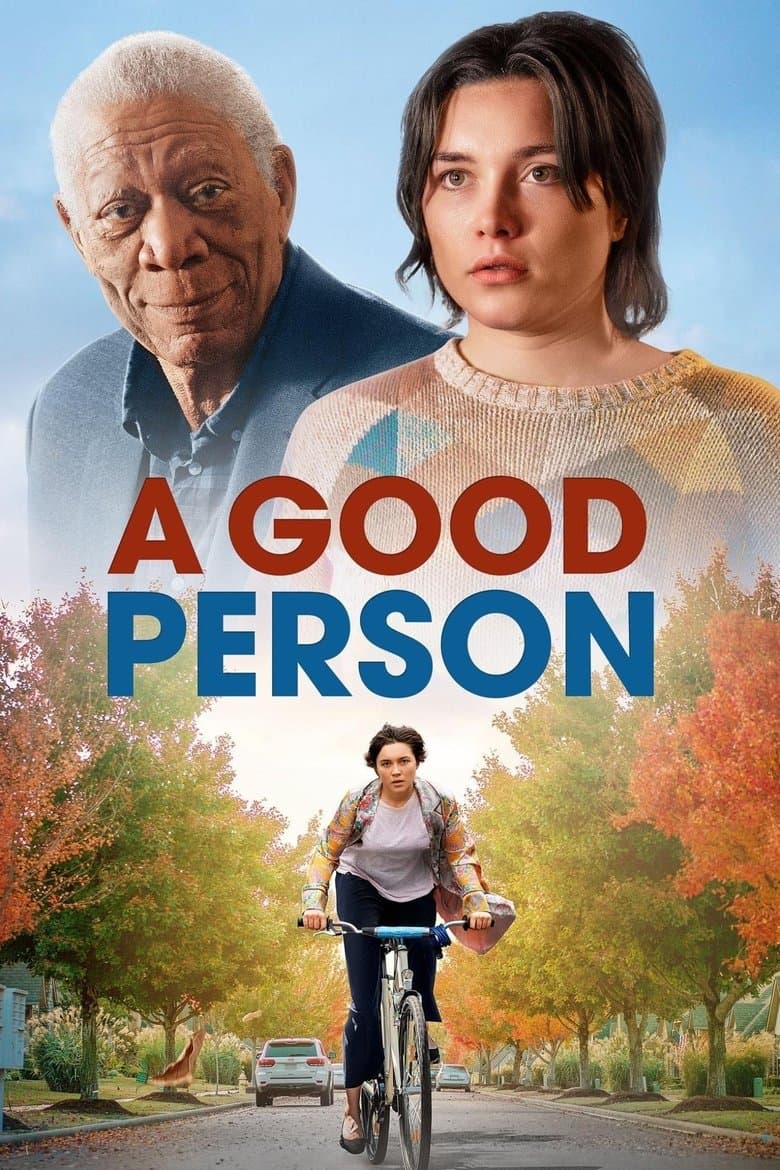
Movie · 2023
Allison's life falls apart following her involvement in a fatal accident. The unlikely relationship she forms with her would-be father-in-law helps her live a life worth living.
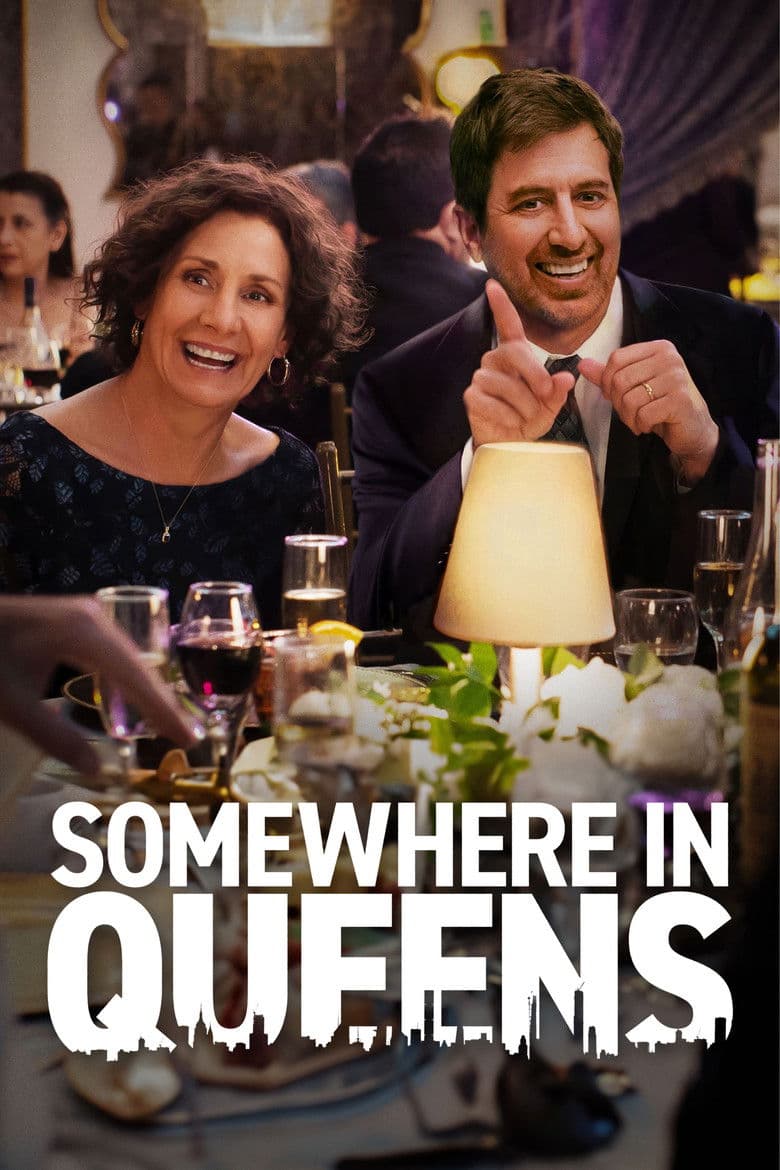
Movie · 2023
Leo and Angela Russo live a simple life in Queens, surrounded by their overbearing Italian-American family. When their son finds success on his high school basketball team, Leo…

Movie · 2024
Mismatched cousins David and Benji reunite for a tour through Poland to honor their beloved grandmother. The adventure takes a turn when the pair's old tensions resurface against…
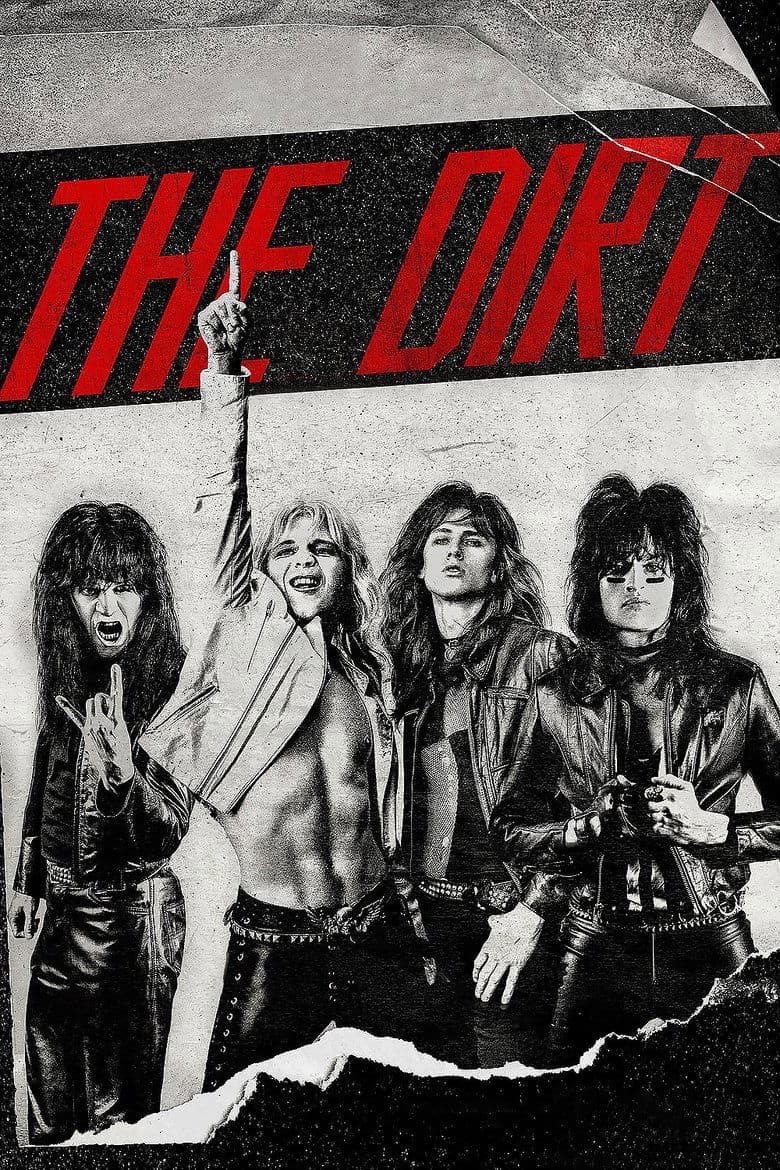
Movie · 2019
The story of Mötley Crüe and their rise from the Sunset Strip club scene of the early 1980s to superstardom.

Movie · 2017
An aspiring actor in Hollywood meets an enigmatic stranger by the name of Tommy Wiseau, the meeting leads the actor down a path nobody could have predicted; creating the worst…
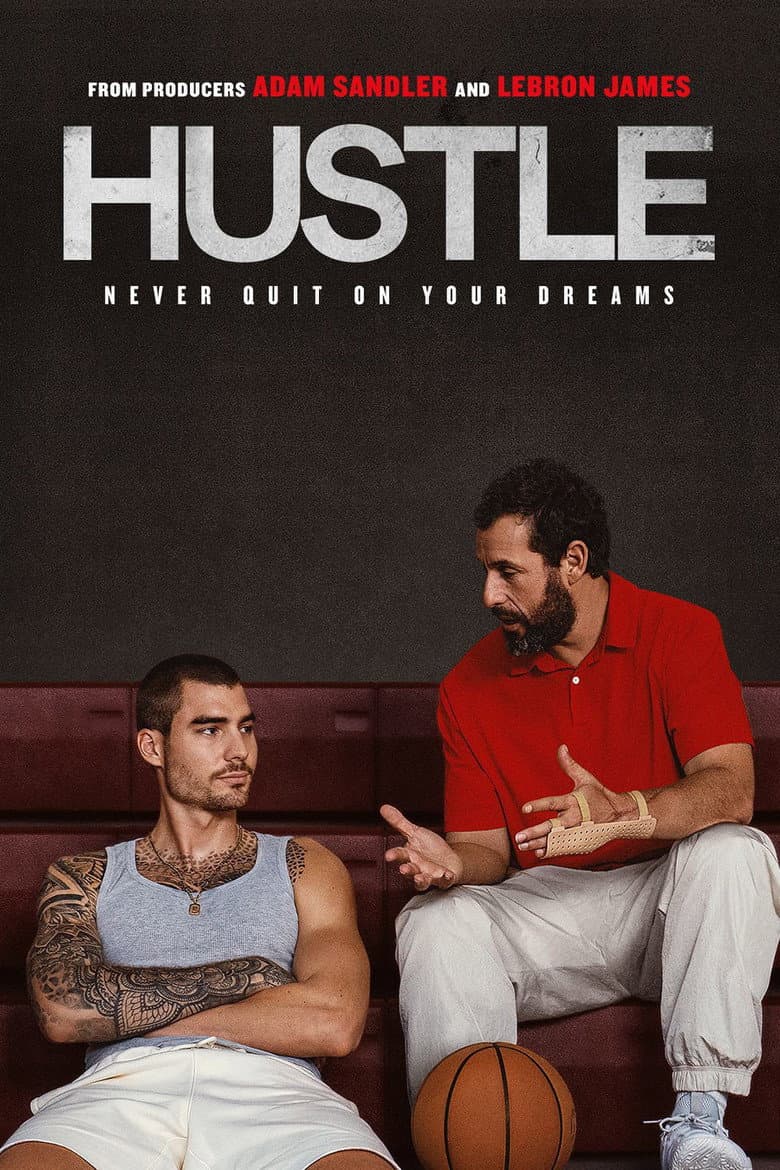
Movie · 2022
After discovering a once-in-a-lifetime player with a rocky past abroad, a down on his luck basketball scout takes it upon himself to bring the phenom to the States without his…

Movie · 2024
When a construction worker unexpectedly joins a local theater's production of Romeo and Juliet alongside his estranged teenage daughter, the drama onstage starts to mirror his own…
Movie · 2025
1984; Michael Larson, an unemployed ice-cream truck driver from Ohio, steps onto the game show "Press Your Luck" harboring a secret: the key to endless amounts of money.
