Movie review
July 23, 2025 · 115 min · PG-13 · Sci-Fi · Action · Adventure
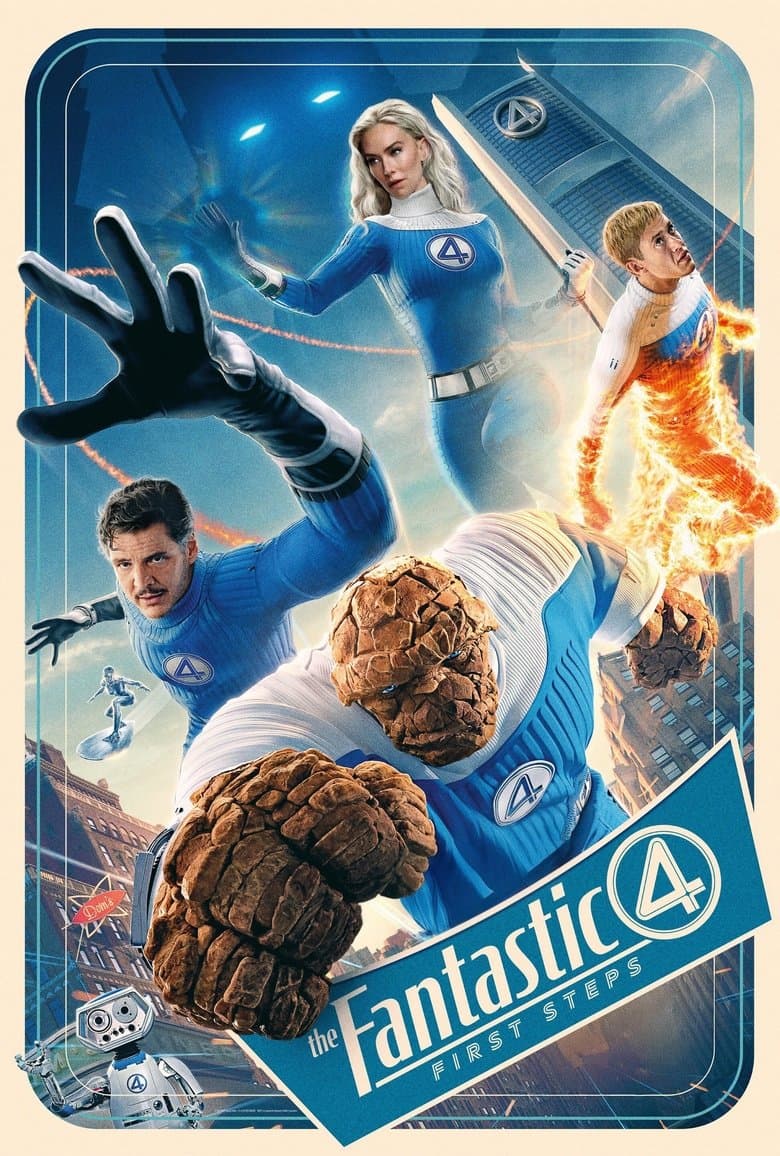
The movie is set on a retro-futuristic Earth inspired by the 1960s. The Fantastic Four already exist as a team when the story begins. They face Galactus and a female Silver Surfer named Shalla-Bal. Sue is pregnant, and Galactus wants her unborn child. The team refuses to trade one life to save the planet, and Sue’s force fields and public leadership drive the climax.
Viewers can see some modern identity-aware casting and character choices. Pedro Pascal plays Reed Richards after reports that the lineup was seen as too white and that role was used to diversify it. Julia Garner plays a female Silver Surfer, and Sue is shown as a major political and diplomatic leader who runs the Future Foundation and is tied to peace and demilitarization. Motherhood is framed as world-saving power, and Johnny’s womanizing is softened for modern culture. These choices are noticeable but sit under a family and parenthood story, not a full identity manifesto.
Community feedback
Was our 58% Woke rating accurate?
Breakdown
These are the editorial factors and ratings behind our score for The Fantastic 4: First Steps.
Woke representation / casting
The film uses some identity-aware casting without turning the core team into a one-of-each checklist. Pedro Pascal plays Reed after reports that the studio worried the lineup looked too white. Julia Garner plays a female Silver Surfer, and Sarah Niles appears as Future Foundation chief of staff, while Sue is shown as a major public leader. Ben Grimm’s Jewish casting follows long-running comics rather than a modern swap.
38%
Woke political dialogue
Coverage does not show long speeches about race, gender, or queer identity. There is light progressive-utopian framing through Sue’s Future Foundation, global demilitarization, and peace. Lines about family as something larger than yourself fit mild liberal idealism rather than hard activist talk.
12%
Identity-driven story themes
The main arc is classic family and parenthood under a cosmic threat, not systemic racism, queerness, or colonial guilt. A clear second layer raises Sue as the emotional and diplomatic leader and frames motherhood as world-saving power. Johnny’s womanizing is softened for modern culture, and the female Surfer’s plot also ties to protecting a homeworld. Viewers will notice the female-leadership update, but the movie is not built as an identity manifesto.
32%
Western institutional / cultural critique
The film softens militarism and updates old male womanizing and passive Sue roles. It does not mount a long attack on Christianity, capitalism, or “whiteness.” Some anti-woke reviewers say Reed is sidelined while Sue becomes flawless, but mainstream plot coverage still treats Reed as the scientific mind and the story as family first.
18%
Woke character or canon changes
The biggest scored change is Silver Surfer as female Shalla-Bal instead of the classic male Norrin Radd most audiences expect. Many read that as a gender swap of the iconic herald even though Shalla-Bal exists in comics and this is Earth-828. Sue’s stronger leadership and Johnny’s softer romance are modern updates with some comic roots. Jewish Ben Grimm is comic fidelity, not a DEI rewrite.
48%
Anti-woke backlash and complaints
There was clear multi-angle anti-woke and anti-DEI pushback. Critics attacked the female Surfer, Sue-as-girlboss framing, actor gender-politics quotes, Pascal’s casting, and reports that Feige called the lineup too white. That reaction showed up in mainstream and right-leaning commentary. The film was still well reviewed and a big hit near $522M, so the backlash was strong but not total.
52%
Creator track record context
Feige and casting director Sarah Halley Finn have higher cached diversity-priority scores that line up with the reported Reed push and female Surfer. Director Matt Shakman and the credited writers have low activist identity track records. Shakman’s publicity stays on family, comics, and design. A studio DEI pattern is present, but the key director and writers are not activist figures.
34%
Production
Movie · 2017
The Guardians must fight to keep their newfound family together as they unravel the mysteries of Peter Quill's true parentage.

Movie · 2026
Fighting crime full-time as Spider-Man in a world that doesn't remember him—and the pressure of seeing his old friends move on without him—sparks a change in Peter Parker he may…
Movie · 2021
In a time when monsters walk the Earth, humanity’s fight for its future sets Godzilla and Kong on a collision course that will see the two most powerful forces of nature on the…
Movie · 2018
As the Avengers and their allies have continued to protect the world from threats too large for any one hero to handle, a new danger has emerged from the cosmic shadows: Thanos.
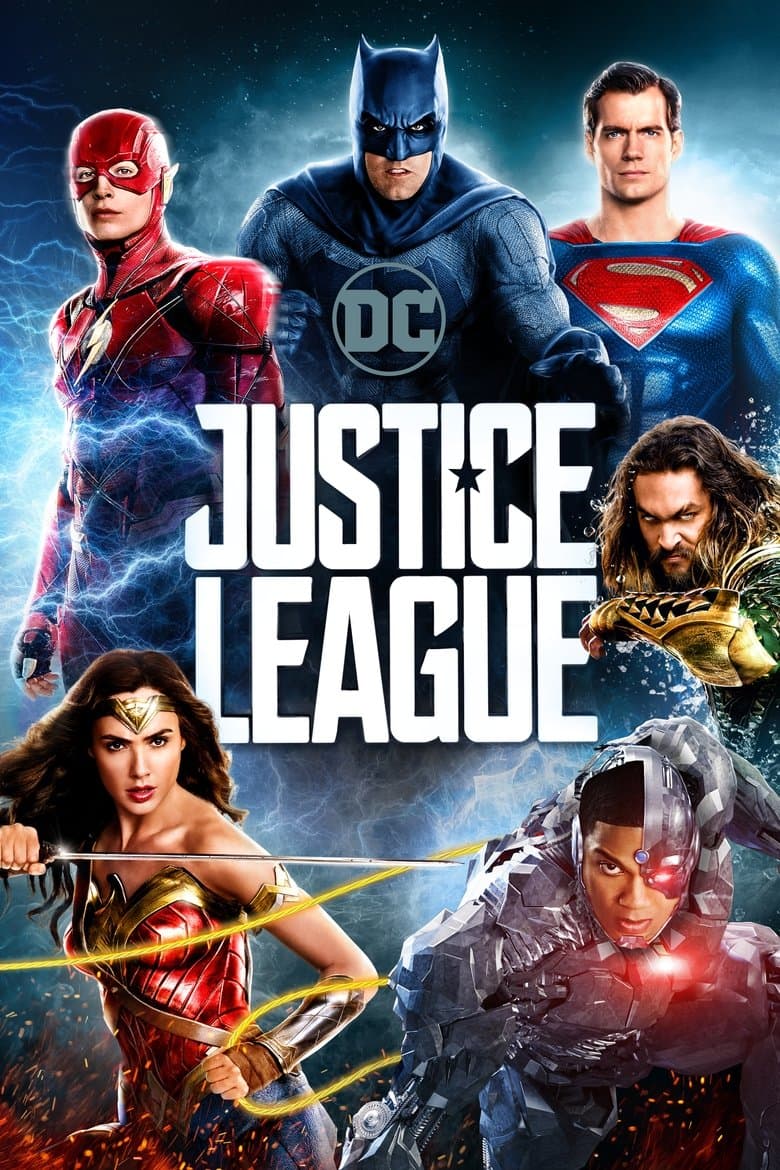
Movie · 2017
Fuelled by his restored faith in humanity and inspired by Superman's selfless act, Bruce Wayne and Diana Prince assemble a team of metahumans consisting of Barry Allen, Arthur…

Movie · 2024
Several generations following Caesar's reign, apes – now the dominant species – live harmoniously while humans have been reduced to living in the shadows.

Movie · 2026
The evil Empire has fallen, and Imperial warlords remain scattered throughout the galaxy. As the fledgling New Republic works to protect everything the Rebellion fought for, they…

Movie · 2010
Cobb, a skilled thief who commits corporate espionage by infiltrating the subconscious of his targets is offered a chance to regain his old life as payment for a task considered…
