
The story follows a woman known only as Woman, who gives birth to her first child just as floodwaters cover London. She leaves with her newborn son, Zeb, and her partner R, but the family is soon split apart by the worsening disaster. Woman travels through a damaged England, moving between family homes, crowded shelters, dangerous roads, and a remote island community while she looks for safety and a way forward. The film stays quiet and serious, with fear, grief, brief moments of warmth, and a small sense of hope instead of large action scenes.
The film makes new motherhood its main lens for a climate disaster and treats the flood as both a real danger and a picture of how much a new parent’s life can change. Woman faces birth, pain, hunger, fear, separation, and the daily work of keeping a baby alive while she learns who she is as a mother. Her bond with O, another mother she meets during the journey, gives the story a strong focus on female friendship, care, and support between women. The film shows family breakdown, refugee camps, scarce supplies, violence, and unequal safety, but it offers little direct political debate or detailed blame for the wider crisis.
Community feedback
Was our 51% Woke rating accurate?
Breakdown
These are the editorial factors and ratings behind our score for The End We Start From.
Woke representation / casting
Woman is the lead, and O is a major ally whose bond with her shapes the journey. Interviews and marketing stress a woman’s view of birth, the body, female friendship, and women seeing themselves on screen. The film does not show an obvious race or gender mismatch for modern Britain, so the casting signal is noticeable but limited.
30%
Woke political dialogue
Most speech deals with birth, fear, hunger, family, and survival. One short exchange jokes about a rich island commune and says its founder left stock-market work after asking whether that life had meaning. That exchange gives the film a brief anti-elite and anti-capitalist tone, but it does not become a repeated political message.
24%
Identity-driven story themes
The film repeatedly makes new motherhood the lens for the disaster. Birth, the after-birth body, female fear, and care work drive Woman’s choices from beginning to end. Her friendship with O gives the film a recurring women-supporting-women theme outside romance. The story gives this female-centered view real emotional weight, but it does not turn Woman into an unbeatable girlboss or make gender politics its main argument.
50%
Western institutional / cultural critique
The film links the flood to a wider environmental crisis and shows broken public services, crowded shelters, raiders, and unequal access to safe places. A short conversation mocks an island commune of rich people and describes a former stock worker leaving that life after questioning its meaning. The film does not name conservatives, patriarchy, Christianity, or a specific Western institution as the enemy. The critique is brief and stays behind the personal survival story.
30%
Woke character or canon changes
Not relevant. The film adapts a novel, but it does not change a known character, canon, or historical figure in an identity-related way.
0%
Anti-woke backlash and complaints
Not present. The separate X pass found no anti-woke reaction, and other audience posts focused on slow pacing, weak tension, and the plot. No major news report or review treated the film as DEI or identity-politics propaganda.
0%
Creator track record context
Alice Birch has a strong feminist and social-justice pattern in her earlier work. Mahalia Belo and Megan Hunter mainly bring women, motherhood, family, and environmental themes. Jodie Comer and Benedict Cumberbatch have backed female-led stories and gender-equality causes. This gives the project a clear creator track record signal, though the film is quieter than Birch’s most openly activist work.
58%
Production
Movie · 2017
Paul is a down-on-his-luck screenwriter who picks up a drifter and offers him a place to stay. However, when the deranged stranger takes Paul hostage and forces him to write…
Movie · 2020
Nothing is as it seems when a woman experiencing misgivings about her new boyfriend joins him on a road trip to meet his parents at their remote farm.
Movie · 2023
Following the brutal murder of a young real estate agent, a hardened detective attempts to uncover the truth in a case where nothing is as it seems, and by doing so dismantles the…

Movie · 2016
Maureen, mid-20s, is a personal shopper for a media celebrity. The job pays for her stay in Paris, a city she refuses to leave until she makes contact with her twin brother who…

Movie · 2022
Mike and Kate, a young couple, get the once-in-a lifetime chance to win a cool five million dollars. The challenge: Live for 50 days in a blank space.
Movie · 2022
A well-to-do husband who allows his wife to have affairs in order to avoid a divorce becomes a prime suspect in the disappearance of her lovers.

Movie · 2016
When his girlfriend goes missing, David must track down her whereabouts after he realizes she's not who she was pretending to be.
Movie · 2022
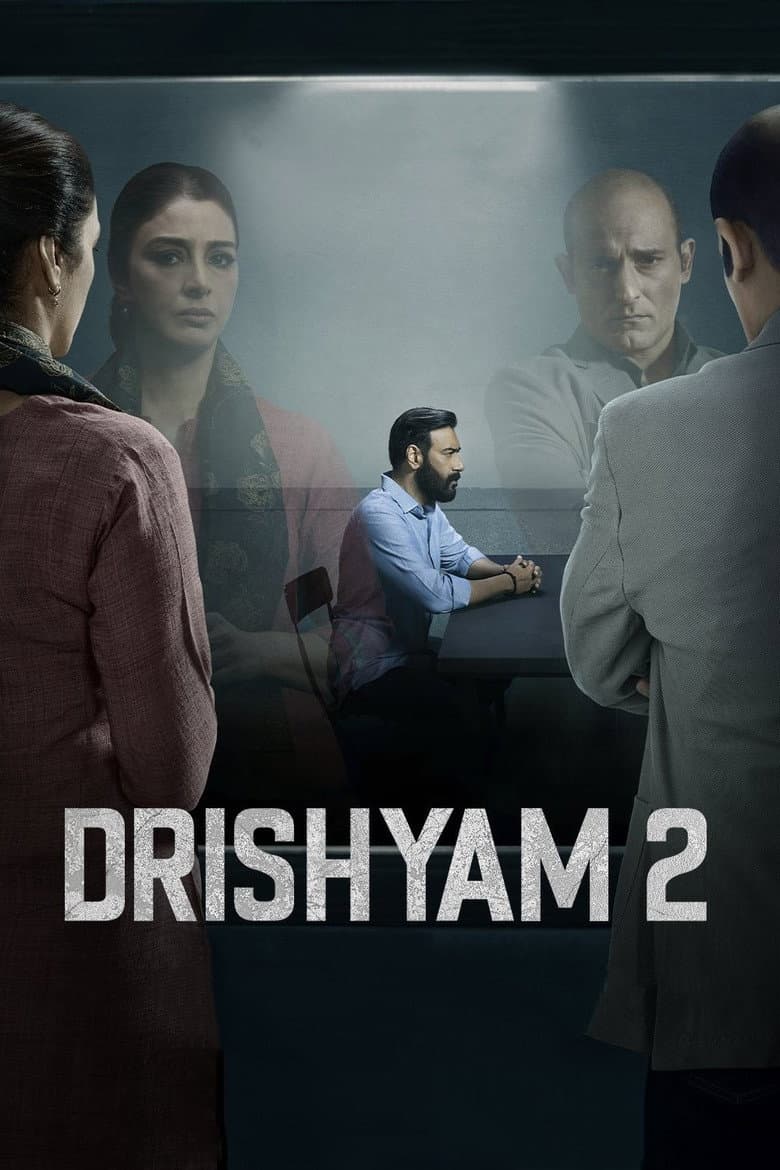
7 years after the case related to Vijay Salgaonkar and his family was closed, a series of unexpected events bring truth to light that threatens to change everything for the…
