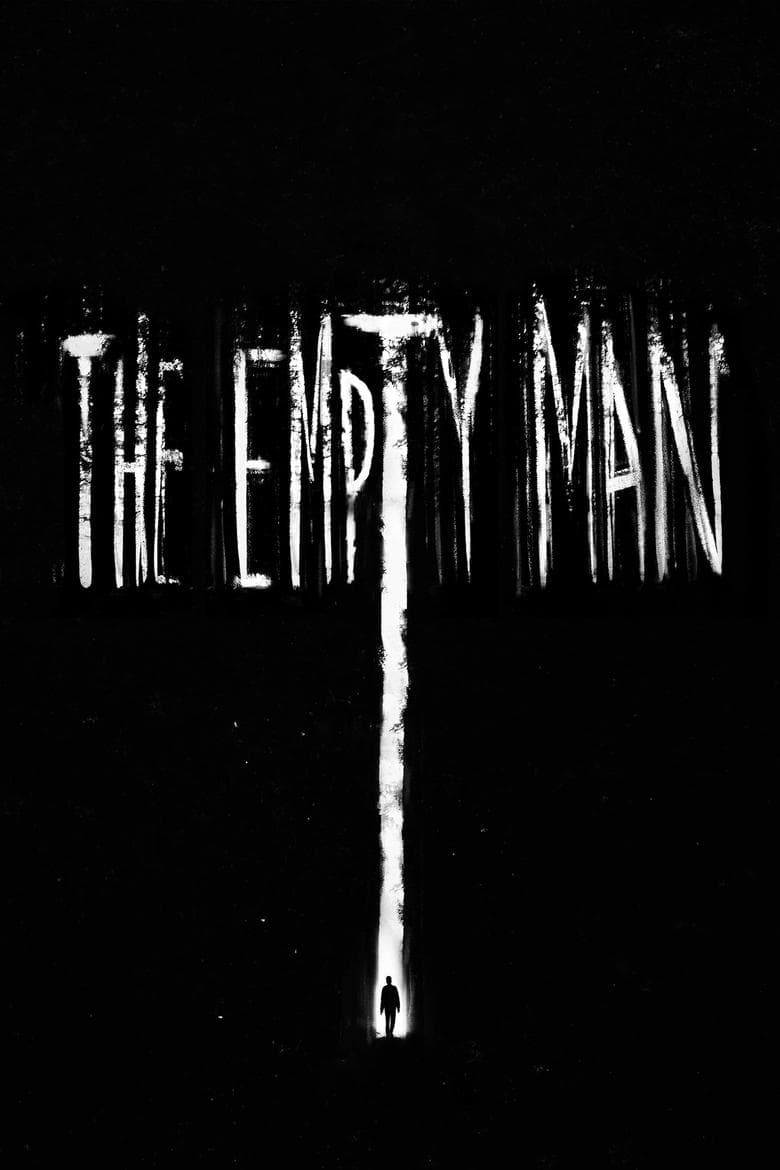
On the trail of a missing girl, James Lasombra returns to police work after the deaths of his wife and son. He searches a small Midwestern town for clues about a teenage bridge ritual linked to the Empty Man. His case leads him to the Pontifex Institute, a secretive group that wants to summon a terrifying entity. The film shifts from urban-legend horror to a slow mystery and then to bleak supernatural terror.
One short section shows the Pontifex group using questions about gender, science, and fixed ideas of right and wrong. The film gives these ideas to a dangerous cult, not to a hero the audience is asked to admire. The ideas support the warning about belief and control, but they do not drive James’s search. The main story stays focused on grief, false memories, mind control, and the fear that life has no clear meaning.
Community feedback
Was our 19% Woke rating accurate?
Breakdown
These are the editorial factors and ratings behind our score for The Empty Man.
Woke representation / casting
Not present. The film uses a mixed modern American cast, but it does not frame race, gender, or diversity as a message. The lead role is a white male ex-cop, and the other identities serve the mystery.
0%
Woke political dialogue
Arthur Parsons rejects fixed ideas of right and wrong and calls them tools that divide people. The Pontifex questionnaire questions fixed gender categories and presents science as a possible form of control. The film puts these ideas inside a dangerous cult, so the material is clear but mostly limited to one Pontifex sequence.
25%
Identity-driven story themes
The cult’s written material treats gender as less fixed than ordinary social rules. The film links that view to questions about knowledge, identity, and rational thought. The material appears in one short section and does not drive James’s grief, investigation, or final change.
14%
Western institutional / cultural critique
Not present. The cult attacks shared rules and meaning, but it does not build a modern activist critique of Christianity, capitalism, patriarchy, or conservative family life. The film treats the group as a supernatural cult and warns about nihilism.
0%
Woke character or canon changes
Not relevant. The movie changes the comic’s plot and characters, but it does not make an identity-driven change to established characters.
0%
Anti-woke backlash and complaints
Not present. Public complaints focus on the movie’s long runtime, confusing plot, occult ideas, and weak release. No major complaint says the film pushes woke, DEI, or identity politics messaging.
0%
Creator track record context
Producer Ross Richie has publicly promoted more gender, racial, and LGBTQ+ representation through BOOM! Studios. Writer-director David Prior’s public work centers on horror craft and gives no activist pattern. Writer Cullen Bunn and producer Stephen Christy also have no strong identity-driven record. This creates a mild creator-context signal, while the film itself is not sold as a diversity project.
16%
Production
Movie · 2023
Between the events of 'Saw' and 'Saw II', a sick and desperate John Kramer travels to Mexico for a risky and experimental medical procedure in hopes of a miracle cure for his…
Movie · 2024
After the brutal murder of her twin sister, Darcy goes after those responsible by using haunted items as her tools for revenge.
Movie · 2018
Following the death of the Leigh family matriarch, Annie and her children uncover disturbing secrets about their heritage.
Movie · 2019
When a 12-year-old boy goes missing at a local park, a detective investigates the case to help the boy's family find answers.
Movie · 2021
Paranormal investigators Ed and Lorraine Warren encounter what would become one of the most sensational cases from their files.
Movie · 2026
In a post-apocalyptic future where an event known as "The Quiet Rapture" caused all known stars and habitable planets in the universe to disappear, a convict is sent to search an…
Movie · 2025
A woman's obsessive search for her missing sister leads her into a terrifying mystery at the hands of an unknown evil.
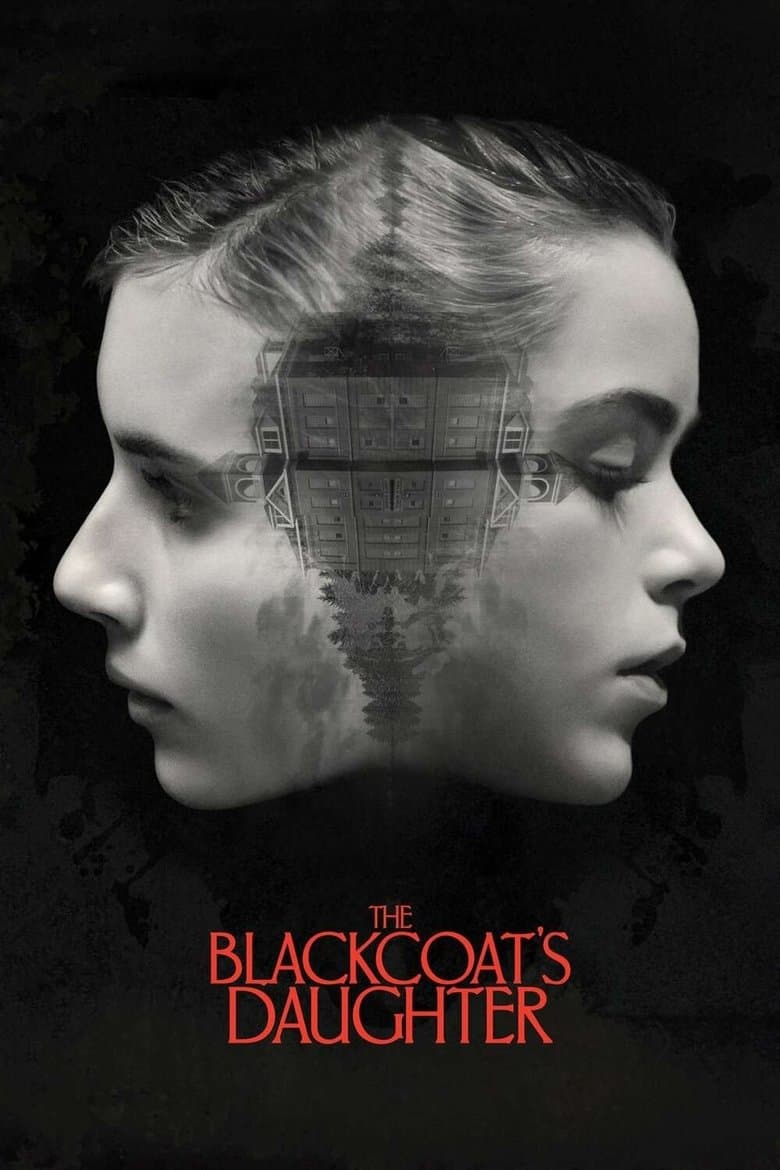
Movie · 2017
Two young women at a prestigious prep school are assailed by an evil, invisible power when they're stranded over winter break.
