
Jackie Burke is a 67-year-old insult comic who became famous as the star of an old television sitcom. He is angry that fans still want his old catchphrase, while clubs and managers see him as washed up. After Jackie attacks a heckler, a judge sends him to jail and then to community service at a New York soup kitchen. The rough story follows Jackie through comedy clubs, family events, and Florida as he tries to work again and avoid the damage he caused.
The clearest identity-related element is a family wedding between Brittany and Frankie, two women who are treated as a real couple. Jackie says that gay people can marry and jokes about same-sex divorce, but the wedding is one short subplot rather than the film's main subject. Harmony also faces an unexpected pregnancy and chooses to keep the baby after remembering how her mother left her. Most of the story deals with crude humor, loneliness, failed family ties, fatherhood, and Jackie's attempt to find a place in a changing comedy business.
Community feedback
Was our 17% Woke rating accurate?
Breakdown
These are the editorial factors and ratings behind our score for The Comedian.
Woke representation / casting
The film shows Brittany and Frankie as a same-sex couple at a major family wedding. Their relationship is important to that event, but it appears mainly in one subplot. The rest of the main cast fits a New York comedy and family story, and the film does not use a broad diversity-first casting message.
12%
Woke political dialogue
Jackie and his family talk about Brittany marrying Frankie, and one line says that gay people can marry. Jackie jokes about same-sex divorce and uses anti-gay insults during his wedding routine. The film also includes a brief complaint about a man receiving less community service than a woman. These lines stay in jokes and family talk, and they do not become a repeated political argument.
18%
Identity-driven story themes
The film treats Brittany and Frankie's marriage as a family event and lets Jackie praise their love after his crude jokes. Harmony's pregnancy gives the story a short question about motherhood, choice, and fatherhood. The main arcs follow Jackie's aging, loneliness, family guilt, and return to comedy. The identity material supports side scenes but does not control the story.
16%
Western institutional / cultural critique
Not present. The film mocks a reality television company, a rich developer, and the comedy business. The story keeps those targets personal and comic, without a modern activist attack on capitalism, patriarchy, Christianity, or Western institutions.
0%
Woke character or canon changes
Not relevant. The movie is an original story about fictional characters. It does not change a known character, source story, or real historical figure.
0%
Anti-woke backlash and complaints
Not present. The X research pass found no anti-woke posts, complaints, or boycott talk. Mainstream reviews and news reports discussed crude humor, weak plotting, and the film's uneven romance rather than woke or DEI messaging.
0%
Creator track record context
Taylor Hackford's wider record centers on mainstream dramas, music work, and labor advocacy. Jeff Ross is mainly known for roast comedy, and Richard LaGravenese is linked to human stories across differences. The other key writers and producers show no clear recurring DEI or activist pattern. This gives the title a low creator track record signal.
12%
Production
Movie · 2016
A comedy that follows a group of friends as they navigate their way through the freedoms and responsibilities of unsupervised adulthood.
Movie · 2016
Two teenage boys from inner-city Cork steal bicycles and ride off on a 160km quest to find an unrecovered bale of cocaine worth 7,000,000 euros.
Movie · 2024
Inseparable best friends AJ and Moose decide to run the local pool's snack shack after their plan to sell home-brewed beer goes down the drain.
Movie · 2018
Outspoken as ever, comedian Joe Rogan takes on politics, pro wrestling, pot laws, cats, vegans and much more in a stand-up special shot in Boston.
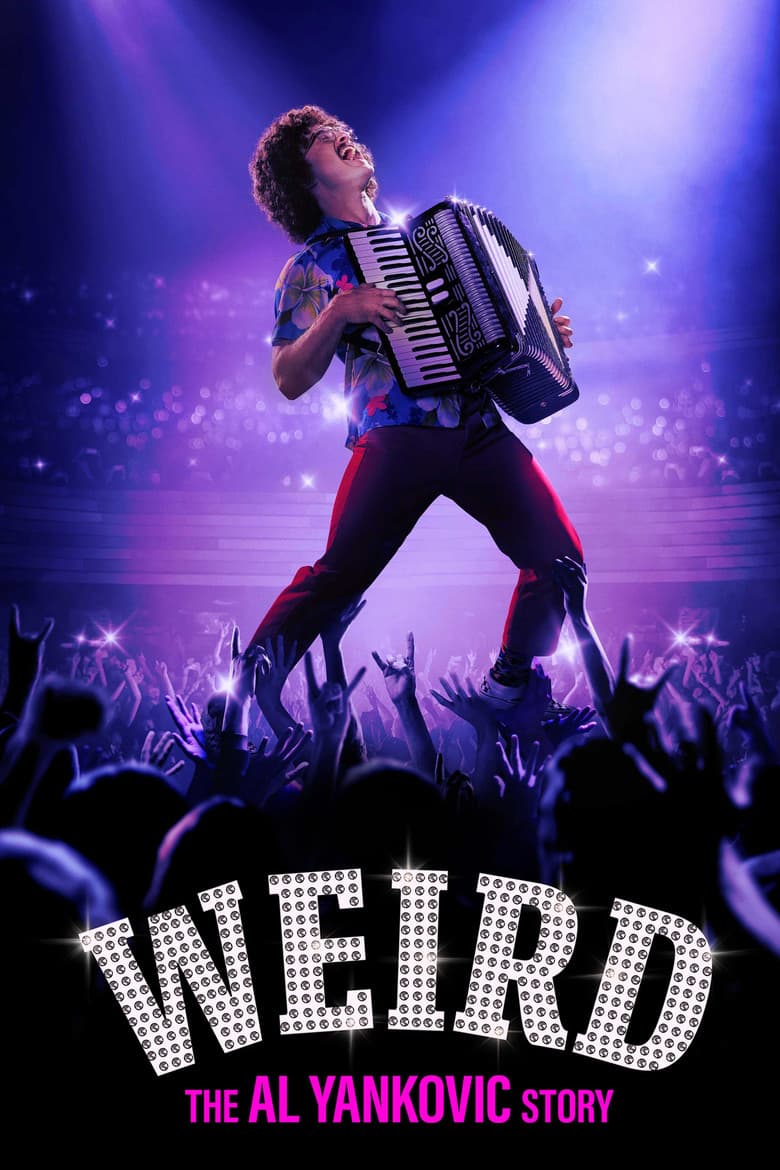
Movie · 2022
Exploring every facet of ‘Weird Al’ Yankovic’s life, from his meteoric rise to fame with early hits like ‘Eat It’ and ‘Like a Surgeon’ to his torrid celebrity love affairs and…
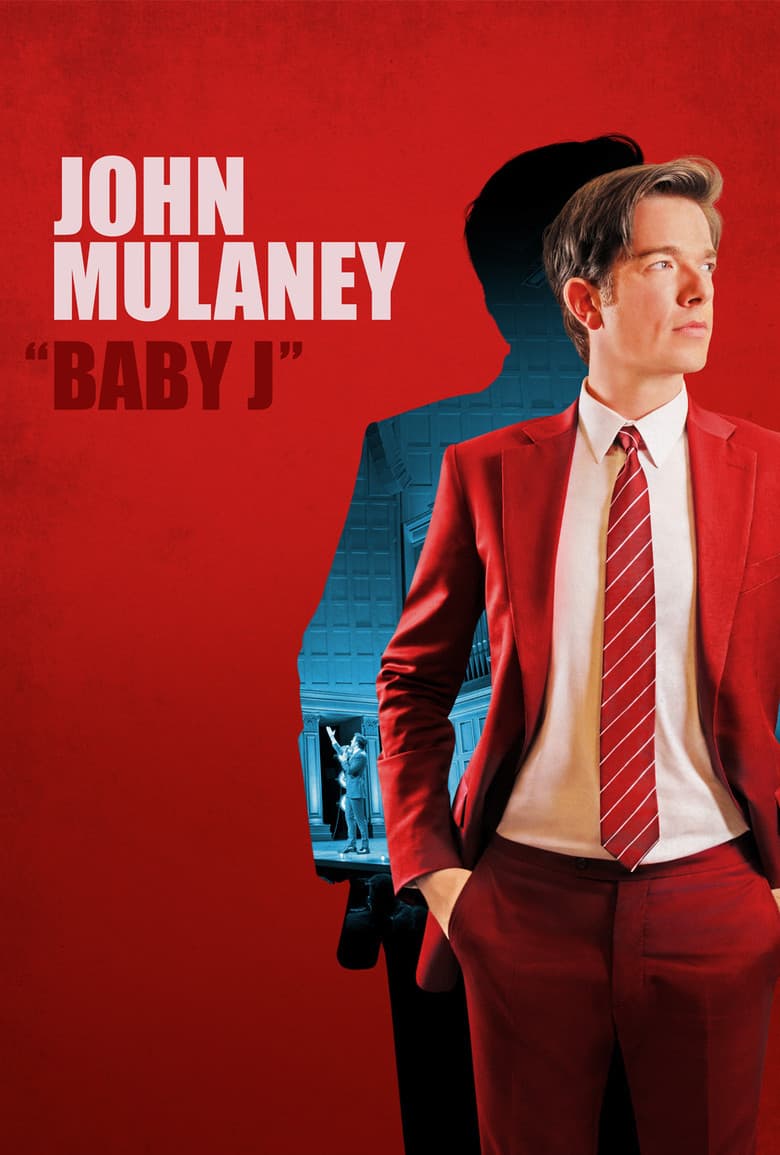
Movie · 2023
A chaotic intervention. An action-packed stay in rehab. After a weird couple of years, John Mulaney comes out swinging in his return to the stage.
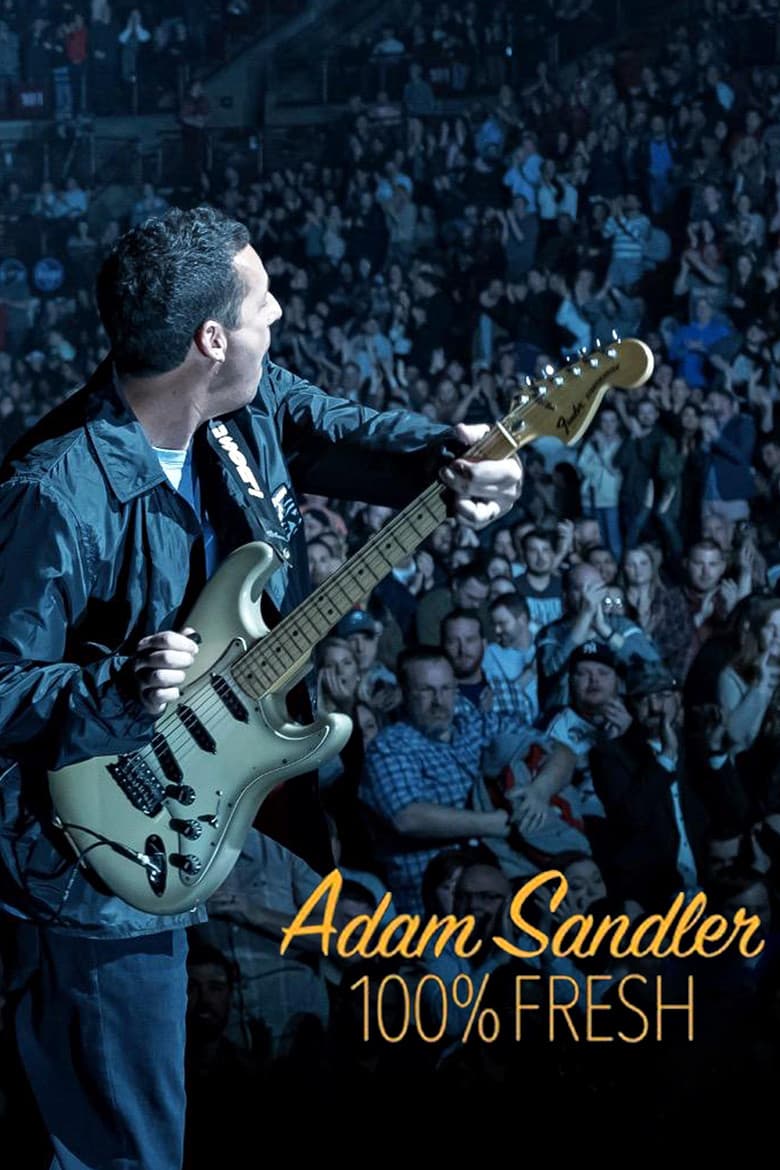
Movie · 2018
Adam Sandler takes his comical musical musings back out on the road, from comedy clubs to concert halls to one very unsuspecting subway station.
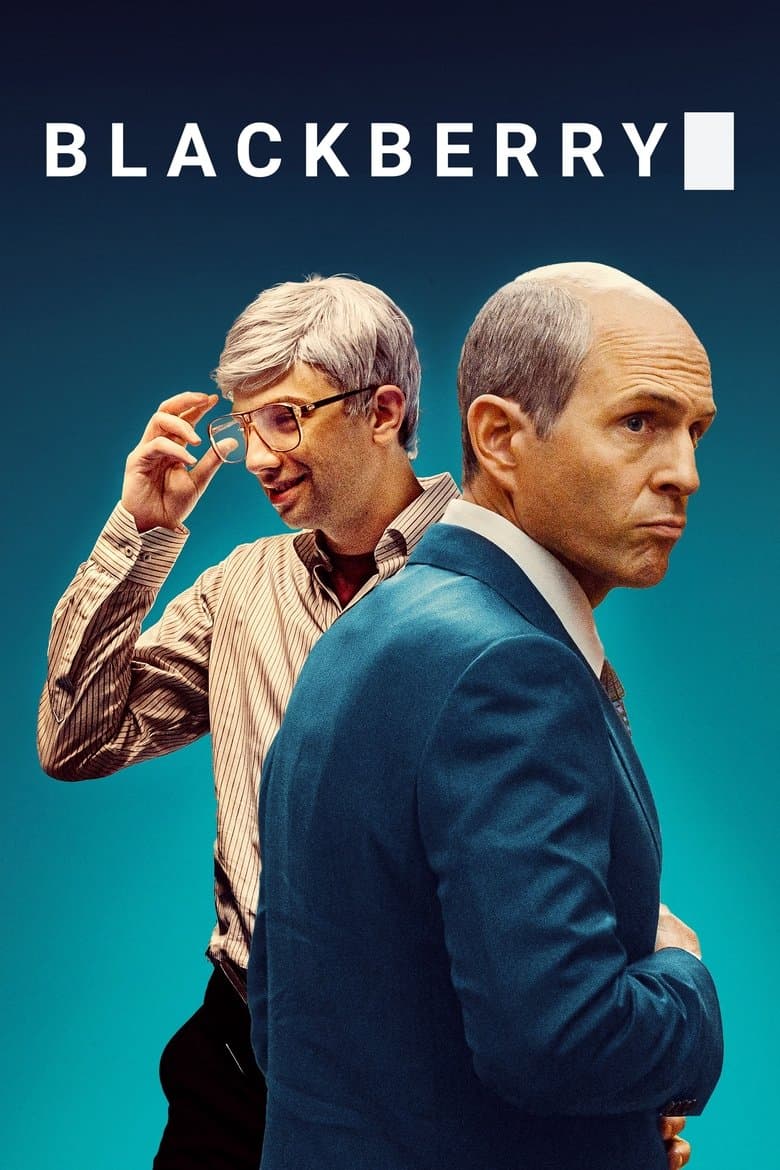
Movie · 2023
Two mismatched entrepreneurs – egghead innovator Mike Lazaridis and cut-throat businessman Jim Balsillie – joined forces in an endeavour that was to become a worldwide hit in…
