
Moondog is a famous poet who lives in the Florida Keys as if every day were a party. He spends his rich wife’s money on weed, alcohol, sex, and wild trips instead of finishing his next book. After his wife dies in a drunk driving crash, his daughter freezes his share of the family money. He must write again and stay out of prison. He meets strange friends and breaks out of rehab before he ends on a boat in a bright, loose, and very crude comedy.
The film gives its main couple an open marriage, so both Moondog and Minnie sleep with other people while still calling themselves soulmates. A gay literary agent appears in the story, and a transgender woman appears in a sexual joke. Two men touch each other in a sexual gag, and Moondog wears women's clothes for part of the story. The film presents these moments as wild comedy rather than a serious activist message. Its stronger message praises pleasure, freedom, friendship, and art over money, work, family duty, and normal behavior.
Community feedback
Was our 18% Woke rating accurate?
Breakdown
These are the editorial factors and ratings behind our score for The Beach Bum.
Woke representation / casting
Not present. The film has a gay literary agent, a transgender woman in a brief scene, and a mixed cast. The roles fit the strange South Florida world, and the public promotion did not present the cast as a diversity-first statement.
0%
Woke political dialogue
Not present. The film's talk centers on sex, drugs, money, poetry, religion, and bad behavior. It does not use recurring lines to push modern identity politics, DEI, or activist causes.
0%
Identity-driven story themes
Moondog and Minnie live in an open marriage and treat outside sex as part of their bond. The film also includes a gay agent, a transgender woman in a sexual scene, same-sex touching, and Moondog wearing women's clothes. These moments repeat the film's rejection of normal sexual and gender rules. The movie uses them for wild comedy and personal freedom, not for a central activist message.
29%
Western institutional / cultural critique
Not present. The film shows police, rehab, family duty, marriage, and money as obstacles to Moondog's free life. It does not turn them into a modern activist attack on Western institutions, Christianity, or traditional roles.
0%
Woke character or canon changes
Not relevant. Moondog and the other main characters were created for this movie. The film does not change a known character, source story, or real historical figure for an identity or DEI reason.
0%
Anti-woke backlash and complaints
Not present. The separate X research pass found no anti-woke reaction or named complaints. Wider reviews argued about crude sex, drug use, and the loose plot, not about woke, DEI, or identity politics messaging.
0%
Creator track record context
Harmony Korine's past work often follows outsiders and troubled subcultures, but his public record is not centered on organized DEI activism. Most producers have little public link to identity politics, while some Vice-linked producers have worked on broad social and political topics. One casting executive has a stronger public focus on ethnic representation. This gives the title mild creator track record context, not a strong activist signal.
17%
Production
Movie · 2023
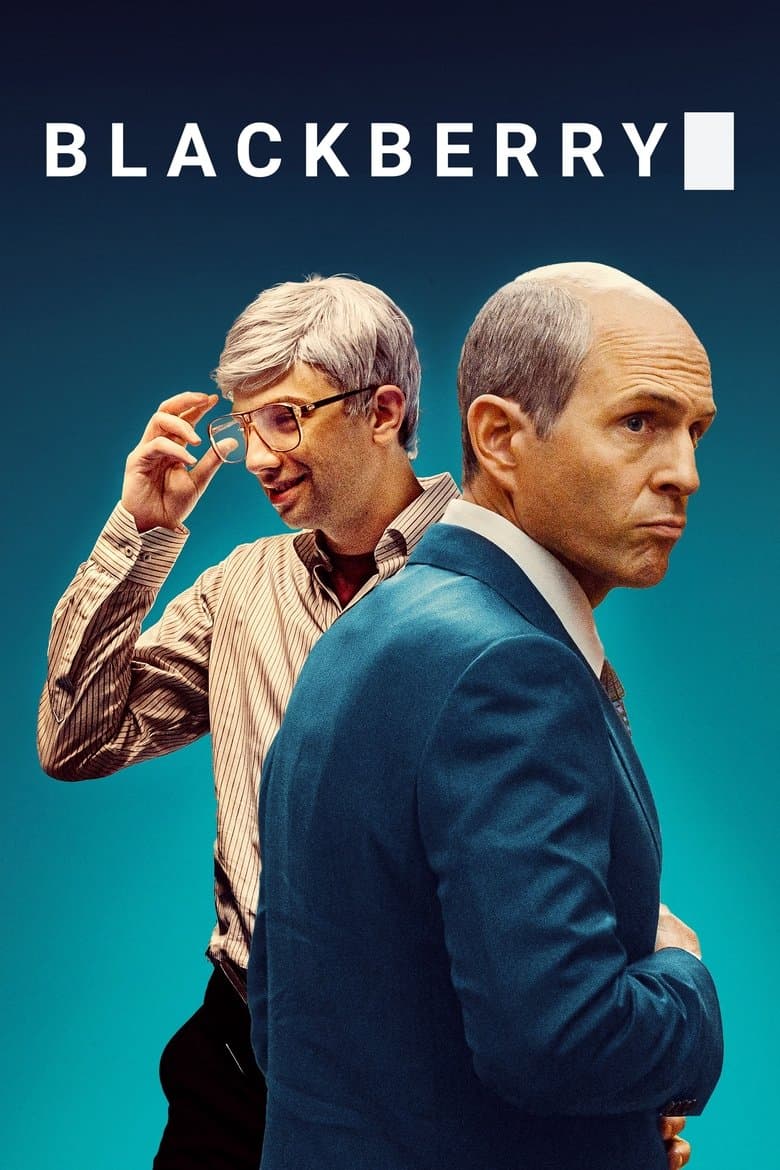
Two mismatched entrepreneurs – egghead innovator Mike Lazaridis and cut-throat businessman Jim Balsillie – joined forces in an endeavour that was to become a worldwide hit in…

Movie · 2020
Four stagnant high school teachers decide to test out a theory that maintaining a constant level of intoxication will improve their overall lives.
Movie · 2023
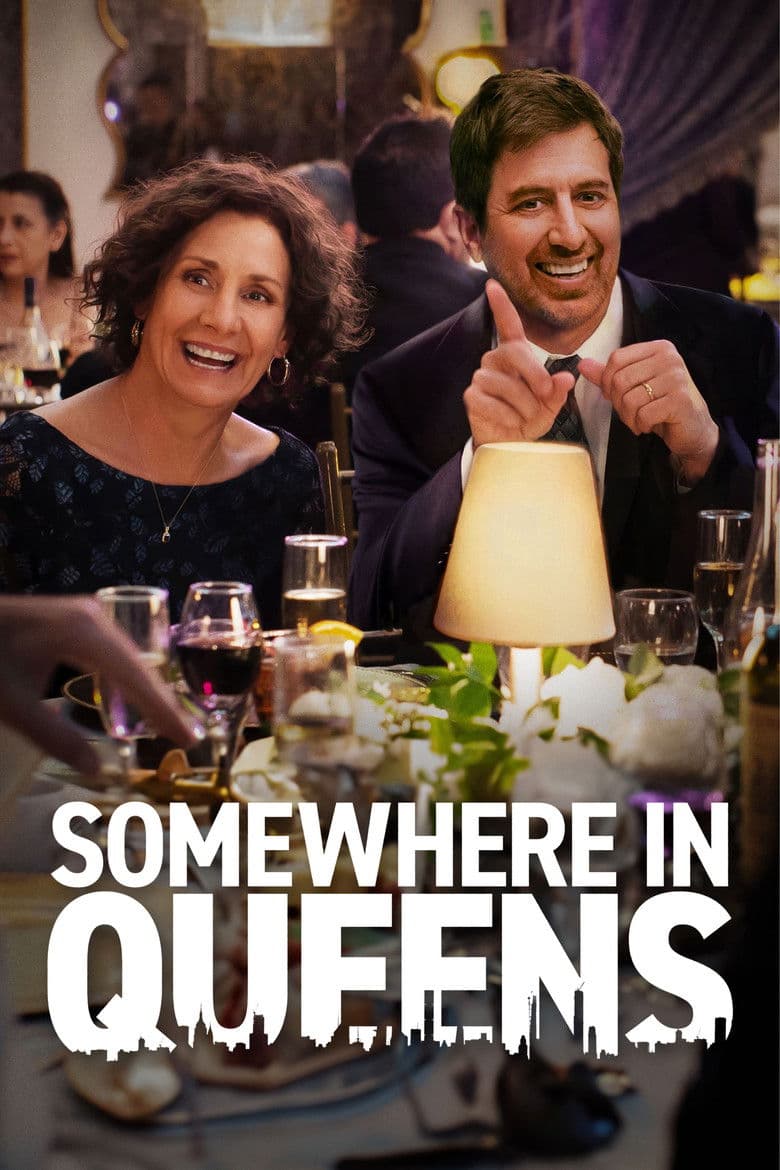
Leo and Angela Russo live a simple life in Queens, surrounded by their overbearing Italian-American family. When their son finds success on his high school basketball team, Leo…

Movie · 2016
Two high school girls are best friends until one dates the other's older brother, who is totally his sister's nemesis.
Movie · 2023
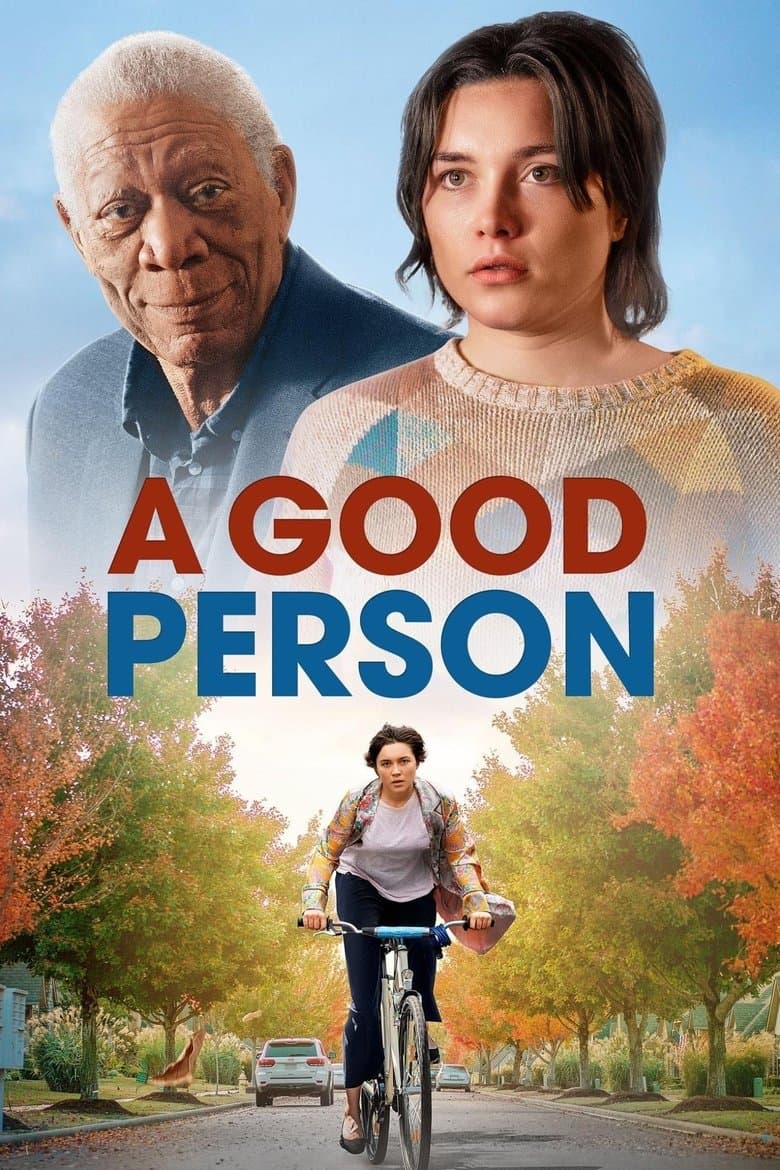
Allison's life falls apart following her involvement in a fatal accident. The unlikely relationship she forms with her would-be father-in-law helps her live a life worth living.

Movie · 2018
An American hypochondriac who is working as a baggage handler is forced to confront his fears when a British teenager with a terminal illness enlists him to help her carry out her…
Movie · 2019
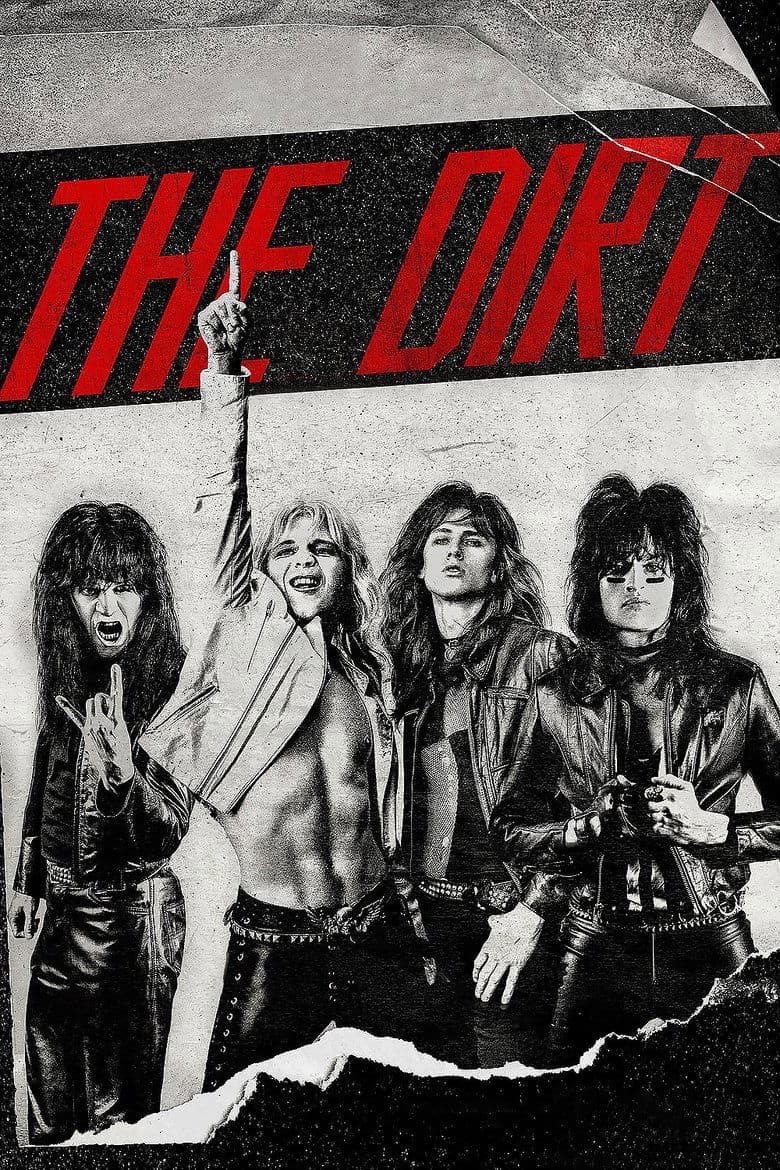
The story of Mötley Crüe and their rise from the Sunset Strip club scene of the early 1980s to superstardom.
Movie · 2019
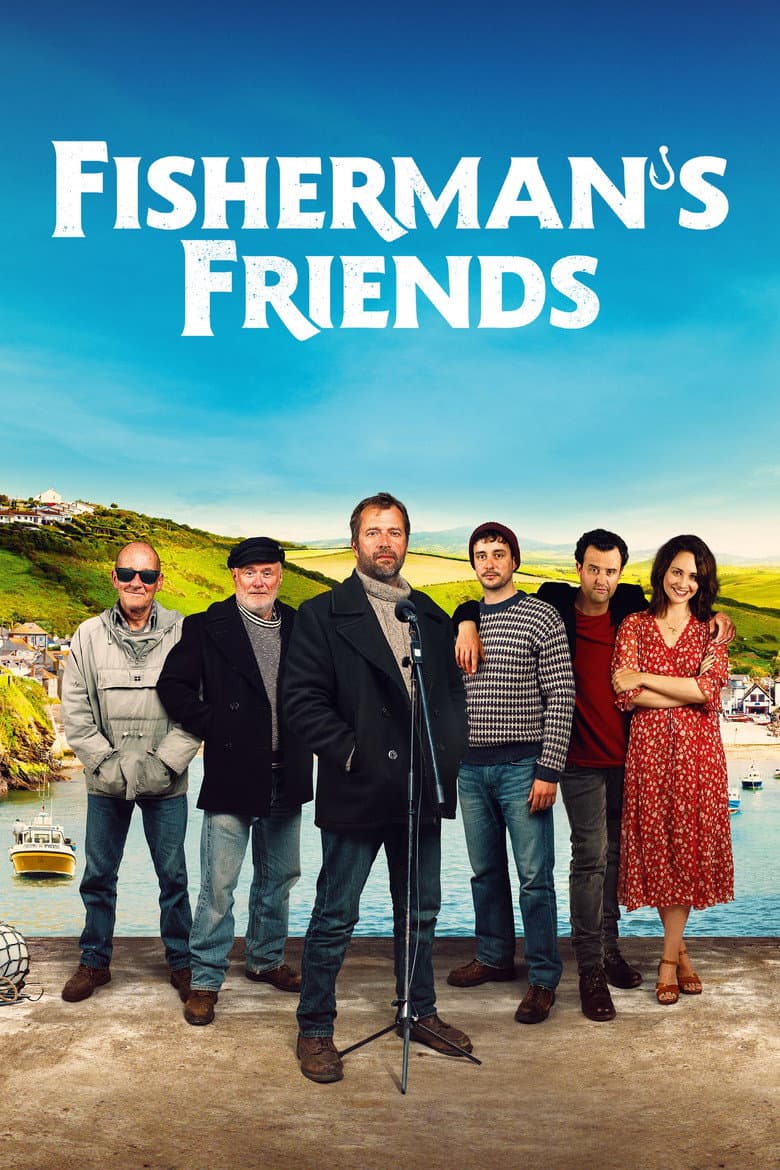
Ten fishermen from Cornwall are signed by Universal Records and achieve a top ten hit with their debut album of Sea Shanties.
