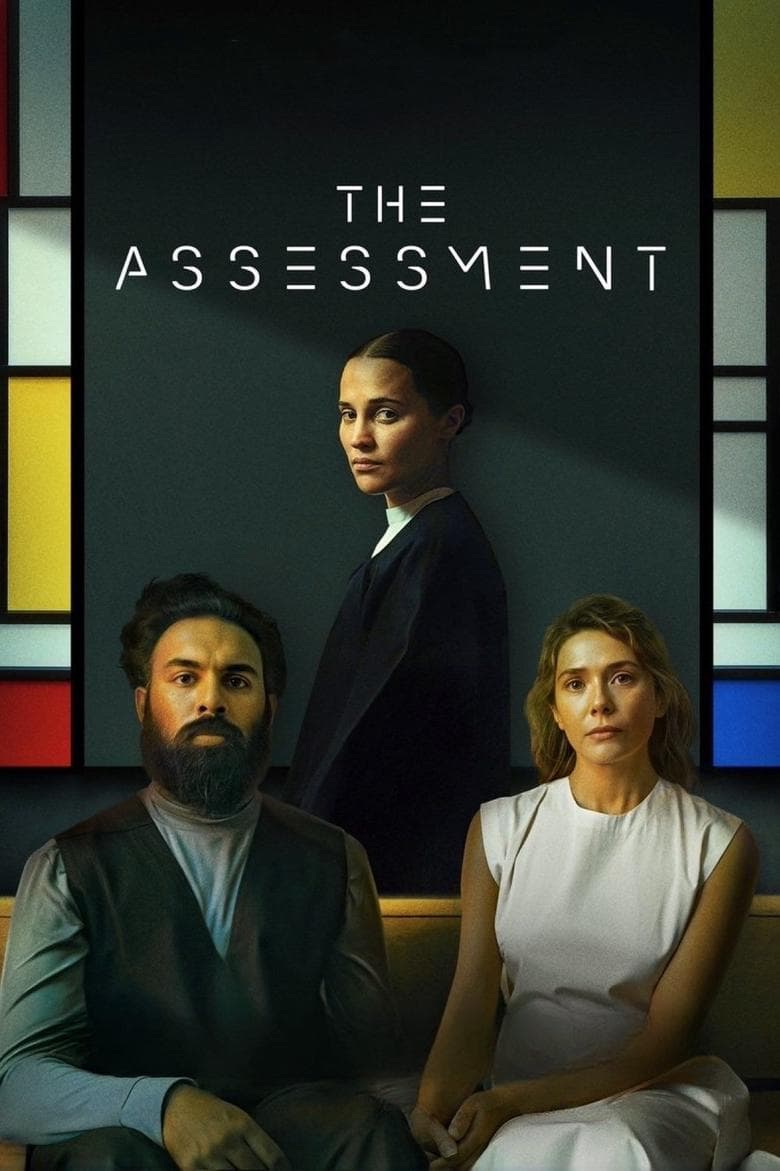
In a future world wrecked by climate change, plants and animals have mostly vanished and humans live longer thanks to drugs but cannot have children the natural way. A skilled scientist couple named Mia and Aaryan live in a protected dome and apply to have a child through an artificial womb. They must pass a tough seven-day assessment where evaluator Virginia moves into their home and runs strange tests that copy the stress of raising a difficult child while digging into their private lives and relationship. The process turns into a nightmare that shatters their bond and shows the whole system is built on lies to keep people hoping.
The film centers on a climate-ravaged setting where the government tightly controls who can become parents due to scarce resources. It features blunt talks during a dinner party about using up the planet and the morality of having kids in such a world. The main couple is interracial, and the story world includes a brief glimpse of a same-sex couple with a child. Director Fleur Fortuné has talked about her own struggles with IVF and the importance of reproductive choice and questioning state power. Viewers will likely notice the strong focus on environmental crisis as the reason for oppressive rules over family life and the personal cost of fighting or accepting that control. Public debate stayed mostly on the acting and dystopian ideas rather than identity politics.
Community feedback
Was our 32% Woke rating accurate?
Breakdown
These are the editorial factors and ratings behind our score for The Assessment.
Woke representation / casting
The prominent lead couple is interracial, with a white actress as the botanist scientist Mia and a South Asian actor as the tech genius Aaryan. The world includes diverse supporting characters and a brief background depiction of a same-sex female couple raising a child. Some audience members commented on mixed casting patterns, though the story does not center race or use it for character definition.
28%
Woke political dialogue
During the dinner party scene and other moments, characters voice direct opinions on resource consumption, the dying world, hypocrisy around having children, and the ethics of parenthood in crisis conditions. These lines build the dystopian setting and character conflict without heavy modern activist slogans.
30%
Identity-driven story themes
The plot follows a standard married couple's intense desire for a biological child, the tests that expose their flaws and relationship issues, and one partner's rejection of the controlling system. No arcs revolve around racial, gender, or queer identity struggles as primary drivers.
12%
Western institutional / cultural critique
The New World society is shown as a dictatorial system that uses climate disaster to justify total control over reproduction and daily life through invasive, deceptive assessments that crush hope. The story illustrates how people accept escalating intrusions and features a protagonist who flees the dome for the freer but harsher old world. Director interviews stress questioning state authority over personal choices like parenthood.
5%
Woke character or canon changes
Not present in this title.
0%
Anti-woke backlash and complaints
Online discussions and reviews contain almost no prominent claims that the film pushes woke, DEI, or identity politics agendas. Isolated comments noted casting diversity or wondered about political subtext in the procreation rules, but these stayed minor and fringe.
8%
Creator track record context
Fleur Fortuné, the main director, carries a cached score of 35/100 tied to her work promoting women filmmakers and statements on fertility systems, environmental parenthood issues, reproductive rights, and challenging authority. Her personal fertility experiences shaped the project. The other directors and producers listed carry low cached scores from 0 to 17.
32%
Production

Movie · 2020
2038: George Almore is working on a true human-equivalent AI, and his latest prototype is almost ready. This sensitive phase is also the riskiest as he has a goal that must be…
Movie · 2022
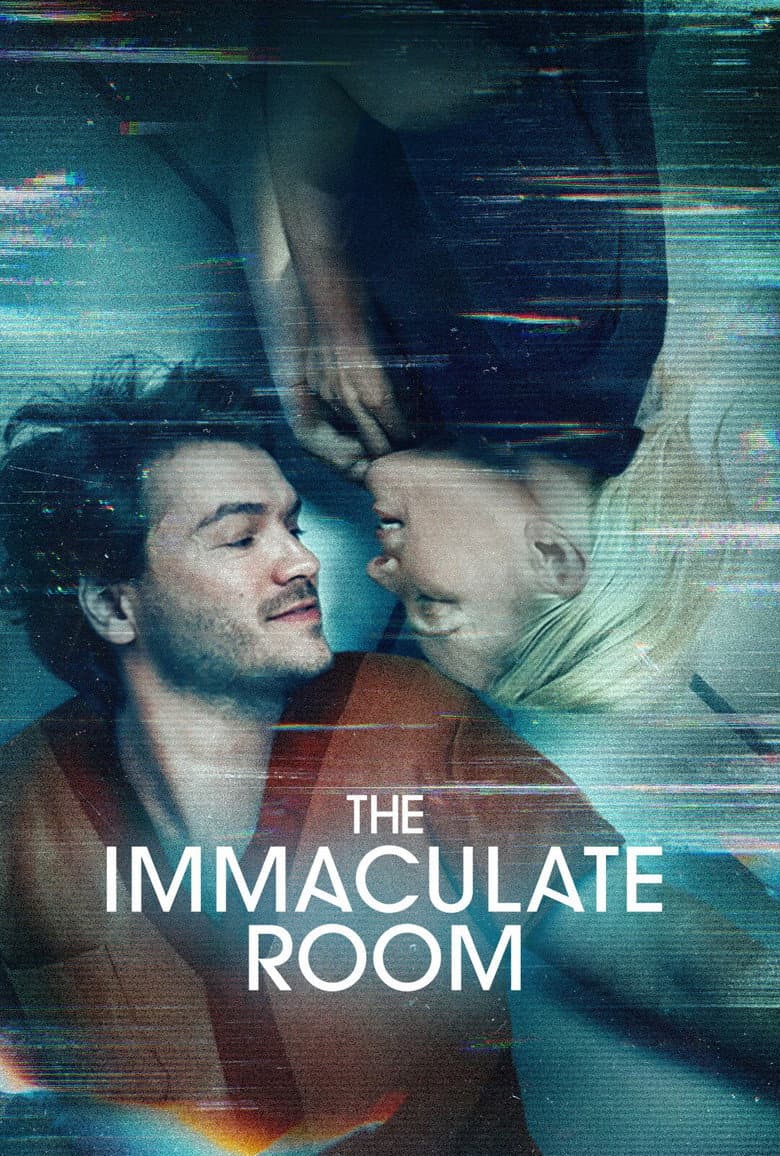
Mike and Kate, a young couple, get the once-in-a lifetime chance to win a cool five million dollars. The challenge: Live for 50 days in a blank space.

Movie · 2017
On a romantic getaway to Iceland, a young American couple wake up one morning to discover every person on Earth has disappeared.
Movie · 2016
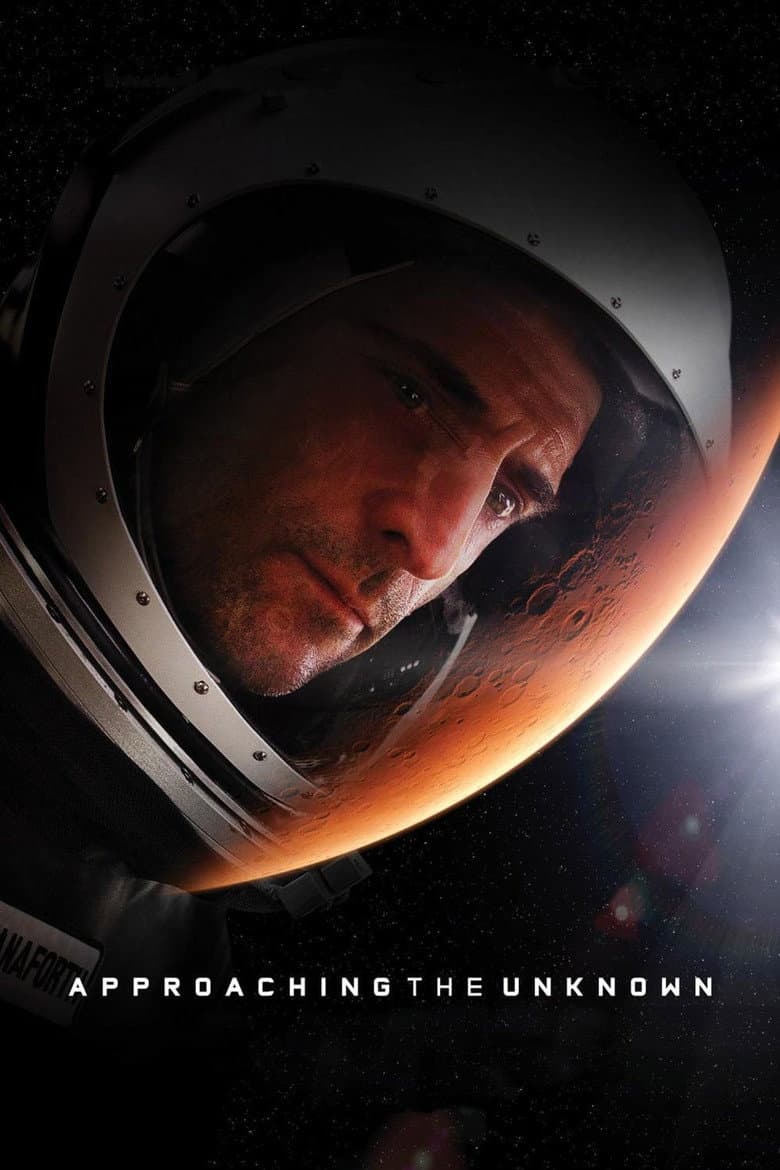
Captain William Stanaforth is on a one-way solo mission to take the first steps in colonising Mars. Like all pioneers throughout history, Stanaforth will face insurmountable odds…
Movie · 2019
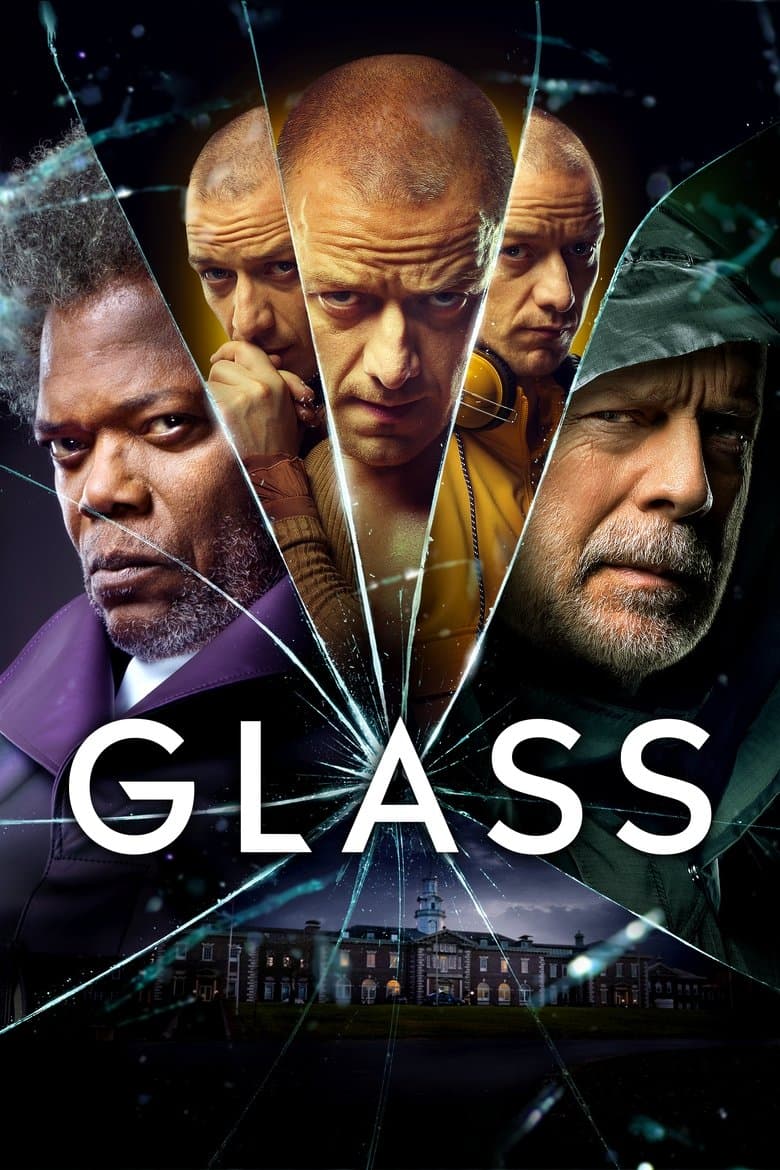
In a series of escalating encounters, former security guard David Dunn uses his supernatural abilities to track Kevin Wendell Crumb, a disturbed man who has twenty-four…
Movie · 2018
A chief mechanic at a factory, haunted by apocalyptic nightmares, becomes a hero when Earth is invaded by a mysterious army bent on destruction.
Movie · 2021
After a sudden global event wipes out all electronics and takes away humankind’s ability to sleep, chaos quickly begins to consume the world.
Movie · 2018
A scientist becomes obsessed with returning his family to normalcy after a terrible accident.
