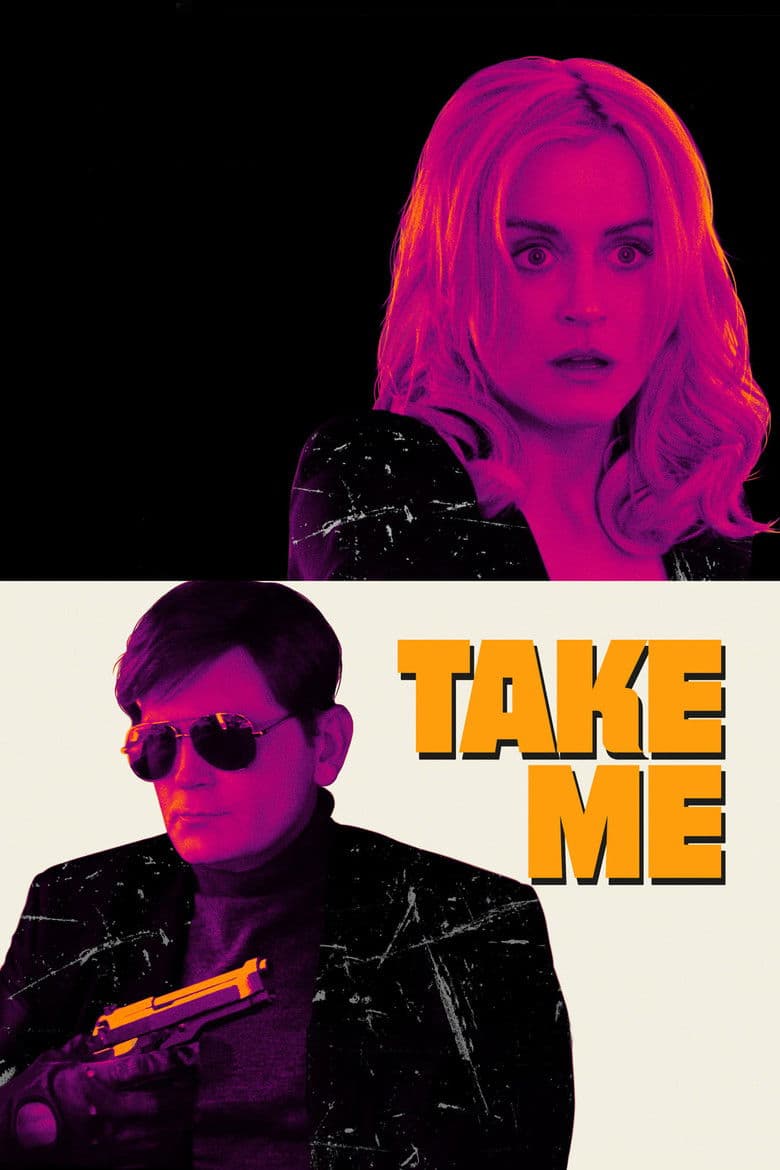
Take Me follows Ray Moody, a struggling Los Angeles entrepreneur who runs Kidnap Solutions. The business stages paid abductions for therapy, thrills, or personal change. Ray wants a bank loan and a major client so he can keep the business alive. Anna St. Blair hires him for a long weekend, but she soon acts like a real victim and turns the job into a struggle for control.
Anna is a wealthy and skilled businesswoman who controls much of the action. She mocks Ray’s tough-guy act, survives his attacks, and eventually takes him hostage. Ray copies weak ideas of male strength from old action movies, and the story treats his need for control as part of his personal problems. The film shows a clear message about gender roles, but it keeps that message inside a private role-playing game between two damaged people.
Community feedback
Was our 41% Woke rating accurate?
Breakdown
These are the editorial factors and ratings behind our score for Take Me.
Woke representation / casting
Anna is a prominent female lead who is a wealthy business consultant and the stronger player in the kidnapping game. The story makes her control and skill central to the main conflict. Healy also publicly framed the role as a strong-woman part tied to gender equality. The film has no wider diversity-first cast pattern, so this is a mild casting signal rather than a dominant one.
22%
Woke political dialogue
Not present. The movie has no clear speeches or repeated lines about DEI, identity politics, or activist causes. The dialogue focuses on the fake kidnapping, money, fear, and control.
0%
Identity-driven story themes
Anna repeatedly turns the kidnapping against Ray and becomes the more skilled and powerful player. Ray’s fake tough-guy image comes from old action films, and the story makes that image look weak and childish. The ending leaves Anna pleased and in control while Ray is shaken and humbled. This makes female dominance and male weakness a central part of the comedy, even though the film presents it through a private control game rather than a public campaign.
55%
Western institutional / cultural critique
The film repeatedly undercuts Ray’s tough-guy performance and links his need to dominate with his personal problems. Anna points to his attraction to violence and power, and she takes control when his act fails. The story does not attack religion, capitalism, family life, or wider Western institutions. The critique stays inside the two leads’ strange relationship, so the signal is noticeable but limited.
34%
Woke character or canon changes
Not relevant. Take Me is an original story about Ray and Anna. It does not adapt established characters, a known book, or real historical figures.
0%
Anti-woke backlash and complaints
Not present. No anti-woke complaints, boycotts, or review-bombing were found. Wider reviews and audience comments discuss the strange premise, bondage, humor, and twists rather than woke or DEI messaging.
0%
Creator track record context
Pat Healy’s public work centers on acting, writing, and independent film craft, with no clear recurring DEI or activist pattern. Mike Makowsky and the Duplass producers show no strong activist pattern. Amey René has worked on some LGBTQ-centered projects, but that history does not shape this film’s plot or marketing. The creator track record therefore adds only a weak signal.
10%
Production
Movie · 2024
Rory and Cobby are unlikely partners thrown together for a heist. But when it goes awry, they team up with an unusual accomplice — Rory's therapist — to outrun police, backward…
Movie · 2022
The roguishly charming and endlessly troublesome Fletch becomes the prime suspect in a murder case while searching for a stolen art collection.

Movie · 2025
Wealthy businessman Zsa-zsa Korda appoints his only daughter, a nun, as sole heir to his estate. As Korda embarks on a new enterprise, they soon become the target of scheming…
Movie · 2016
Based on the true story of two young men, David Packouz and Efraim Diveroli, who won a $300 million contract from the Pentagon to arm America's allies in Afghanistan.
Movie · 2017
The true story of pilot Barry Seal, who transported contraband for the CIA and the Medellin cartel in the 1980s.
Movie · 2024
Broke and depressed, Ray is mistaken for a dangerous hitman and given an envelope of cash. Along with his P.I.
Movie · 2024
The eclectic residents of a small, picturesque island town must navigate a sensational murder and the discovery of a million dollars, leading to a series of increasingly bad…
Movie · 2025
A former Army Ranger and struggling father turns to robbing McDonald’s restaurants by cutting holes in their roofs, earning him the nickname "Roofman." After escaping prison, he…
