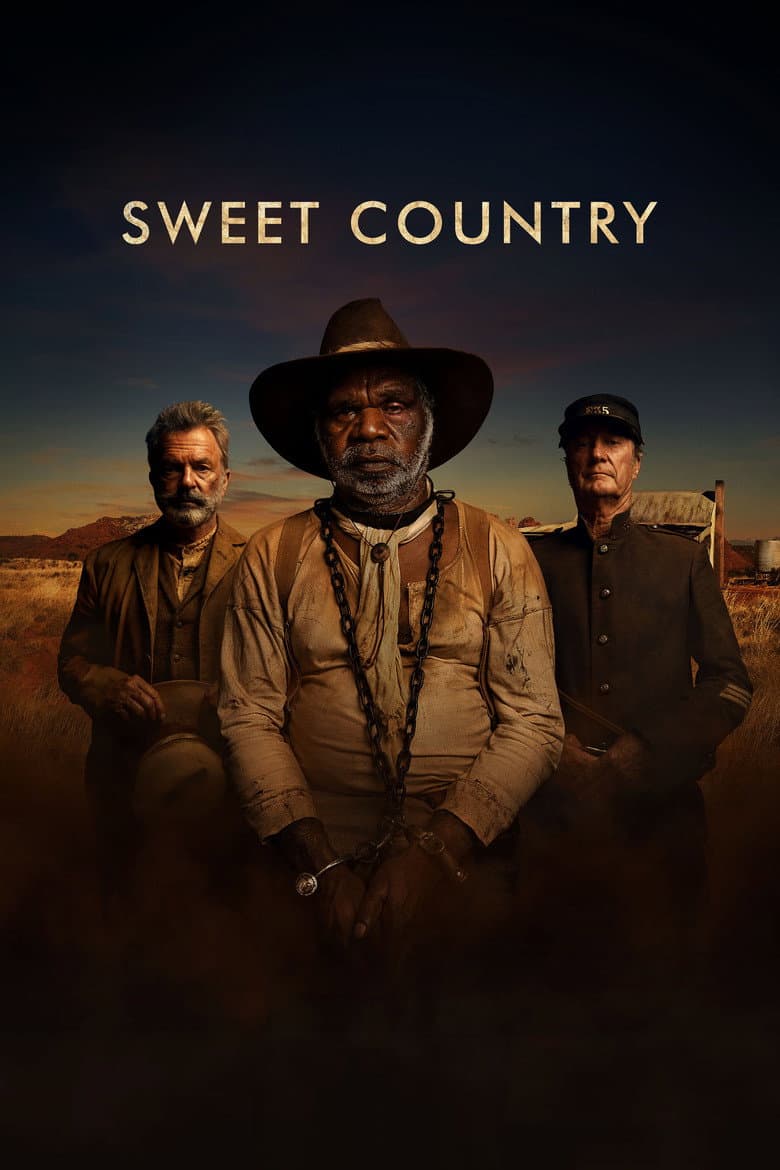
Sam Kelly is an Aboriginal stockman living in Central Australia in 1929. He kills a violent white station owner while defending himself and his family, then runs across the desert with his pregnant wife, Lizzie. A police posse follows them, and the case later reaches a town court. The film is a bleak, slow Western about fear, violence, and survival.
The story puts Aboriginal characters at the center and shows white landowners, police, and courts holding most of the power. It repeatedly focuses on forced labor, racist abuse, stolen land, and the gap between written law and fair treatment. The film asks viewers to see Australian history through the people who suffered under that system. These identity and history themes shape the chase, the trial, and the ending, so they are a major part of the film rather than a side issue.
Community feedback
Was our 63% Woke rating accurate?
Breakdown
These are the editorial factors and ratings behind our score for Sweet Country.
Woke representation / casting
Not present. The central Aboriginal roles are played by local Aboriginal actors, which fits the people and place shown in the film. The other major roles are white settlers, police, and a judge, matching the period setting.
0%
Woke political dialogue
Not present. Fred says that all people are equal in God's eyes, but the line is a brief Christian idea rather than modern identity or DEI speech. The rest of the dialogue shows period racism and legal conflict instead of activist slogans.
0%
Identity-driven story themes
Sam’s race and Aboriginal identity shape the whole plot. The film shows workers being forced to work for rations, while white owners control land, guns, and law. The chase and trial keep asking whether a white-run system will treat an Aboriginal man fairly. The film also compares praise for the white outlaw Ned Kelly with the hunt for Sam, making race and historical double standards central.
76%
Western institutional / cultural critique
The film repeatedly shows white landowners, police, and courts controlling Aboriginal workers. The posse treats Sam as guilty before his trial, and the town accepts revenge even after he is cleared. The church offers moral language but cannot protect him. This makes the period’s law and social order look deeply unfair, although the film does not turn the setting into a broad attack on modern Western society.
40%
Woke character or canon changes
Not relevant. The film changes the real man’s name and some events for drama. It keeps him as an Aboriginal man in the same kind of self-defense case, with no race, gender, or sexuality swap.
0%
Anti-woke backlash and complaints
One Reddit commenter called the film “one big struggle session” and later “cringey trauma porn with zero nuance.” The comment objects to the film’s heavy race and historical-trauma focus. The separate X research found no anti-woke posts or complaints. This is one isolated complaint, so the backlash is very weak.
5%
Creator track record context
Thornton’s previous work centers Indigenous lives, racism, colonial history, and keeping culture alive. Tranter and McGregor also return to Aboriginal history and past injustice across their work. Jowsey, Simpkin, and Zarkesh have repeatedly backed Indigenous-led or diversity-focused projects. Other producers have more mixed or craft-focused records, so the context is strong but not uniform.
70%
Production
Movie · 2017
The story of the kidnapping of 16-year-old John Paul Getty III and the desperate attempt by his devoted mother to convince his billionaire grandfather Jean Paul Getty to pay the…
Movie · 2019
A young agent is tasked with investigating a tangled web of corruption and fraud in New York.
Movie · 2016
A U.S Customs official uncovers a massive money laundering scheme involving Pablo Escobar.
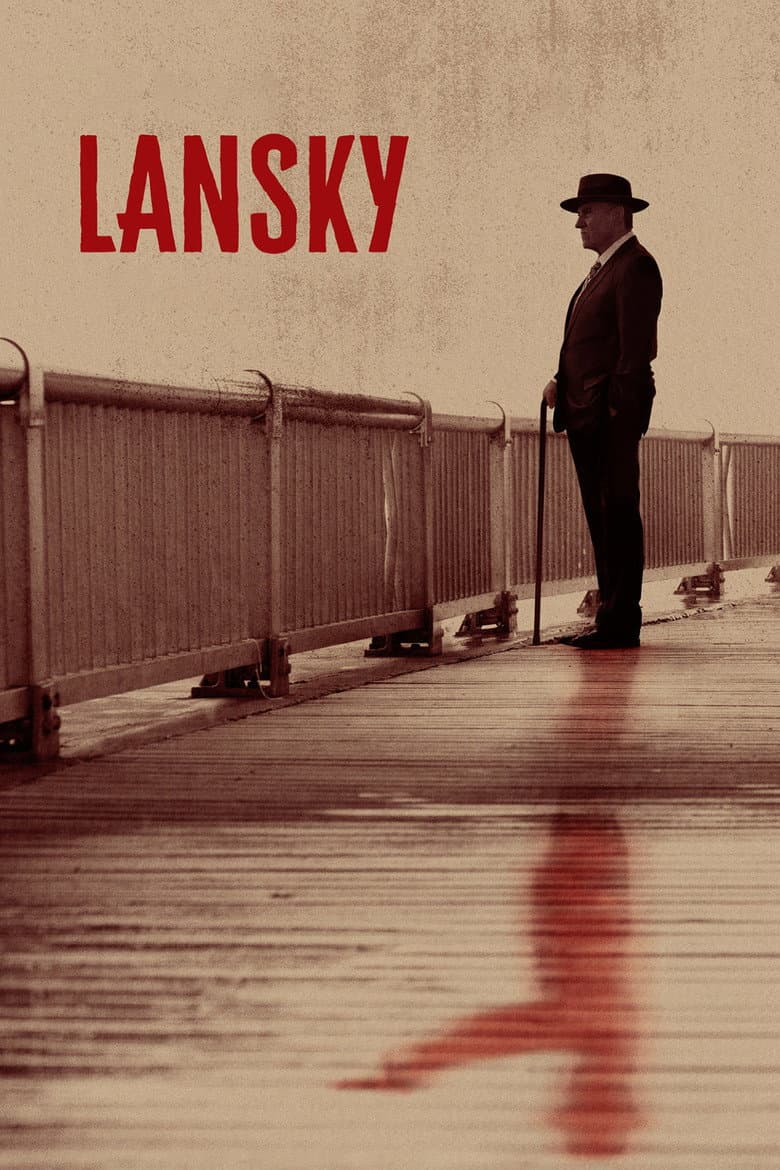
Movie · 2021
When the aging Meyer Lansky is investigated one last time by the Feds who suspect he has stashed away millions of dollars over half a century, the retired gangster spins a…
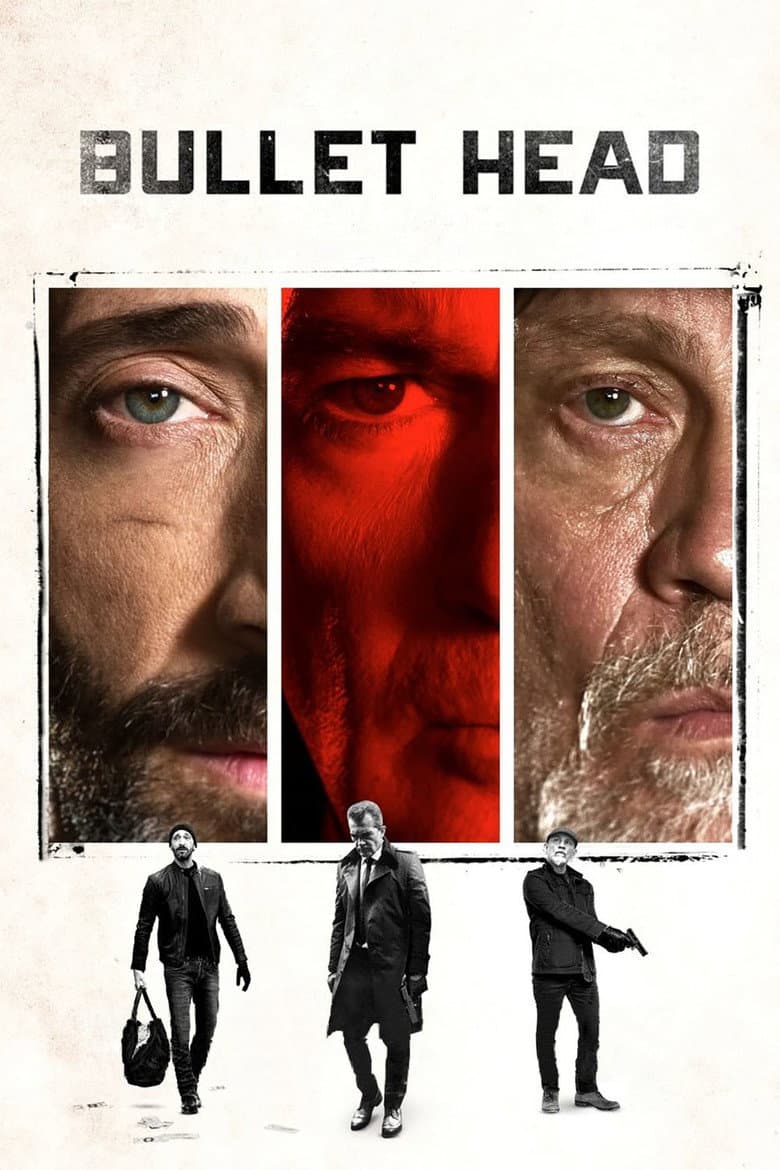
Movie · 2017
A group of career criminals finds itself trapped in a warehouse with the law – and an Attack Dog named DeNiro closing in.
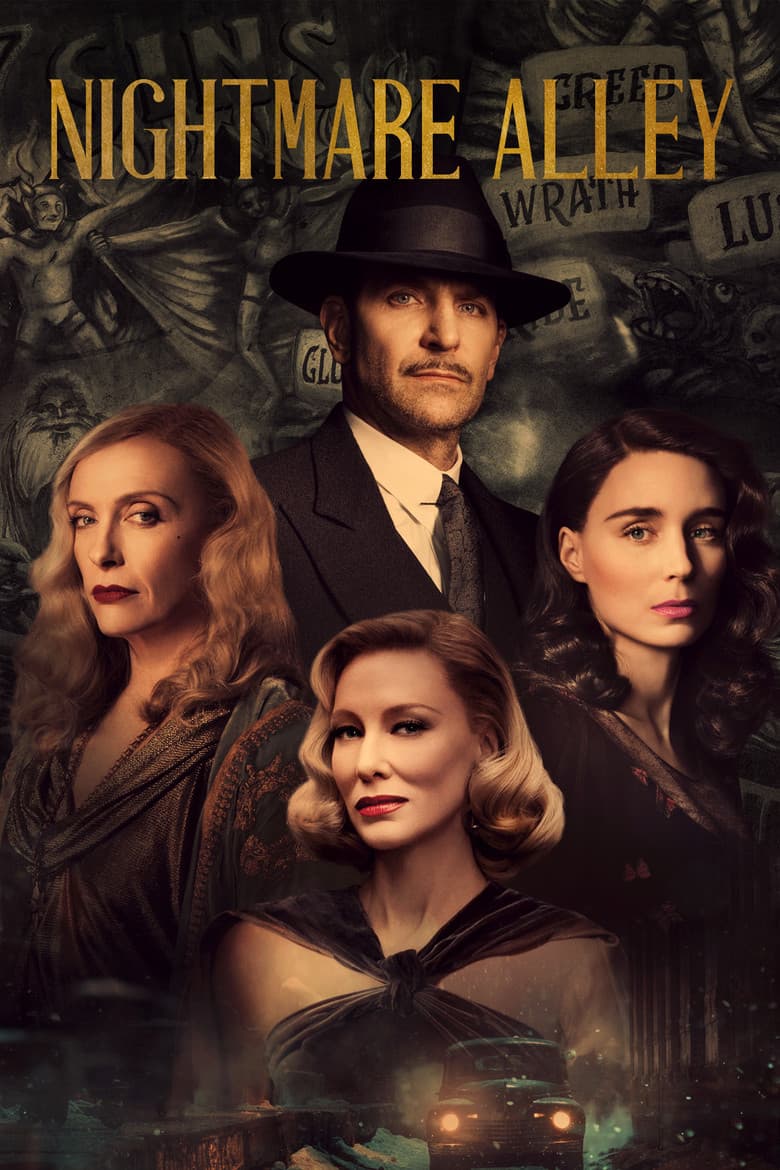
Movie · 2021
An ambitious carnival man with a talent for manipulating people with a few well-chosen words hooks up with a female psychologist who is even more dangerous than he is.
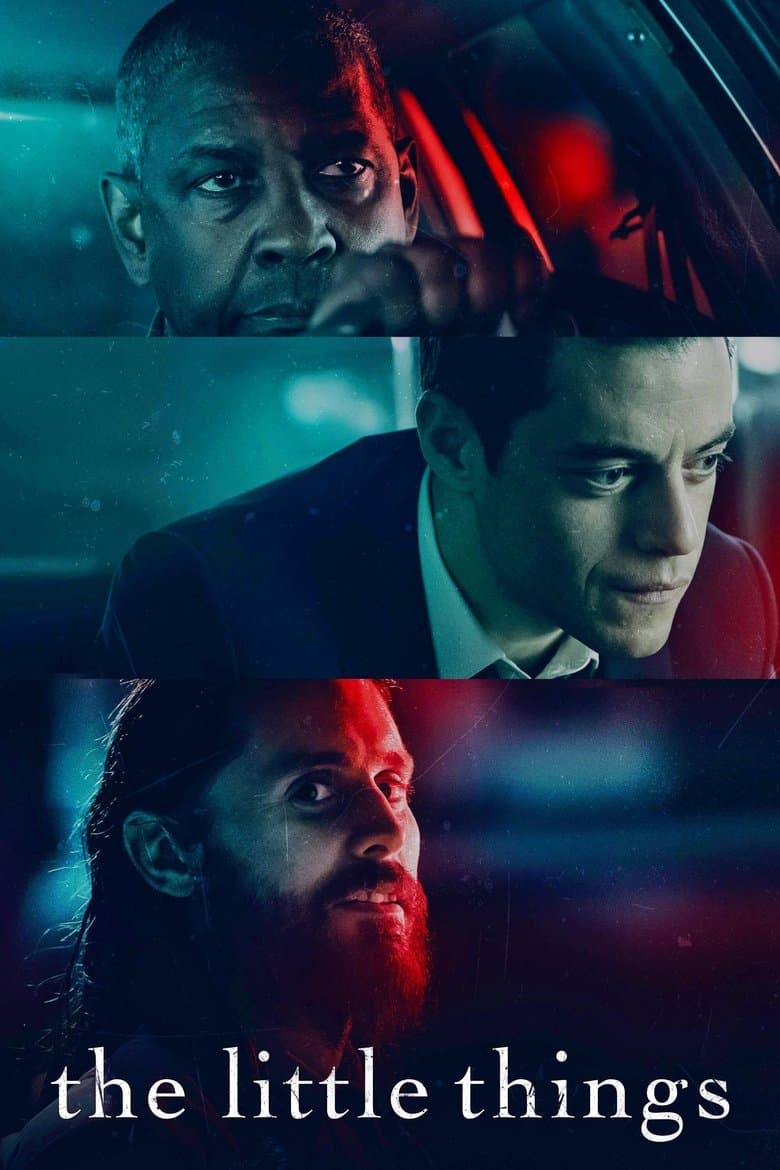
Movie · 2021
Deputy Sheriff Joe "Deke" Deacon joins forces with Sgt. Jim Baxter to search for a serial killer who's terrorizing Los Angeles.
Movie · 2018
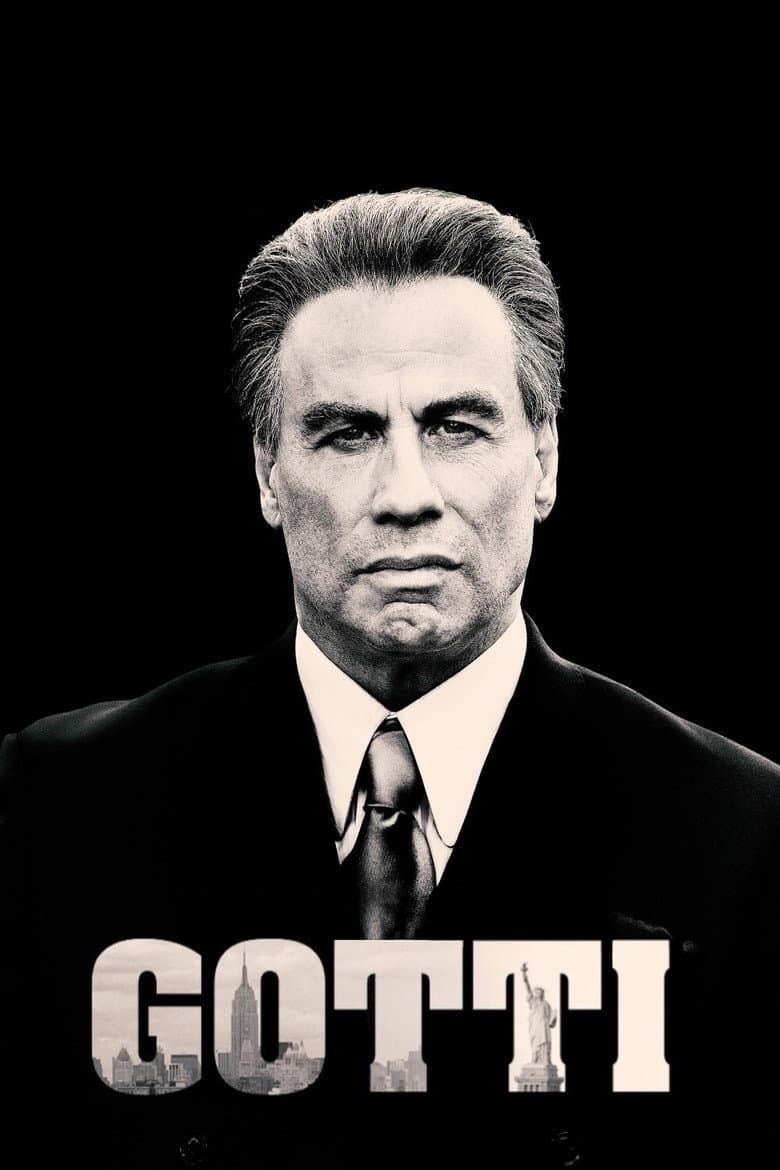
John Gotti rises to the top of the New York underworld to become the boss of the Gambino crime family. His life takes a tumultuous turn as he faces tragedy, multiple trials and a…
