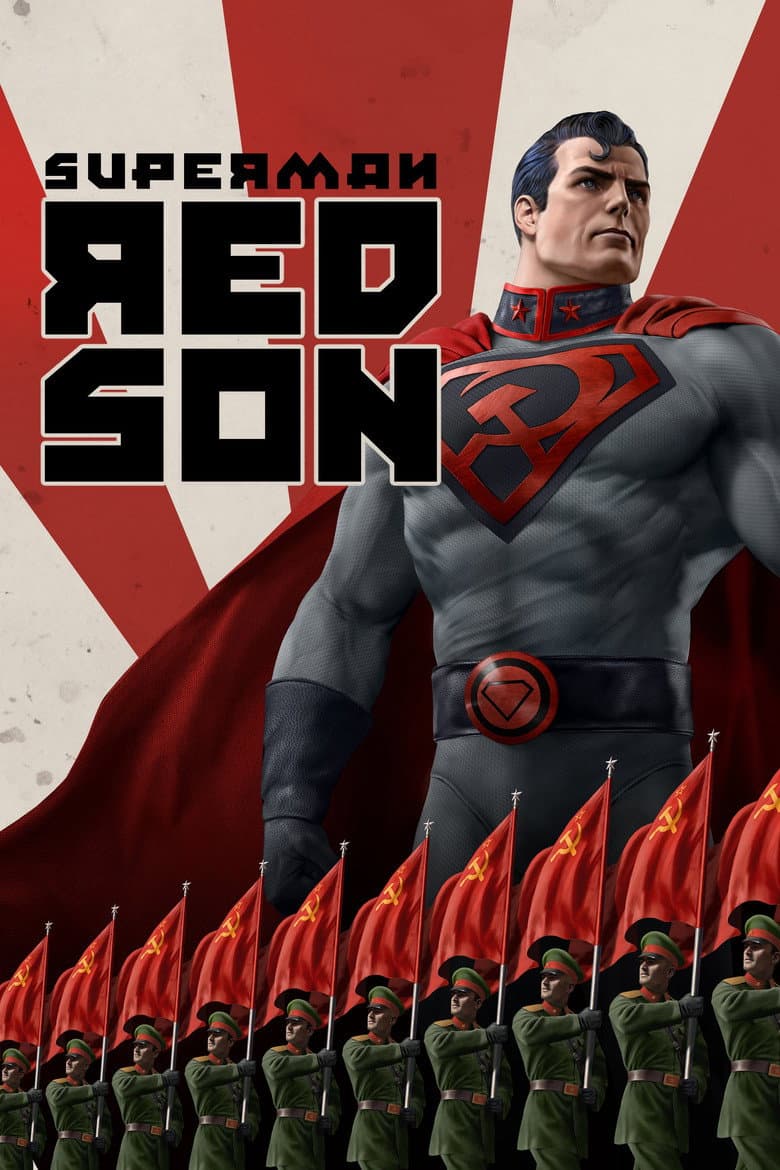
Superman: Red Son follows Kal-El after his rocket lands in Soviet Ukraine instead of Kansas. He grows up on a farm, joins Stalin’s state, and becomes a powerful Soviet leader during the Cold War. Lex Luthor builds the American answer, while Batman, Lois Lane, Wonder Woman, and Brainiac pull Superman in different directions. The film has a dark, serious tone as Superman tries to end suffering but slowly builds a new form of control.
Wonder Woman is shown as a lesbian, and she rejects Superman while saying men are alike. She sees male power as tied to violence and leaves the world of men after Superman becomes more controlling. The film also gives the familiar Jimmy Olsen a black identity and later makes him a national leader. These choices are visible, but the main story still centers on communism, freedom, power, and the danger of one person trying to create a perfect world.
Community feedback
Was our 58% Woke rating accurate?
Breakdown
These are the editorial factors and ratings behind our score for Superman: Red Son.
Woke representation / casting
The film presents Jimmy Olsen as a black government official who later becomes vice president and president. That is a visible change from the familiar white comic version and places him in an important public role. The movie does not build a wider diversity message around this one casting choice.
18%
Woke political dialogue
Superman says the United States was built by slaves and immigrants and that privileged people live above the suffering of others. Superman also attacks the capitalist elite and promises peace and equality through communism. Wonder Woman says men are alike and questions whether human violence is really man's nature. These lines recur in short scenes, but most dialogue explains the Cold War plot rather than modern identity politics.
32%
Identity-driven story themes
The story gives Wonder Woman a lesbian identity and uses it to reject Superman's romantic interest. It also repeatedly links male leadership with violence and makes her leave the world of men. These ideas shape her major relationship and ending, but Superman's communist rise and fall remain the main plot. The film does not center the whole story on queer life or representation.
45%
Western institutional / cultural critique
The film has Superman call America a country built on slaves and immigrants and accuse privileged people of living above the suffering of others. Superman also calls the Berlin Wall a shield for the capitalist elite. Wonder Woman questions whether men use power and violence because of a wider male nature. The film also shows Soviet control as cruel, so its criticism is not aimed only at Western institutions.
34%
Woke character or canon changes
The movie changes this version of Wonder Woman from the comic's unreturned feelings for Superman into a lesbian who rejects him. The movie also presents Jimmy Olsen as black and makes him a senior government leader. These identity changes are clear and affect relationships and the ending. Other changes, such as Stalin's death and Batman's new origin, are plot changes rather than woke character changes.
50%
Anti-woke backlash and complaints
Several Reddit discussions called the film a woke agenda or a politically correct rewrite. Those posts focused on the lesbian Wonder Woman, her anti-male lines, and the Black version of Jimmy Olsen. One anti-woke review called the added Wonder Woman material a feminist rewrite and said it weakened the comic adaptation. X reaction was limited to small accounts, with no boycott, review-bombing push, or large campaign.
34%
Creator track record context
Sam Liu and the listed producers and casting director mainly have careers in mainstream DC and animation work. Jerry Siegel and Joe Shuster brought older ideas against fascism and in favor of people treated badly to early Superman, but they were not modern activists. Mark Millar is left of center and J.M. DeMatteis has explored spiritual and gay themes, yet the group has no strong modern activist campaign tied to this film.
14%
Production
Movie · 2024
Now fully revealed as the ultimate threat to existence, the Anti-Monitor wages an unrelenting attack on the surviving Earths that struggle for survival in a pocket universe.
Movie · 2017
Tara Markov is a girl who has power over earth and stone; she is also more than she seems. Is the newest Teen Titan an ally or a threat?
Movie · 2022
After discovering he has powers, 11-year-old Jonathan Kent and assassin-turned-Boy-Wonder Damian Wayne must join forces to rescue their fathers (Superman & Batman) and save the…
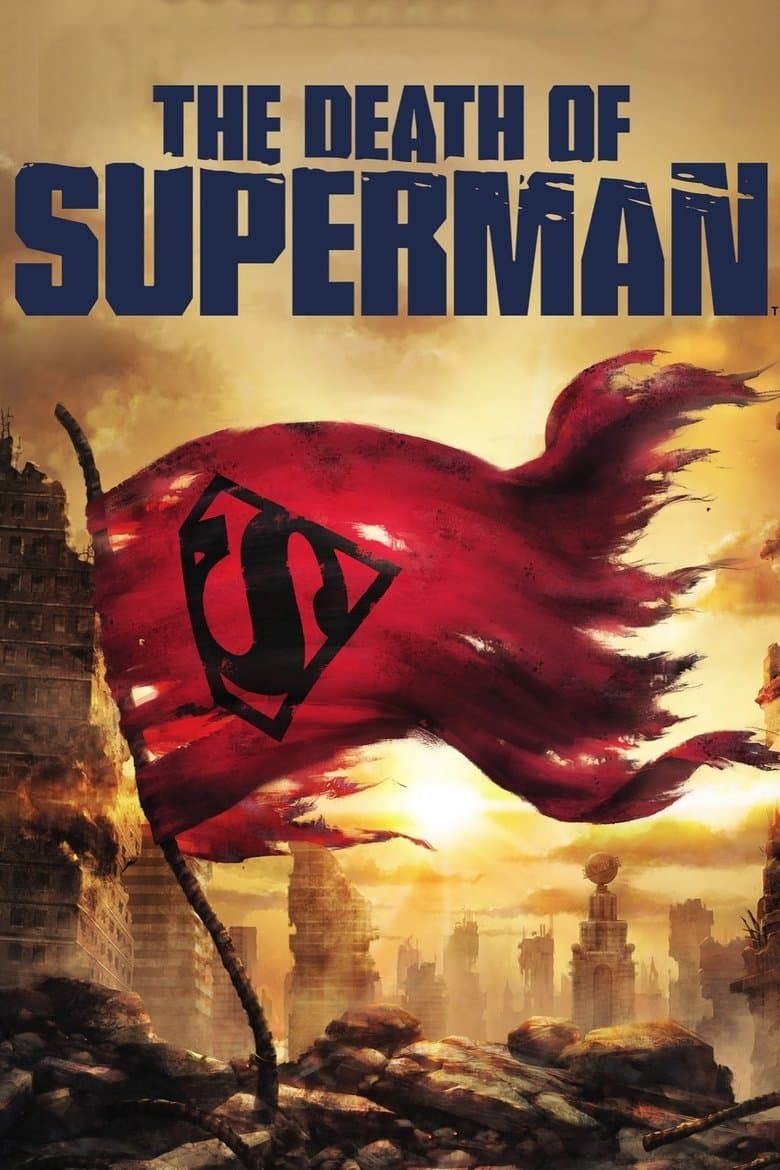
Movie · 2019
When a hulking monster arrives on Earth and begins a mindless rampage, the Justice League is quickly called in to stop it.
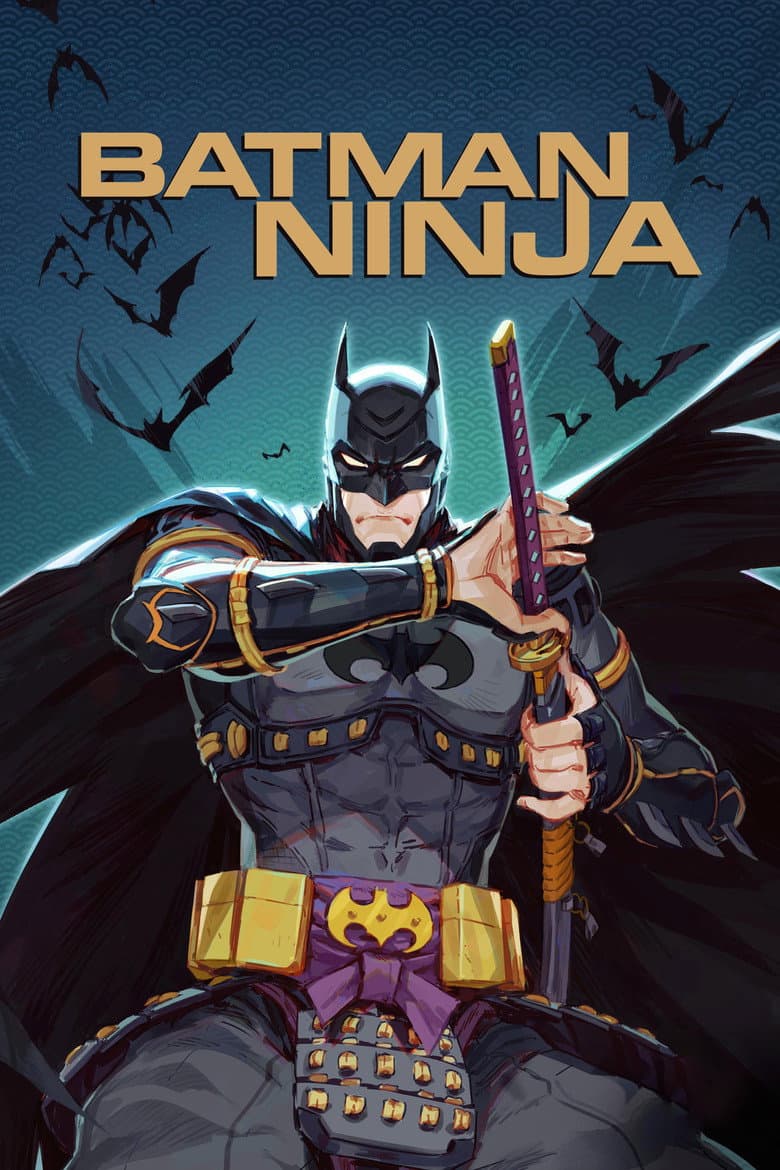
Movie · 2018
Batman, along with many of his allies and adversaries, finds himself transported to feudal Japan by Gorilla Grodd's time displacement machine.
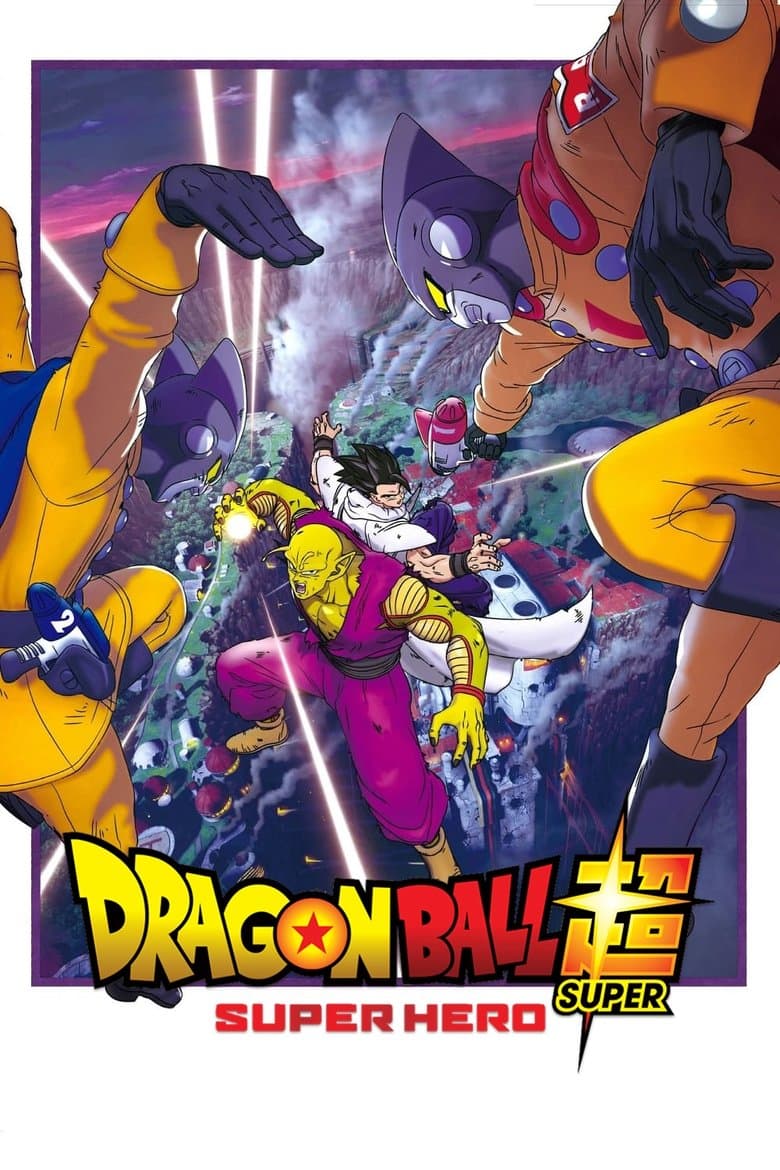
Movie · 2022
The Red Ribbon Army, an evil organization that was once destroyed by Goku in the past, has been reformed by a group of people who have created new and mightier Androids, Gamma 1…
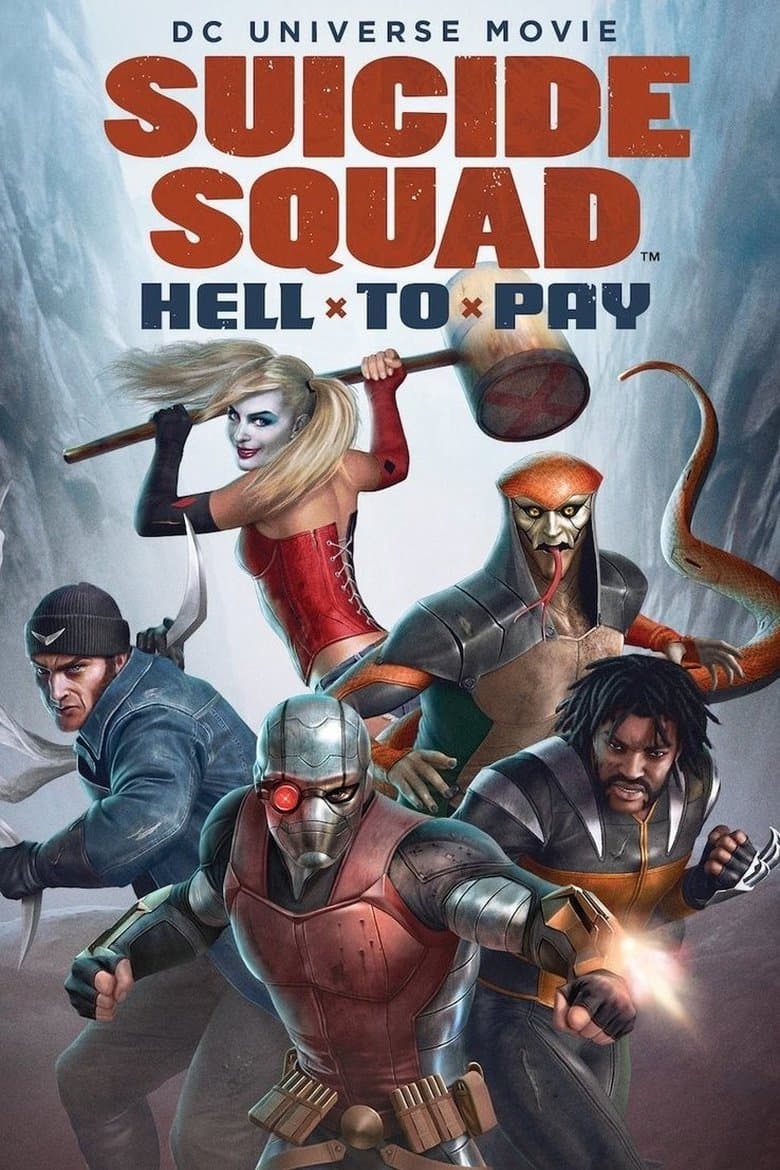
Movie · 2018
Amanda Waller's top-secret "Task Force X" — consisting of Deadshot, Bronze Tiger, Killer Frost, Captain Boomerang, Harley Quinn, and Copperhead — is on a mission to retrieve a…
Movie · 2016
The magical kingdom of Lucis is home to the world’s last remaining Crystal, and the menacing empire of Niflheim is determined to steal it.
