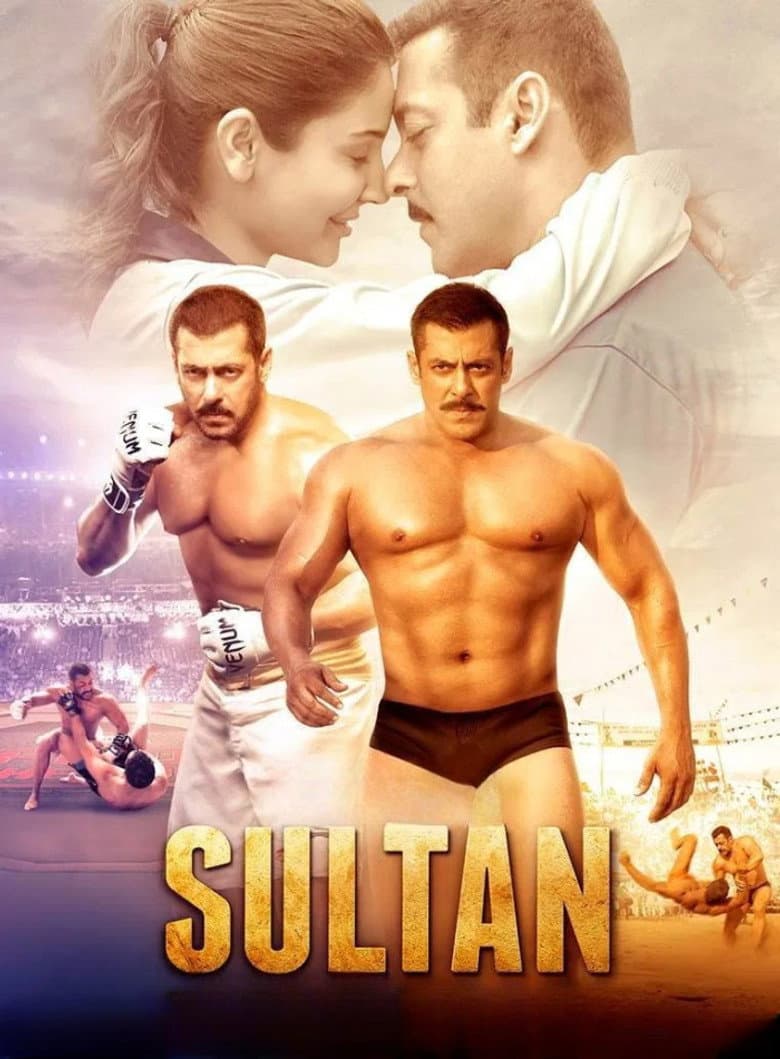
Sultan Ali Khan is a carefree young man in Rewari, Haryana, who falls in love with Aarfa, a gifted wrestler. He enters the sport to earn her respect and soon becomes an Olympic champion. His pride grows after success, and he leaves Aarfa near the birth of their son. Years later, a mixed martial arts promoter asks the older, out-of-shape Sultan to fight again so he can raise money for a blood bank after a painful family loss.
Aarfa is shown as a strong female athlete who trains, beats male wrestlers, and speaks against the idea that wrestling belongs to men. The film gives her dreams and fighting skill a clear place in the first part of the story, and Sultan becomes a wrestler partly because he wants to match her. The story then shifts toward marriage, pregnancy, motherhood, and her support for Sultan, which weakens the force of her early challenge to gender roles. The film ends with Aarfa returning to wrestling while Sultan trains their daughter, so its message mixes female ambition with more traditional family duties.
Community feedback
Was our 46% Woke rating accurate?
Breakdown
These are the editorial factors and ratings behind our score for Sultan.
Woke representation / casting
Aarfa is a prominent female wrestler who fights male opponents and is presented as an inspiration for women. The role fits a modern Haryana sports setting, so the film does not build a broad diversity design around the cast. YRF marketing also framed her as an ambitious wrestler who takes on boys, adding a visible gender message around the casting.
20%
Woke political dialogue
Aarfa says she fights men to change public opinion. The film shows her questioning why women cannot wrestle and talking about women who depend on husbands. These lines are concentrated in an early conversation rather than spread through the whole movie.
32%
Identity-driven story themes
Aarfa’s story challenges the idea that women should stay at home and shows her training and competing with men. Sultan falls for her partly because she is more skilled and driven than he is, and he changes his life to earn her respect. Pregnancy then moves Aarfa away from her Olympic goal and makes her support Sultan, which gives the message a mixed direction. She returns to wrestling at the end, so the theme remains important but does not control the whole movie.
45%
Western institutional / cultural critique
The film has a short conversation about village society keeping girls behind veils and asking who will manage the home if women work. The story treats those limits as obstacles that a female wrestler should challenge. The film does not attack Western institutions, Christianity, capitalism, or conservative politics, and this critique is brief.
22%
Woke character or canon changes
Not relevant. Sultan and Aarfa are original fictional characters, so no established identity or canon was changed.
0%
Anti-woke backlash and complaints
Not present. No sustained public complaints accused the film of pushing woke, DEI, or identity-politics ideas. The main debate concerned Salman Khan’s insensitive remark and whether the film treated Aarfa fairly.
0%
Creator track record context
Ali Abbas Zafar has repeatedly made space for capable women and socially inclusive ideas, and he described Aarfa as a tribute to women wrestlers and female athletes. Aditya Chopra’s cached record includes several women-centered YRF projects, but his public role is mainly commercial. The other cached crew summaries show no strong activist pattern.
52%
Production
Movie · 2026
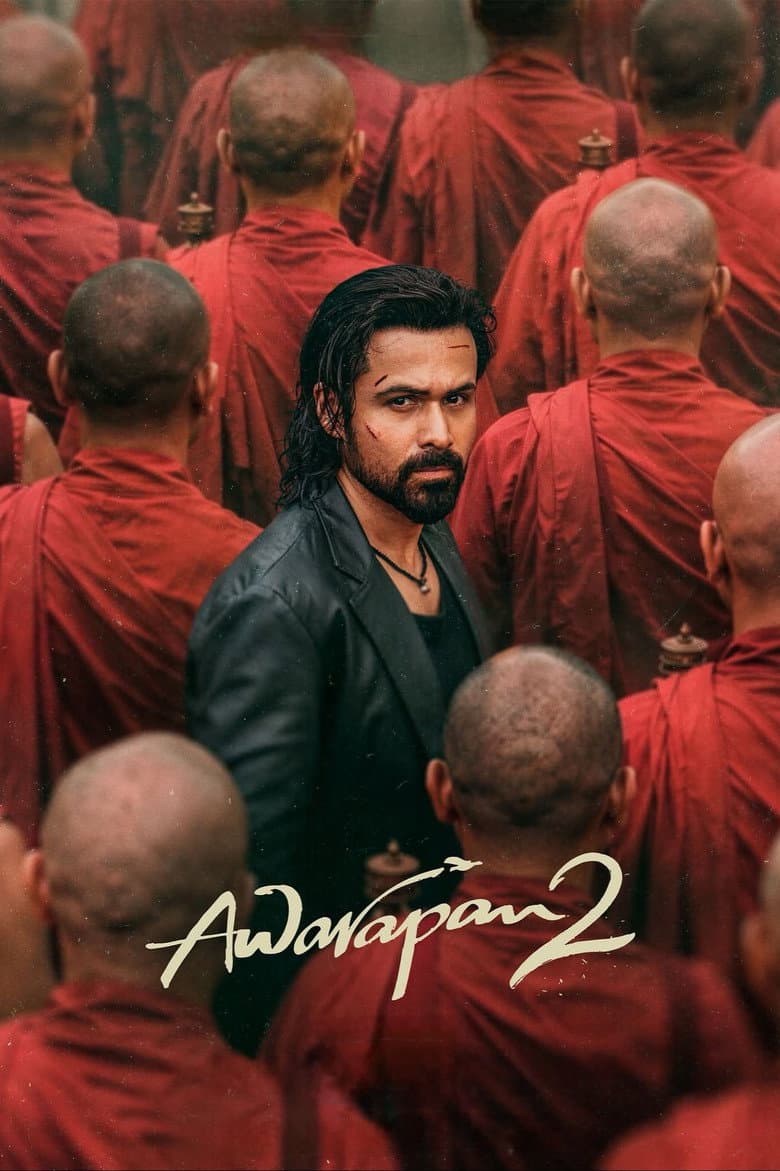
Shivam returns to the crime world, where his path forward demands redemption, love, and sacrifice. As relationships deepen and conflicts intensify, every choice tests his resolve…

Movie · 2025
Two artistic souls find harmony through music despite their contrasting worlds. As feelings deepen, age and circumstances challenge their undeniable bond.

Movie · 2023
Hadley and Oliver begin falling in love on a flight from New York to London, but when they lose each other at customs, can they defy all odds to reunite?
Movie · 2022
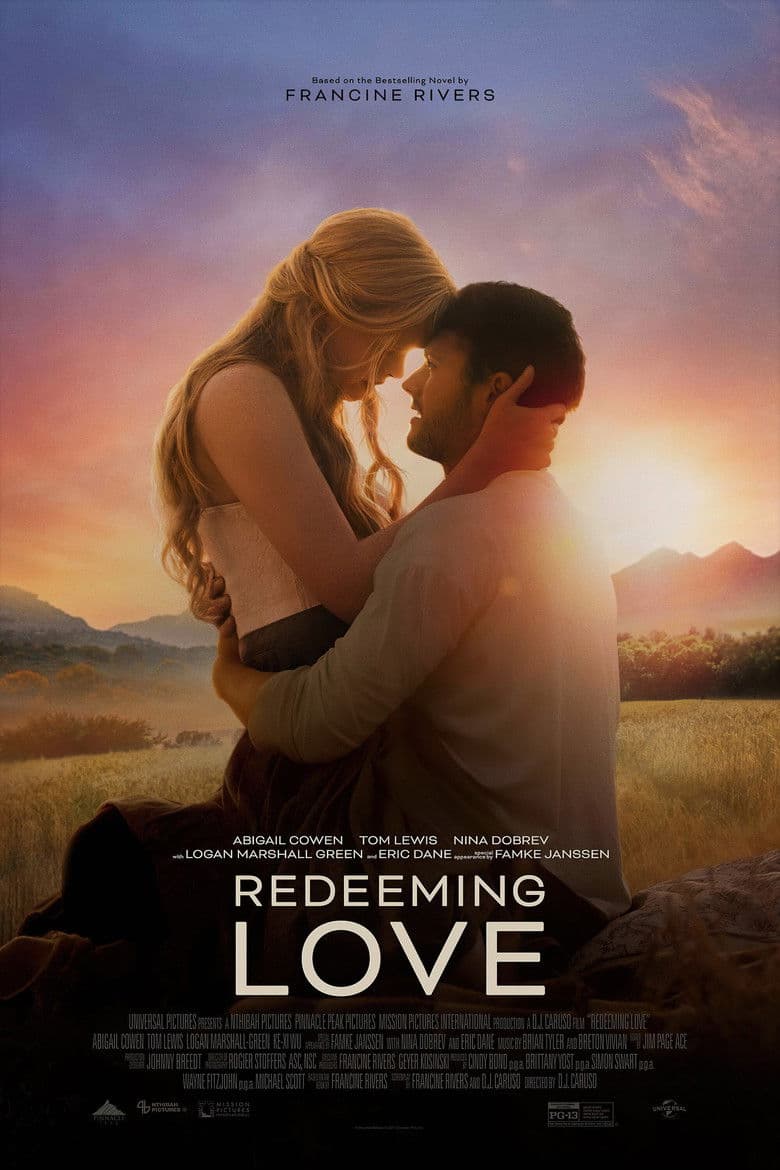
A young couple's relationship clashes with the harsh realities of the California Gold Rush of 1850. Angel, experiencing love for the first time and facing demons unsurmountable…
Movie · 2025
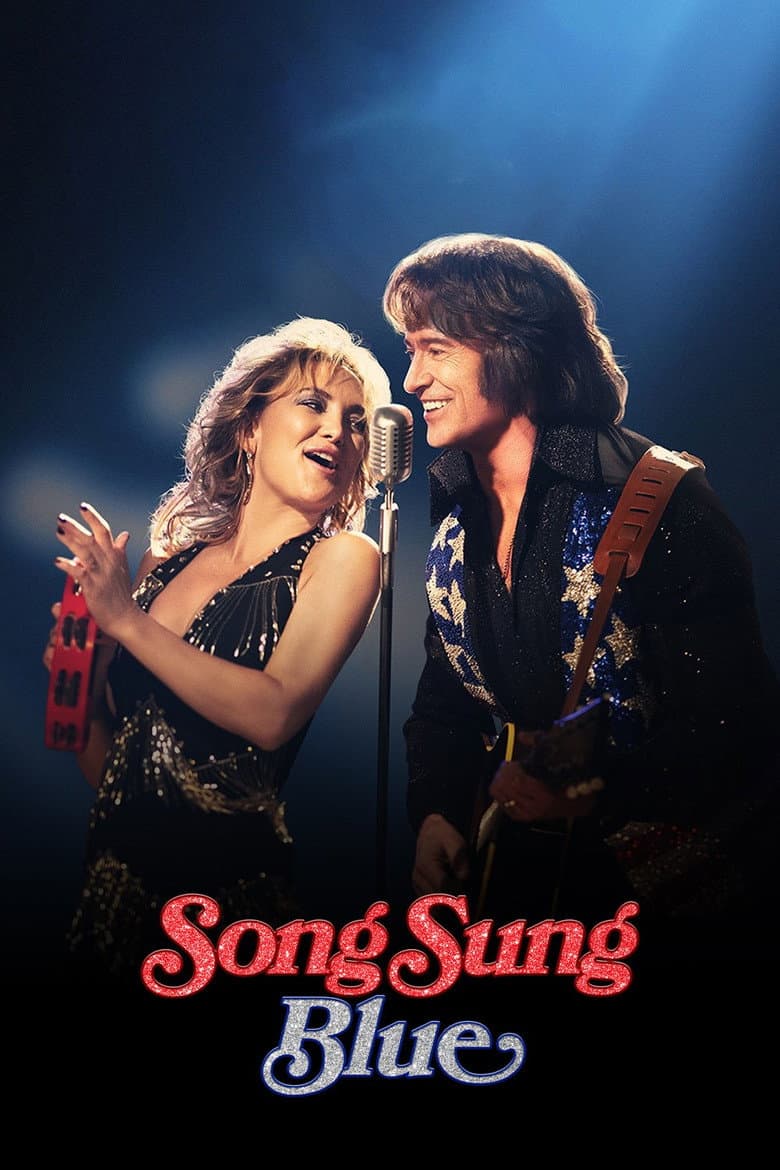
Based on a true story, two down-on-their-luck musicians form a joyous Neil Diamond tribute band, proving it's never too late to find love and follow your dreams.
Movie · 2024
Fresh off an almost career-ending accident, stuntman Colt Seavers has to track down a missing movie star, solve a conspiracy and try to win back the love of his life while still…
Movie · 2017
A brilliant but impulsive young surgeon spirals into self-destruction after a painful breakup, struggling to cope with love, loss, and the consequences of his own temper.
Movie · 2024
Aza confronts her potential for love, happiness, friendship, and hope while navigating an endless barrage of invasive, obsessive thoughts.
