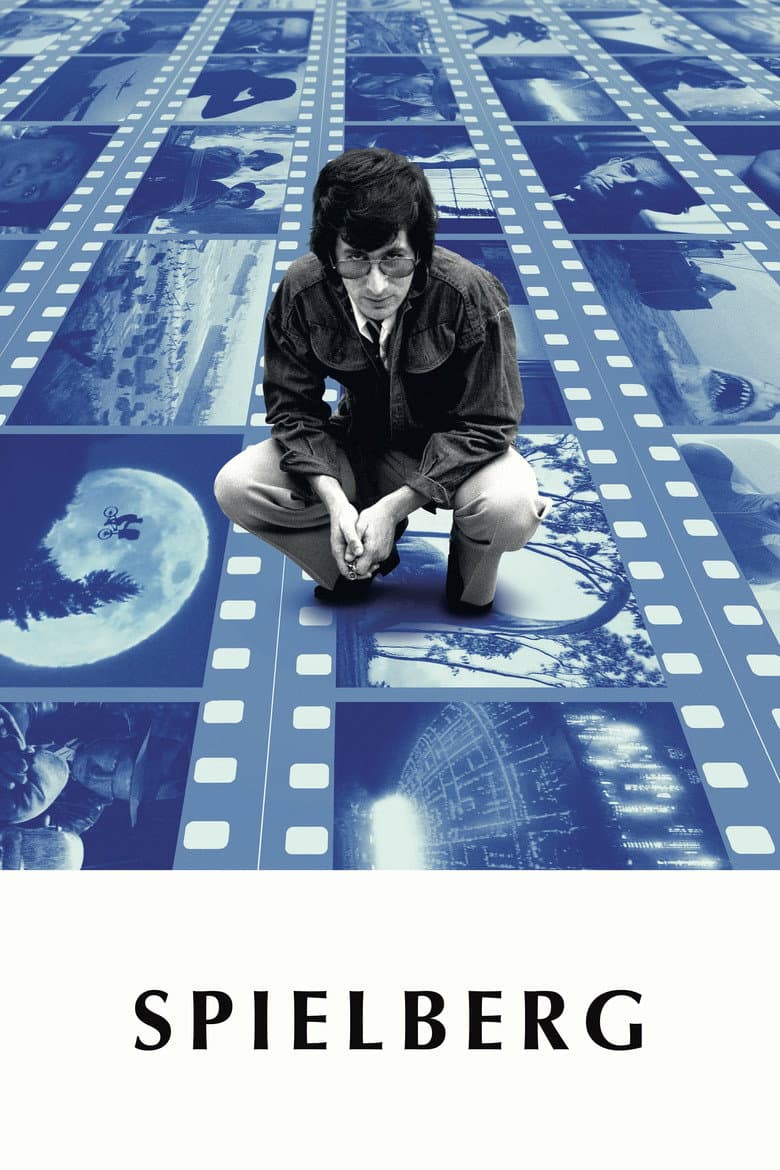
Steven Spielberg looks back on his rise from a lonely child with a movie camera to one of Hollywood’s most famous directors. The film follows his early work, the pressure after Jaws, and the risks behind movies such as The Color Purple and Schindler’s List. His parents’ divorce and his long break from his father help explain the broken families in many of his stories. The tone is warm and admiring, with some gentle criticism from film writers and coworkers.
The main identity theme is Spielberg’s struggle with being Jewish after anti-Jewish bullying made him hide that part of himself. The film presents Schindler’s List as the work that helped him accept his roots and face the Holocaust through art. A short section also shows and discusses the lesbian kiss in The Color Purple, while critics say he made that relationship too mild. These points matter to parts of his life story, but the film mainly celebrates his craft, family, failures, and success.
Community feedback
Was our 25% Woke rating accurate?
Breakdown
These are the editorial factors and ratings behind our score for Spielberg.
Woke representation / casting
Not present. The people on screen are Spielberg’s real relatives, coworkers, actors, and critics. Their roles come from their real links to his life and work.
0%
Woke political dialogue
Critics in the film say The Color Purple made its lesbian relationship too mild and left out a more direct scene. This identity-based criticism appears in one short part of the documentary. The rest of the film does not use current activist slogans or party politics.
8%
Identity-driven story themes
Spielberg describes hiding his Jewish roots after anti-Jewish bullying during childhood. The film shows his later acceptance of those roots as an important step in making Schindler’s List. The documentary gives this change a major place in his personal growth. A shorter section also discusses the lesbian relationship in The Color Purple.
28%
Western institutional / cultural critique
Not present. The film does not attack Christianity, traditional families, men, or Western culture. Its criticism is aimed at a few artistic choices in Spielberg’s movies.
0%
Woke character or canon changes
Not relevant. The documentary tells Spielberg’s real life and does not rewrite an existing character or story for identity reasons.
0%
Anti-woke backlash and complaints
Not present. Public complaints focused on the long running time and the film’s heavy praise of Spielberg. No clear complaint that the documentary pushes woke, DEI, or left-wing identity politics was found.
0%
Creator track record context
Susan Lacy’s cached creator score is 45 because some of her other documentaries focus on feminist and anti-war subjects. Emma Pildes has a stronger abortion-rights activist history and a cached score of 72. Jessica Levin has a low cached score of 18. Their combined record is mixed and supports a middle-range context score.
45%
Production
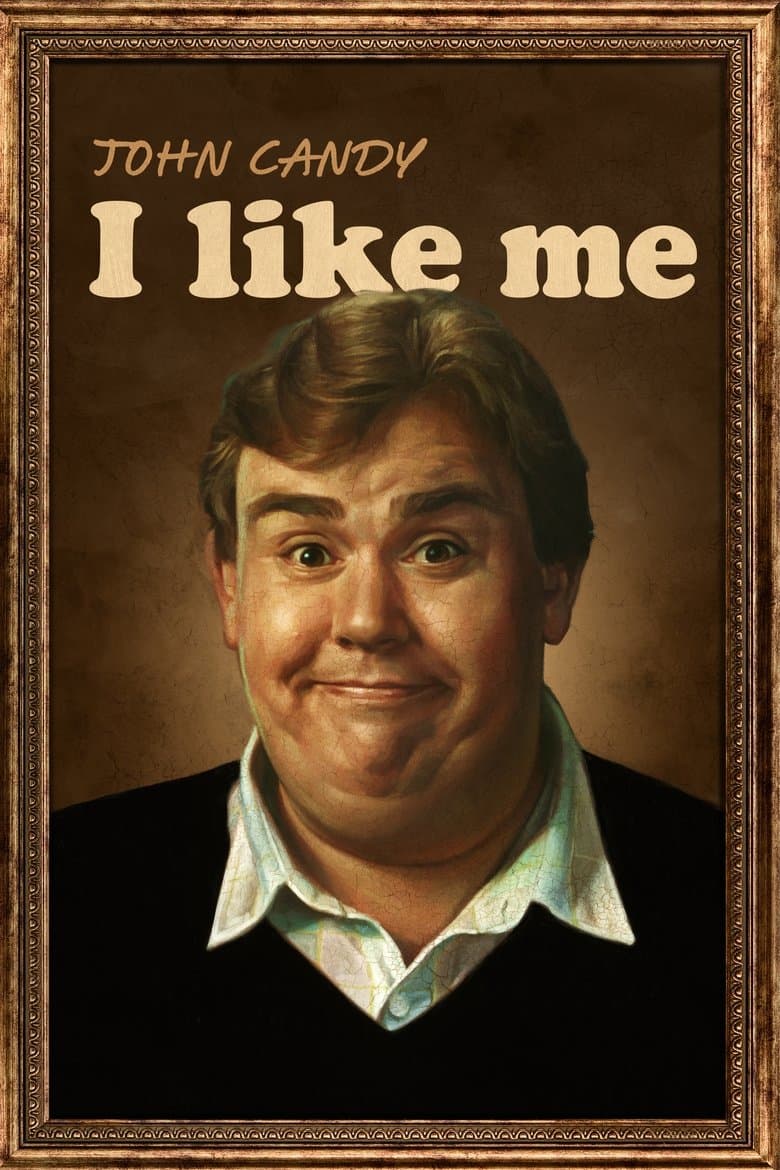
Movie · 2025
Those who knew iconic funnyman John Candy best share his story, in their own words, through never-before-seen archival footage, imagery, and interviews.
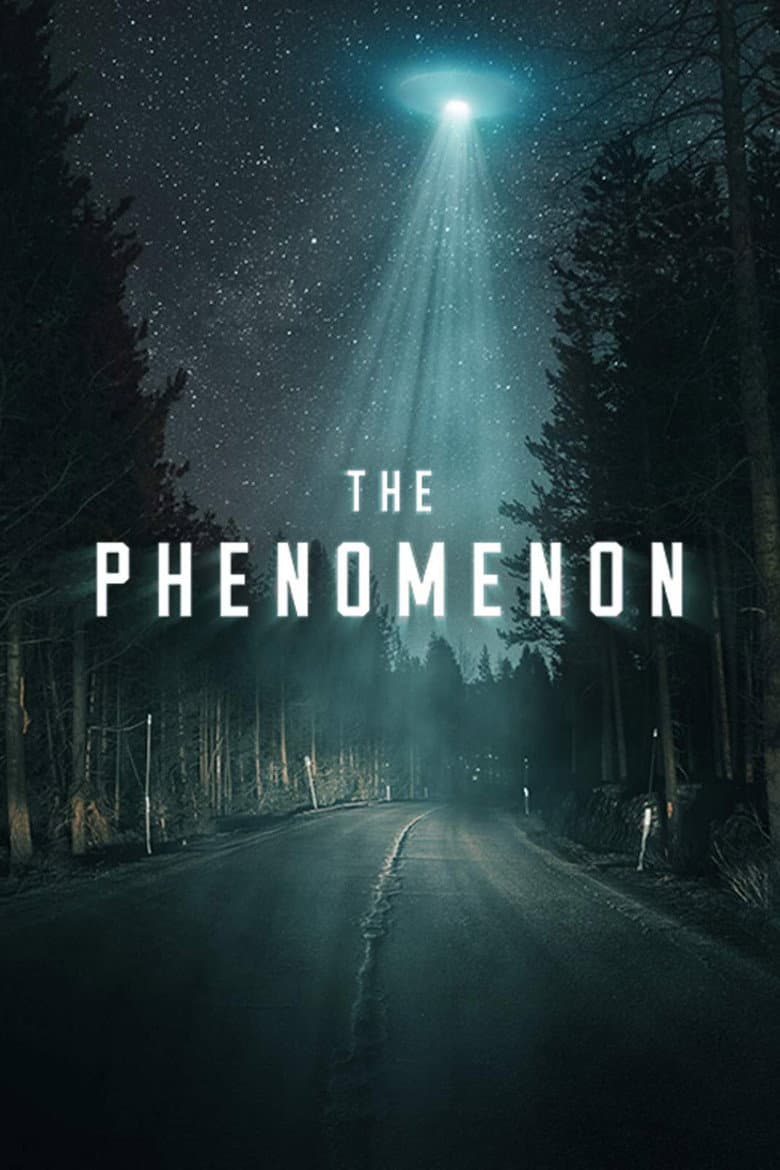
Movie · 2020
This documentary examines unidentified aerial phenomenon. With testimony from high-ranking government officials and NASA Astronauts, Senator Harry Reid says it "makes the…
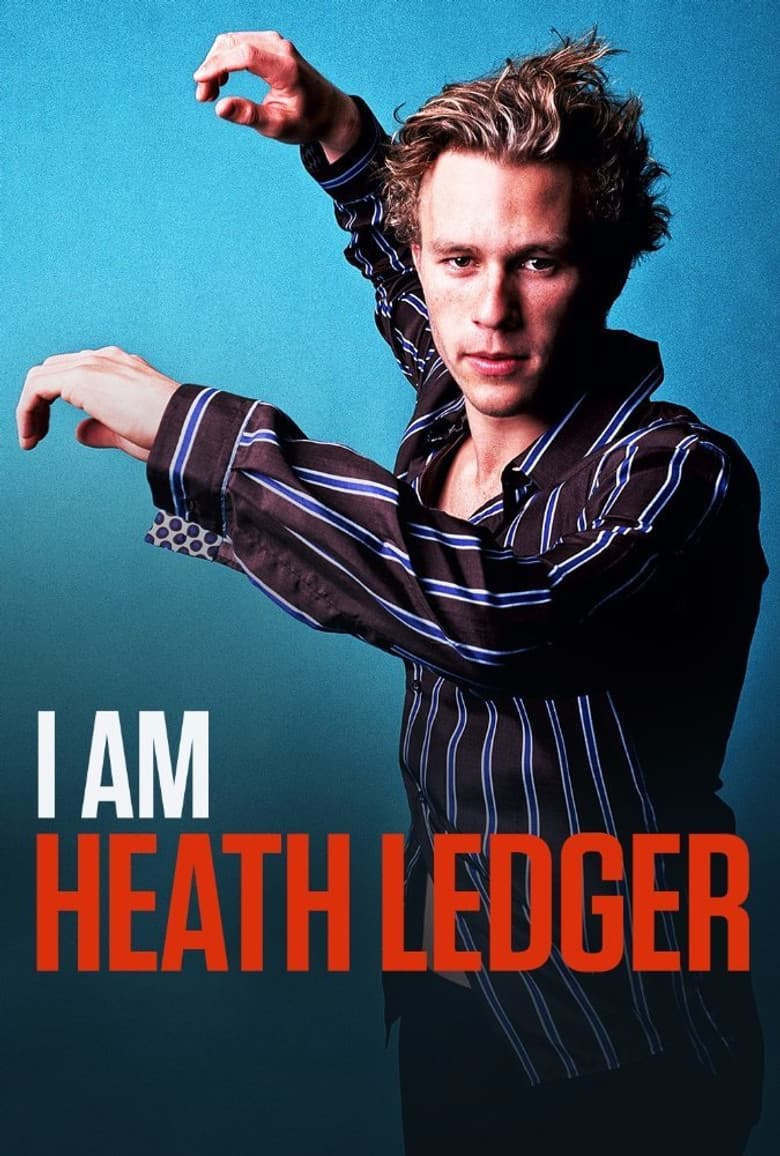
Movie · 2017
The life and career of an actor, artist, and icon. His own journey through his own camera.
Movie · 2016
Werner Herzog's exploration of the Internet and the connected world.
Movie · 2020
With this inventive portrait, director Kirsten Johnson seeks a way to keep her 86-year-old father alive forever.
Movie · 2022
An enchanting making-of story told through all-new in-depth interviews and cast conversations, inviting fans on a magical first-person journey through one of the most beloved film…
Movie · 2020
When Washington Post journalist Jamal Khashoggi disappears after entering Saudi Arabia’s consulate in Istanbul, his fiancée and dissidents around the world are left to piece…
Movie · 2016
With never-before seen home video, this film recounts the paranoid downward spiral of John E. du Pont and the murder of Olympic wrestler Dave Schultz.
