
Set It Up is a light romantic comedy set in New York City offices. Harper Moore and Charlie Young are tired assistants who work long hours for powerful bosses who treat them badly. They plan to make Kirsten, a sports editor, and Rick, a finance boss, fall in love so their own lives can improve. The plan brings Harper and Charlie together as they deal with work, dating, fear, and growing feelings.
The film gives Harper a strong career goal as a sports writer, and it shows Kirsten as a successful woman who built her own sports news company. Kirsten says that driven women face special pressure from men and tells Harper to stand up for herself. The movie also includes Duncan, Charlie's openly gay roommate, who has dates with men and is treated as a normal friend. The story uses these ideas as side parts of a funny workplace romance, while the main plot stays focused on love, work, and personal growth.
Community feedback
Was our 39% Woke rating accurate?
Breakdown
These are the editorial factors and ratings behind our score for Set It Up.
Woke representation / casting
Lucy Liu plays Kirsten, an Asian woman who runs a sports news company. Taye Diggs plays Rick, a black finance boss, and their different-race relationship becomes a key side plot. Duncan is a gay roommate who has visible dates with men. Director Claire Scanlon said she pushed hard for a diverse cast and wanted Manhattan to look like Manhattan. The setting supports the choices, and the film does not turn them into a speech, so the emphasis is clear but limited.
32%
Woke political dialogue
Kirsten says that men do not want to date women who beat them to a story. Kirsten calls her field a male-dominated industry and says driven women will face more abuse. Harper challenges the idea that men only want women who pretend to like sports. These lines are brief, and the movie quickly returns to jokes and romance.
18%
Identity-driven story themes
Harper's main goal is to become a sports writer, not to find a boyfriend. Kirsten's story presents a successful woman who became tough because she had to work in a male-led field. Kirsten and Harper's relationship becomes a lesson about a woman helping a younger woman find her voice. Duncan is openly gay and dates men without a coming-out plot. These ideas run through the side stories, but the main plot remains a conventional straight romance.
38%
Western institutional / cultural critique
The film shows powerful bosses taking workers' time and treating them as easy to replace. Kirsten says women must survive a male-dominated industry, while Charlie learns that money, status, and a model girlfriend do not make him happy. The story jokes about men who think they deserve control and about old dating rules. The conflict stays personal and comic, and the film does not make a broad attack on capitalism or Western society.
28%
Woke character or canon changes
Not present in this title.
0%
Anti-woke backlash and complaints
Not present. Searches of news and social media show no anti-woke complaints or accusations of pushing identity politics; reception was largely positive for entertainment value.
0%
Creator track record context
Claire Scanlon has credits on comedies with diverse casts and has spoken about diverse casting and women-led sets. Katie Silberman often writes ambitious young women and light feminist ideas. Their work supports the film's visible career and representation themes, but neither has a strong personal activist record in the stored context. The other listed producers and crew show little documented identity-focused activity.
30%
Production
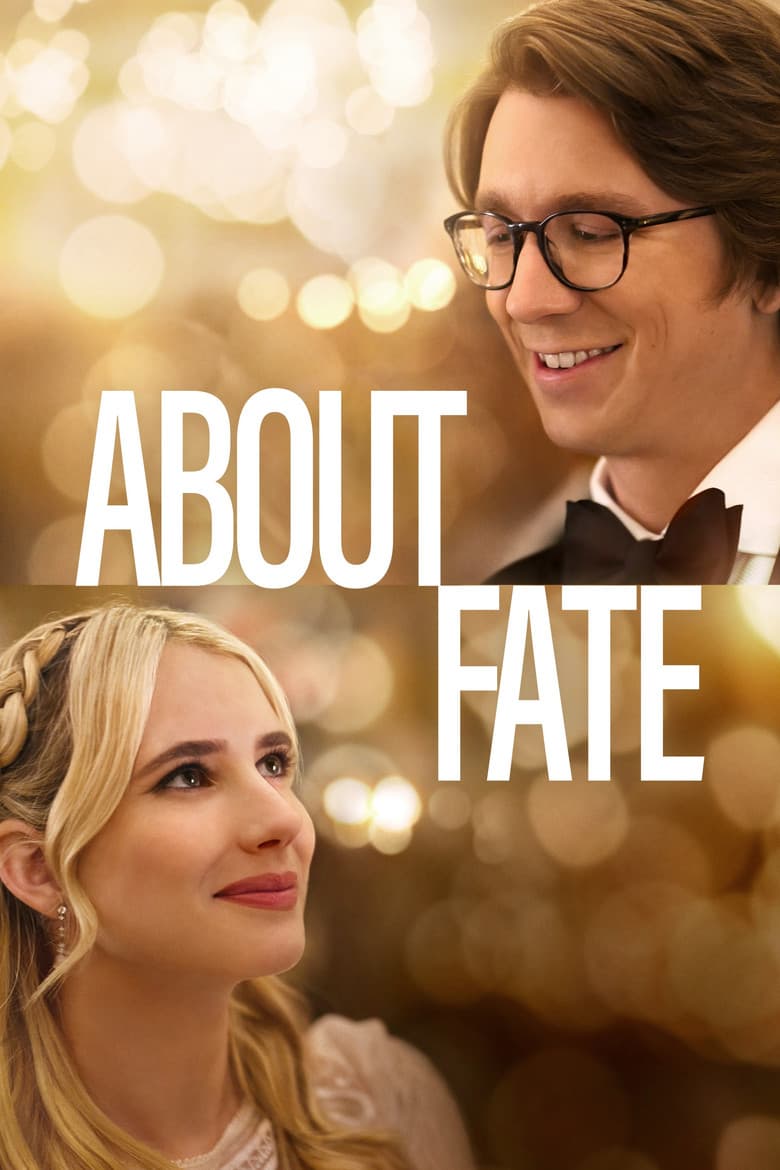
Movie · 2022
Two strangers believe in love but never seem to be able to find its true meaning. In a wild twist of events, fate puts each in the other's path on one stormy New Year's Eve.

Movie · 2024
A mild-mannered professor moonlighting as a fake hit man in police stings ignites a chain reaction of trouble when he falls for a potential client.

Movie · 2023
On the brink of losing her childhood home, Maddie discovers an intriguing job listing: wealthy helicopter parents looking for someone to “date” their introverted 19-year-old son…

Movie · 2023
After a disastrous first date, wild-child Nicole and socially-anxious Max vow to lose each other’s numbers until they learn that their dogs found a love match, and now puppies are…

Movie · 2019
Oh, Ramona! seeks the transformation of Andrew from a teenager into an adult who lives candidly and selflessly his first love story, innocent and uninvolved, alternating with the…

Movie · 2018
When teenager Elle's first kiss leads to a forbidden romance with the hottest boy in high school, she risks her relationship with her best friend.
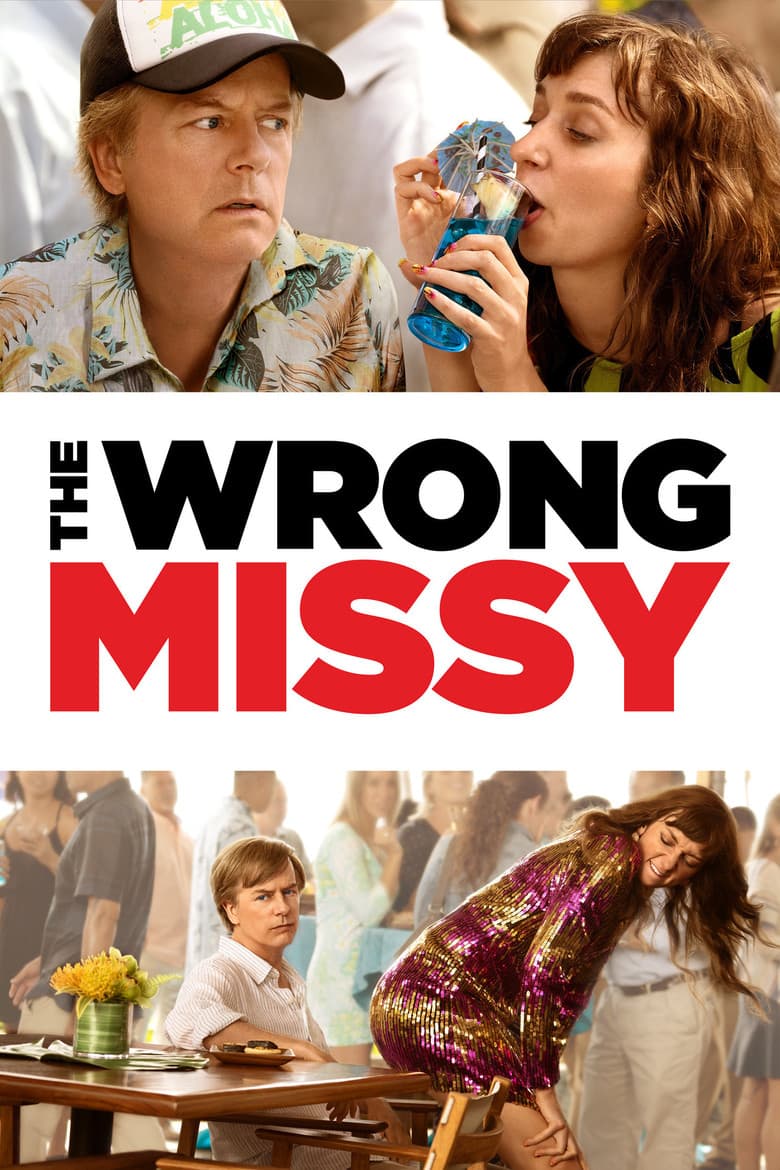
Movie · 2020
A guy meets the woman of his dreams and invites her to his company's corporate retreat, but realizes he sent the invite to the wrong person.

Movie · 2018
Titu is going to marry a perfect woman named Sweety. Titu's best-friend Sonu doubts Sweety's character and tries to break the marriage while Sweety tries to do opposite and which…
