
Jack Boucher is a worn-out bare-knuckle fighter living in the Mississippi Delta. He owes money to the crime boss Big Momma Sweet, and the bank may take the home his sick foster mother gave him. Jack wins enough cash to fix his problems, but a violent attack takes the money away. The dark thriller follows his last attempt to survive one more fight and earn a way back to the people he loves.
The film builds its heart around family, memory, and regret. Jack was abandoned as a child, and his foster mother gave him a home when no one else would. Annette is a carnival worker who is searching for her father, and she slowly discovers that Jack may be the man she has been trying to find. Big Momma controls the local fight world, while Jack must face his damaged body, his bad choices, and the fear that he has lost too much to change.
Community feedback
Was our 15% Woke rating accurate?
Breakdown
These are the editorial factors and ratings behind our score for Rumble Through the Dark.
Woke representation / casting
Marianne Jean-Baptiste plays Big Momma Sweet, a prominent black woman who runs the local mob and controls the fight business. The film gives her major power over the white male lead, but it does not call attention to her race or present the role as a diversity message. The rest of the main cast does not create an obvious representation-first pattern, so the signal stays limited.
18%
Woke political dialogue
Not present. The characters talk about debt, fights, family, crime, illness, and regret. The film does not use modern identity, DEI, or activist lines.
0%
Identity-driven story themes
Not present. The main story follows a damaged fighter, a lost daughter, a foster mother, and a local crime boss. The film centers on family, debt, memory loss, violence, and redemption instead of identity politics.
0%
Western institutional / cultural critique
Not present. The bank and crime world create pressure around Jack’s debt and home. The film does not turn that conflict into a modern attack on capitalism, patriarchy, Christianity, or Western institutions.
0%
Woke character or canon changes
Not relevant. The film adapts Michael Farris Smith’s own novel The Fighter. No identity-related change to an established character or real person is reported.
0%
Anti-woke backlash and complaints
Not present. The researched posts and reviews discuss the trailer, violence, pace, plot, and acting. No anti-woke, DEI, identity-politics, or boycott complaint was found.
0%
Creator track record context
The directors’ earlier film The Bygone dealt with missing Indigenous women, fracking, and tensions between native and white communities. Their interviews about this film focus on the Delta, bare-knuckle fighting, family, and redemption. Writer Michael Farris Smith has a mild political signal from supporting removal of Mississippi’s Confederate emblem, and producer Cassian Elwes has backed gender parity. This gives the crew some social-issue context, but it does not strongly shape this film.
29%
Production
Movie · 2021
Rescued as a child by the legendary assassin Moody and trained in the family business, Anna is the world’s most skilled contract killer.
Movie · 2024
When a Delta Force special ops mission goes terribly wrong, Air Force drone pilot Reaper has 48 hours to remedy what has devolved into a wild rescue operation.
Movie · 2023
During the war in Afghanistan, a local interpreter risks his own life to carry an injured sergeant across miles of grueling terrain.
Movie · 2017
With the Third Reich at its peak in 1942, the Czech resistance in London plans the most ambitious military operation of WWII – Anthropoid.
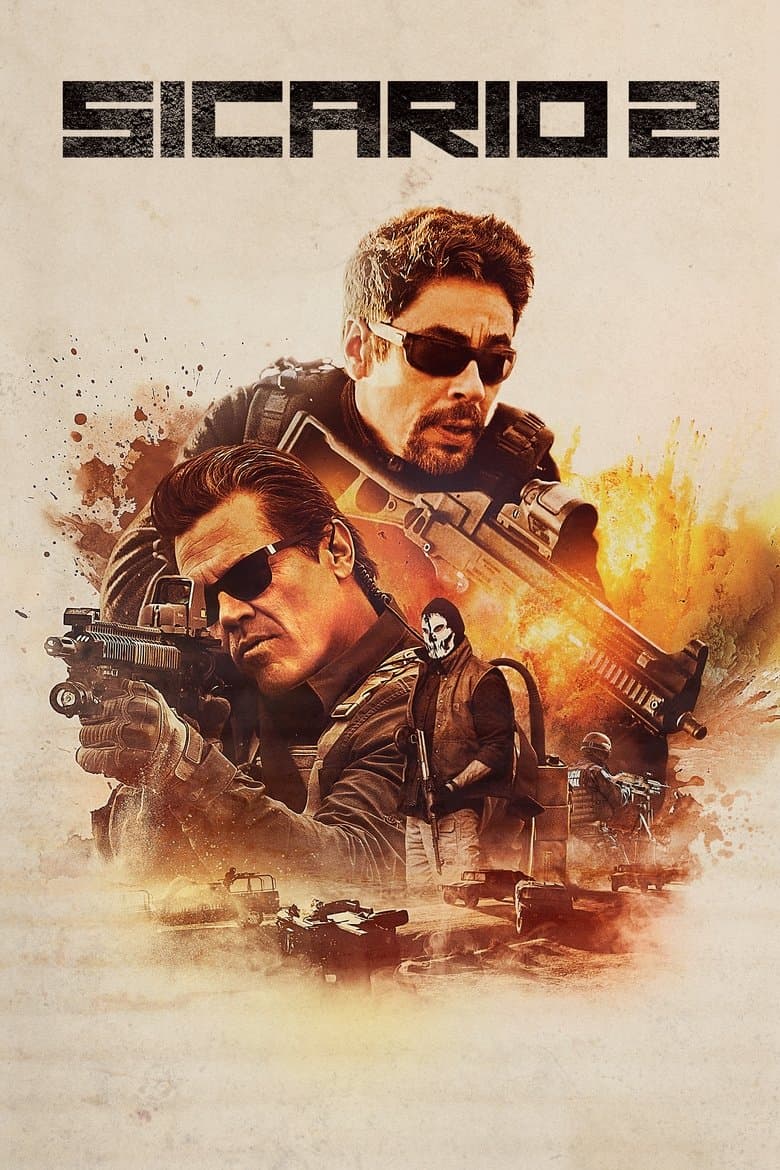
Movie · 2018
Agent Matt Graver teams up with operative Alejandro Gillick to prevent Mexican drug cartels from smuggling terrorists across the United States border.
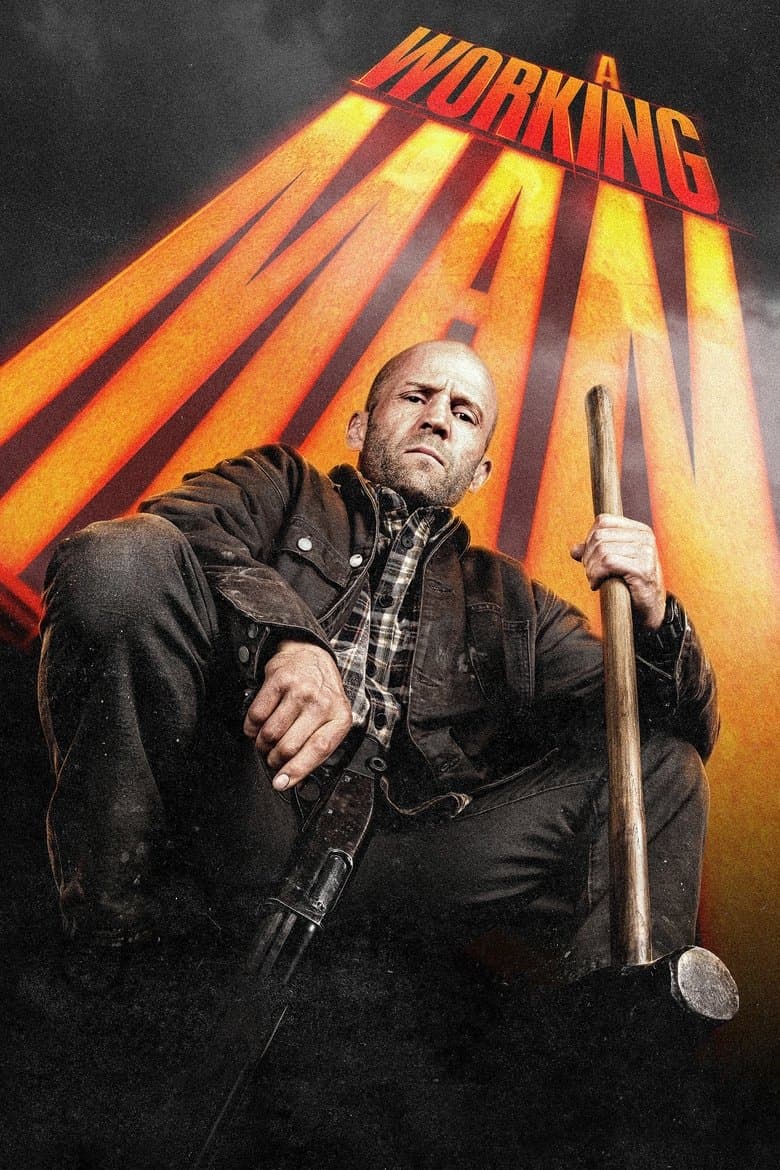
Movie · 2025
Levon Cade left behind a decorated military career in the black ops to live a simple life working construction.
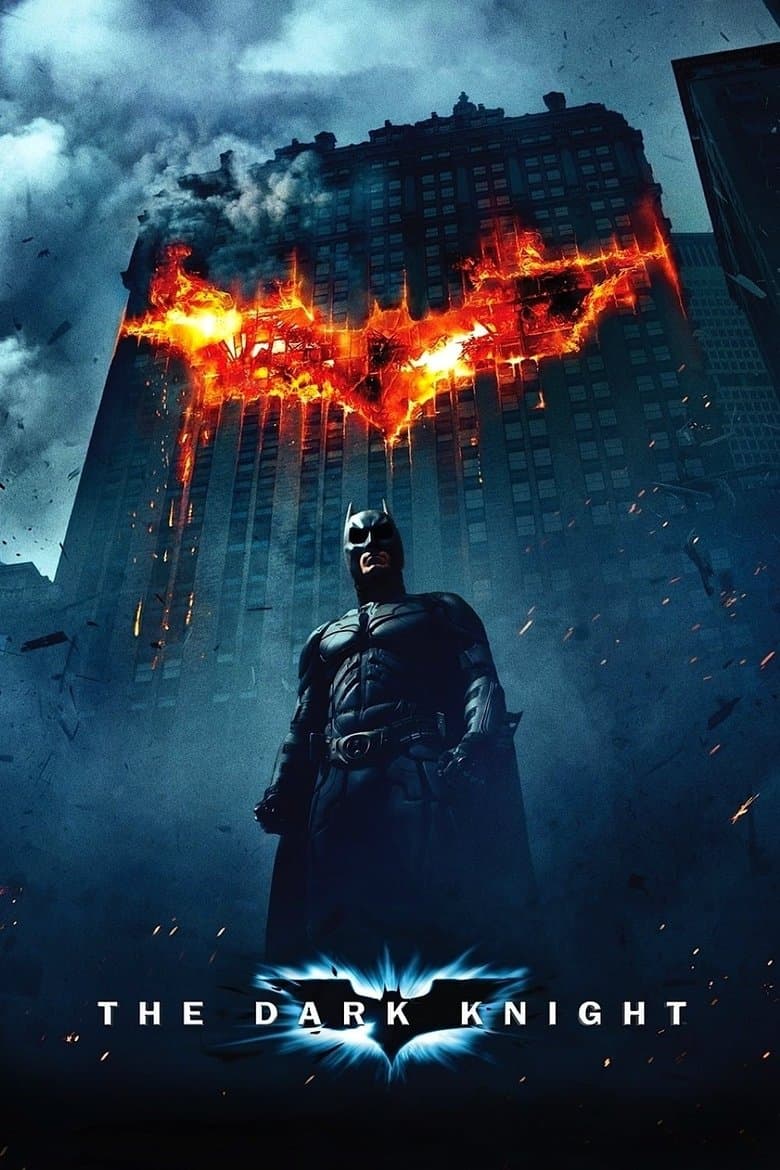
Movie · 2008
Batman raises the stakes in his war on crime. With the help of Lt. Jim Gordon and District Attorney Harvey Dent, Batman sets out to dismantle the remaining criminal organizations…
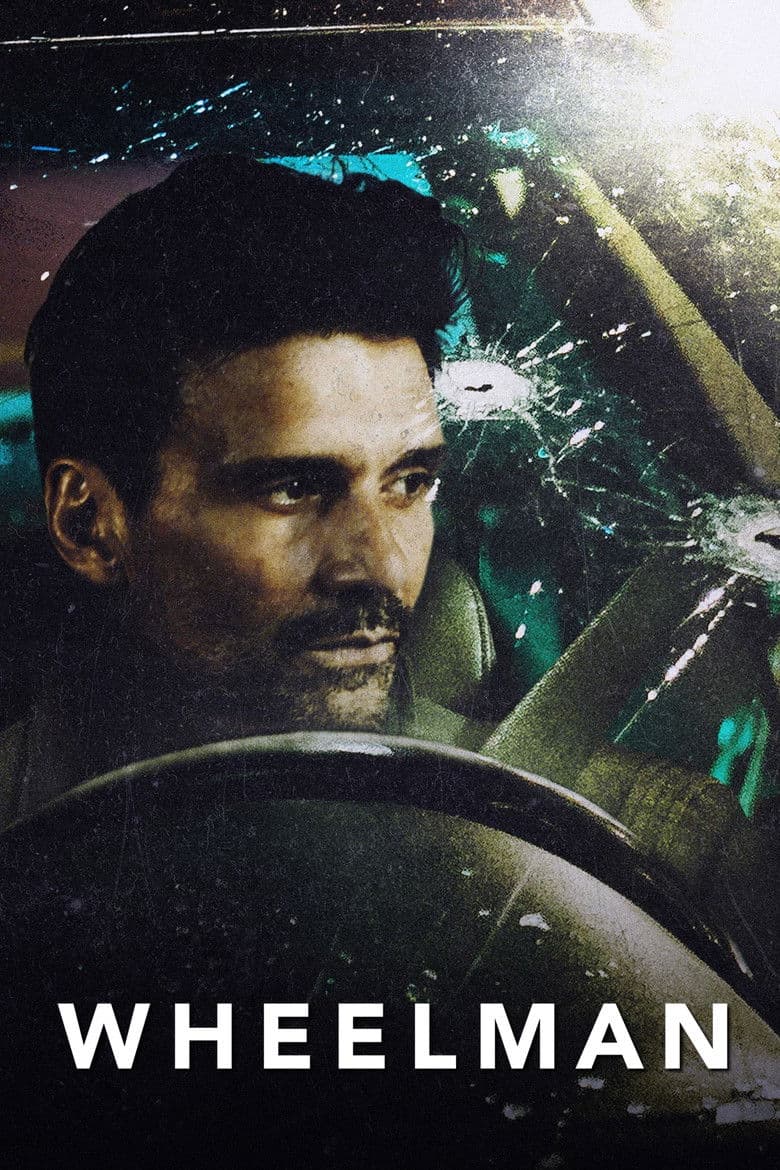
Movie · 2017
A getaway driver for a bank robbery realizes he has been double crossed and races to find out who betrayed him.
