
Robert Freegard is a charming conman who pretends to be an MI5 spy. He tricks students and later a smart London lawyer into trusting him, then takes their money and control of their lives. The story is set in Britain from the 1990s into the 2000s. It is a slow, tense true-crime thriller about lies, fear, and a long chase. The lawyer who falls for him fights back and helps bring him down.
The film is mostly a crime story about a real conman and the people he hurt. Viewers mainly see mind games, fake spy talk, and a woman who stops believing him and works with police to catch him. A few reviews frame that ending as a “feminist triumph,” and the directors once described her legal job as a “male-driven” city world she escapes. Some supporting roles use modern UK diversity (including a police detective and a U.S. agent). Those notes stay light. They sit under the main plot of fraud and control, not loud race, queer, or activist messaging.
Community feedback
Was our 23% Woke rating accurate?
Breakdown
These are the editorial factors and ratings behind our score for Rogue Agent.
Woke representation / casting
Modern UK supporting cast includes a South Asian-coded detective (Shazad Latif), a black U.S. agent (Edwina Findley), and other diverse bit parts. Leads are white British and fit the real people. Diversity looks normal for a London thriller, not a heavy “identity first” lead pattern or obvious quota spotlight.
22%
Woke political dialogue
Talk is about fake MI5 work, IRA fear, money, lies, and the investigation. No clear activist speeches on race, gender theory, or social-justice slogans that a normal viewer would clock as lectures.
0%
Identity-driven story themes
Core theme is a conman’s control and a woman who helps stop him. Some reviews call that a feminist triumph. Directors note her leaving a “male-driven” legal world. That is mild gender-power framing on a real crime story, not a race/queer identity sermon.
28%
Western institutional / cultural critique
MI5 is a prop for the scam, not torn down as evil. Light “male-driven” city-job framing around Alice. Not a big attack on capitalism, church, or the West as a system. Conning and abuse of power are the crime plot, not modern activist theory.
5%
Woke character or canon changes
Alice is renamed and partly composite; the film centers her role in the capture more than some real accounts that also credit FBI and family help. That is normal true-story packing and a woman-hero focus, not a race or identity rewrite of a famous canon figure.
8%
Anti-woke backlash and complaints
No meaningful anti-woke or right-leaning campaign treating the film as DEI/identity propaganda. Coverage stays on true crime, acting, and pace.
0%
Creator track record context
Directors and DP are craft/journalism-led at 0 in the cache. Writer-producer Bronner is a mild progressive/humanitarian 20, not an identity-first brand. Overall crew signal for this title stays low.
8%
Production

Movie · 2022
Based on the true nail-biting mission that captivated the world. Twelve boys and the coach of a Thai soccer team explore the Tham Luang cave when an unexpected rainstorm traps…
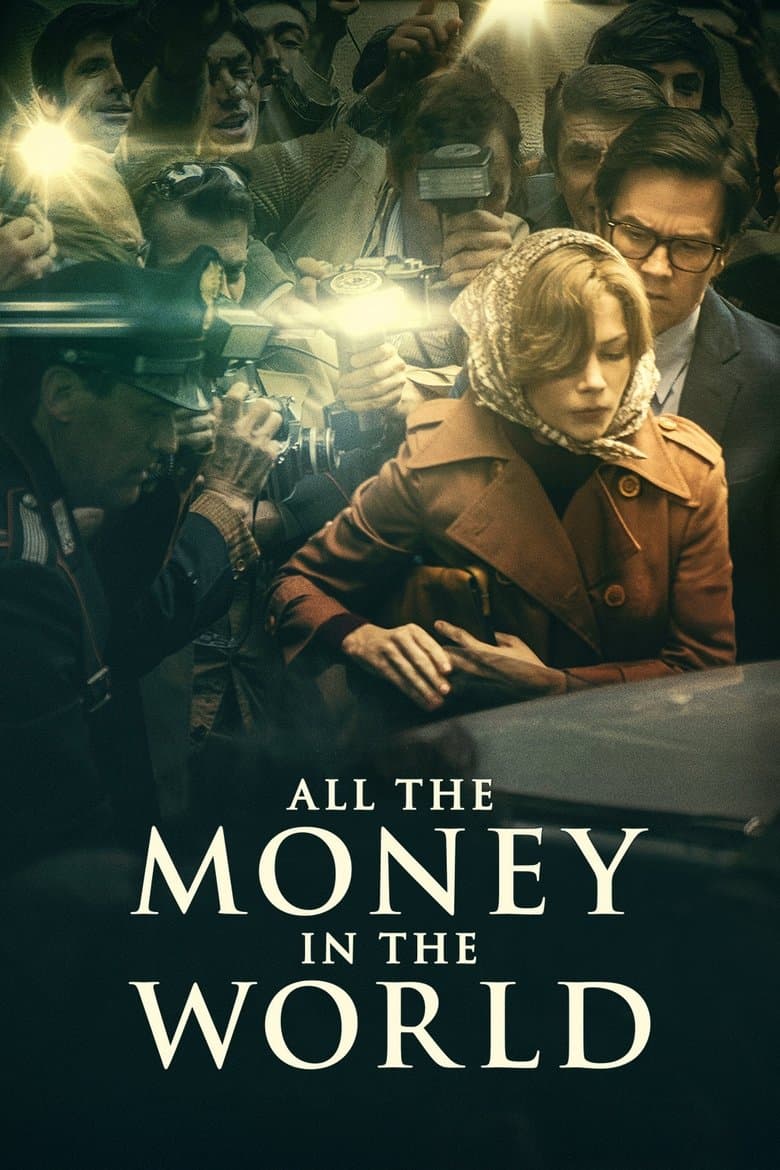
Movie · 2017
The story of the kidnapping of 16-year-old John Paul Getty III and the desperate attempt by his devoted mother to convince his billionaire grandfather Jean Paul Getty to pay the…

Movie · 2019
In 1933, Welsh journalist Gareth Jones travels to Ukraine, where he experiences the horrors of a famine. Everywhere he goes he meets henchmen of the Soviet secret service who are…

Movie · 2016
When Krisha returns to her estranged family for Thanksgiving dinner, past demons threaten to ruin the festivities.

Movie · 2016
When Iraq invades Kuwait in August, 1990, a callous Indian businessman becomes the spokesperson for more than 170,000 stranded countrymen.
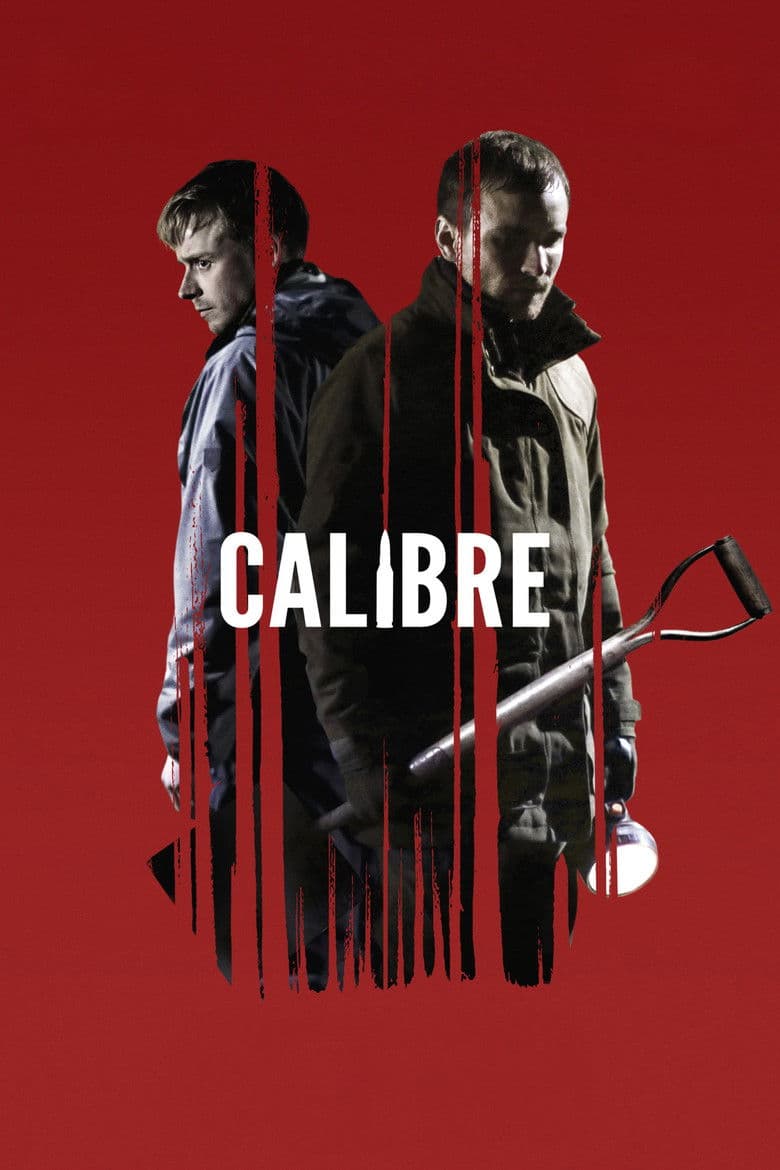
Movie · 2018
Two lifelong friends head up to an isolated Scottish Highlands village for a weekend hunting trip that descends into a never-ending nightmare as they attempt to cover up a…
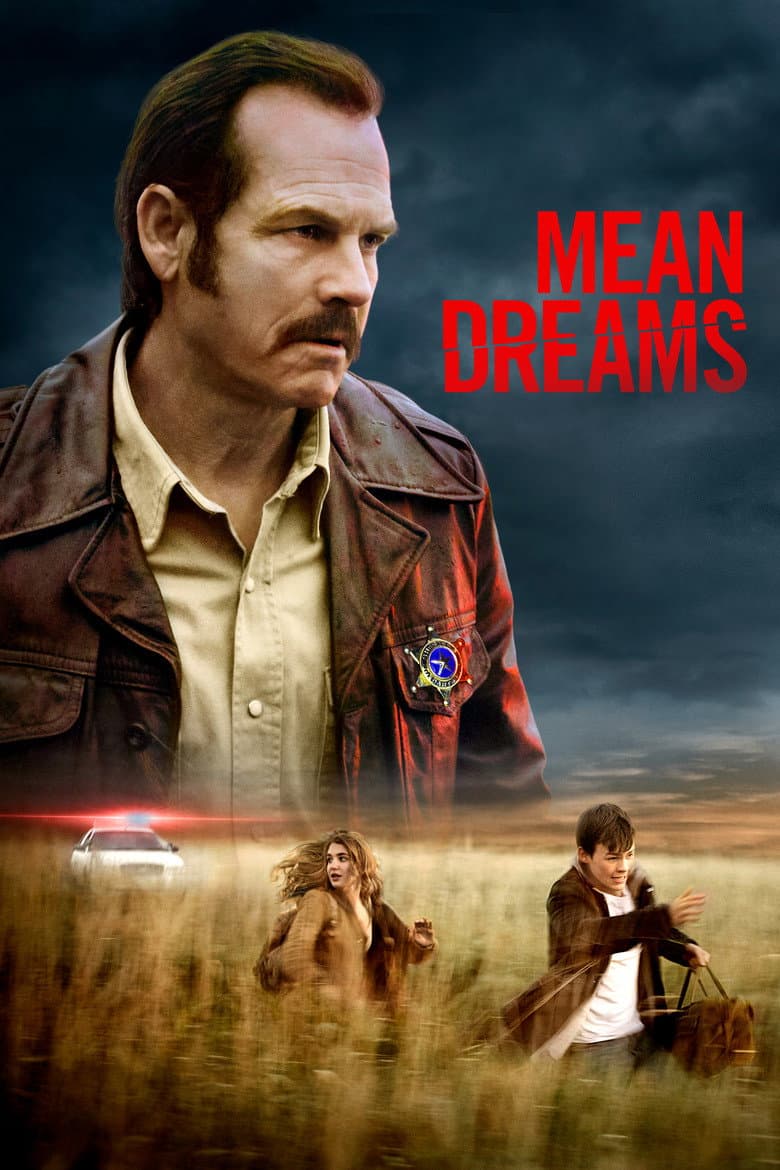
Movie · 2016
When two youngsters meet and fall for each other, they must go on the run from the girl's corrupt father, who is also the sheriff of the town.

Movie · 2025
Marty Mauser, a young man with a dream no one respects, goes to hell and back in pursuit of greatness.
