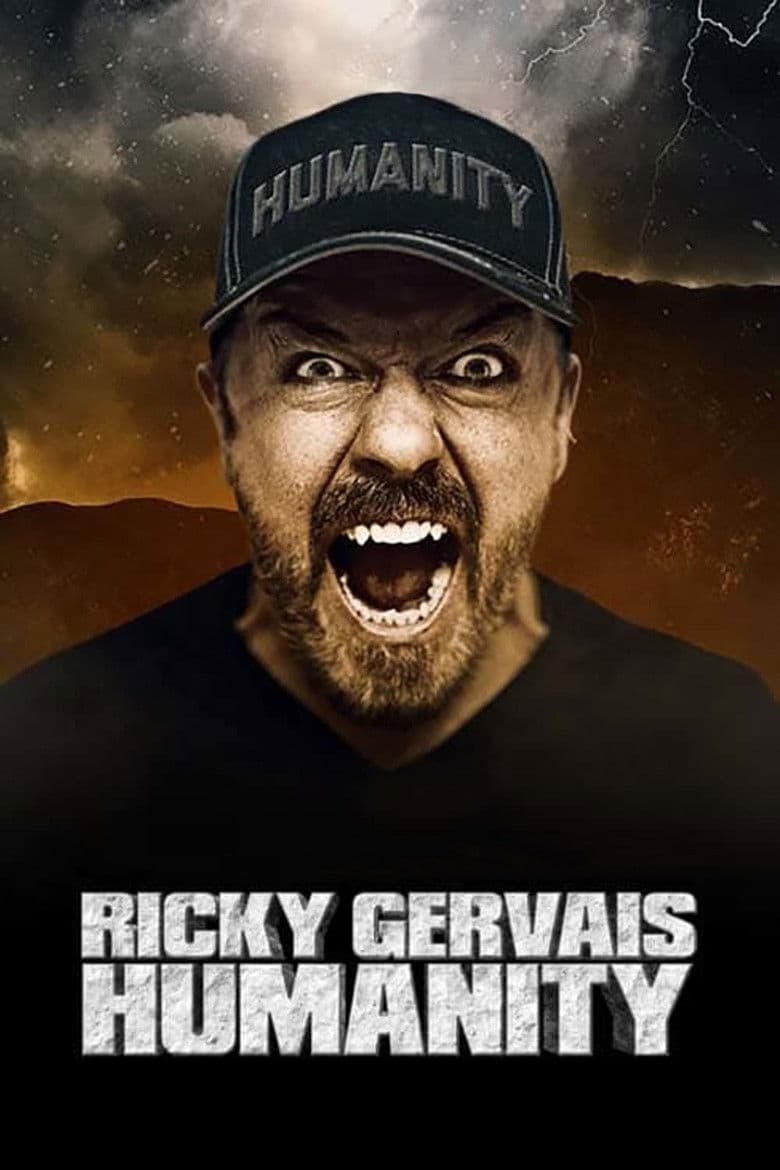
Ricky Gervais performs alone on a London stage in this 2018 Netflix stand-up special. He looks back on his childhood, his rich life, his choice not to have children, aging, death, and the strange habits of people. He also tells stories about his family, social media fights, animal cruelty, religion, and jokes that upset people. The tone is rude, dark, self-mocking, and built around his claim that people can laugh at bad subjects without being bad people.
The clearest identity-related material comes at the start, when Gervais spends a long routine on his Caitlyn Jenner joke and the charge that it was transphobic. He talks about being called out online and says the joke targets celebrity privilege and bad driving, while the routine still uses transgender identity as its main subject. Later jokes mention homosexuality, gender change, a man becoming a chimp, and a Christian critic who dislikes gay people. These parts are easy to notice, but the special mainly uses them to attack outrage and defend offensive comedy rather than to promote a diversity program or a wider identity campaign.
Community feedback
Was our 20% Woke rating accurate?
Breakdown
These are the editorial factors and ratings behind our score for Ricky Gervais: Humanity.
Woke representation / casting
Not present. The special has one on-screen performer, Ricky Gervais. It does not build a cast or use a repeated identity-based casting pattern.
0%
Woke political dialogue
Gervais repeatedly talks about transgender identity, the Caitlyn Jenner joke, homosexuality, and the right to make offensive jokes. The opening routine uses several lines about gender change and the idea that people can define their own identity. A later atheist routine mocks a Christian critic who rejects homosexuality. The dialogue is identity-related and politically charged, but it mostly argues against outrage and political correctness instead of urging a DEI or activist program.
13%
Identity-driven story themes
The special repeatedly centers on identity-linked arguments about Caitlyn Jenner, transgender people, homosexuality, and who gets to decide what is offensive. Gervais uses these subjects to explain his public disputes and his view of free speech. The material shapes the opening and returns later through jokes about religion and social media. The special attacks sensitivity more than it promotes representation or identity rights, so the theme is important but not dominant.
14%
Western institutional / cultural critique
Gervais mocks a creationist Christian, questions religious teaching about homosexuality, and calls social media a place where people reward agreement over truth. He also attacks the idea that public complaints should control comedy. These points criticize religion, online culture, and public manners. The special does not build a sustained attack on Western institutions or traditional family life.
25%
Woke character or canon changes
Not relevant. The special is an original stand-up performance and does not adapt a story with established characters. It contains no identity-based recasting or canon change.
0%
Anti-woke backlash and complaints
Not present. Reported complaints focused on anti-trans jokes and did not say the special pushed woke or DEI themes. No anti-woke boycott or mass low-rating campaign was found.
0%
Creator track record context
Ricky Gervais and John L. Spencer do not have a strong record of activist or identity-focused work. Producer Lisa Nishimura worked on 13th, and producer Robbie Praw supported LGBTQ-focused comedy programming. Those links give mild representation context, but they do not show that Humanity follows those ideas.
12%
Production
Movie · 2018
Adam Sandler takes his comical musical musings back out on the road, from comedy clubs to concert halls to one very unsuspecting subway station.
Movie · 2016
A comedy that follows a group of friends as they navigate their way through the freedoms and responsibilities of unsupervised adulthood.
Movie · 2018
Outspoken as ever, comedian Joe Rogan takes on politics, pro wrestling, pot laws, cats, vegans and much more in a stand-up special shot in Boston.
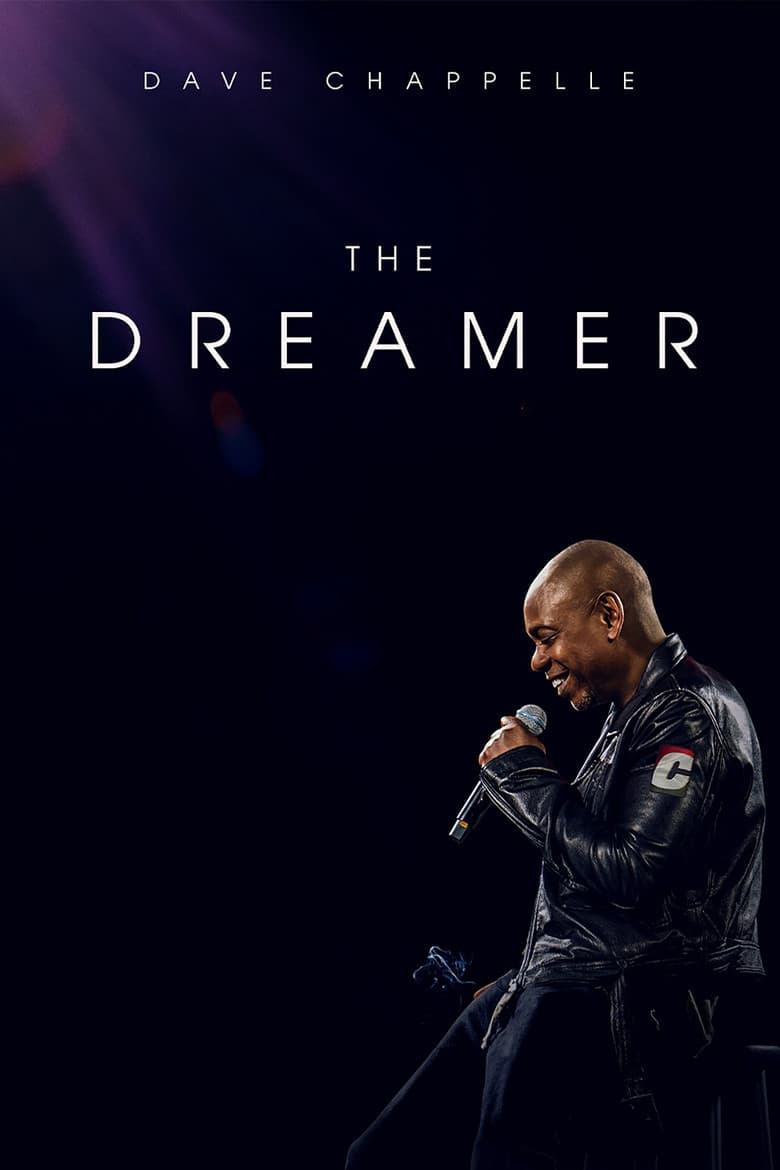
Movie · 2023
From his onstage tackle to the slap heard round the world, Dave Chappelle lets loose in this freewheeling and unfiltered stand-up comedy special.
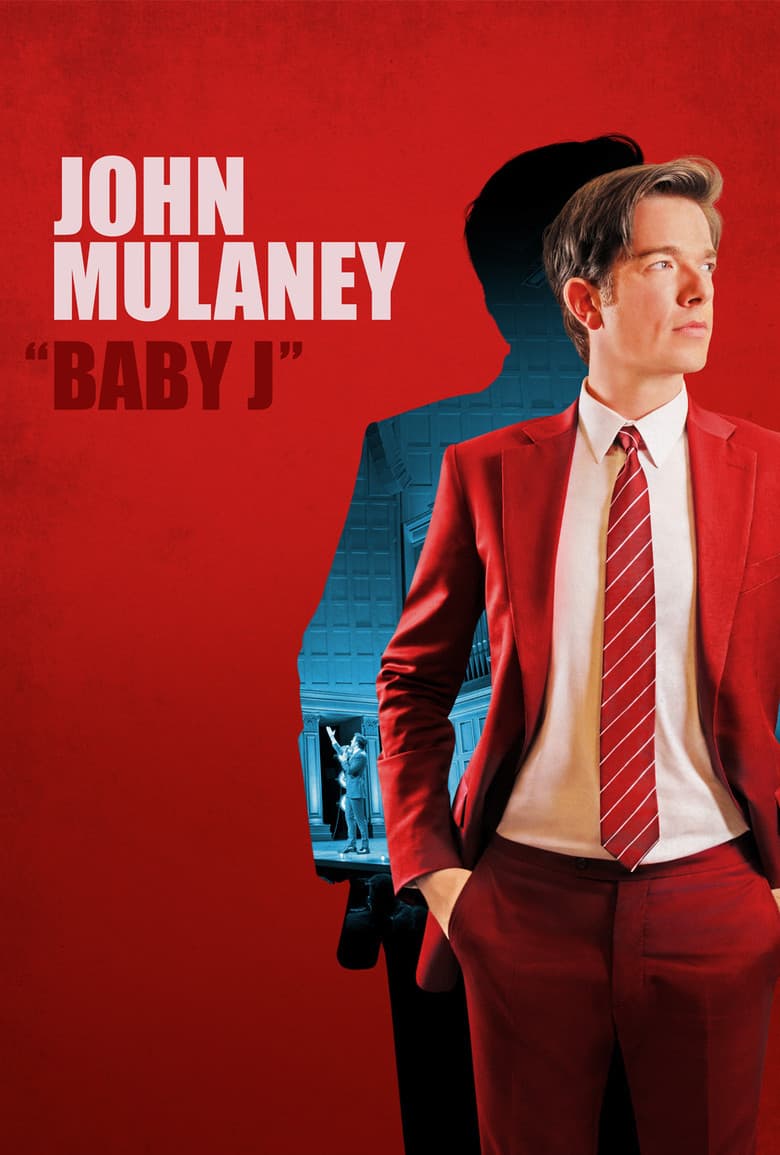
Movie · 2023
A chaotic intervention. An action-packed stay in rehab. After a weird couple of years, John Mulaney comes out swinging in his return to the stage.
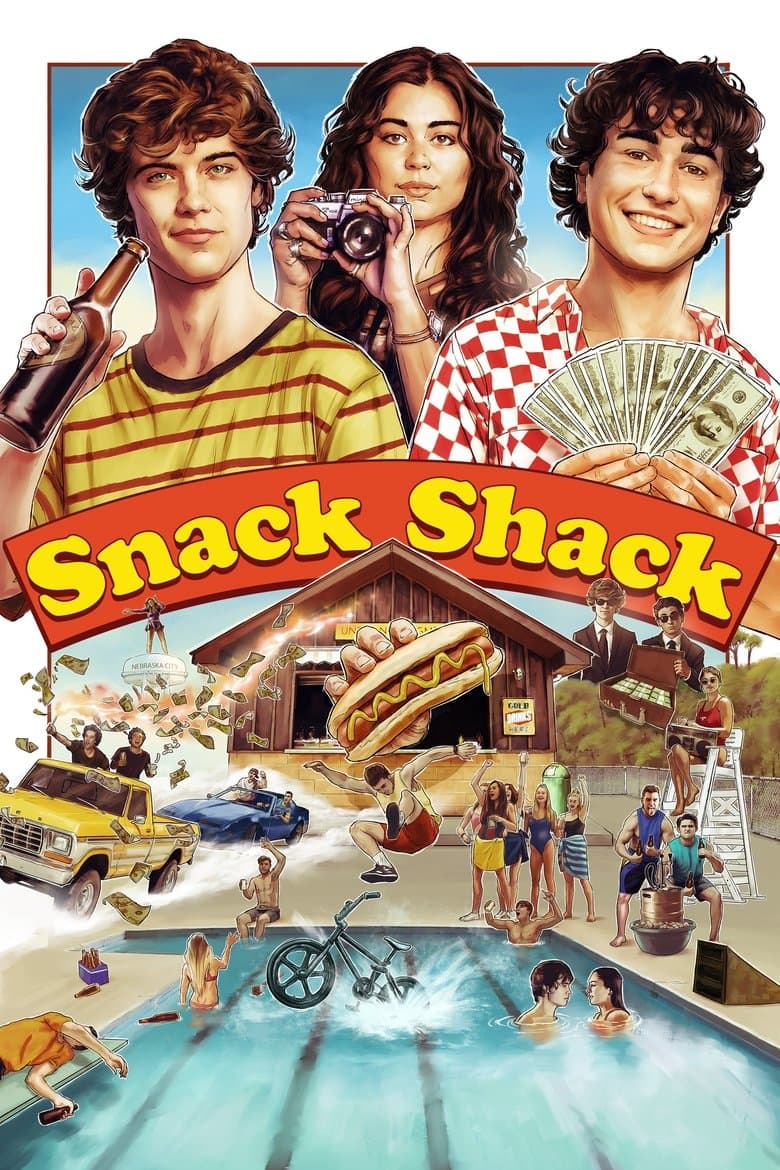
Movie · 2024
Inseparable best friends AJ and Moose decide to run the local pool's snack shack after their plan to sell home-brewed beer goes down the drain.
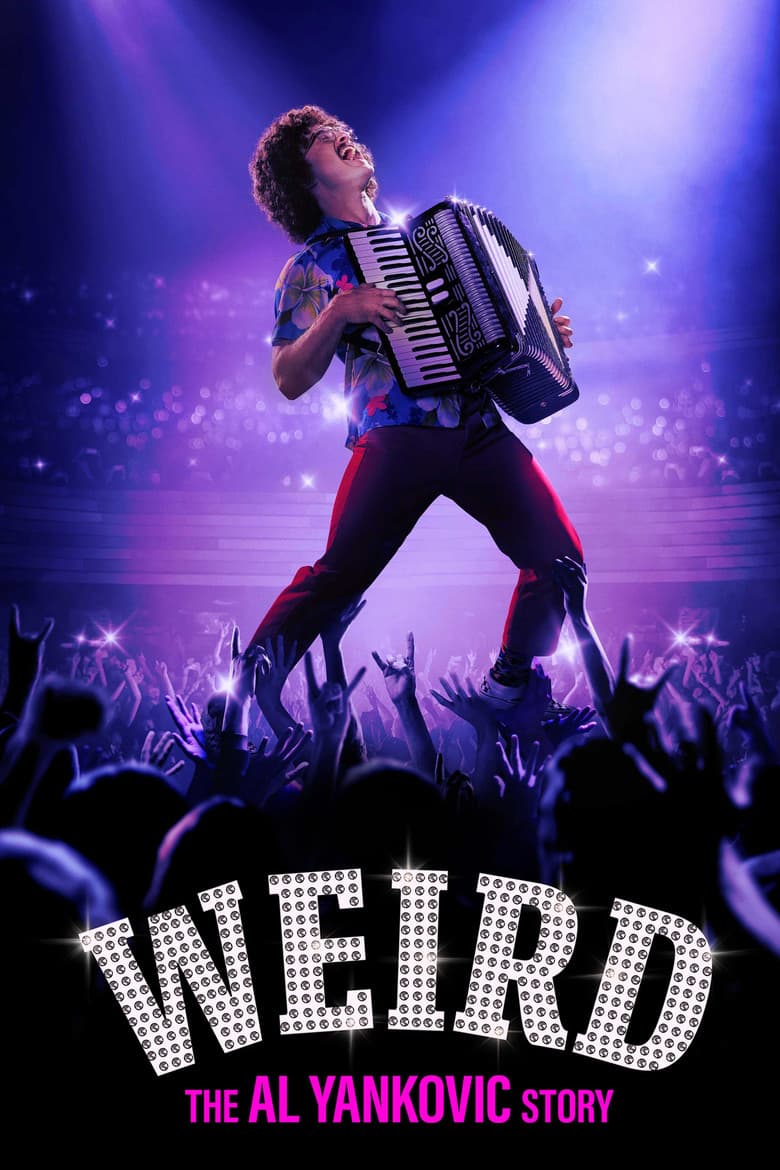
Movie · 2022
Exploring every facet of ‘Weird Al’ Yankovic’s life, from his meteoric rise to fame with early hits like ‘Eat It’ and ‘Like a Surgeon’ to his torrid celebrity love affairs and…

Movie · 2024
Mismatched cousins David and Benji reunite for a tour through Poland to honor their beloved grandmother. The adventure takes a turn when the pair's old tensions resurface against…
