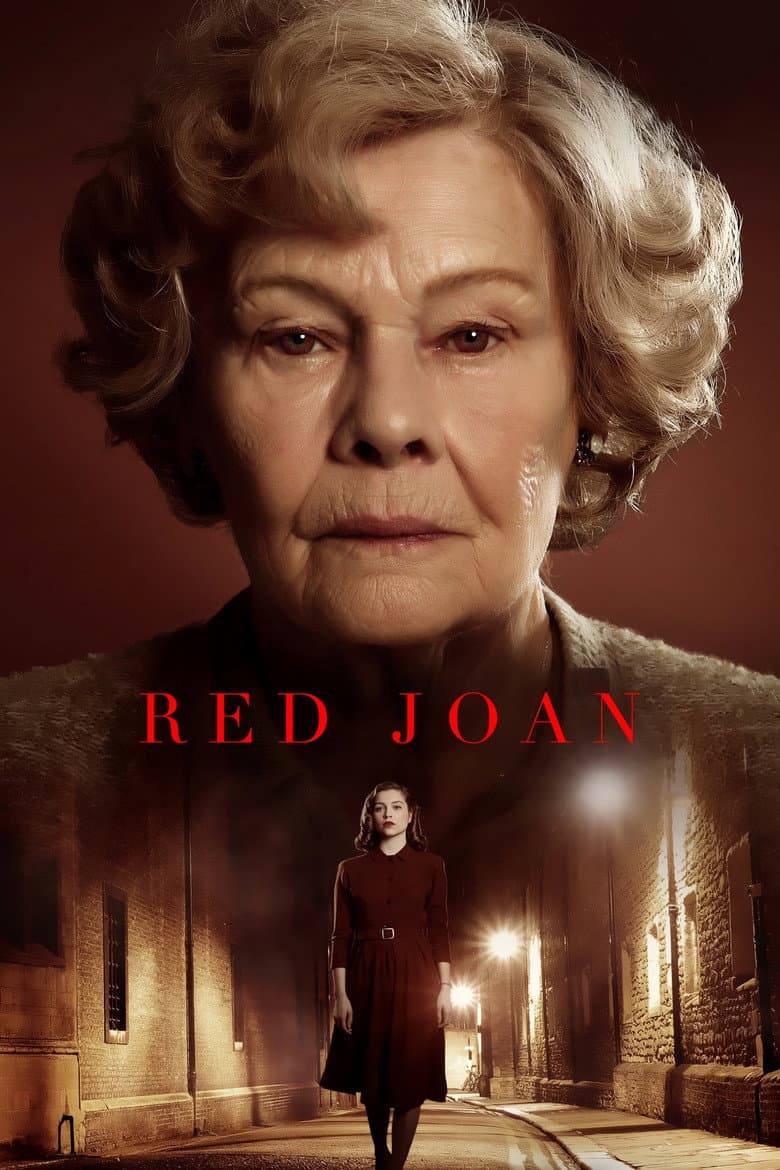
Red Joan follows Joan Stanley, an older woman whose quiet life in London ends when British officers arrest her for spying for the Soviet Union. The film moves between her questioning in 2000 and her student years at Cambridge in the late 1930s and 1940s. Joan studies physics, works on a secret atomic project, and faces a choice between loyalty to Britain and fear of another nuclear war. The tone is calm and serious, with romance, secrecy, and moral doubt.
The film gives a clear place to a woman’s struggle in a male-run world. Joan is treated as a low-level helper even after earning top marks in physics, and she uses the fact that women are overlooked to pass secrets. The story also treats her peace argument with sympathy after Hiroshima and Nagasaki, while showing communist meetings and a gay male relationship in the background. These ideas matter to the story, but the main focus stays on espionage, nuclear weapons, love, betrayal, and whether Joan’s choice can be defended.
Community feedback
Was our 41% Woke rating accurate?
Breakdown
These are the editorial factors and ratings behind our score for Red Joan.
Woke representation / casting
The film centers a British woman as a physics student, nuclear worker, and spy. The story and its publicity stress that men overlook women and that Joan uses this blind spot. Sonya and Leo are Russian Jewish refugees, and their identities fit the period story rather than adding a modern diversity mix. The casting therefore gives a mild representation signal, not a broad or mismatched pattern.
18%
Woke political dialogue
Joan attends Communist meetings where students argue for a different social order and support the Soviet side. Leo gives a strong political speech and treats his cause as more important than personal loyalty. Sonya says that women will not be suspected, and Joan later argues that equal nuclear weapons can stop another war. The dialogue makes communism, peace, and gender underestimation visible, but it belongs to the period plot.
30%
Identity-driven story themes
The film repeatedly shows Joan being treated as background help even after earning top marks in physics. Joan turns that underestimation into a spy advantage, and the women around her discuss how men ignore them. The story presents her as a morally serious woman who can challenge male control of nuclear weapons. This creates a clear women’s empowerment thread, but the main conflict remains nuclear war, loyalty, and romance.
44%
Western institutional / cultural critique
The film shows the British science and security systems as male-led places that dismiss Joan and hide dangerous decisions from the public. Joan also rejects the state’s right to keep nuclear power while civilians die. The story criticizes old institutions and war policy, but it does not make a repeated modern attack on Western culture, Christianity, family life, or capitalism.
18%
Woke character or canon changes
Not relevant. The film uses a fictional character inspired by Melita Norwood. Its changes to Norwood’s politics and career serve the story and do not change an established identity or add a DEI rewrite.
0%
Anti-woke backlash and complaints
Movieguide objected to the film’s humanist, anti-patriotic view and its sympathetic treatment of giving nuclear secrets to the Soviet Union. The 8 Percent review complained that a committed communist had been softened into a more acceptable spy for modern viewers. No large anti-woke campaign appears in major coverage, and the separate X pass found no anti-woke reaction. The available complaints are fringe and focus on communism and patriotism.
18%
Creator track record context
Trevor Nunn has a mild centre-left and humanist record, but no sustained modern identity-activist profile. Lindsay Shapero and Jennie Rooney mainly work with historical, factual, and personal stories, with little public DEI advocacy. Kelly E. Ashton has a gender-equality film credit, while the other stored producers are mostly commercial or craft-focused. The creative team adds a mild context signal rather than a strong activist one.
18%
Production

Movie · 2022
For best friends Becky and Hunter, life is all about conquering fears and pushing limits. But after they climb 2,000 feet to the top of a remote, abandoned radio tower, they find…
Movie · 2024
While serving as a juror in a high profile murder trial, family man Justin Kemp finds himself struggling with a serious moral dilemma…one he could use to sway the jury verdict and…
Movie · 2017
Though Kevin has evidenced 23 personalities to his trusted psychiatrist, Dr. Fletcher, there remains one still submerged who is set to materialize and dominate all the others.
Movie · 2016
In December 1941, Czech soldiers Jozef Gabčík and Jan Kubiš parachute into their occupied homeland to assassinate Nazi officer Reinhard Heydrich.

Movie · 2022
Based on the true nail-biting mission that captivated the world. Twelve boys and the coach of a Thai soccer team explore the Tham Luang cave when an unexpected rainstorm traps…

Movie · 2024
Nothing is what it seems when a twisted one-night stand spirals into a serial killer’s vicious murder spree.
Movie · 2017
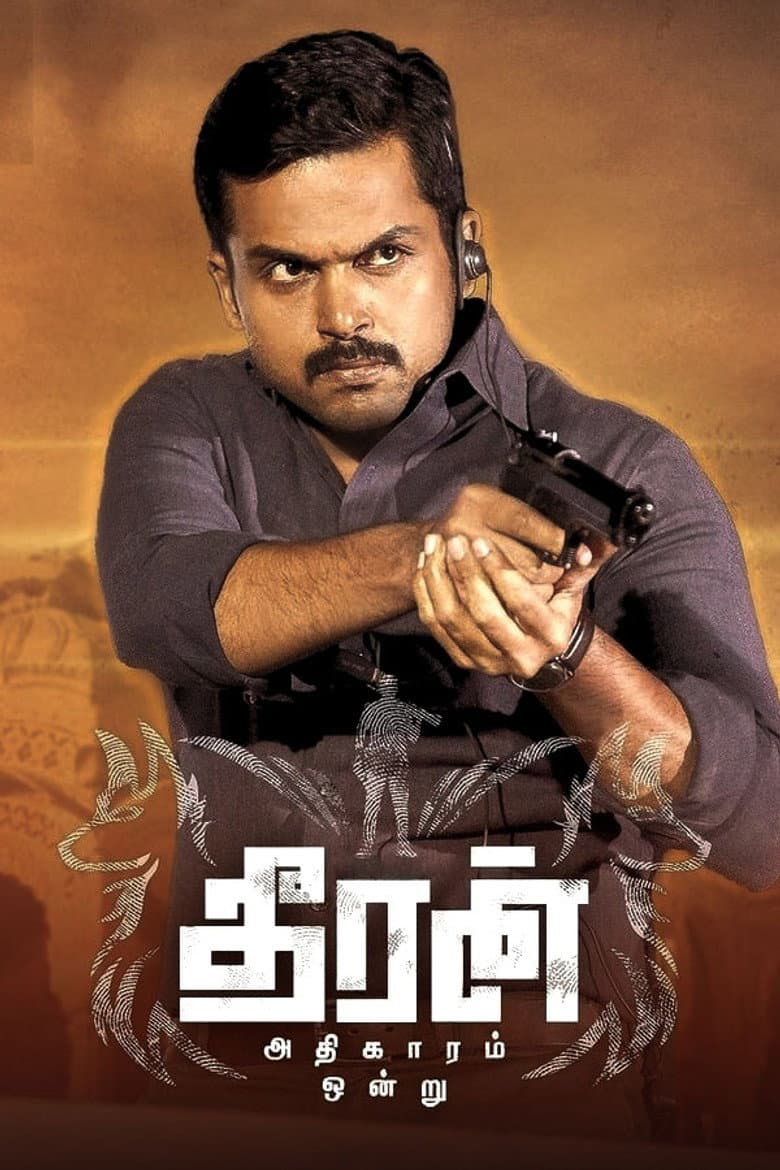
A hardnosed cop goes after a gang of ruthless dacoits who have been terrorising residents along the highway for a decade.

Movie · 2021
Ten years after he was last seen, a vicious mob enforcer returns home to find his son and methodically track down the gang that double-crossed him.
