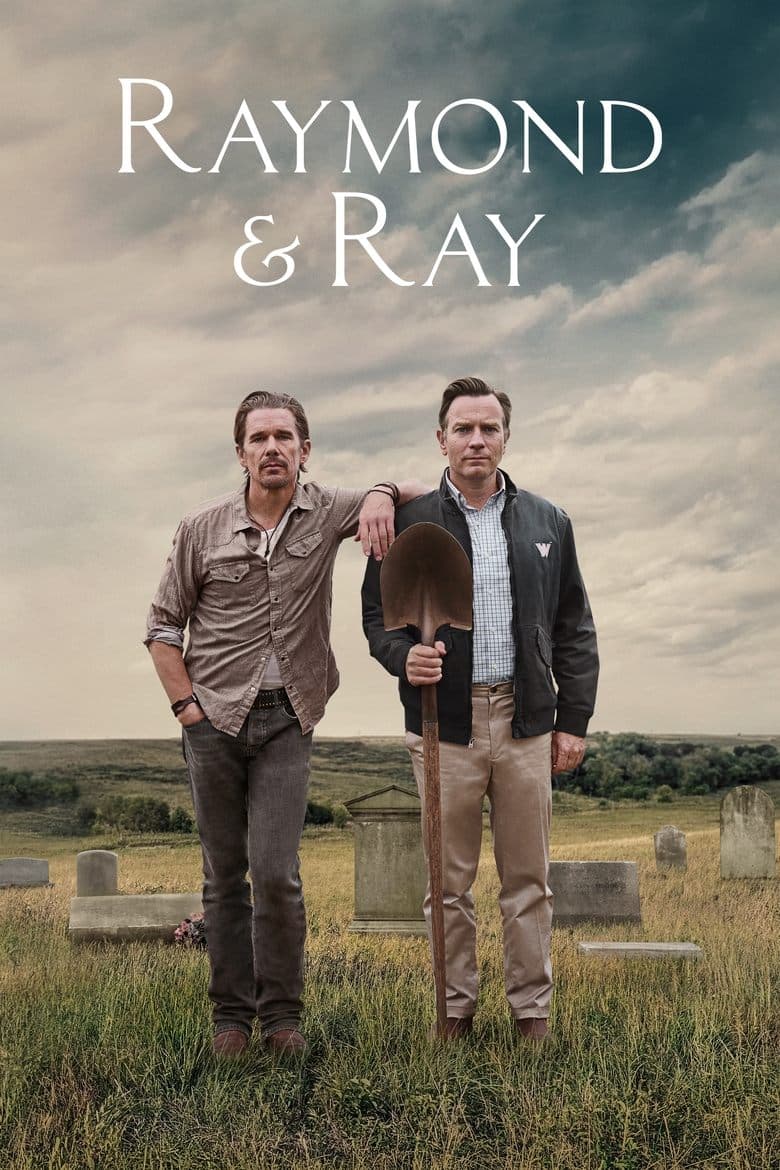
Raymond and Ray are half brothers who have spent years apart and still carry pain from their cruel father, Harris. After Harris dies, Raymond asks Ray to attend the funeral in Virginia, where they learn that Harris ordered them to dig his grave by hand. The long day brings hidden brothers, old lovers, and new facts that challenge what the men thought they knew. The movie uses dry jokes and sad talks as both men face anger, grief, addiction, and failed family ties.
The movie also shows Harris as racist, cruel to women, and deeply harmful to his sons. Ray repeats one of Harris's racist attacks on jazz, while the story clearly treats the words as ugly. Kiera pushes back on the idea that every woman should want children, but this point appears in one short talk. These social points are easy to notice, yet the main story stays focused on abuse, brotherhood, forgiveness, and whether sons can escape a bad father's shadow.
Community feedback
Was our 38% Woke rating accurate?
Breakdown
These are the editorial factors and ratings behind our score for Raymond & Ray.
Woke representation / casting
Raymond and Ray are White male leads. The movie gives major helping roles to Kiera, a confident black nurse, and Reverend West, a calm black pastor. Lucia is a Spanish woman who becomes Raymond's love interest, while Kiera becomes Ray's. This pattern makes the supporting group visibly diverse, though the story never turns their race into a message.
22%
Woke political dialogue
The film quotes Harris calling jazz Black tribal music promoted by Jews for money. Ray tells the story with disgust, and Lucia later calls Harris a racist. The film also shows racist figure toys from his home. These moments reject racism, but they take up little of the running time.
18%
Identity-driven story themes
The core story asks how a cruel father shaped two sons as men. Raymond hides pain under order and quick forgiveness, while Ray hides it under anger, sex, and distance. The film asks both men to face these learned male habits. Race and sexuality do not drive the plot, so the gender focus stays personal.
28%
Western institutional / cultural critique
The story repeatedly links Harris's harsh model of manhood to the damage in his sons. Harris beat his boys, abused partners, slept with Raymond's wife, and mocked Ray's art. Raymond and Ray must stop hiding hurt behind control, anger, sex, and silence. The film criticizes this model of fatherhood, but it does not blame all men, marriage, or Christianity.
38%
Woke character or canon changes
Not relevant. The movie tells an original story and does not change an older character, source, or real person.
0%
Anti-woke backlash and complaints
Not present. Web searches and audience discussion did not show complaints that the film pushes woke, DEI, or left-wing ideas.
0%
Creator track record context
Rodrigo García has often centered complex female leads and has described wider culture as sexist. Alfonso Cuarón's work has covered class, an Indigenous house worker, and immigration. The other listed producers have low stored scores and no strong activist pattern, so the overall creator signal is moderate.
34%
Production
Movie · 2024
Pansy is a woman so full of rage that every interaction she has devolves into lashing out, whether at her utterly cowed husband and son, or random strangers who have the temerity…

Movie · 2024
Mismatched cousins David and Benji reunite for a tour through Poland to honor their beloved grandmother. The adventure takes a turn when the pair's old tensions resurface against…
Movie · 2018
Thirteen-year-old Kayla endures the tidal wave of contemporary suburban adolescence as she makes her way through the last week of middle school — the end of her thus far…
Movie · 2024
Emotions run high when three estranged sisters reunite in a cramped New York City apartment to watch over their ailing father during his final days.
Movie · 2024
When a construction worker unexpectedly joins a local theater's production of Romeo and Juliet alongside his estranged teenage daughter, the drama onstage starts to mirror his own…
Movie · 2023
Allison's life falls apart following her involvement in a fatal accident. The unlikely relationship she forms with her would-be father-in-law helps her live a life worth living.

Movie · 2022
Two lifelong friends find themselves at an impasse when one abruptly ends their relationship, with alarming consequences for both of them.
Movie · 2023
Leo and Angela Russo live a simple life in Queens, surrounded by their overbearing Italian-American family. When their son finds success on his high school basketball team, Leo…
