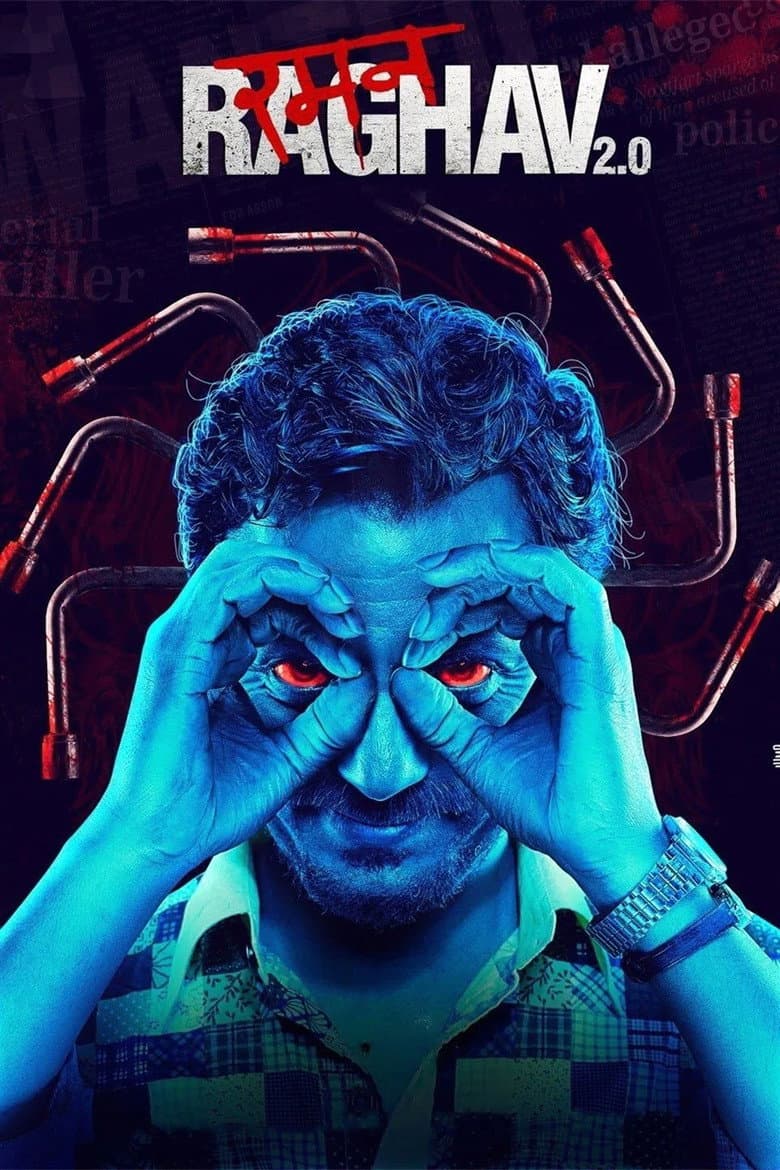
Ramanna is a poor Mumbai man who kills people with a metal bar and admires the older killer Raman Raghav. Raghav is a drug-addicted police officer who investigates the murders while hiding his own cruelty and anger. The two men become linked as the hunt turns into a dark bond between a killer and a corrupt cop. The film moves through crowded slums, police rooms, bars, and damaged homes, and its tone is grim, violent, and disturbing.
Male violence, sexual control, and damaged ideas of manhood shape much of the story. Raghav controls and hits Simi, while Ramanna attacks his sister's family and threatens sexual violence. One brief exchange uses a homosexual insult as Ramanna is challenged over his manhood. A short television debate about feminism plays during an abusive scene, and Ramanna compares his murders with violence done under a police uniform, riots, religion, and war. These moments add a mild social message, but the main focus stays on madness, cruelty, guilt, and the blurred line between criminal and cop.
Community feedback
Was our 39% Woke rating accurate?
Breakdown
These are the editorial factors and ratings behind our score for Raman Raghav 2.0.
Woke representation / casting
Not present. The film uses Indian actors in roles that fit a present-day Mumbai crime story. The cast is not presented as a diversity statement, and no identity-based role swap is clear.
0%
Woke political dialogue
Ramanna compares his killing with violence carried out through riots, a police uniform, religion, and war in Syria. He speaks about violence while explaining that he kills because he wants to. A television debate about feminism is heard during a domestic abuse scene. These moments give the film a mild political edge, but modern identity politics is not the film's main subject.
28%
Identity-driven story themes
Raghav repeatedly uses drugs, control, and violence against Simi. Ramanna destroys his sister's family and threatens sexual violence. A brief insult about homosexuality and manhood adds a small sexuality and gender element. The film shows these acts as signs of damaged men, not as a sustained modern identity campaign.
19%
Western institutional / cultural critique
The story makes a police officer one of its two main monsters. Ramanna says a uniform can hide or excuse violence, and the plot keeps linking Raghav's police power to his private cruelty. The film also shows police torture and a broken law system. This is a meaningful but limited attack on police morality and male abuse.
35%
Woke character or canon changes
Not relevant. The film is a present-day fictional take inspired by a real 1960s killer. Its changes concern time and plot, and no identity-based rewrite of a known character or real figure is clear.
0%
Anti-woke backlash and complaints
One small X account called the film a wannabe dark film made for “woke elite liberandus” and received two likes. The post had no visible pickup, campaign, or wider support. News coverage and audience reactions centered on violence, gore, pacing, and acting, so the anti-woke backlash evidence is fringe.
5%
Creator track record context
Anurag Kashyap has a strong record of films about censorship, caste, religion, gender, and social pressure. Vasan Bala often writes outsiders, female agency, and challenges to traditional masculinity. The producers and casting director have mixed records with several social-issue or female-centered projects, but they are not mainly activist public figures. This context supports a moderate score even though the movie is mainly a crime thriller.
53%
Production
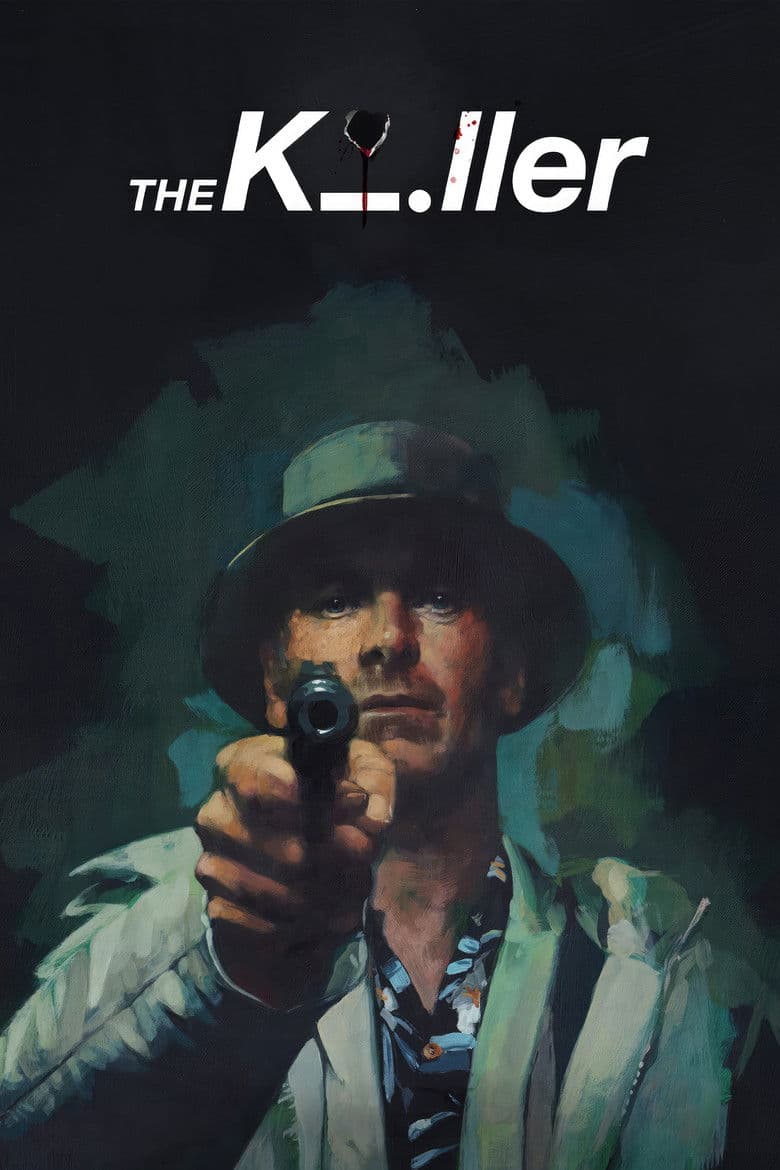
Movie · 2023
After a fateful miss, an assassin battles his employers, and himself, on an international manhunt he insists isn't personal.
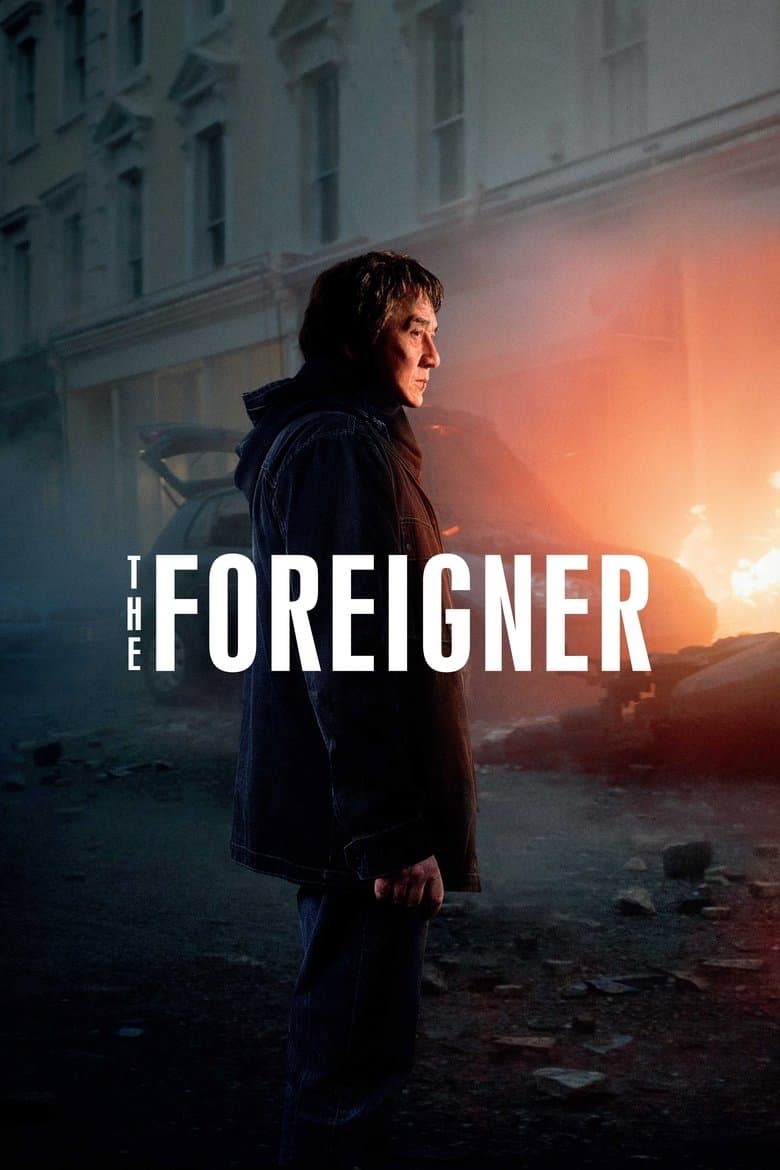
Movie · 2017
Quan is a humble London businessman whose long-buried past erupts in a revenge-fueled vendetta when the only person left for him to love – his teenage daughter – dies in an Irish…
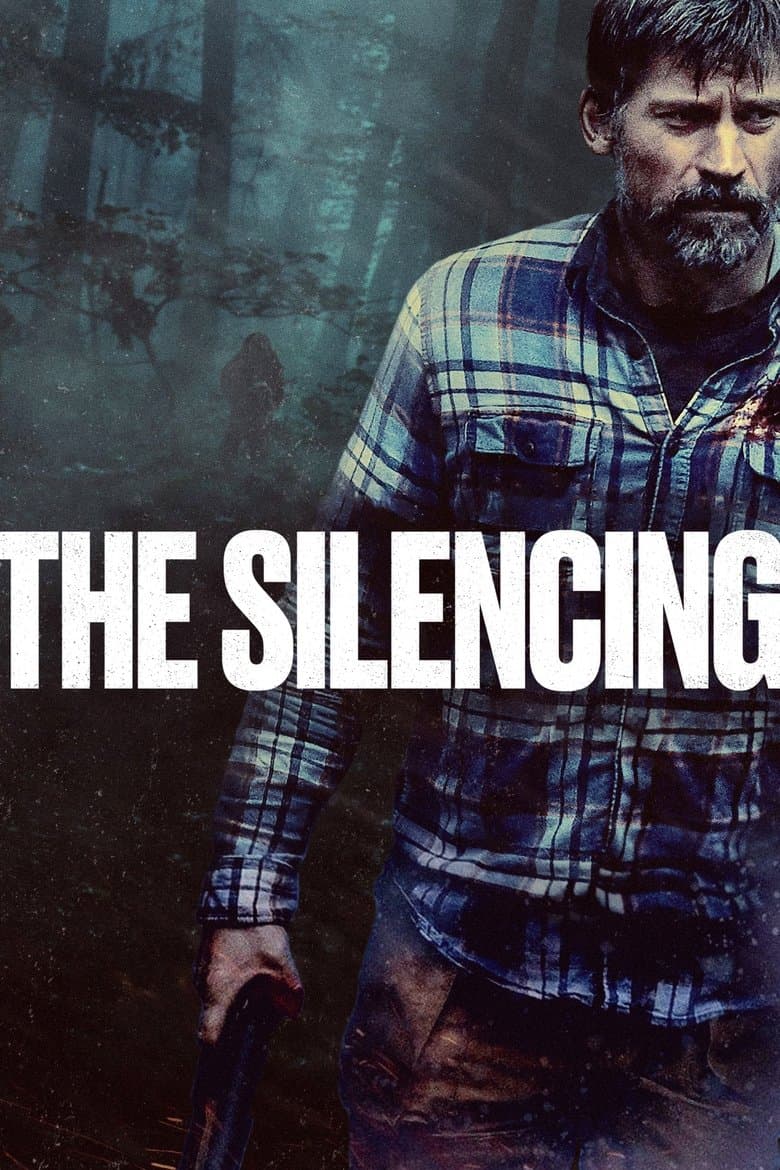
Movie · 2020
A reformed hunter becomes involved in a deadly game of cat and mouse when he and the local sheriff set out to track a vicious killer who may have kidnapped his daughter years ago.
Movie · 2019
In the wake of his dramatic escape from captivity, Jesse Pinkman must come to terms with his past in order to forge some kind of future.
Movie · 2019
While on a prison furlough, a lowly criminal evades his guards and returns to his old stomping ground to take revenge on the people who turned him into a cold blooded killer.
Movie · 2017
Jin-seok, 21-year-old, moves into a new house with his family. He suffers from a slight schizophrenia but he carries an ordinary life under the warm care of the family.
Movie · 2018
A serial killer is murdering school girls, and a newbie cop has to track him down before the victim count increases.
Movie · 2017
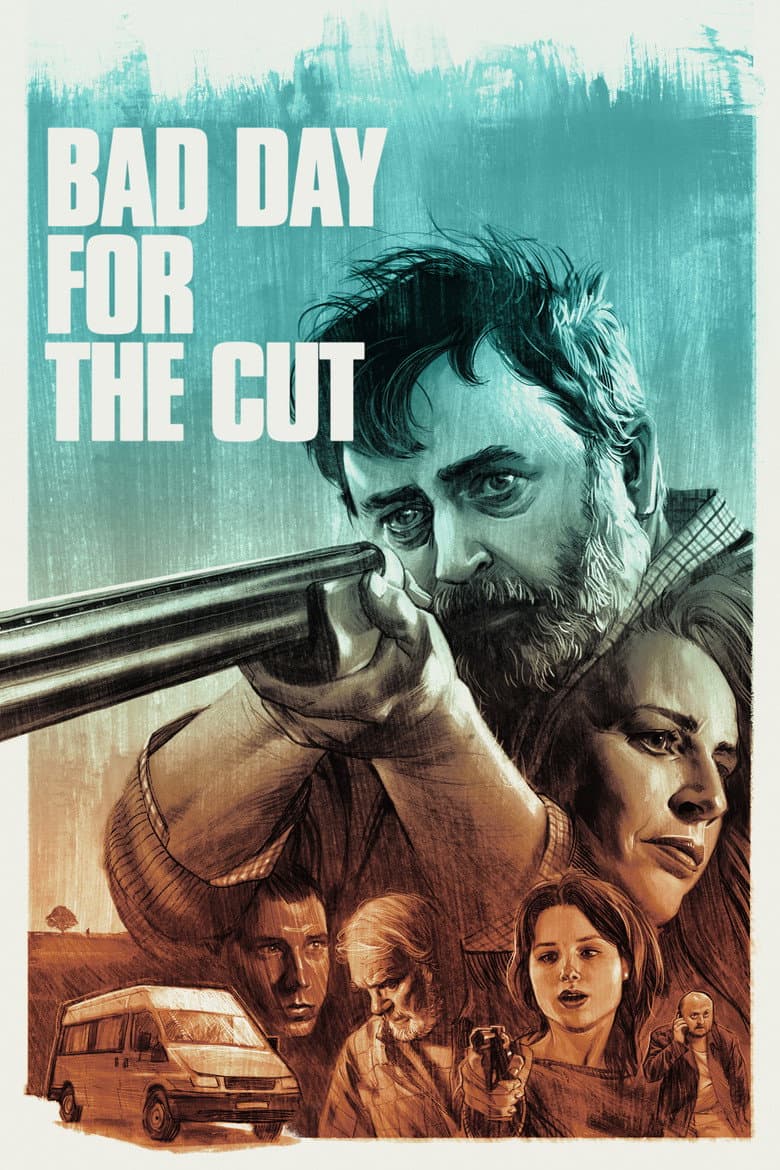
A middle-aged Irish farmer, who still lives at home with his mother, sets off on a mission of revenge when the old lady is murdered.
