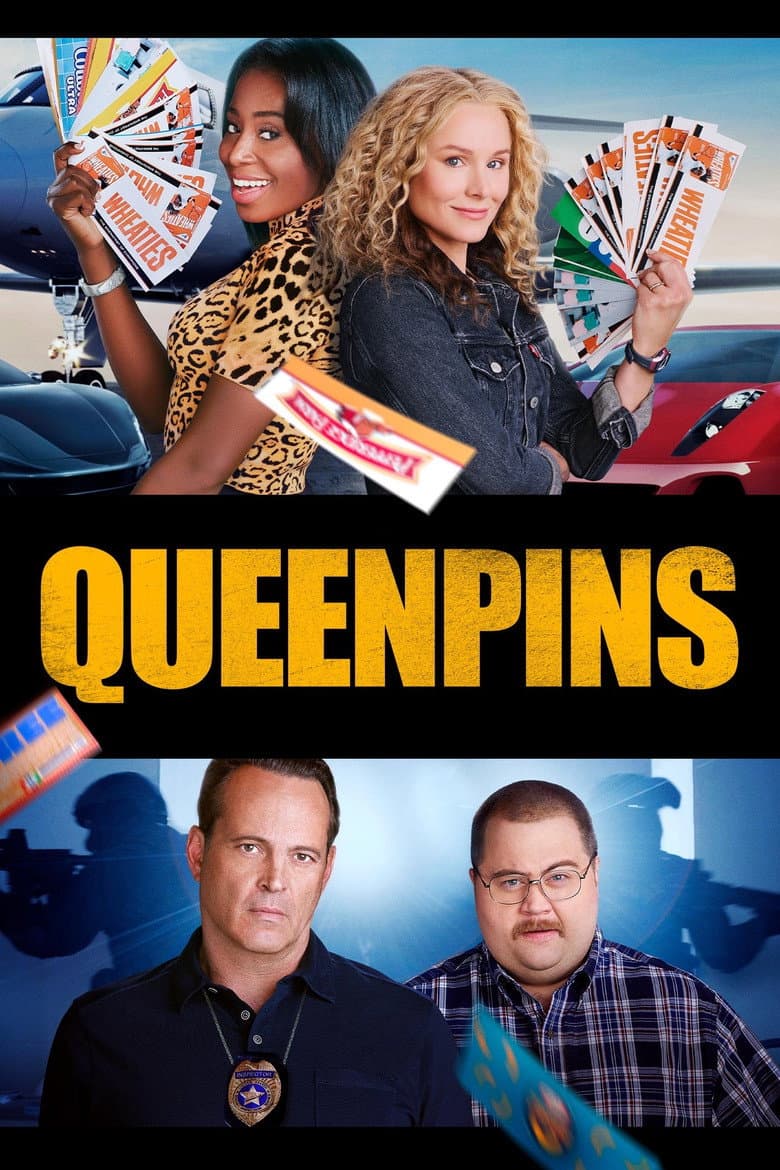
Queenpins is a 2021 comedy about Connie Kaminski, a bored Phoenix homemaker and former Olympic race walker. After years of failed fertility treatment and a broken marriage, Connie finds purpose in extreme couponing. Her friend JoJo Johnson joins her after identity theft ruins JoJo’s credit and job chances. The women turn free coupons into a huge illegal business while a store loss officer and a postal inspector chase them. The tone is bright, silly, and often crude, even when the story deals with grief, money, and crime.
The film gives its two women a strong, audience-visible center, with JoJo’s black identity and makeup business receiving direct attention. The story repeatedly says that Connie and JoJo feel overlooked, then treats their scam as a way to gain money, control, and respect. Short scenes mention white people, a woman’s control over fertility choices, low pay in Mexico, and companies that use loopholes. The women call themselves helpers for struggling families, while the film also shows them lying, stealing, and facing prison. These ideas are noticeable, but the movie remains a broad crime comedy rather than a full activist drama.
Community feedback
Was our 45% Woke rating accurate?
Breakdown
These are the editorial factors and ratings behind our score for Queenpins.
Woke representation / casting
JoJo is a prominent black co-lead beside white lead Connie, and the film also gives black actors major family and friendship roles. The women lead the main business while the men mostly investigate, assist, or oppose them. The modern Phoenix setting makes the cast mix plausible, and no interview or campaign presents it as a diversity-first casting choice. The visible identity pattern is present but limited.
20%
Woke political dialogue
JoJo and her mother have a short exchange about white people using coupons and Black customers needing their own makeup. JoJo also says that a fertility decision is the woman’s body and choice. In Mexico, the women call a company’s low pay and move from the United States exploitation. The film repeats the Robin Hood idea that ordinary families should get help from big companies, but these lines are brief in a broad comedy.
32%
Identity-driven story themes
Connie’s loss of Olympic status, infertility, and unhappy marriage leave her feeling undervalued. JoJo’s identity theft blocks work and pushes her toward a beauty business. The film centers their female friendship and presents their scam as a path to money, control, and a divorce. It also presents the women as helping families while fighting big companies, though the film is mainly a crime comedy and does not build a full activist argument.
42%
Western institutional / cultural critique
The women repeatedly say large companies have money and use loopholes. The Mexico plot says an American company moved jobs to pay workers about two dollars an hour and take advantage of them. The ending says companies ask police to drop the case because bad publicity would hurt shareholders. These points support a modern critique of corporate power and labor, but the film treats them as jokes and never argues for socialism or a broad political program.
38%
Woke character or canon changes
Not relevant. The film changes names and backstories from a real coupon case, but the changes build a comedy and personal drama. No established character or historical event is recast for an identity message.
0%
Anti-woke backlash and complaints
One small X account complained that JoJo’s mother makes anti-white remarks and would draw outrage if the roles were reversed. The complaint is a viewer’s claim and does not prove that the film endorses racism. The wider search found no large political accounts, boycott, review-bombing push, or sustained woke or DEI label. The separate X pass described this reaction as fringe and warned that older or deleted posts may be missing.
12%
Creator track record context
Gita Pullapilly’s stored profile includes media-based social issues and women’s empowerment work, while Aron Gaudet’s stored profile shows no strong activist record. Most stored producer and casting profiles are low, with Kristen Bell at 30 and Nicholas Weinstock at 43 as higher entries. Their interviews describe the women as undervalued and compare the film with Thelma & Louise and powerful female two-handers. This gives moderate context, not a strong activist pattern.
28%
Production
Movie · 2026
To save his career, a 40-year-old ad exec joins a crew of twentysomethings for a wild Miami bachelor party after they mistakenly add him to a group chat.
Movie · 2022
The Accident Man is back, and this time he must best the top assassins in the world to protect the ungrateful son of a mafia boss, save the life of his only friend and rekindle…
Movie · 2024
Hired to cover up a high-profile crime, a fixer soon finds his night spiralling out of control when he's forced to work with an unexpected counterpart.

Movie · 2018
Lulu Danger's unsatisfying marriage takes a turn for the worse when a mysterious man from her past comes to town to perform an event called "An Evening with Beverly Luff Linn: For…

Movie · 2020
American expat Mickey Pearson has built a highly profitable marijuana empire in London. When word gets out that he’s looking to cash out of the business forever it triggers plots…
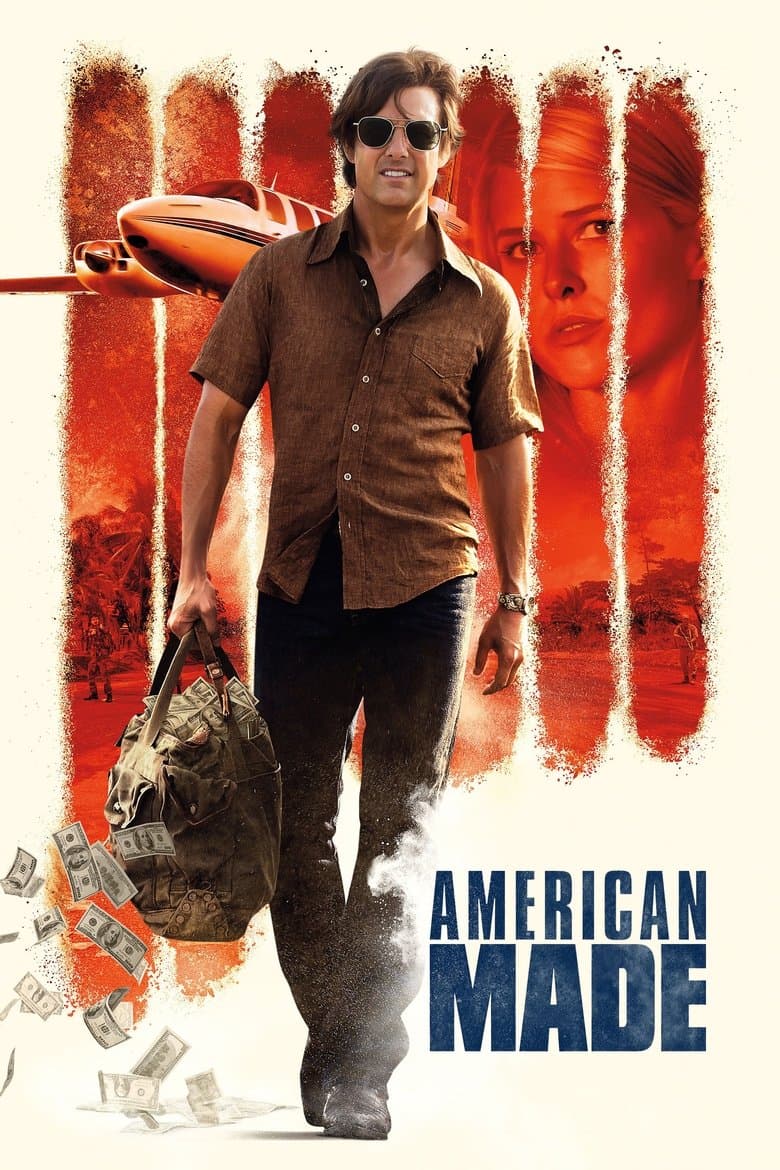
Movie · 2017
The true story of pilot Barry Seal, who transported contraband for the CIA and the Medellin cartel in the 1980s.
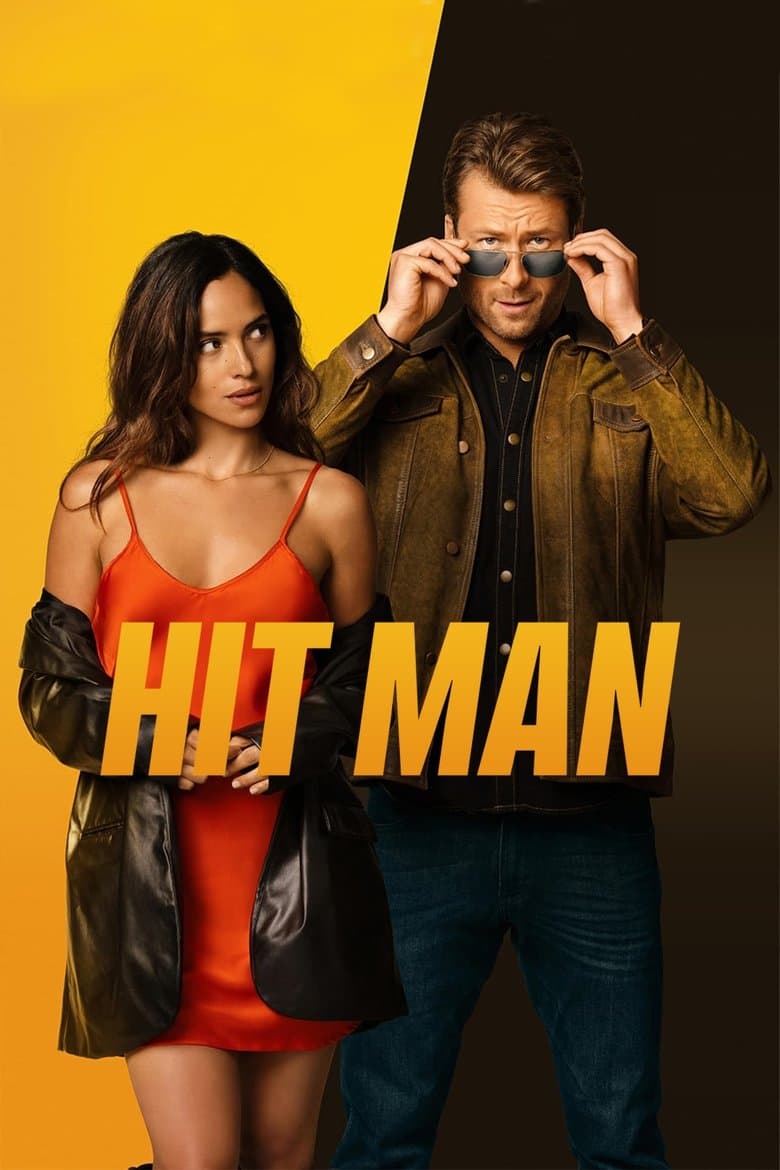
Movie · 2024
A mild-mannered professor moonlighting as a fake hit man in police stings ignites a chain reaction of trouble when he falls for a potential client.
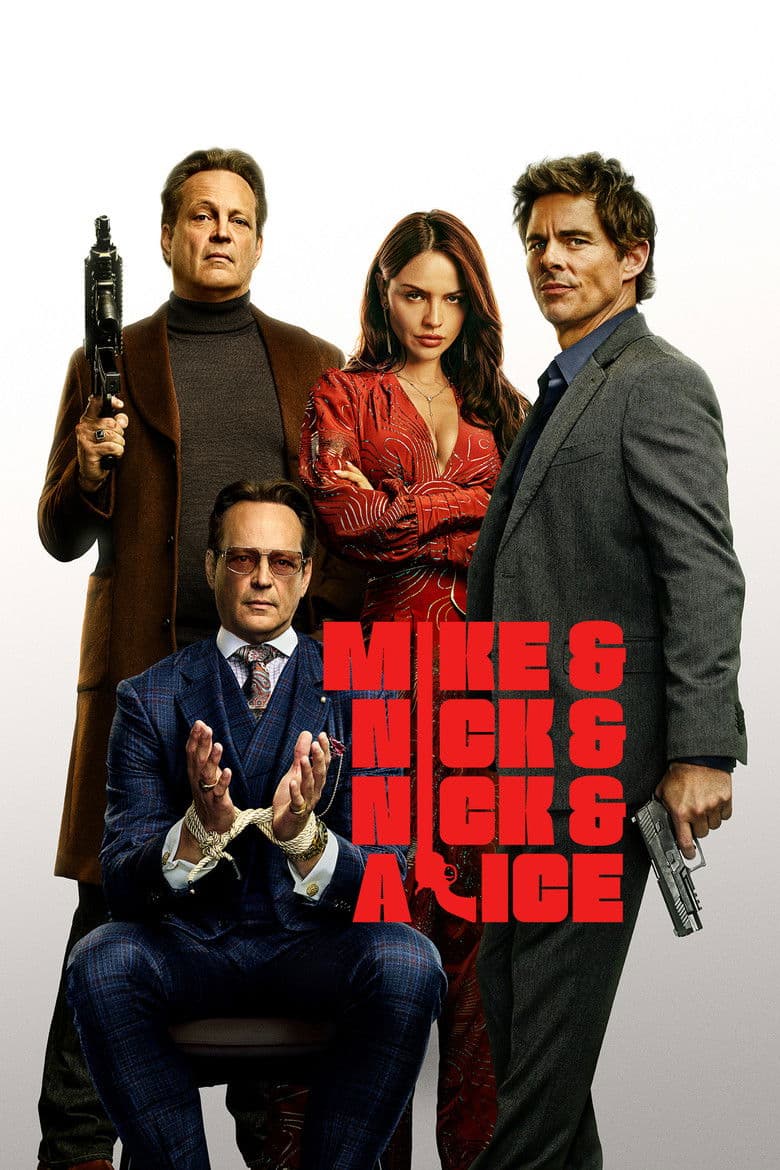
Movie · 2026
Two gangsters and the woman they love try to survive the most dangerous night of their lives. As if that wasn’t enough, there’s one wild ingredient added to the mix: a time…
