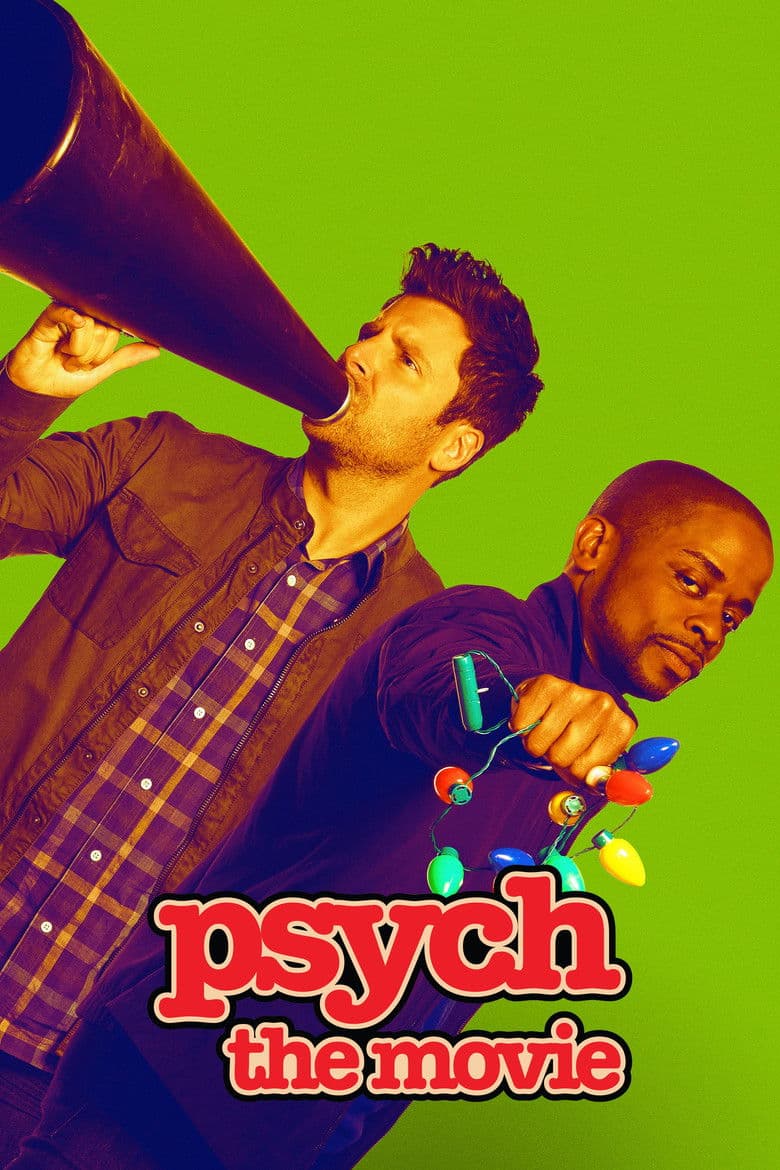
Psych: The Movie follows Shawn Spencer, a fake psychic detective who uses sharp observation to help solve crimes. He and his best friend, Burton “Gus” Guster, have moved to San Francisco and are trying to open a new office. The friends reunite with Juliet O’Hara, Chief Karen Vick, Henry Spencer, and the rest of their old team after Juliet’s police partner is shot and a hidden enemy targets her. The movie mixes a dangerous mystery with Christmas jokes, fast insults, romance, food, and the warm friendship between Shawn and Gus.
The clearest woke elements are a few identity-based jokes and a female-competence thread. Gus introduces Shawn as “White Privilege,” and Woody says that gender should not affect his choice of insults while calling the moment “a new world.” Juliet and Chief Vick hold important police roles, and Juliet defeats a female villain in a long fight while several men serve as comic helpers or victims. These points are visible but brief beside the main mystery, wedding story, fan callbacks, and broad comedy.
Community feedback
Was our 30% Woke rating accurate?
Breakdown
These are the editorial factors and ratings behind our score for Psych: The Movie.
Woke representation / casting
Not present. The movie uses its established cast in modern San Francisco, including a black co-lead and several women in police roles. The story does not frame race, gender, or identity as a diversity goal.
0%
Woke political dialogue
Gus introduces Shawn as “White Privilege” during a dating joke. Woody later says it is “a new world” and that gender should not affect his choice of insults. The villain also tells Chief Vick that she can succeed “as a woman.” These moments use modern identity language, but they are short jokes and do not guide the mystery.
30%
Identity-driven story themes
Juliet drives the danger plot after her police partner is shot. Chief Vick and Juliet handle key parts of the case, and Juliet defeats the main female villain in a long fight. Shawn and Gus remain the main comic heroes, but some male characters are used as jokes or need help while the women hold authority. This creates a recurring female-competence thread while the movie still centers on friendship, romance, and comedy.
41%
Western institutional / cultural critique
Not present. The police and family relationships support the crime story. The movie does not portray men, family life, Christianity, or Western institutions as targets of modern activist criticism.
0%
Woke character or canon changes
Not relevant. The movie continues the TV series with the same characters. It changes their location, jobs, and relationships, but it does not change an established character’s race, gender, or sexuality.
0%
Anti-woke backlash and complaints
Not present. The separate X research found no anti-woke reaction, campaign, or specific complaint. Other reviews and fan discussions focus on the mystery, fan callbacks, jokes, and the returning cast, not on woke, DEI, or identity politics.
0%
Creator track record context
Steve Franks has no sustained activist or DEI public profile. James Roday Rodriguez later reclaimed his Mexican-American name and spoke about being an honest ally for his community. Dulé Hill has worked on black cultural history and art tied to social change. These are weak supporting signals, and the movie does not build its story around them.
12%
Production
Movie · 2021
In preparation for a shotgun wedding before the birth of Baby Guster, Shawn and Gus go rogue in an attempt to track down Selene’s estranged husband, as Lassiter grapples with the…
Movie · 2023
Monk steps out of retirement as his stepdaughter's wedding turns tragic when her fiancé dies in a bungee jumping accident.
Movie · 2026
George Hardy is a shepherd who reads detective novels to his beloved sheep every night, assuming they can't possibly understand.

Movie · 2022
Decades since their successful television series was canceled, Chip has succumbed to a life of suburban domesticity as an insurance salesman.
