Movie review
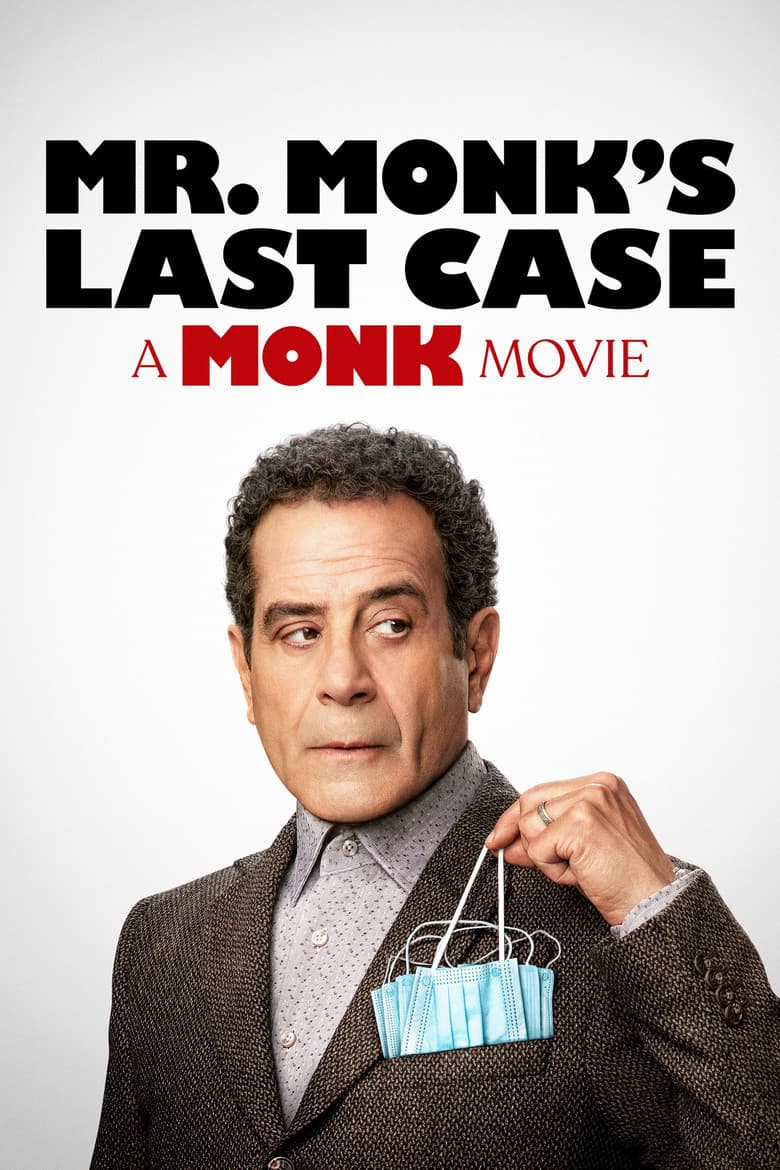
Adrian Monk is a retired detective with severe OCD and many fears. Years after his TV show ended, he lives alone and feels useless. His stepdaughter Molly is about to marry when her fiancé dies in a bungee jump that looks like an accident. Monk comes out of retirement, reunites with old friends, and digs into a rich, powerful suspect. The tone mixes mystery jokes with a heavy mood about sadness, purpose, and wanting to quit life.
The story stays focused on grief, mental health, friendship, and a clever “how did he do it?” murder puzzle. The bad guy is a smug billionaire who runs a shopping site and a private space company, used as a classic rich-villain setup rather than a long political sermon. COVID is used mainly to explain why Monk’s habits got worse again, not to push a big activist message. Casting mostly brings back the original team; newer faces include Molly’s fiancé (played by a black actor) and a short role for a woman now running homicide. Everyday viewers would mainly notice the reunion mystery and the dark personal story, not identity politics.
Community feedback
Was our 17% Woke rating accurate?
Breakdown
These are the editorial factors and ratings behind our score for Mr. Monk's Last Case: A Monk Movie.
Woke representation / casting
Main cast is the original series team. Notable new faces include black actor Austin Scott as Molly’s fiancé Griffin (important but short-lived) and a brief woman homicide captain, Lisa Rudner. Héctor Elizondo continues as Dr. Bell from the show. Diversity is present in a modern city setting but not sold as the point, and there is no big pattern of “identity first” lead roles or girlboss competence theater.
18%
Woke political dialogue
Talk centers on OCD habits, grief, jokes, and the murder case. COVID comes up as life context for Monk’s relapse and isolation, not as a long activist speech about policy or identity. No clear race, gender, or queer-politics lectures stand out for a normal viewer.
3%
Identity-driven story themes
Core themes are purpose, depression, friendship, and solving a clever murder. OCD and mental health are front and center, but they continue the character’s long-running personal struggle rather than modern race/gender/queer identity politics. No queer plotline found in major coverage.
0%
Western institutional / cultural critique
The villain is a ruthless billionaire with shopping and space brands (often compared to real tech tycoons). That is standard “rich guy is the killer” mystery fare, not a long attack on Western culture, Christianity, traditional family, or “toxic masculinity” as the movie’s message.
15%
Woke character or canon changes
Not relevant. Molly is recast (Caitlin McGee instead of Alona Tal), and some post-series novel details are ignored, but those are ordinary revival/continuity choices, not identity-driven race or gender swaps of known characters.
0%
Anti-woke backlash and complaints
No meaningful right-leaning or anti-woke campaign treats this film as DEI propaganda. Complaints that do exist are mostly about the dark suicidal tone and story choices, not identity politics.
0%
Creator track record context
Lead creative voices (Breckman, Zisk, Scali, most producers) score low in cached profiles. Shalhoub has mild ethnic-advocacy and party-donor history. Casting leadership is the main upward pull via Telsey Office DEI branding, but it does not match a strongly activist finished film.
20%
Production
