
Margot is a young documentary filmmaker who wants to learn why her mother left her as a baby. She travels with cameraman Chris and soundman Dale to a remote farm where people claim to be her Amish relatives. Strange sounds, hidden rooms, bloody rituals, and a locked church turn her family search into a fight for survival. The movie uses cold woods, handheld cameras, and a wild final chase to create an uneasy horror tone.
The main gender theme comes from a demon passed through Margot's female family line. The male-led group shunned her mother for getting pregnant outside marriage, planned to take her baby, and later used her body to hold the demon. The group then lures Margot back so her body can become the next prison, while one speech calls women powerful life-givers who alone are strong enough for the task. This idea drives the last part of the story, but the movie presents it as family horror and cult control rather than a current political cause.
Community feedback
Was our 37% Woke rating accurate?
Breakdown
These are the editorial factors and ratings behind our score for Paranormal Activity: Next of Kin.
Woke representation / casting
Not present. The modern film crew includes a black cameraman, but the story never calls attention to his race. The isolated farm group is mostly white, and the casting does not show a clear diversity pattern.
0%
Woke political dialogue
Samuel calls women the most powerful creatures on Earth and praises them as givers of life. He says women alone are strong enough to hold the demon. The speech uses clear female empowerment language. The idea appears in one short scene and explains the cult's supernatural belief rather than modern politics.
22%
Identity-driven story themes
The main mystery follows a demon passed from mother to daughter. The cult shuns Sarah for an unmarried pregnancy and plans to take her child. The cult later keeps Sarah as a demon vessel and tries to force Margot into the same role. Female bodies and control across generations shape the central plot, though the movie treats them through supernatural horror.
46%
Western institutional / cultural critique
The male-led group uses strict religious rules to shame Sarah and control her baby. Jacob defends shunning and forced adoption, while Margot calls the practice horrible. The group also hides women inside a demon ritual. The later reveal says these people are not Amish and are trying to contain real evil, which limits the attack on Amish life or Christianity.
34%
Woke character or canon changes
Not relevant. The film is a stand-alone reboot, but it does not make an identity-driven change to an established character or real person.
0%
Anti-woke backlash and complaints
Not present. The found complaints concern weak scares, camera style, and the loose franchise link. No notable complaint claims that the movie pushes woke, DEI, or left-wing ideas.
0%
Creator track record context
William Eubank and Christopher Landon have low cached scores and mainly focus on horror and action craft. Most producers and casting leads also have low scores. Jason Blum provides the only mild political signal through liberal comments and some earlier work. The full creative group has little identity-driven or activist history.
10%
Production

Movie · 2017
After a mysterious global crisis, a young girl is left alone to hide from a malevolent power that stalks her home.
Movie · 2023
After a Black Friday riot ends in tragedy, a mysterious Thanksgiving-inspired killer terrorizes Plymouth, Massachusetts - the birthplace of the holiday.
Movie · 2016
Father and son coroners receive a mysterious unidentified corpse with no apparent cause of death. As they attempt to examine the "Jane Doe," they discover increasingly bizarre…
Movie · 2019
When a 12-year-old boy goes missing at a local park, a detective investigates the case to help the boy's family find answers.
Movie · 2018
The crew of a horror web series travels to an abandoned asylum for a live broadcast, but they encounter much more than expected as they move deeper inside the nightmarish old…

Movie · 2025
Plagued by a violent recurring nightmare, college student Stefanie heads home to track down the one person who might be able to break the cycle and save her family from the grisly…
Movie · 2022
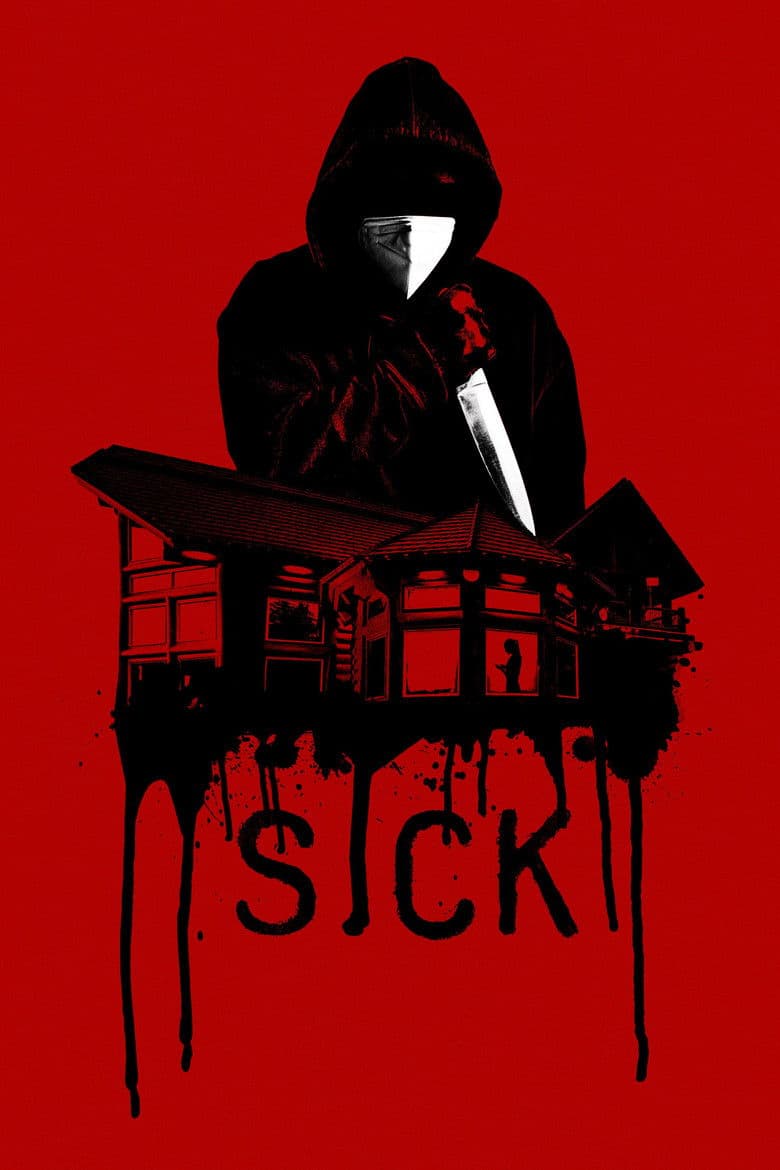
While quarantining at her family's lake house during the pandemic, Parker and her best friend are threatened by an unexpected visitor.

Movie · 2023
Between the events of 'Saw' and 'Saw II', a sick and desperate John Kramer travels to Mexico for a risky and experimental medical procedure in hopes of a miracle cure for his…
