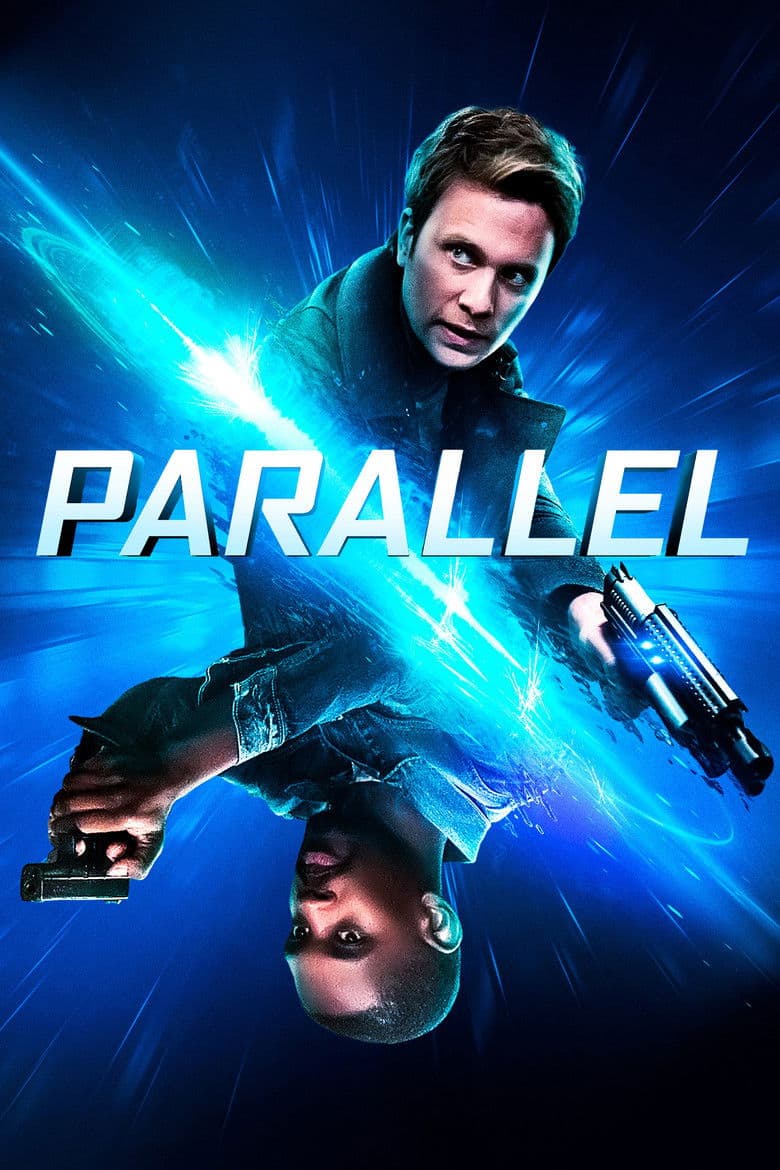
Devin and three friends build a parking app in a modern North American city. They find a mirror in their rented house that opens into other versions of their world. They use the mirror to gain extra time, steal ideas, make money, and fix personal problems. The story shifts from a playful science-fiction mystery into a dark horror thriller about greed, guilt, and broken trust.
The four friends include a black male lead, a white woman, and two white men. Devin and Leena form an interracial relationship while their group argues about money, art, and trust. The film treats these characters as individuals, while its main message warns about greed, stolen ideas, and power without limits. Its identity signals stay small beside the main horror story.
Community feedback
Was our 15% Woke rating accurate?
Breakdown
These are the editorial factors and ratings behind our score for Parallel.
Woke representation / casting
The four main friends are played by a visibly mixed group, including black British actor Aml Ameen, Scottish actress Georgia King, Swedish actor Martin Wallström, and Canadian actor Mark O’Brien. Ameen said he shaped Devin with his black identity even though the script did not set a race for him, and he praised the film’s multicultural cast. The film uses an interracial Devin and Leena romance, but race and diversity do not drive the plot.
17%
Woke political dialogue
Not present. The dialogue discusses app deadlines, profit, stolen ideas, family guilt, and the moral cost of using the mirror. It contains no clear identity, gender-role, DEI, or activist message.
0%
Identity-driven story themes
Not present. The main themes are greed, ambition, guilt, friendship, and the danger of copying other people. The parallel versions are about science-fiction identity, not race, sex, gender, or queer politics.
0%
Western institutional / cultural critique
Not present. The film shows app founders chasing profit and abusing power, but it blames their choices and greed. It does not turn that warning into a repeated attack on Western institutions, family life, masculinity, religion, or current political culture.
0%
Woke character or canon changes
Not relevant. The film is an original story about fictional app developers and parallel versions of themselves. It does not change a known character, canon, or historical figure for identity reasons.
0%
Anti-woke backlash and complaints
One Spanish audience review called the movie woke and complained about a forced interracial romance and a message that makes the white man very bad. That review was one user post, and its claim is not supported by wider coverage. The supplied X research found no anti-woke reaction, boycott talk, or review-bombing.
15%
Creator track record context
Isaac Ezban has a low cached score and is mainly known for science fiction and horror about identity, ambition, and technology. Scott Blaszak has no clear record of DEI or identity-politics work. Most casting directors and producers also have low scores, while Aaron L. Gilbert and Andrew Pollack have some diversity-related context through other work.
15%
Production
Movie · 2023
A powerful biotech company has breakthrough technology allowing them to clone history’s most influential people with just a few fragments of DNA.
Movie · 2016
Brothers Mike and Jody join family friend Reggie to battle the Tall Man and his evil minions from another dimension, for the final time.
Movie · 2025
In late 15th-century Eastern Europe, Prince Vlad II’s bride is brutally murdered. As a result, he renounces God and damns Heaven itself.
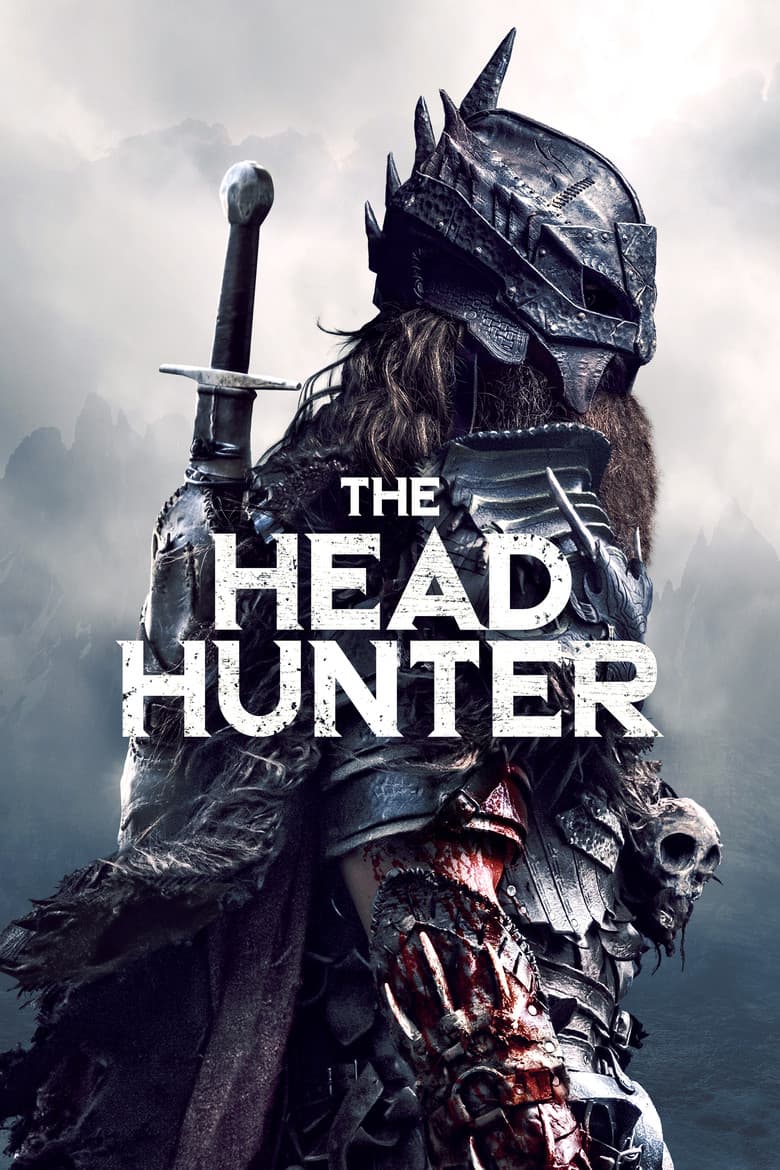
Movie · 2019
On the outskirts of a kingdom, a quiet but fierce medieval warrior protects the realm from monsters and the occult.
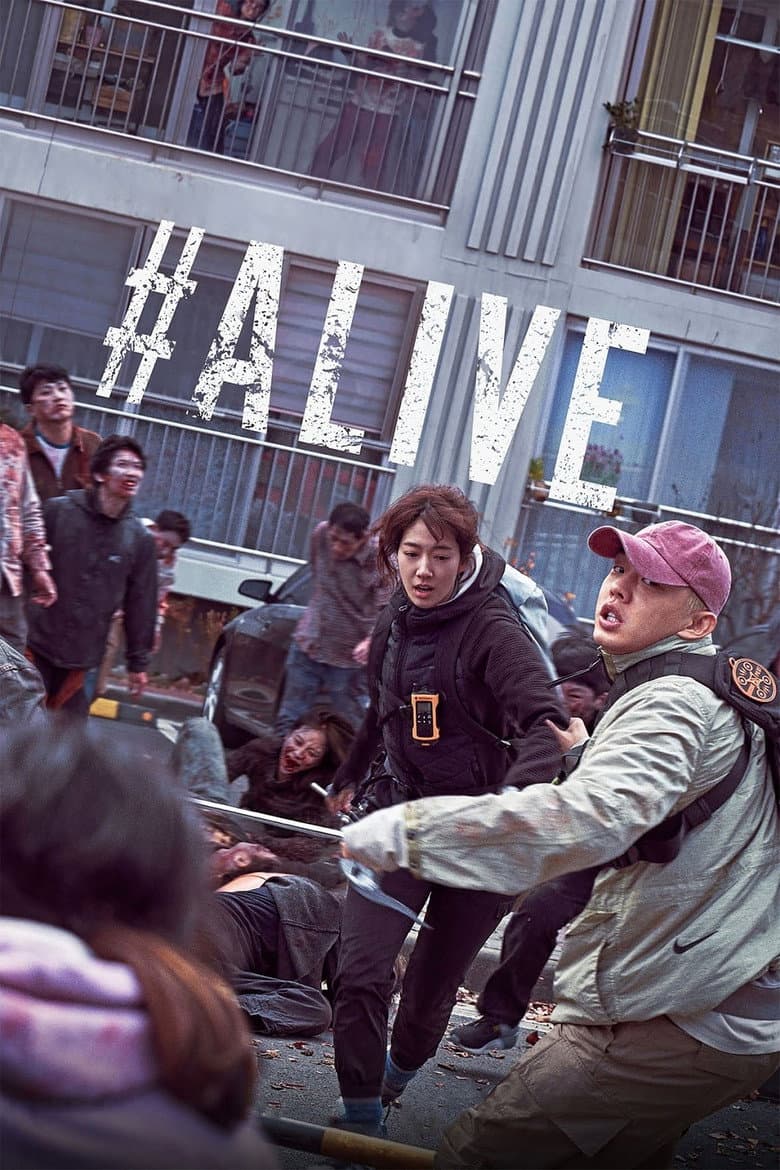
Movie · 2020
As a grisly virus rampages a city, a lone man stays locked inside his apartment, digitally cut off from seeking help and desperate to find a way out.
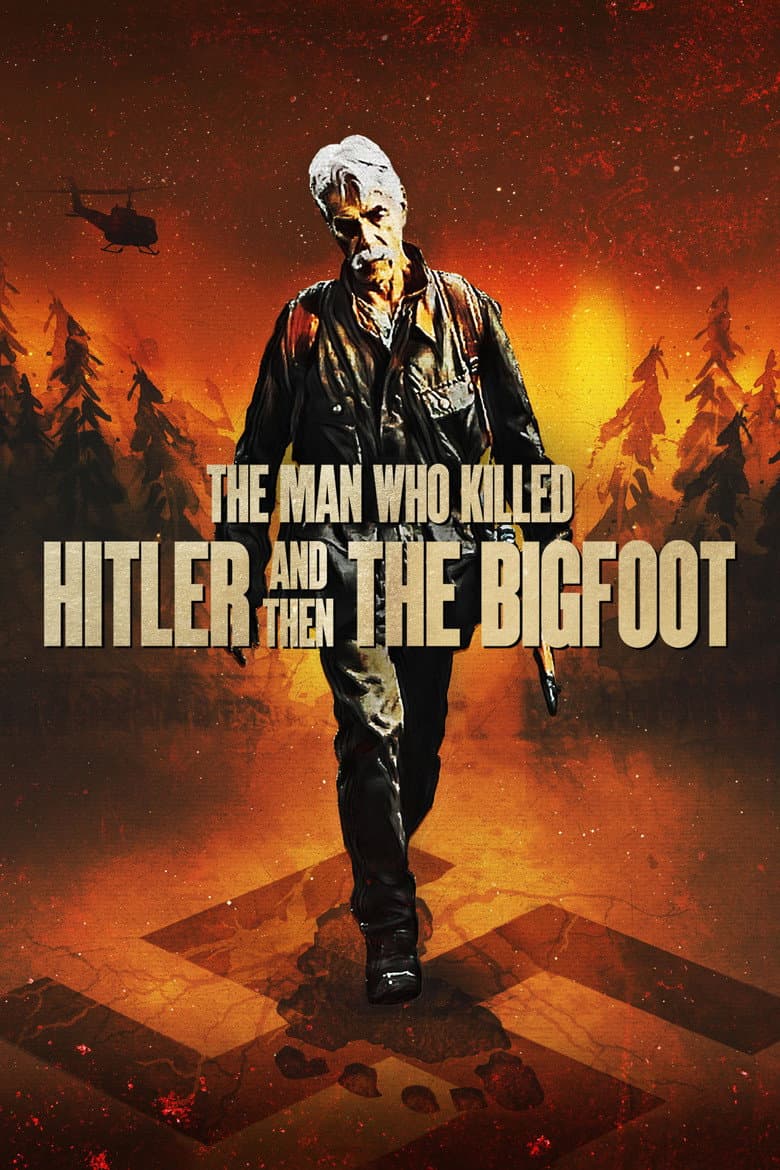
Movie · 2019
Decades after serving in WWII and assassinating Adolf Hitler, a legendary American war veteran must now hunt down the fabled Bigfoot.
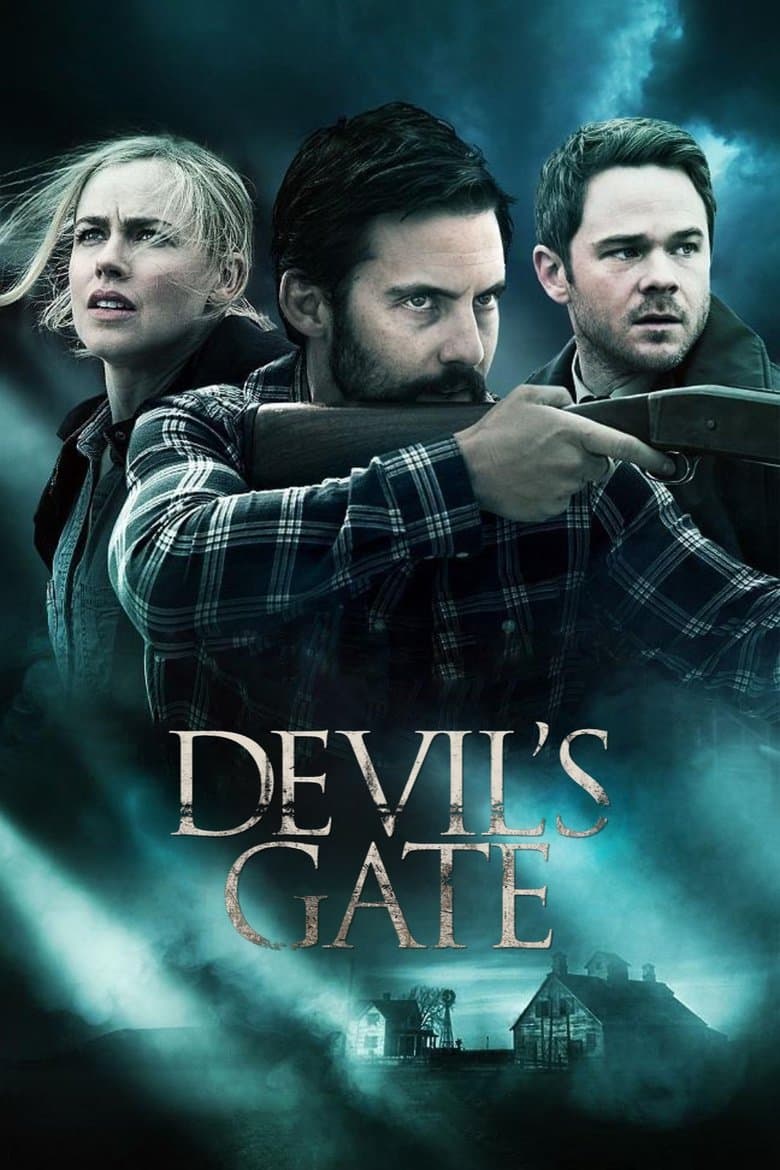
Movie · 2018
Set in the small town of Devil's Gate, North Dakota, the film examines the disappearance of a local woman and her young son.
Movie · 2016
A determined young woman and a damaged occultist risk their lives and souls to perform a dangerous ritual that will grant them what they want.
