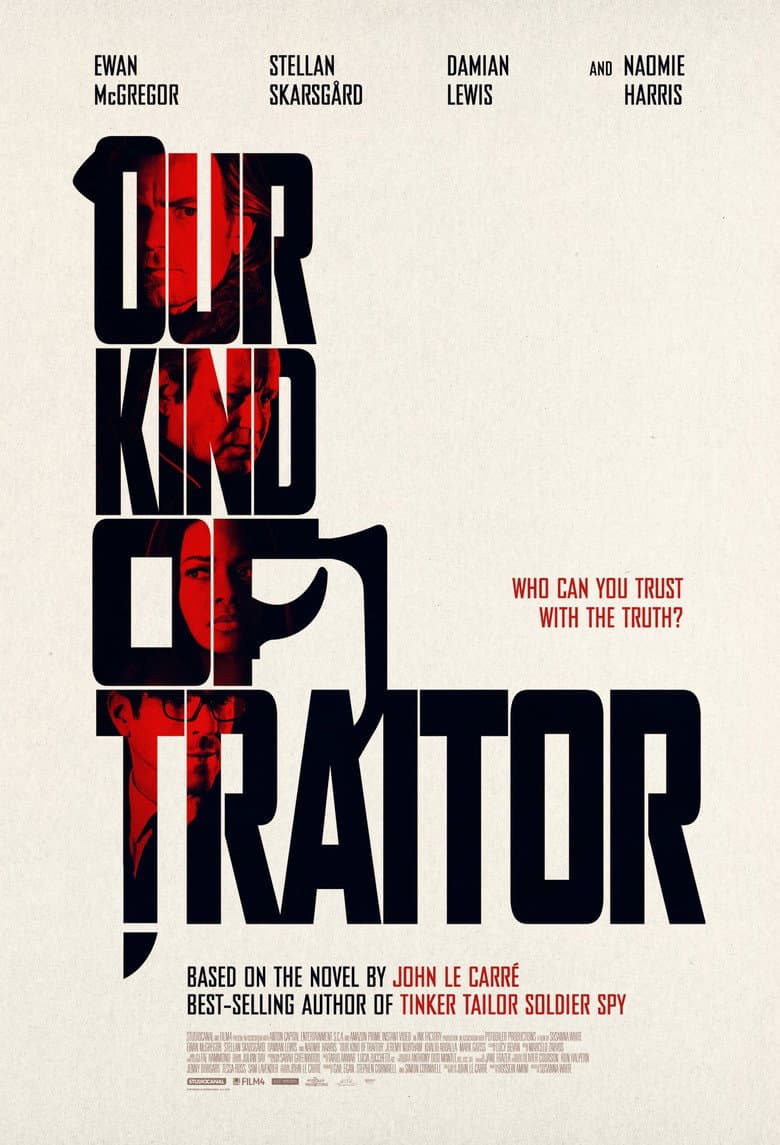
An Oxford academic named Perry and his lawyer wife Gail holiday in Marrakech. They befriend Dima, a Russian money launderer who wants help from British intelligence. They are drawn into a deal with MI6 against Russian mafia figures and corrupt London money and political interests. The plot turns on dirty money, asylum, and institutions that act in bad faith. It also follows the couple as they try to repair their marriage after Perry’s affair.
Audience-visible identity politics are thin. Race, gender ideology, and queer identity are not the engine of the story. What stands out instead is a classic spy-thriller attack on British complicity, including a corrupt politician, City of London laundering of Russian mafia cash, a Home Office that blocks asylum, and MI6 self-interest. Casting includes a black British co-lead as Gail and a British intelligence officer from a diverse background, which viewers can notice, but race is not used as the plot’s main argument. The film stays focused on crime, money, and institutional cynicism rather than activist identity themes.
Community feedback
Was our 28% Woke rating accurate?
Breakdown
These are the editorial factors and ratings behind our score for Our Kind of Traitor.
Woke representation / casting
The film pairs Ewan McGregor with Naomie Harris as a successful black British solicitor in an interracial marriage. A secondary British intelligence role also uses diverse casting. That fits a modern London setting and is not sold as diversity branding, yet it is still a mild pattern viewers can see.
22%
Woke political dialogue
Talk stays on money laundering, MI6 deals, corrupt politicians and bankers, and asylum. The source finds no identity-politics, DEI, race, gender, or queer activist lines.
5%
Identity-driven story themes
The story runs on Russian crime, dirty City finance, MI6 and Home Office cynicism, and marriage repair after an affair. A dual-career marriage note is light and modern. There is no race, queer, or feminist-activism storyline.
5%
Western institutional / cultural critique
The plot hits British establishment complicity, a corrupt politician, City laundering of Russian mafia money, blocked asylum, and self-serving MI6. The director framed Britain as lost after empire and hooked on Russian money for the City. That is classic institutional distrust, not identity politics about whiteness or colonial guilt messaging.
32%
Woke character or canon changes
Not relevant. Place and age changes are ordinary adaptation choices with no identity-driven rewrite of race or gender-defined canon figures.
0%
Anti-woke backlash and complaints
Mainstream 2016 coverage had almost no such backlash. One later social post attacked a “woke director” and claimed the establishment and MI6 are all bad. There was no organized campaign over DEI or race swaps.
8%
Creator track record context
Cached scores put White low-moderate, casting director Bevan higher for diversity advocacy, and Amini, le Carré, and producers mostly low. The overall slate reads prestige spy and classical progressive, not hard identity activism.
15%
Production
Movie · 2016
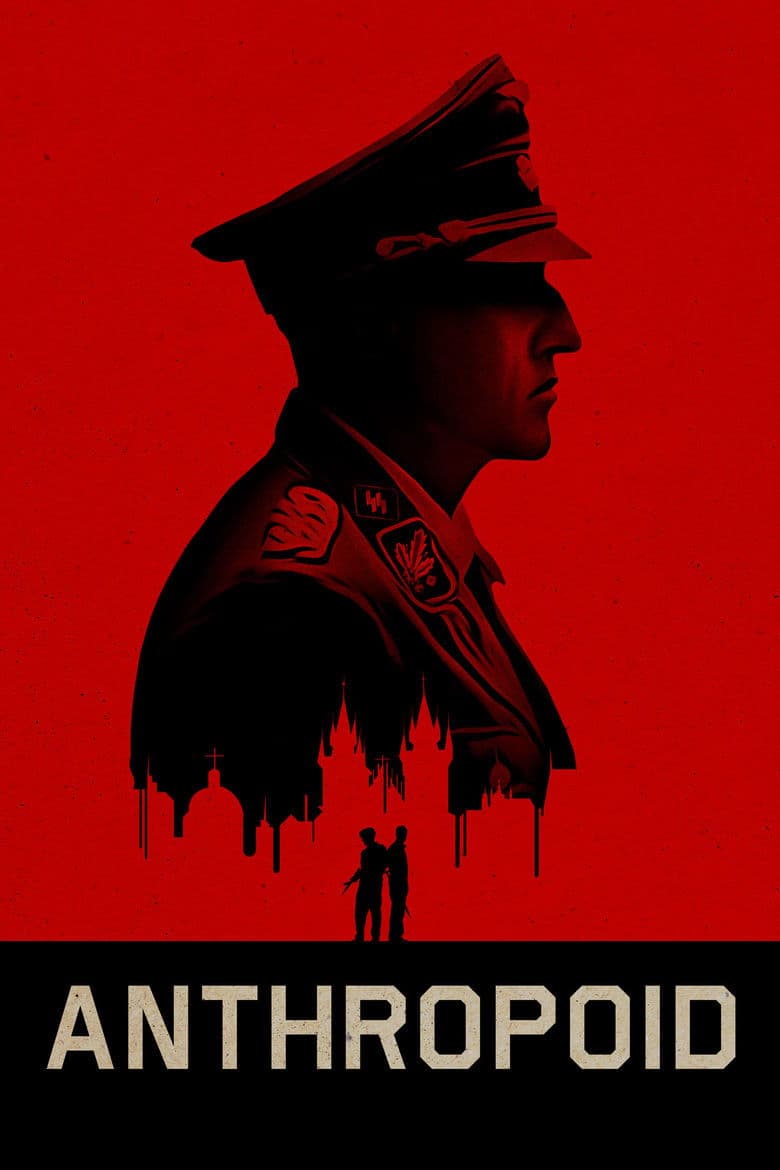
In December 1941, Czech soldiers Jozef Gabčík and Jan Kubiš parachute into their occupied homeland to assassinate Nazi officer Reinhard Heydrich.

Movie · 2022
For best friends Becky and Hunter, life is all about conquering fears and pushing limits. But after they climb 2,000 feet to the top of a remote, abandoned radio tower, they find…

Movie · 2016
When Krisha returns to her estranged family for Thanksgiving dinner, past demons threaten to ruin the festivities.

Movie · 2024
Nothing is what it seems when a twisted one-night stand spirals into a serial killer’s vicious murder spree.
Movie · 2024
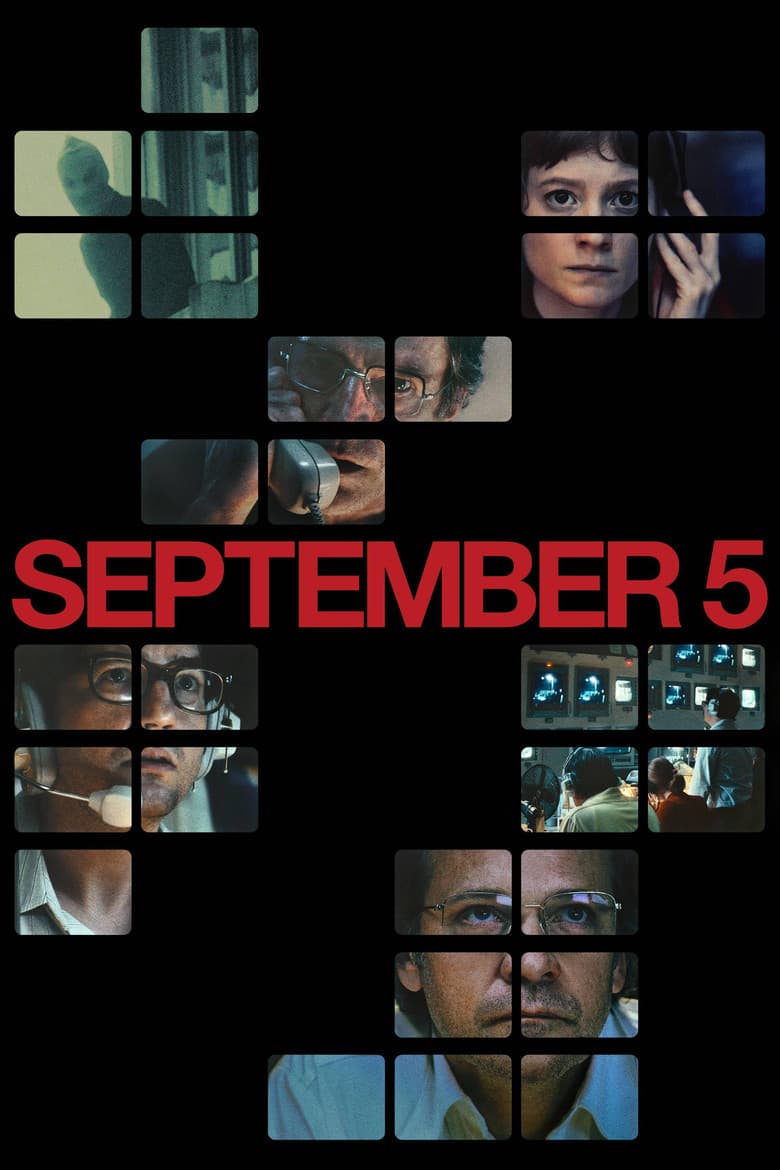
During the 1972 Munich Olympics, an American sports broadcasting crew finds itself thrust into covering the hostage crisis involving Israeli athletes.
Movie · 2021
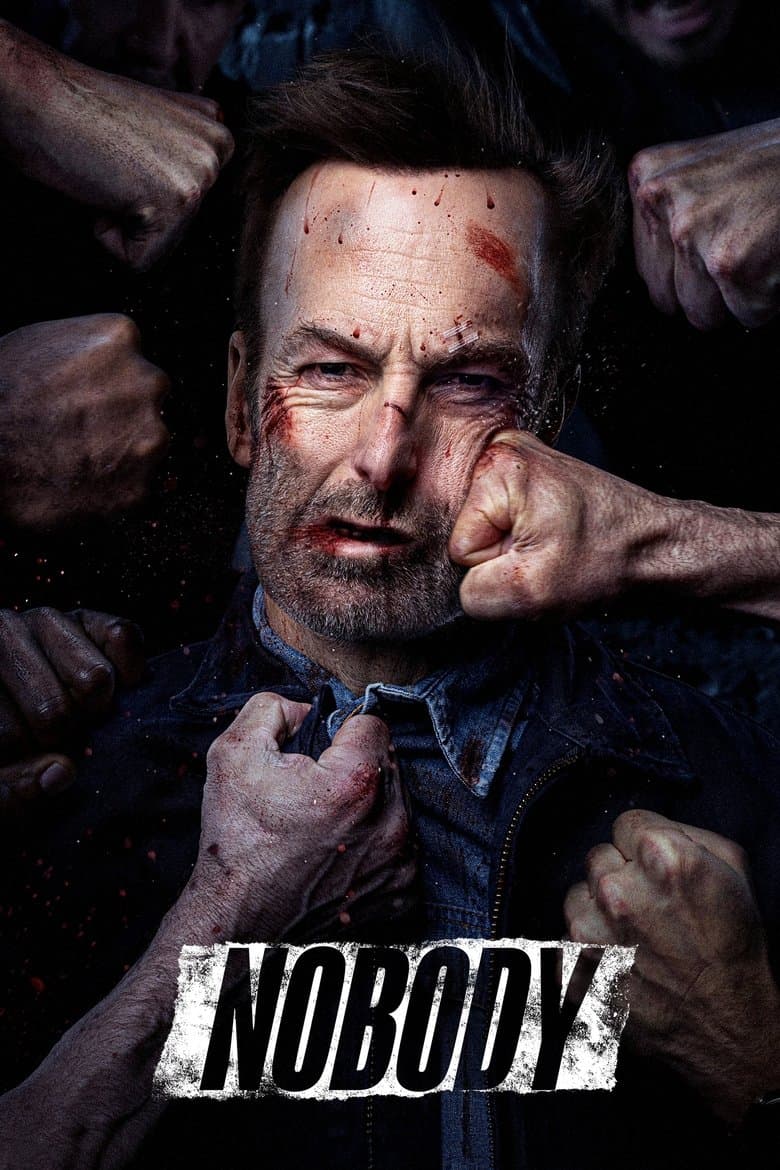
Hutch Mansell, a suburban dad, overlooked husband, nothing neighbor — a "nobody." When two thieves break into his home one night, Hutch's unknown long-simmering rage is ignited…
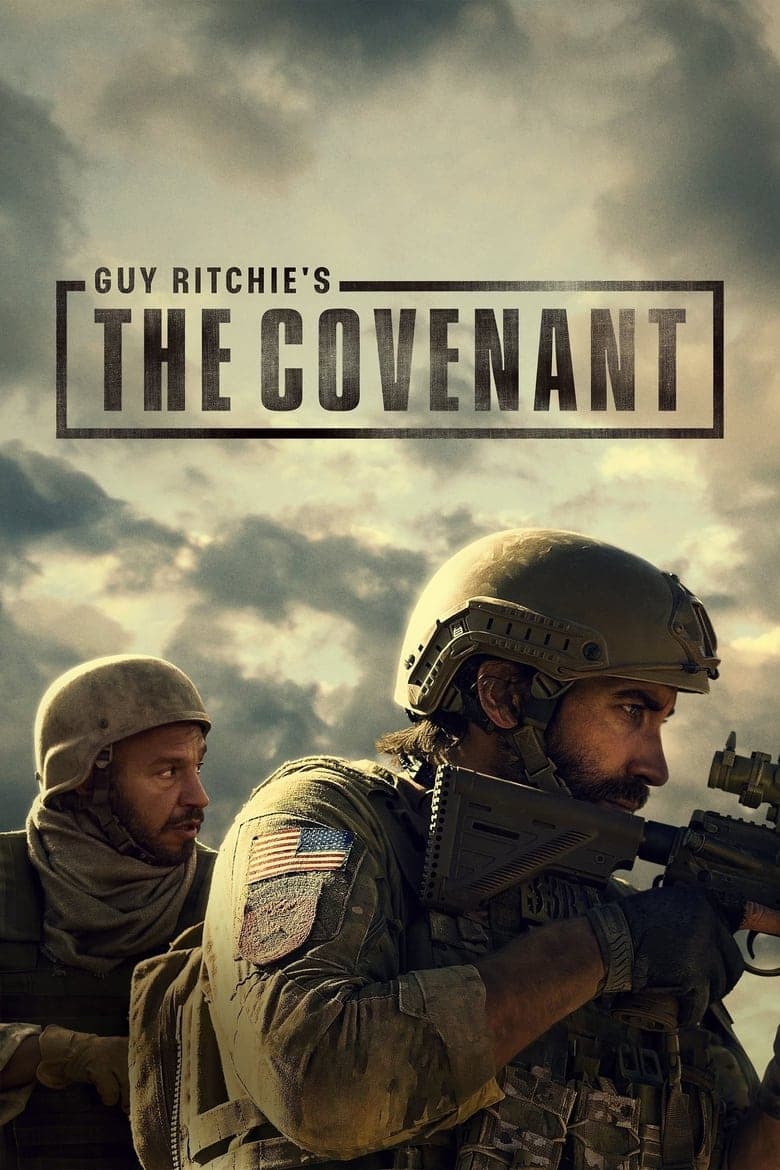
Movie · 2023
During the war in Afghanistan, a local interpreter risks his own life to carry an injured sergeant across miles of grueling terrain.

Movie · 2025
Marty Mauser, a young man with a dream no one respects, goes to hell and back in pursuit of greatness.
