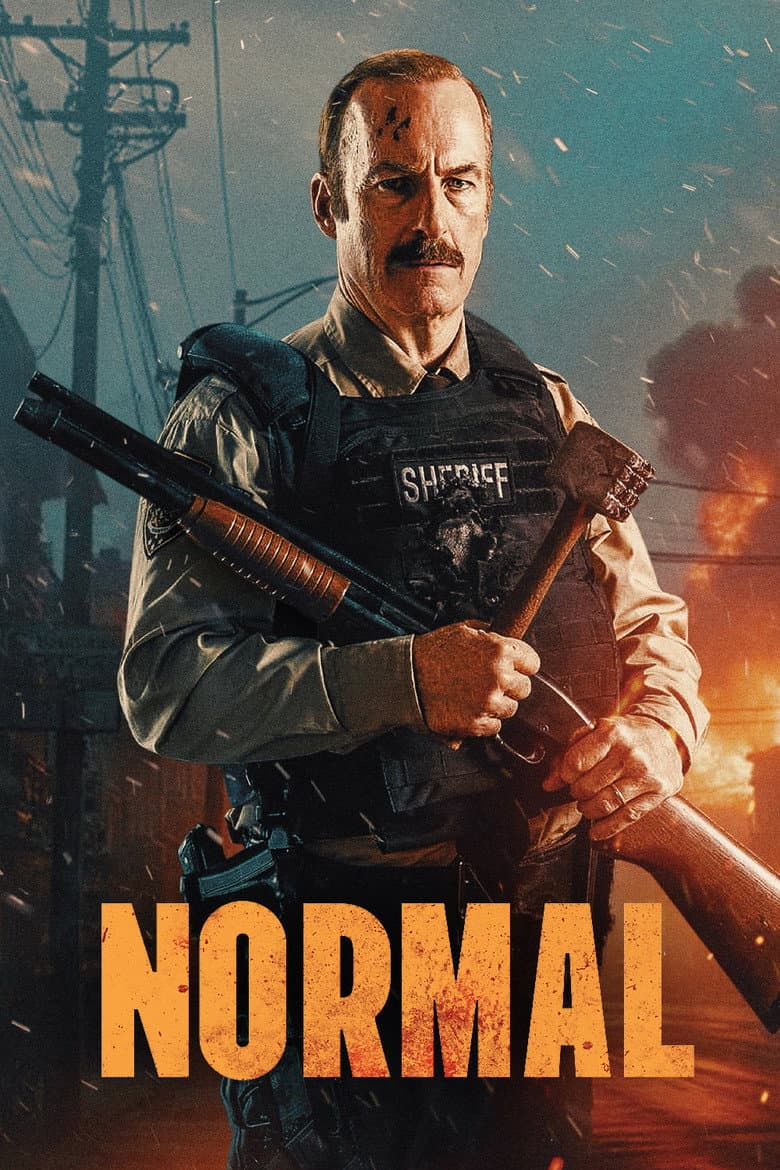
Ulysses Richardson takes a temporary job as sheriff in Normal, a snowy small town in Minnesota. He wants a quiet break from a troubled past, but a clumsy bank robbery exposes a secret hidden by nearly everyone in town. The mayor, deputies, shopkeepers, and other residents protect money, weapons, and a deal with a Japanese crime group. The story shifts from a dry small-town mystery into a bloody action comedy as Ulysses fights to survive and decides whom he can trust.
The clearest woke element is Alex, the late sheriff’s trans and nonbinary child, who is pushed out of town life and shut out of the funeral. Ulysses treats Alex with respect, gives them a safe place to stay, and later makes them part of his team. Alex becomes a capable action partner and helps defeat people who treated them badly. This gives the movie a clear message about accepting gender identity and rejecting small-town prejudice, but the message stays inside a supporting story while the main plot remains a violent crime thriller.
Community feedback
Was our 42% Woke rating accurate?
Breakdown
These are the editorial factors and ratings behind our score for Normal.
Woke representation / casting
The film places Jess McLeod, a nonbinary actor, in the named role of Alex, the late sheriff’s trans and nonbinary child. Alex is a visible supporting character who later joins the sheriff in the action. The role gives the movie a clear identity representation signal, but the rest of the cast does not form a repeated identity-first pattern.
24%
Woke political dialogue
The movie briefly links the town’s rural decline and local law failure to wider American politics. The gun stockpile and the town’s secret lead to a few comments about what has gone wrong. The dialogue mostly supports the mystery and jokes, so this remains a small part of the film.
12%
Identity-driven story themes
Alex is pushed out of town life and barred from the funeral after the death of their parent. Ulysses listens to Alex, offers shelter and respect, and later gives them a role in law enforcement. Alex becomes a capable action partner and survives the final attack with Ulysses. The movie treats acceptance of a trans and nonbinary person as right and the town’s rejection as wrong, making this a meaningful supporting theme.
50%
Western institutional / cultural critique
The movie shows the mayor, deputies, and townspeople protecting a criminal deal, but that part mainly serves the crime plot. The town also keeps Alex outside its social life and leaves them without support because of their identity. Loaded guns in shops, a large police armory, and careless violence are treated as signs that the town’s idea of normal life is dangerous. These points create a moderate critique of local culture and institutions, but the story does not turn them into a broad political sermon.
29%
Woke character or canon changes
Not relevant. Normal is an original story about a fictional town. It does not adapt established characters, canon, or real historical events.
0%
Anti-woke backlash and complaints
X research found a niche anti-woke account reviewing Normal and a few tiny replies worrying about a mid-range woke score or asking if it was kinda woke. One low-reach reply said Bob Odenkirk was too far left to resist Hollywood. No large right-leaning accounts, boycott calls, review bombing, or coordinated campaign appeared, so the backlash is fringe.
12%
Creator track record context
Ben Wheatley has no clear activist or identity-focused record. Derek Kolstad has no public identity-politics record. Bob Odenkirk has mild Democratic and anti-Trump activity, but he has also called himself a radical centrist and has no strong DEI body of work. Most listed producers have little public activist history, with limited gender-equity or social-justice work among them.
13%
Production
Movie · 2023
With the price on his head ever increasing, John Wick uncovers a path to defeating The High Table. But before he can earn his freedom, Wick must face off against a new enemy with…

Movie · 2022
A disgraced ex-cop seeks solace by moving to the woods, but his quiet life comes to an end when a private eye recruits him to investigate the murder of an eccentric TV star's wife.

Movie · 2024
A contract killer, after being diagnosed with a fast-moving form of dementia, is presented with the opportunity to redeem himself by saving the life of his estranged adult son.
Movie · 2020
A reformed hunter becomes involved in a deadly game of cat and mouse when he and the local sheriff set out to track a vicious killer who may have kidnapped his daughter years ago.

Movie · 2020
Marcus and Mike are forced to confront new threats, career changes, and midlife crises as they join the newly created elite team AMMO of the Miami police department to take down…
Movie · 2023
Back from the brink of death, highly skilled commando Tyler Rake takes on another dangerous mission: saving the imprisoned family of a ruthless gangster.

Movie · 2016
A troubled veteran gets a chance at redemption by protecting a girl from an assassin after she witnesses a murder.

Movie · 2018
Agent Matt Graver teams up with operative Alejandro Gillick to prevent Mexican drug cartels from smuggling terrorists across the United States border.
