
Monos follows a group of teenage fighters who serve a hidden army in a remote Latin American mountain camp. They guard an American hostage called Doctora and a milk cow while they train, flirt, and wait for orders. When a mistake with the cow brings danger from above, the group moves into the jungle and loses its last control. The film becomes a harsh, dreamlike fight over power, loyalty, fear, and survival as the young fighters turn on each other.
The clearest woke element is the film's repeated use of loose gender and sexual roles among the teenagers. The group includes a fighter named Rambo whose gender stays unclear, and Sofía Buenaventura plays the role. The teens share same-sex kisses, a three-way kiss, cross-dressing, and sexual encounters without fixed labels. These moments are not political speeches, but they are a recurring part of the coming-of-age story and make the film's view of gender and desire noticeably nontraditional.
Community feedback
Was our 50% Woke rating accurate?
Breakdown
These are the editorial factors and ratings behind our score for Monos.
Woke representation / casting
The teenage squad is made up mostly of local Colombian performers in a Colombian-inspired setting. Rambo is a central fighter, although the role began as male in the script. The film keeps Rambo’s gender unclear and uses both male and female words for Rambo. Landes described the choice as almost post-gender and said the casting became gender-blind. This gives one major role a clear identity signal, but the whole cast is not built around representation.
42%
Woke political dialogue
Not present. The teens talk about orders, punishment, sex, and survival. The film does not give them modern identity, DEI, or activist speeches.
0%
Identity-driven story themes
The teenagers repeatedly experiment with sex and attraction. The film shows same-sex kisses, a group kiss, cross-dressing, and sexual contact across gender lines. Rambo is a central fighter whose gender stays unclear throughout the story. These choices make gender and desire a real part of the coming-of-age story, although war and the collapse of the group remain the main plot.
50%
Western institutional / cultural critique
The Organization controls the teenagers through a strict chain of command and harsh punishment. Bigfoot’s growing rule links male power with cruelty. Rambo’s empathy challenges the group’s idea of a proper fighter. The story targets an abusive war system rather than Christianity, family life, or a modern Western institution. The critique is present but is not the main political message.
26%
Woke character or canon changes
Not relevant. Monos is an original story with no established characters or canon. Rambo’s gender changed during this film’s casting, but Rambo was not an existing character.
0%
Anti-woke backlash and complaints
Not present. Social and news discussion centered on the film’s violence, style, awards, Colombian conflict, and gender themes. A few reports mention opposite political labels in Colombia, but they do not show sustained anti-woke complaints.
0%
Creator track record context
Alejandro Landes has a socially engaged record about political violence and people pushed to the edge. His interviews frame Monos as having no clear left or right politics and describe Rambo as almost post-gender. Alexis Dos Santos is strongly linked to queer coming-of-age work through Glue and Unmade Beds. The producers mostly have low or moderate political records, although Fernando Epstein and Santiago Zapata have links to underrepresented Latin American stories. This gives the creative team a moderate identity and social-issue track record.
55%
Production

Movie · 2021
Deputy Sheriff Joe "Deke" Deacon joins forces with Sgt. Jim Baxter to search for a serial killer who's terrorizing Los Angeles.

Movie · 2019
During the 1980s, a failed stand-up comedian is driven insane and turns to a life of crime and chaos in Gotham City while becoming an infamous psychopathic crime figure.

Movie · 2016
Alex, an immigrant from Ukraine comes to Canada and becomes involved with an online criminal organization called Darkweb.
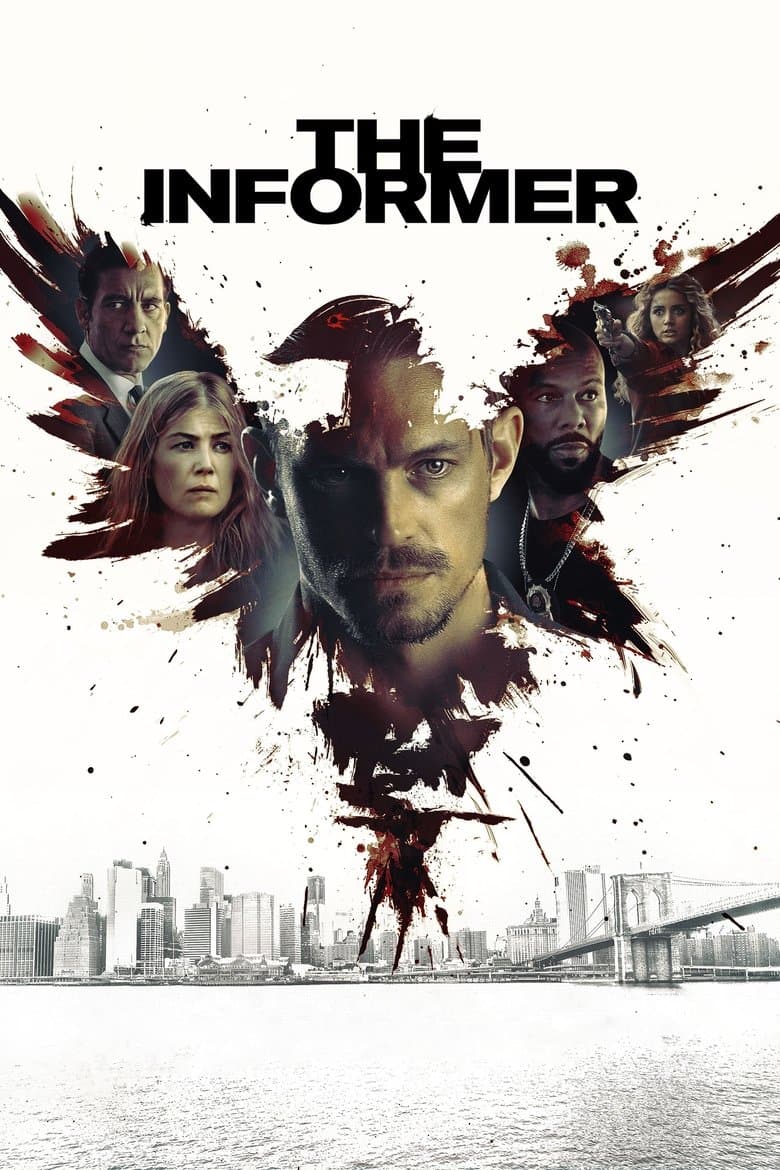
Movie · 2019
In New York, former convict Pete Koslow, related to the Polish mafia, must deal with both Klimek the General, his ruthless boss, and the twisted ambitions of two federal agents…
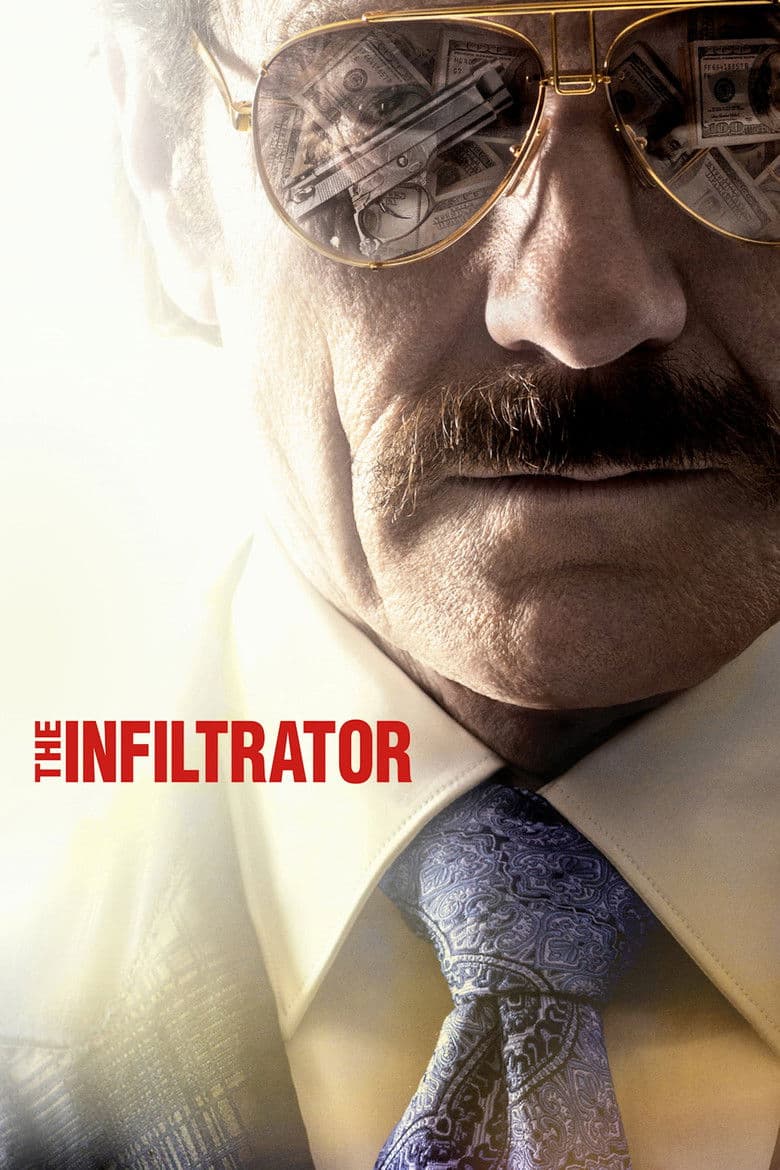
Movie · 2016
A U.S Customs official uncovers a massive money laundering scheme involving Pablo Escobar.
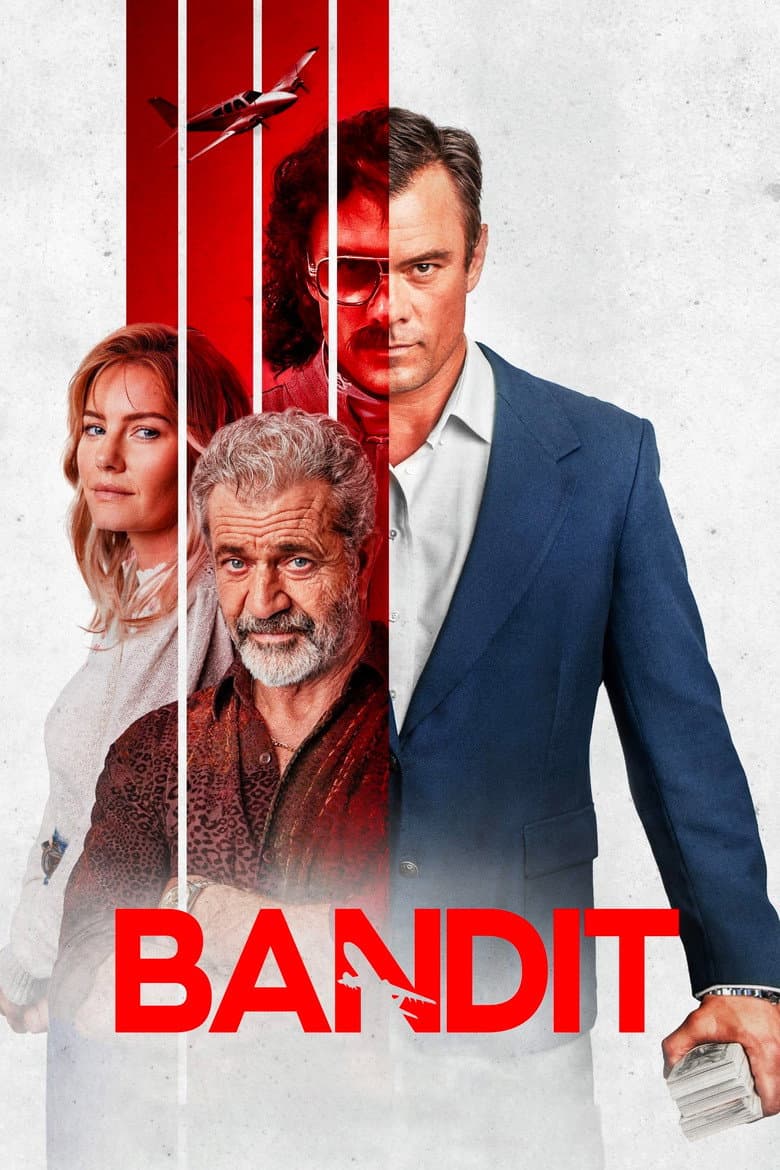
Movie · 2022
After escaping a Michigan prison, a charming career criminal assumes a new identity in Canada and goes on to rob a record 59 banks and jewellery stores while being hunted by a…
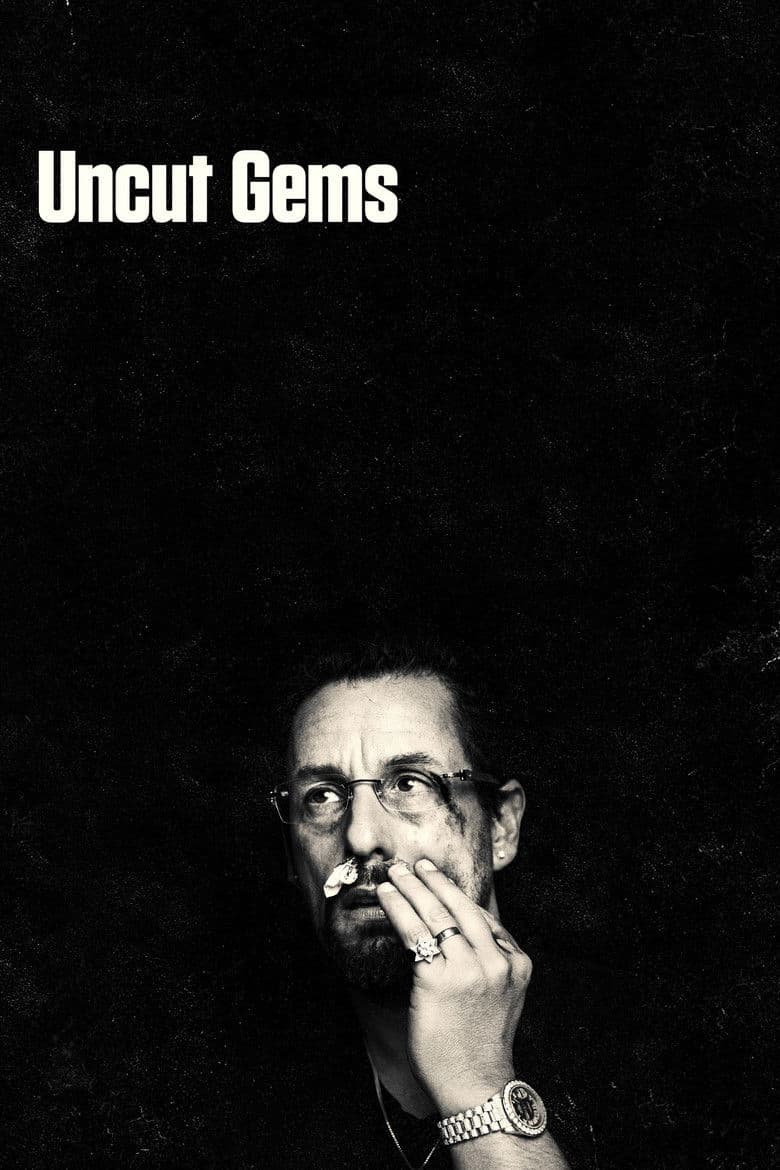
Movie · 2019
A charismatic New York City jeweler always on the lookout for the next big score makes a series of high-stakes bets that could lead to the windfall of a lifetime.
Movie · 2021
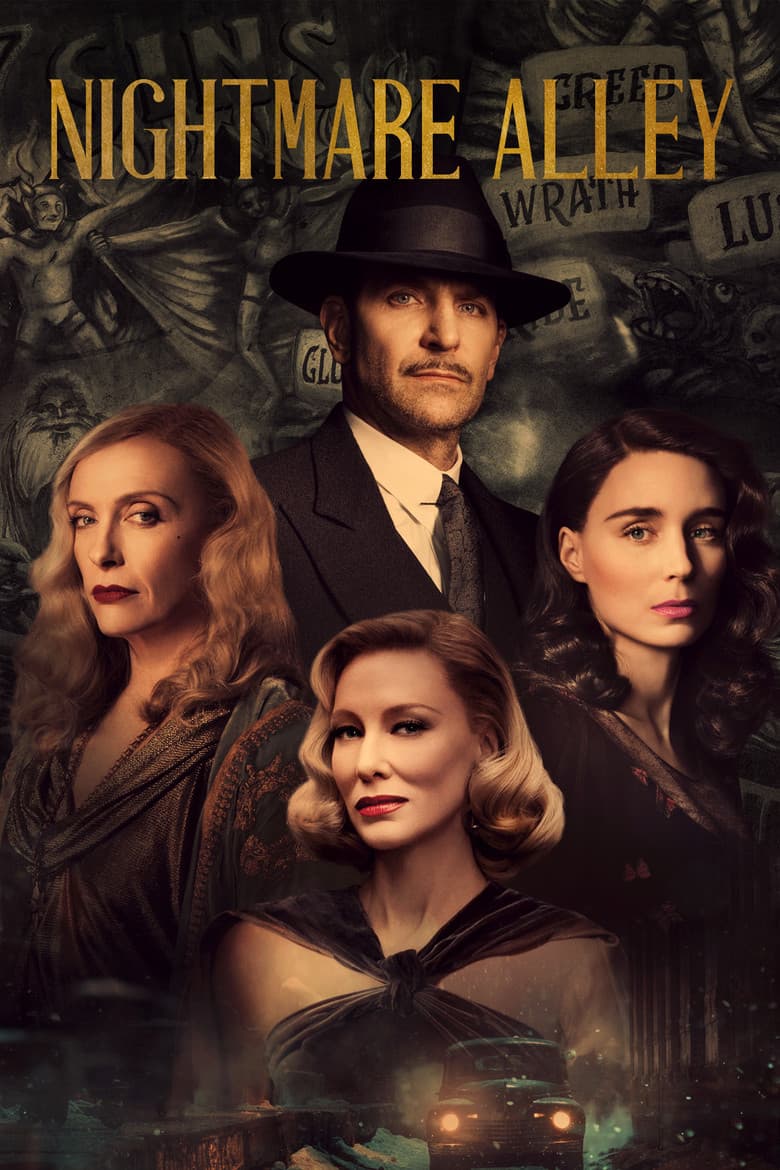
An ambitious carnival man with a talent for manipulating people with a few well-chosen words hooks up with a female psychologist who is even more dangerous than he is.
