
Teenage Moana lives on the island of Motunui. The ocean picks her for a big quest. She sails past the reef with the demigod Maui to return a stolen heart to the goddess Te Fiti. This will fix a blight hurting her people and their home.
The movie is a very close live-action version of the 2016 animated film. It focuses on Polynesian culture, wayfinding traditions, family duty, and a young girl finding her strength as a leader. Casting uses Polynesian and Pacific Islander actors for the main roles, which matches the story's setting and gets highlighted in marketing and interviews. Creators include people who have spoken about Pasifika and diverse representation. There are no added political speeches or major story changes that push modern identity politics. Public reaction centers on the film feeling flat as a remake and weak box office numbers rather than strong claims of activist content.
Community feedback
Was our 35% Woke rating accurate?
Breakdown
These are the editorial factors and ratings behind our score for Moana.
Woke representation / casting
Prominent roles filled with Polynesian and Pacific Islander actors matching the Polynesian island setting and legends. Marketing and cast interviews stress cultural representation and pride. Story logic justifies the casting as authentic to the world. Visible emphasis on Pacific heritage without clear quota-style signaling beyond the premise.
15%
Woke political dialogue
Dialogue and songs stay close to the original adventure story. One trailer and film scene has Maui awkwardly add "women too" after saying he is a hero of men. This drew scattered online criticism as forced gender inclusion.
13%
Identity-driven story themes
Core story follows a young woman chosen to lead a quest, restore balance, and reconnect her people with voyaging traditions. Emphasizes personal growth, cultural heritage, and female leadership in a mythic setting. Themes of self-discovery and heritage are present but framed as Polynesian legend rather than contemporary activism.
34%
Western institutional / cultural critique
Story involves restoring harmony after a theft from a nature goddess in ancient Polynesian myth. No reframing into critiques of capitalism, patriarchy, colonialism, or Western systems. Environmental healing stays mythic and internal to the culture.
0%
Woke character or canon changes
Reviews consistently describe the film as a near shot-for-shot or beat-for-beat faithful retelling of the 2016 animated story with very few alterations to plot, characters, or themes.
0%
Anti-woke backlash and complaints
Some social media and online commentary labels the project part of "woke Disney" or ties the flop to representation talk, often in broader anti-Disney posts. Most criticism targets remake quality, CGI, and timing rather than specific woke content in the narrative. Evidence of detailed anti-woke outrage focused on story elements is limited.
12%
Creator track record context
Key writers and producers include advocates for Pasifika and diverse representation in media (Dana Ledoux Miller, Jared Bush, Lin-Manuel Miranda). Casting director has strong DEI background. Balanced by Dwayne Johnson publicly criticizing woke messaging in films and other lower-scored team members with no activist patterns.
48%
Production
Movie · 2024
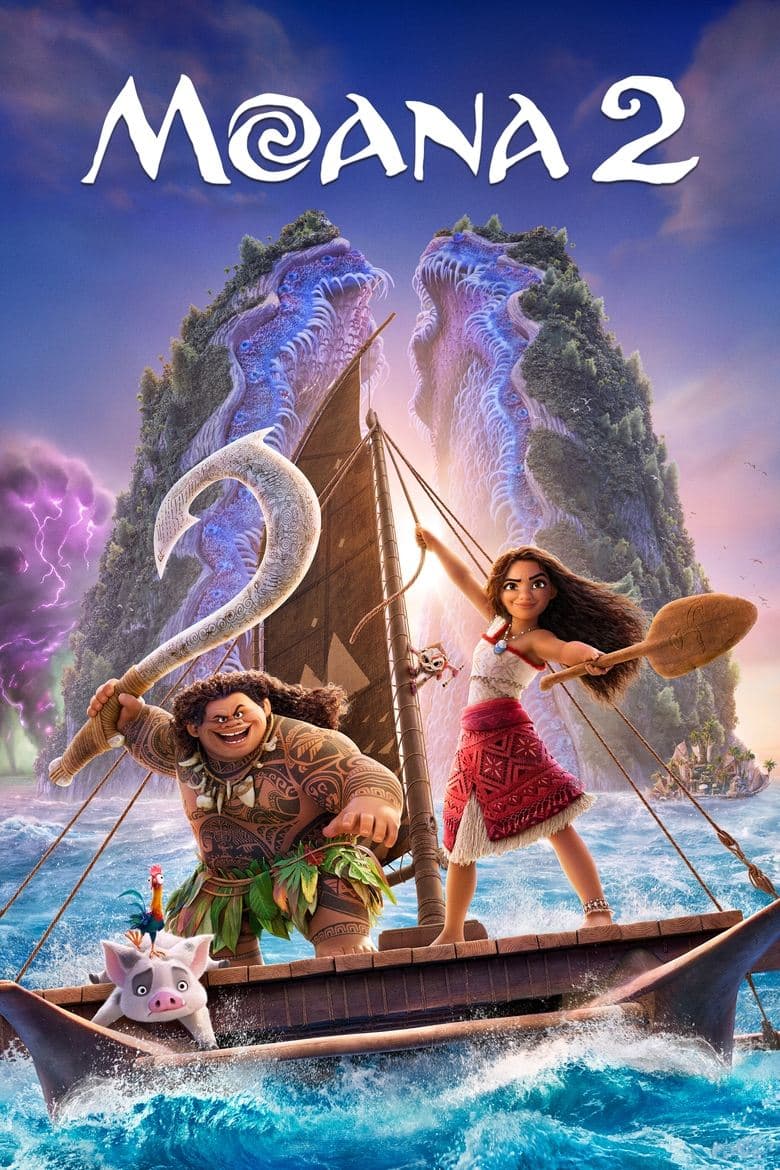
After receiving an unexpected call from her wayfinding ancestors, Moana journeys alongside Maui and a new crew to the far seas of Oceania and into dangerous, long-lost waters for…

Movie · 2018
Siblings Kate and Teddy try to prove Santa Claus is real, but when they accidentally cause his sleigh to crash, they have to save Christmas.
Movie · 2024
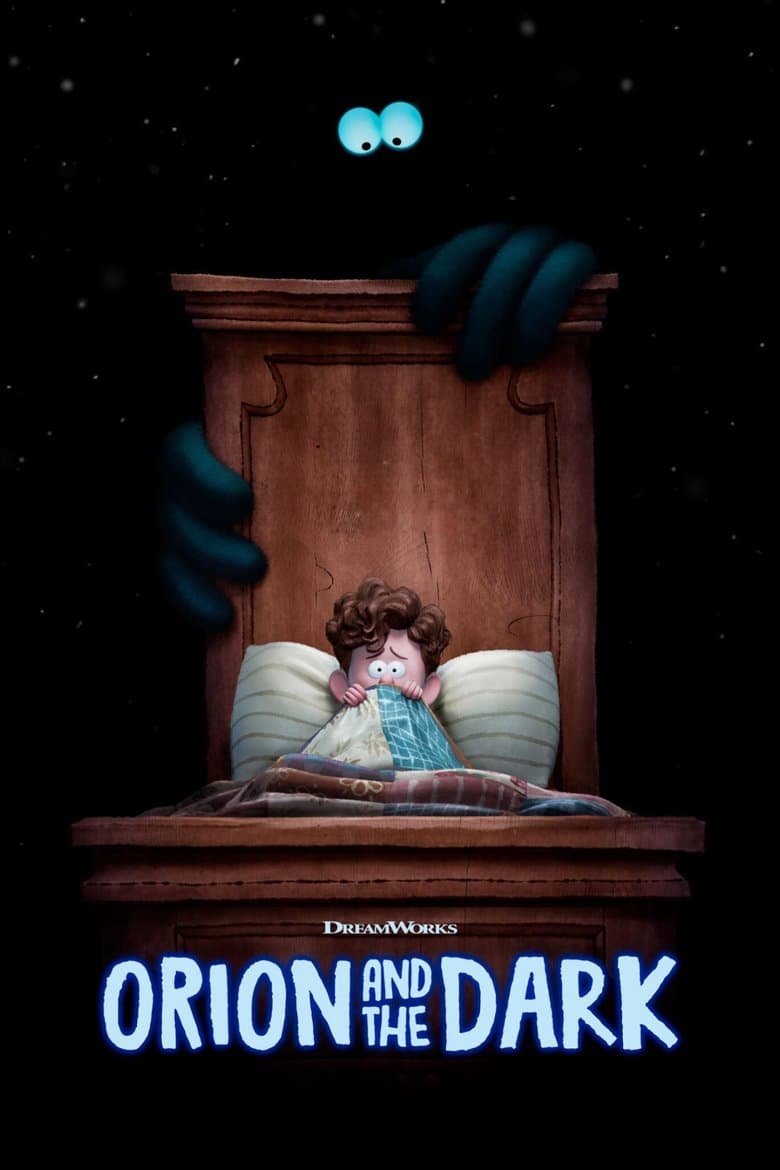
A boy with an active imagination faces his fears on an unforgettable journey through the night with his new friend: a giant, smiling creature named Dark.
Movie · 2024
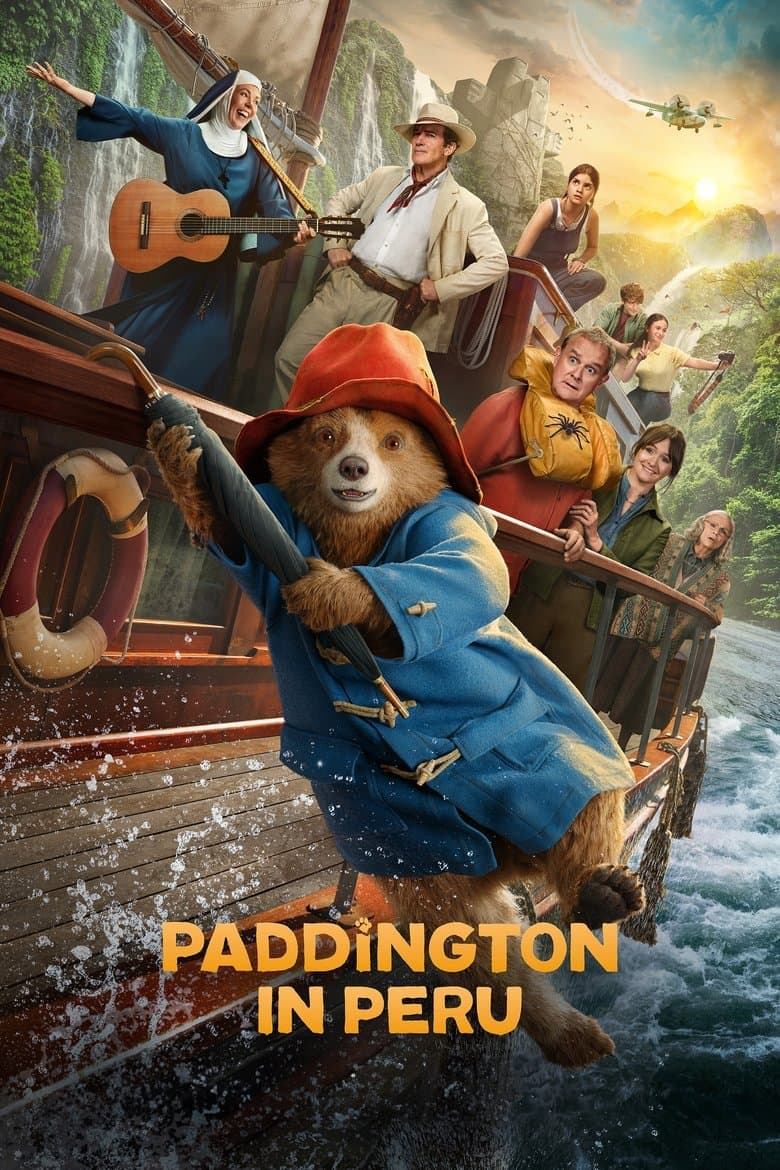
Paddington travels to Peru to visit his beloved Aunt Lucy, who now resides at the Home for Retired Bears. With the Brown Family in tow, a thrilling adventure ensues when a mystery…
Movie · 2024
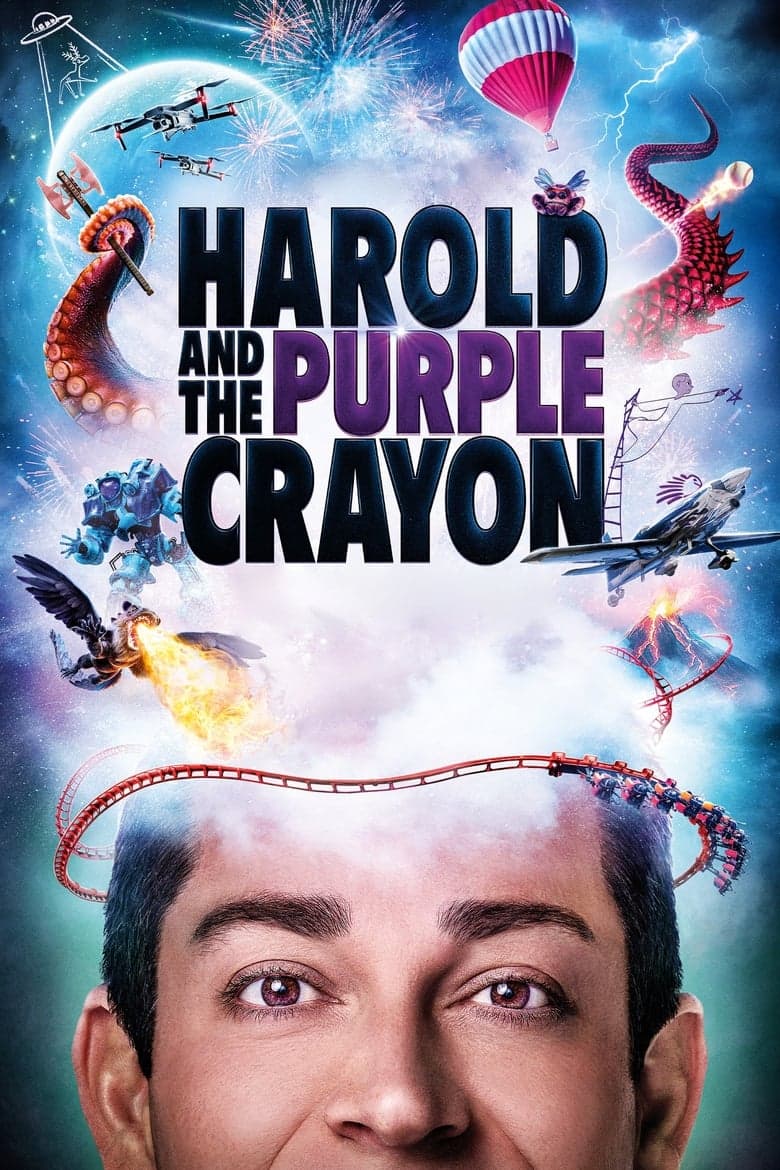
Inside of his book, adventurous Harold can make anything come to life simply by drawing it. After he grows up and draws himself off the book's pages and into the physical world…
Movie · 2022
Puss in Boots discovers that his passion for adventure has taken its toll: He has burned through eight of his nine lives, leaving him with only one life left.
Movie · 2025
Four misfits find themselves struggling with ordinary problems when they are suddenly pulled through a mysterious portal into the Overworld: a bizarre, cubic wonderland that…
Movie · 2017
A dog goes on quest to discover his purpose in life over the course of several lifetimes with multiple owners.
