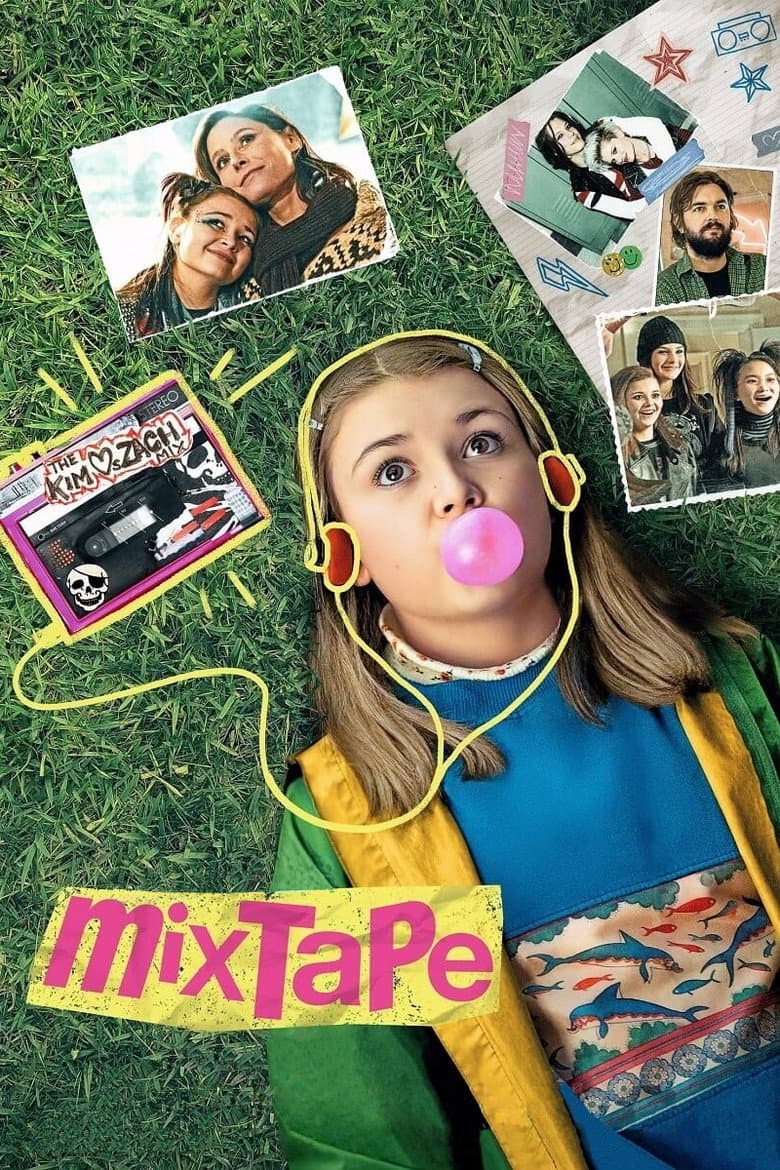
In late 1999, 12-year-old Beverly Moody lives in Spokane with her grandmother Gail. Beverly's parents died in a car crash when she was two, and she wants to know who they were. When she finds their broken mixtape, she hunts down each song with help from a new neighbor, Ellen, a tough classmate named Nicky, and a grumpy record-store owner called Anti. The film mixes jokes, old music, school trouble, family grief, and the fear that computers will fail at Y2K.
The film gives Beverly a diverse group of girl friends, including Ellen, who is Asian. It includes a short joke about Beverly expecting Ellen to translate a Japanese song because she is Asian. The movie also presents two gay male neighbors as a normal and cheerful part of the neighborhood. The girls often solve problems and stand up to bullies, while many boys are bullies, poor musicians, or people who need help. A brief line says the United States was founded by jerks, yet the main message is about friendship, family, music, grief, and finding your own voice.
Community feedback
Was our 38% Woke rating accurate?
Breakdown
These are the editorial factors and ratings behind our score for Mixtape.
Woke representation / casting
The movie puts Asian Ellen in the main trio and shows a wider racial and ethnic mix around her. The film also includes a gay male couple and a wheelchair-using student in visible roles. The story does not make those traits a main subject, and it does not present the casting as a diversity campaign. The pattern is present but light.
18%
Woke political dialogue
A girl says that the United States was founded by jerks. The line gives the movie a brief anti-American tone, but the movie does not return to politics. Most spoken lines concern family grief, music, school bullying, teenage parenthood, and friendship.
25%
Identity-driven story themes
Beverly spends most of the movie trying to learn who she is through music, friendship, and family. The three girls solve the song hunt, confront bullies, sneak out, and perform together. The story often places the girls in active roles while many boys are bullies, poor musicians, or people who need help. The film links confidence and self-expression with their growth, but it does not build a direct lesson about gender or politics.
45%
Western institutional / cultural critique
Not present. The school, family, and neighborhood face ordinary problems such as bullying, grief, and strict parenting. The film does not build a modern activist critique of institutions, gender roles, Christianity, capitalism, or Western culture.
0%
Woke character or canon changes
Not relevant. The story uses original characters and does not rewrite a known character or historical person. It does not change an existing character's race, gender, or sexuality.
0%
Anti-woke backlash and complaints
Movieguide calls the brief line about the United States being founded by jerks politically correct and anti-American. No anti-woke posts about the film were found on X. Reddit and Rotten Tomatoes viewers mostly called the movie sweet, funny, and heartwarming. No broad news controversy or organized backlash was found.
13%
Creator track record context
Valerie Weiss has a stored score of 39/100 and has spoken about gender and representation in Hollywood and supported programs for women directors. Stacey Menear has a stored score of 0/100 and no clear record of activist or DEI messaging. Most producers and the casting director have low or modest stored scores, although Paddy Bickerton has some representation-related industry work. This background gives the film mild context, but it does not show a strong activist team.
22%
Production
Movie · 2019
A selfish postman and a reclusive toymaker form an unlikely friendship, delivering joy to a cold, dark town that desperately needs it.
Movie · 2017
A story about how a new baby's arrival impacts a family, told from the point of view of a delightfully unreliable narrator, a wildly imaginative 7 year old named Tim.
Movie · 2019
John Mulaney and his kid pals tackle existential topics for all ages with catchy songs, comedy sketches and special guests in a nostalgic variety special.
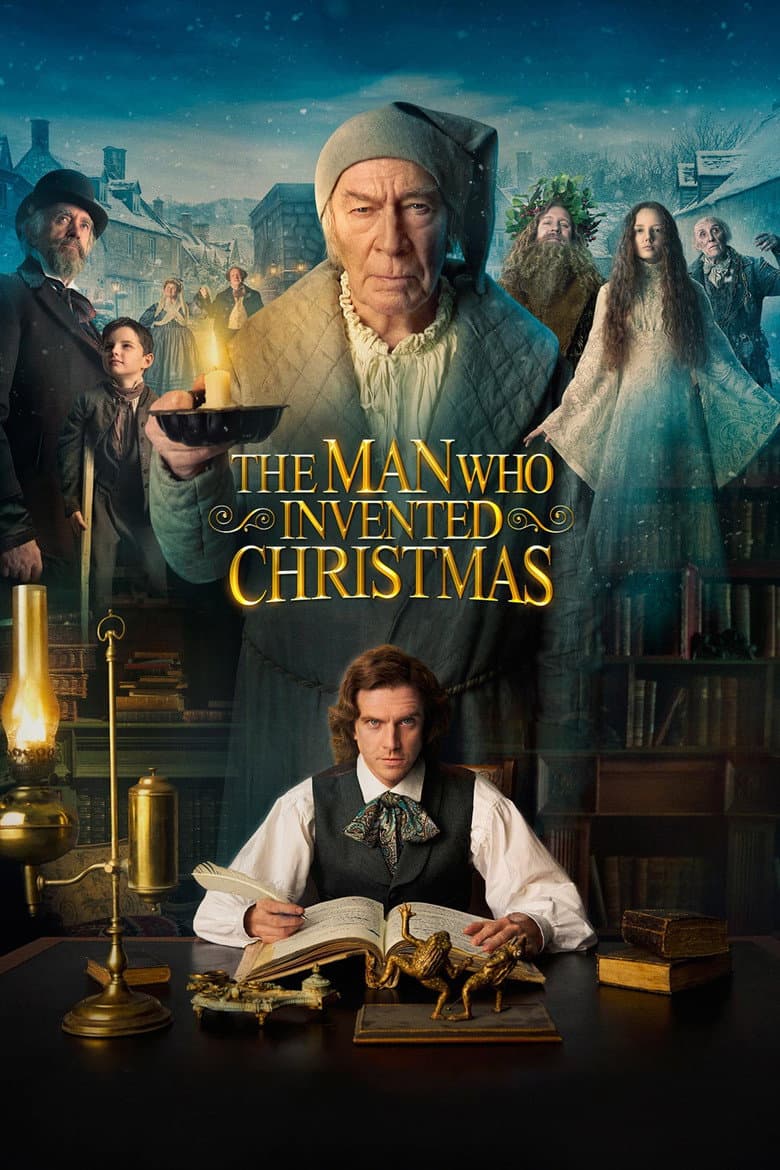
Movie · 2017
In 1843, despite the fact that Dickens is a successful writer, the failure of his latest book puts his career at a crossroads, until the moment when, struggling with inspiration…
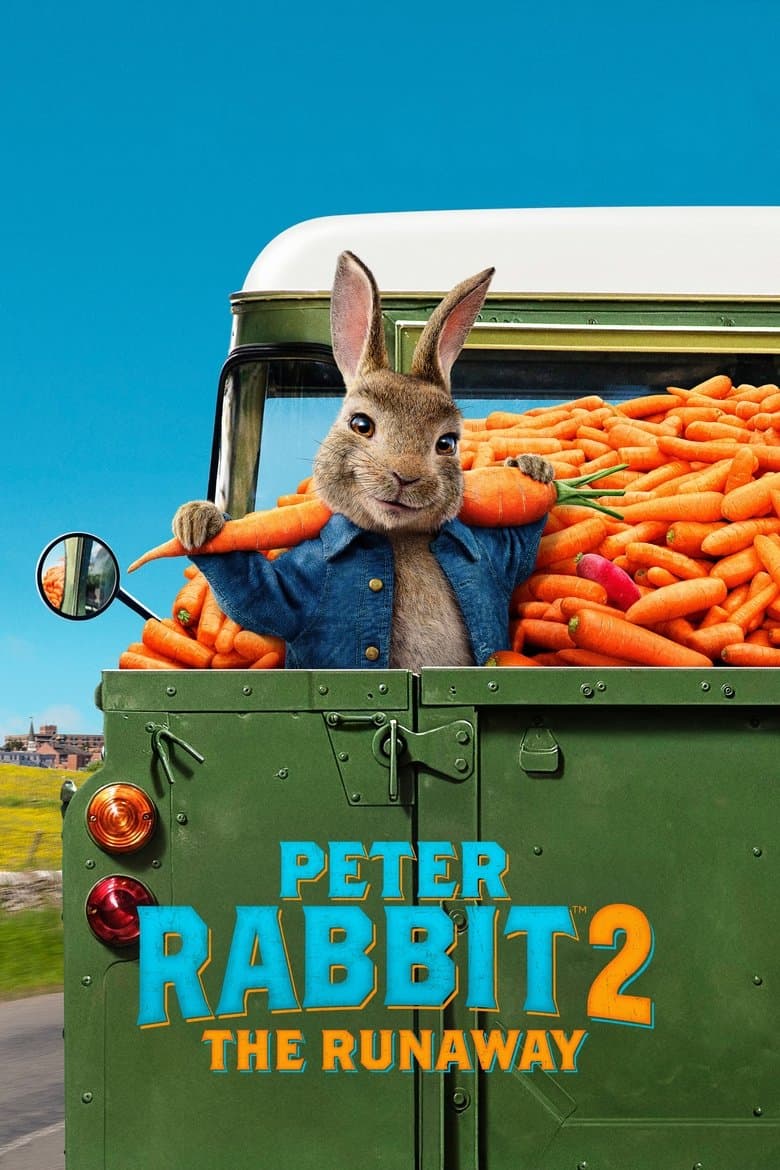
Movie · 2021
Peter Rabbit runs away from his human family when he learns they are going to portray him in a bad light in their book.
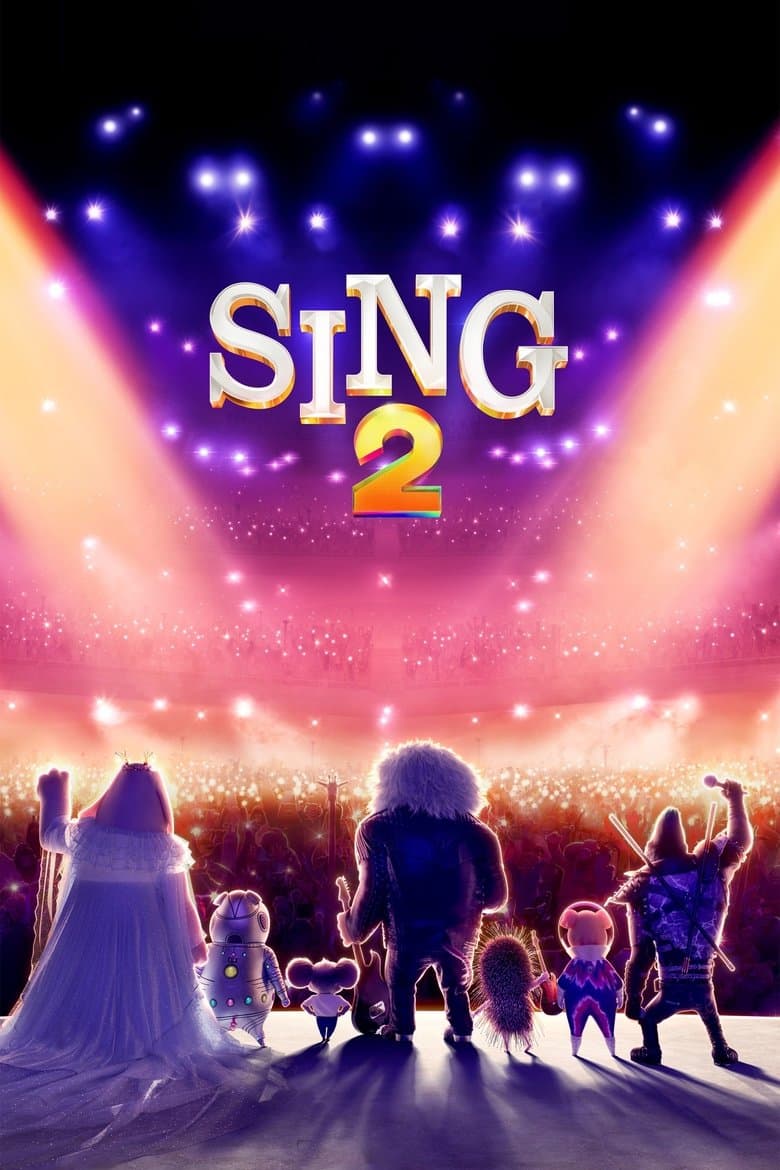
Movie · 2021
Buster and his new cast now have their sights set on debuting a new show at the Crystal Tower Theater in glamorous Redshore City.
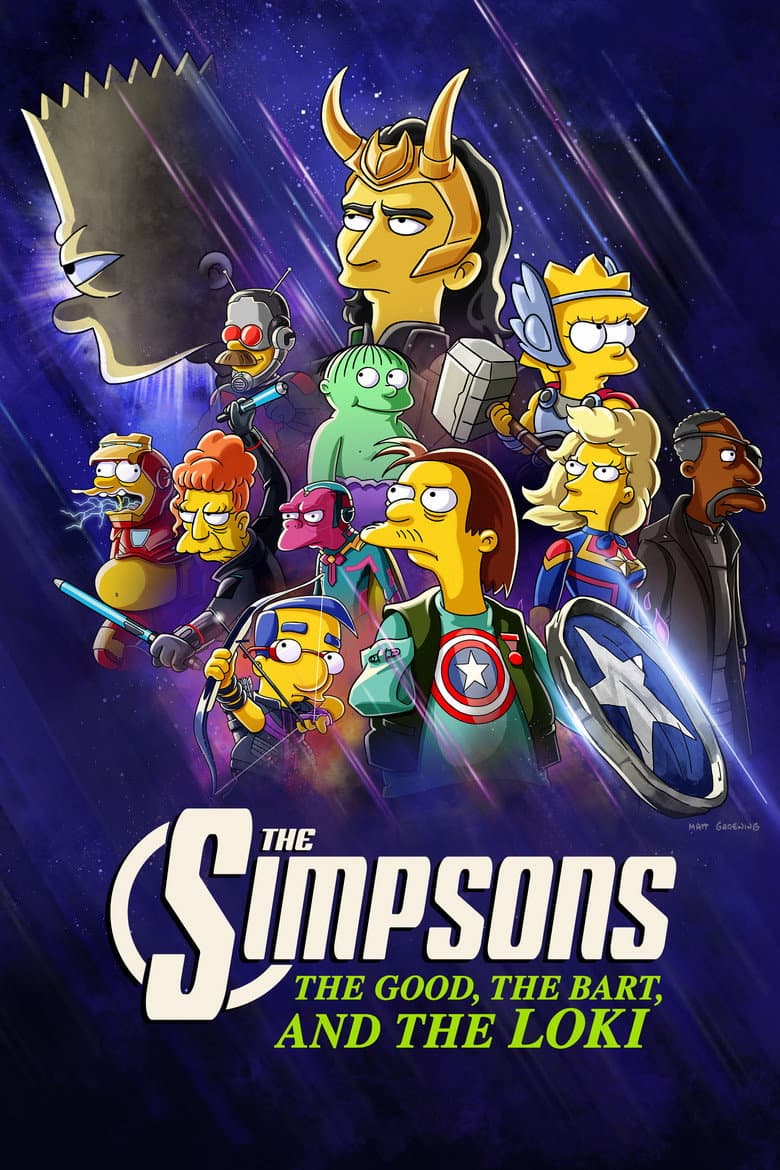
Movie · 2021
Loki is banished from Asgard once again and must face his toughest opponents yet: the Simpsons and Springfield’s mightiest heroes.
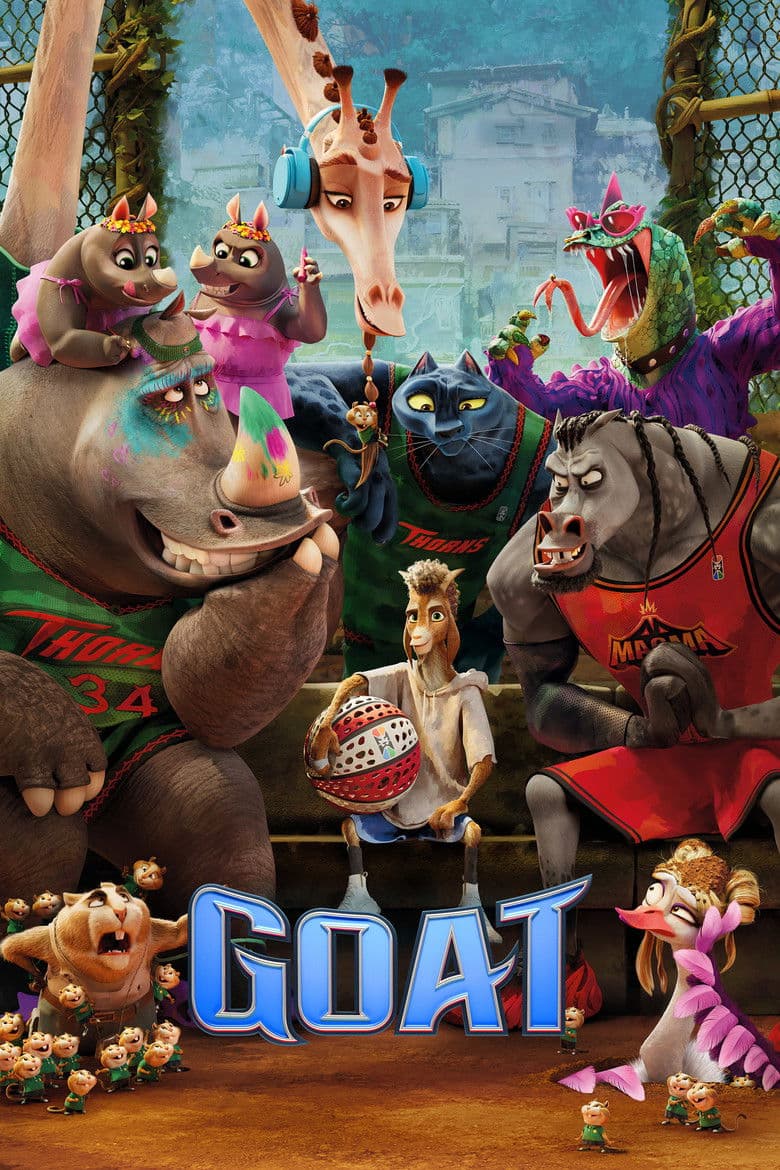
Movie · 2026
A small goat with big dreams gets a once-in-a-lifetime shot to join the pros and play roarball, a high-intensity, co-ed, full-contact sport dominated by the fastest, fiercest…
