Movie review
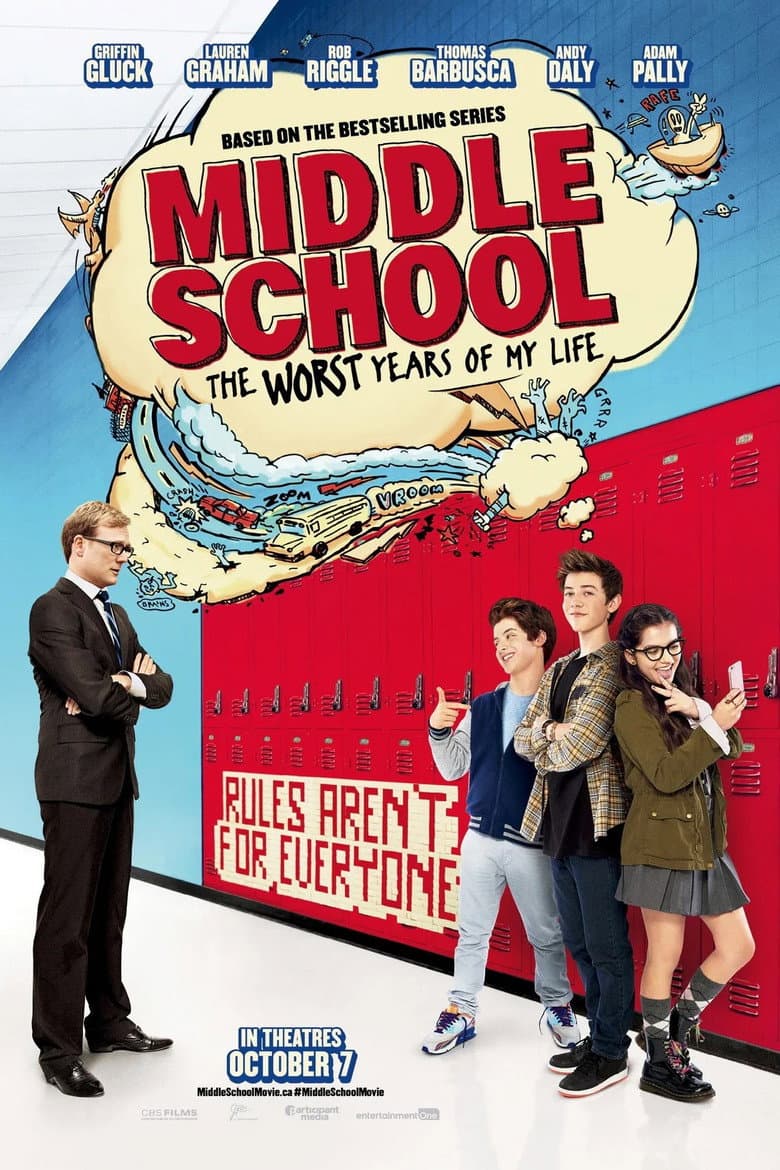
Rafe Katchadorian is a quiet sixth grader who draws fantasy worlds and struggles with school rules. He arrives at Hills Village Middle School after trouble at two earlier schools, knowing that another failure could send him to military school. Principal Dwight values strict control and high test scores, so he destroys Rafe's sketchbook after a drawing makes fun of him. Rafe and his friend Leo answer with a long series of pranks, while Rafe faces a bully, a crush, family trouble, and grief.
The film gives its clearest social message to creativity, personal freedom, and the right to question rules. Jeanne Galleta speaks for arts funding, says the dress code hurts individuality, raises money for Greenpeace, and helps reveal the principal's plan to keep weaker students from taking the test. Rafe's teacher also questions the school's focus on testing and sorting children by scores. The tone stays bright and silly, but the story treats student rebellion as a useful answer to unfair school control and ends with a lesson about facing loss.
Community feedback
Was our 42% Woke rating accurate?
Breakdown
These are the editorial factors and ratings behind our score for Middle School: The Worst Years of My Life.
Woke representation / casting
Not present. The film has a mixed cast in a normal modern American school setting, but it does not make race, gender, disability, religion, or other identity a message. The story does not use diversity-first casting language.
0%
Woke political dialogue
Jeanne gives a student speech that asks for arts funding and says the dress code hurts individuality. Rafe's teacher asks why the school is obsessed with testing and sorting children. Rafe says he learns more by breaking rules than by preparing for the B.L.A.A.R. test. These activist-style lines recur around the school conflict, but they remain short and child-focused.
30%
Identity-driven story themes
Jeanne is a student activist who fights for arts funding, individuality, and the lives of polar bears. She uses Facebook to spread Rafe's rebellion and helps expose the principal's plan to remove a weaker class from testing. Rafe's main story also presents creativity and personal freedom as better than blind obedience. These ideas are clear but sit inside a school prank comedy rather than a race, gender, or sexuality story.
24%
Western institutional / cultural critique
The school treats test scores as more important than students. Principal Dwight plans to remove an underperforming class so the school can keep its top ranking and his bonus. The film calls his rule book, dress code, arts cuts, and control of student clubs harmful to creativity and freedom. The criticism runs through the main story, but it targets one dishonest principal and a testing system rather than family life, religion, or Western society as a whole.
41%
Woke character or canon changes
Not relevant. The movie adapts James Patterson's book, but no race, gender, sexuality, or identity-based change to an established character or real person is reported.
0%
Anti-woke backlash and complaints
Christian family reviewers criticized the movie for praising rule breaking and called Jeanne a social justice warrior tied to environmental activism. Other conservative-leaning reviews called the rebellion anti-biblical or an attack on authority. The complaints are limited to a few review outlets, and the supplied X research found no anti-woke reaction.
16%
Creator track record context
Jeff Skoll's Participant Media is known for films about social issues and calls for action. Susan Cartsonis supports women's stories, inclusion, and new female directors. Robert Kessel has a long social-impact career, while Leopoldo Gout often links art with social change. Steve Carr and the writers have no strong activist record in the supplied creator notes, so the overall context is mixed.
35%
Production
Movie · 2024
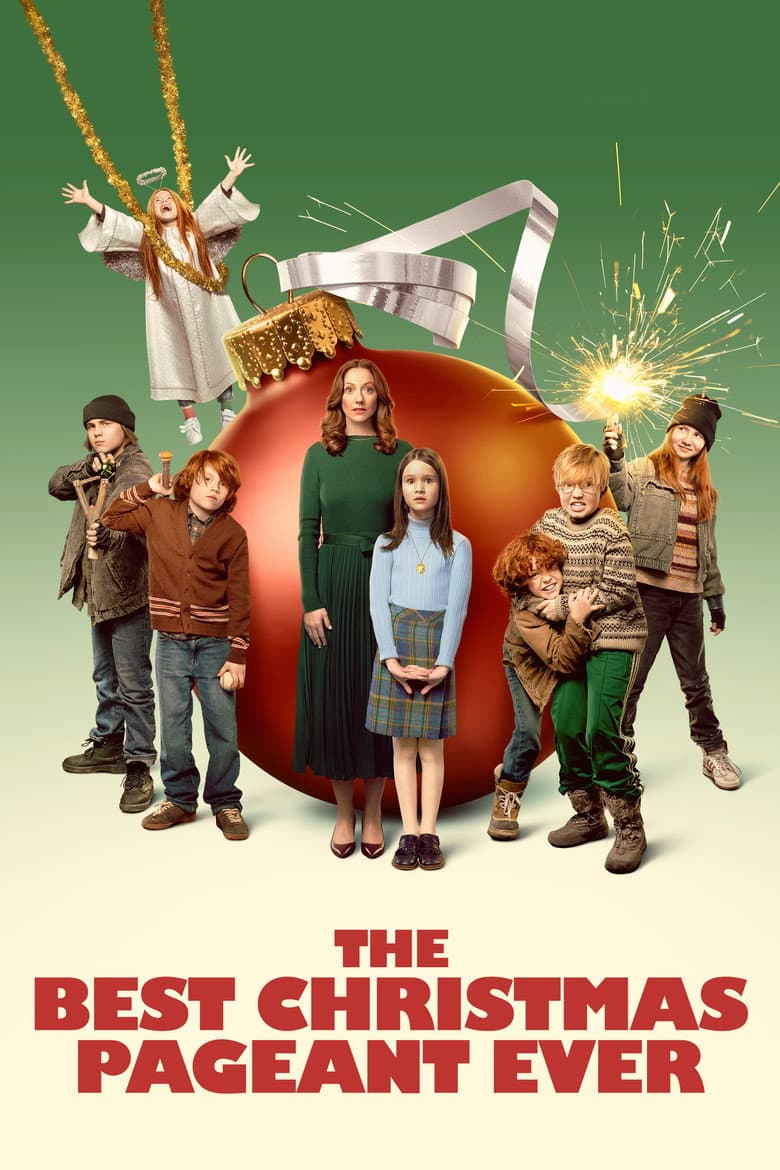
The Herdman kids are undeniably the worst kids in the history of the world. They lie, steal, cheat, bully and overall terrorize their small community.
Movie · 2022
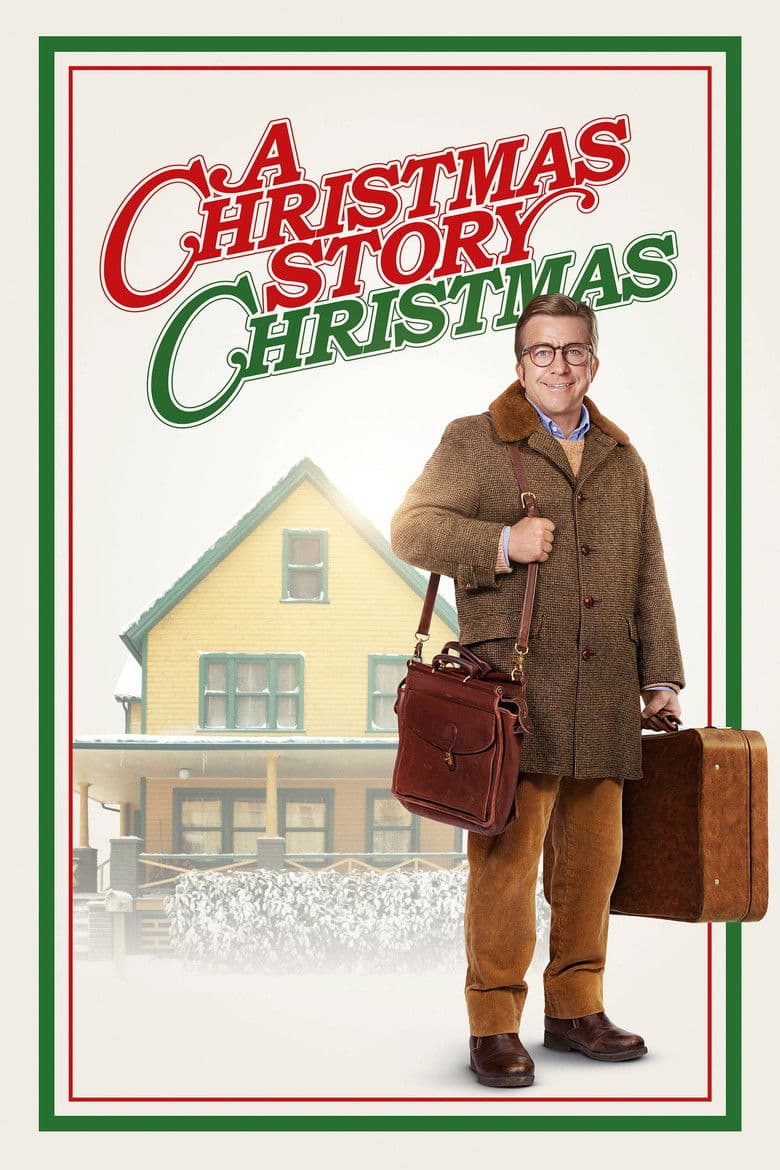
Follows Ralphie, now adult, who returns to the house on Cleveland Street to give his kids a magical Christmas like the one he had as a child, reconnecting with childhood friends…
Movie · 2020
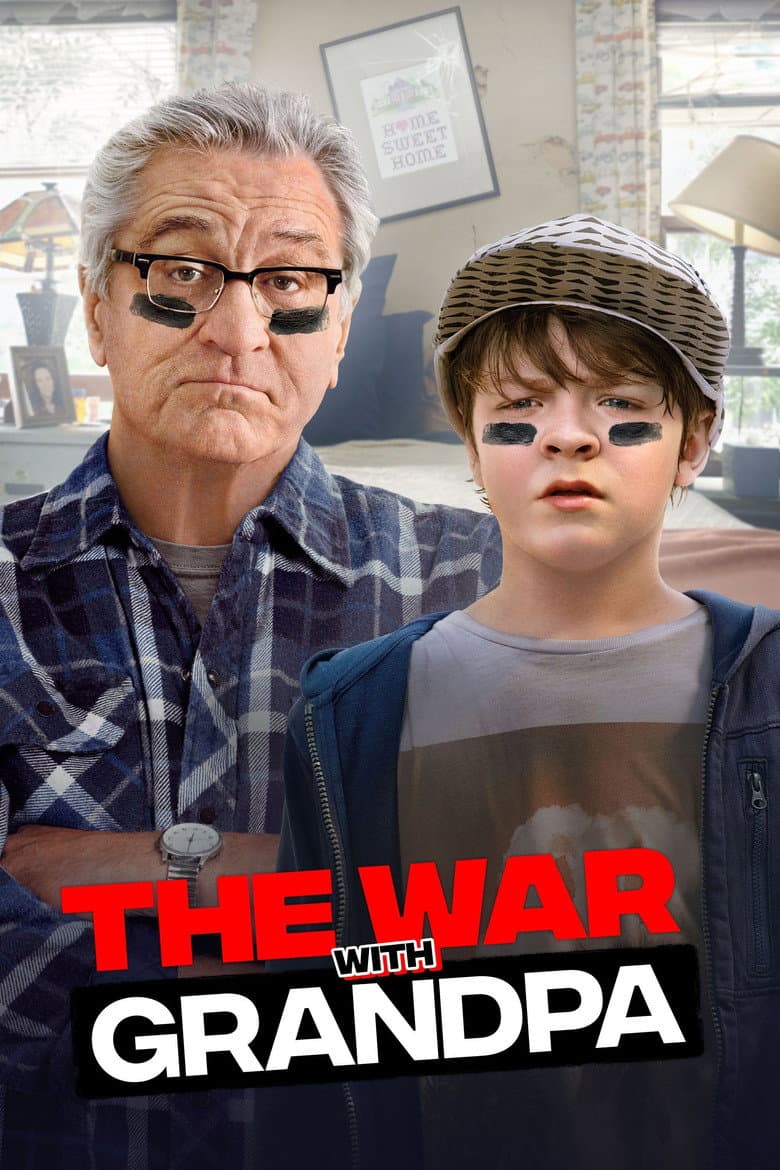
Peter is thrilled that his Grandpa is coming to live with his family. That is, until Grandpa moves into Peter's room, forcing him upstairs into the creepy attic.
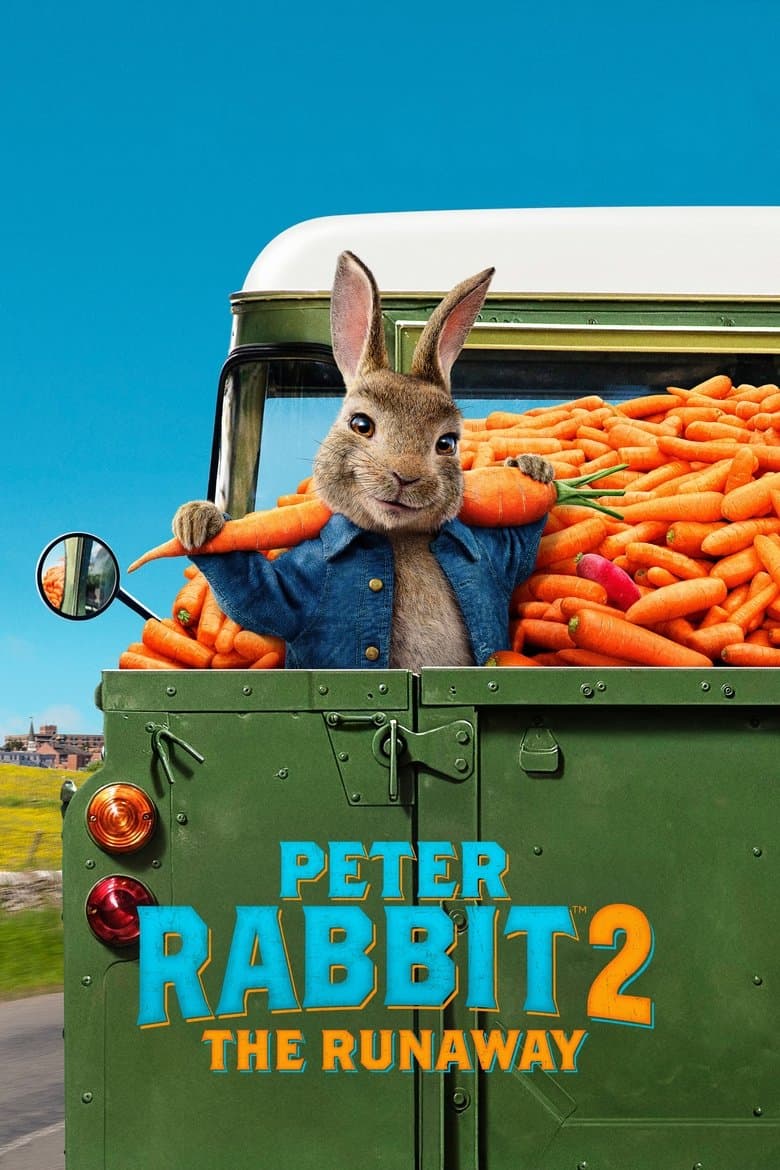
Movie · 2021
Peter Rabbit runs away from his human family when he learns they are going to portray him in a bad light in their book.
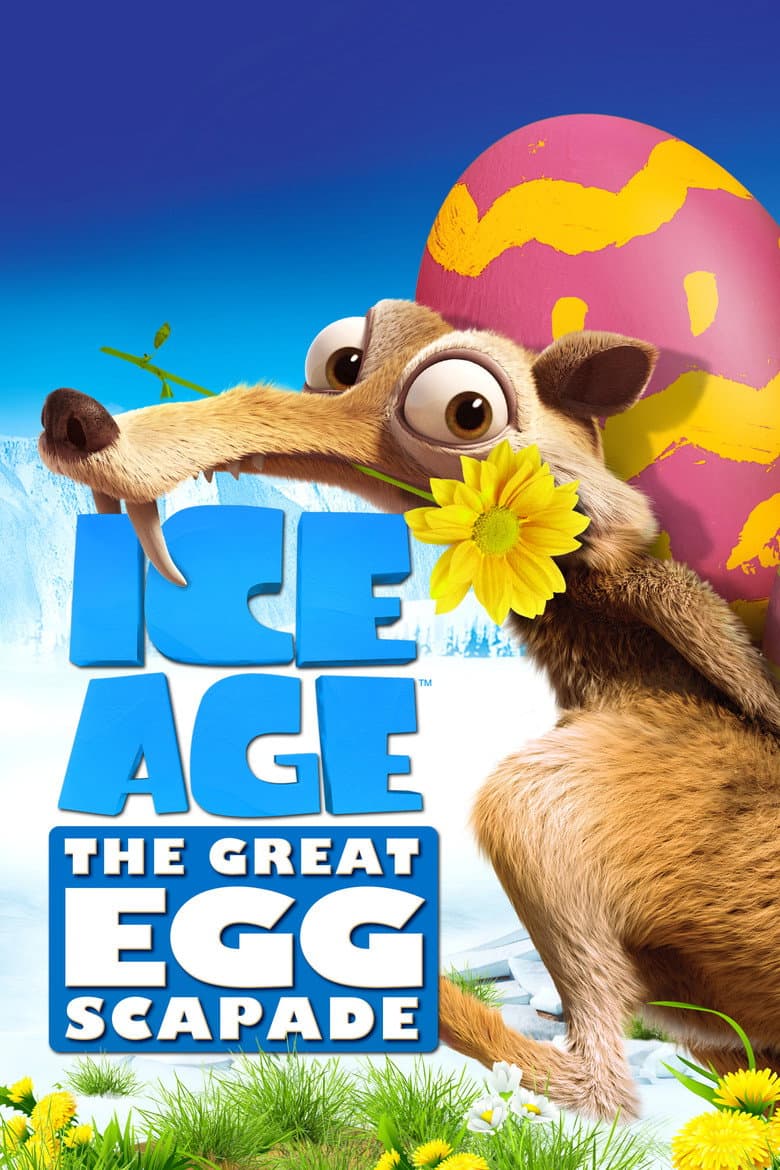
Movie · 2016
A harried prehistoric bird mother entrusts her precious, soon-to-hatch egg to Sid. When she recommends him to her neighbours, business booms at his new egg-sitting service.

Movie · 2017
The film follows a man with an unwanted gift for healing who meets a teenager with cancer who helps him to find himself.
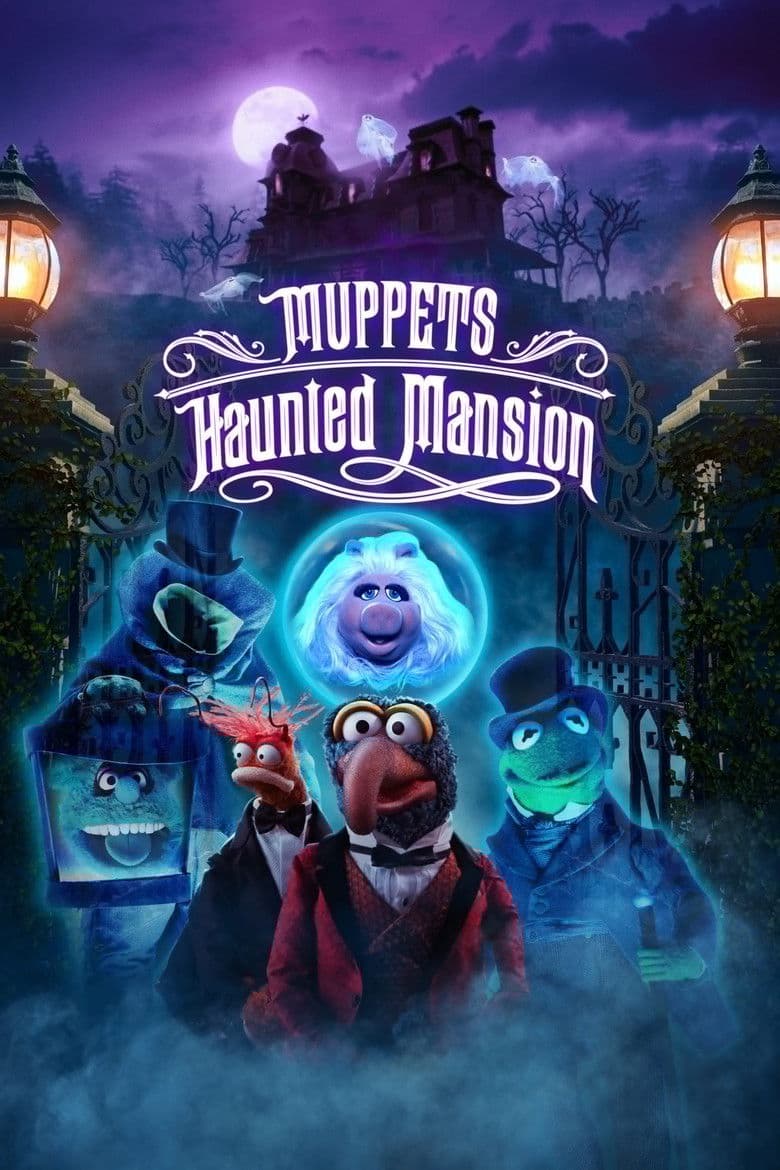
Movie · 2021
On Halloween night, Gonzo and Pepe are challenged to face their fears and stay in the Haunted Mansion until sunrise, encountering many frightening, funny, and perhaps a little…
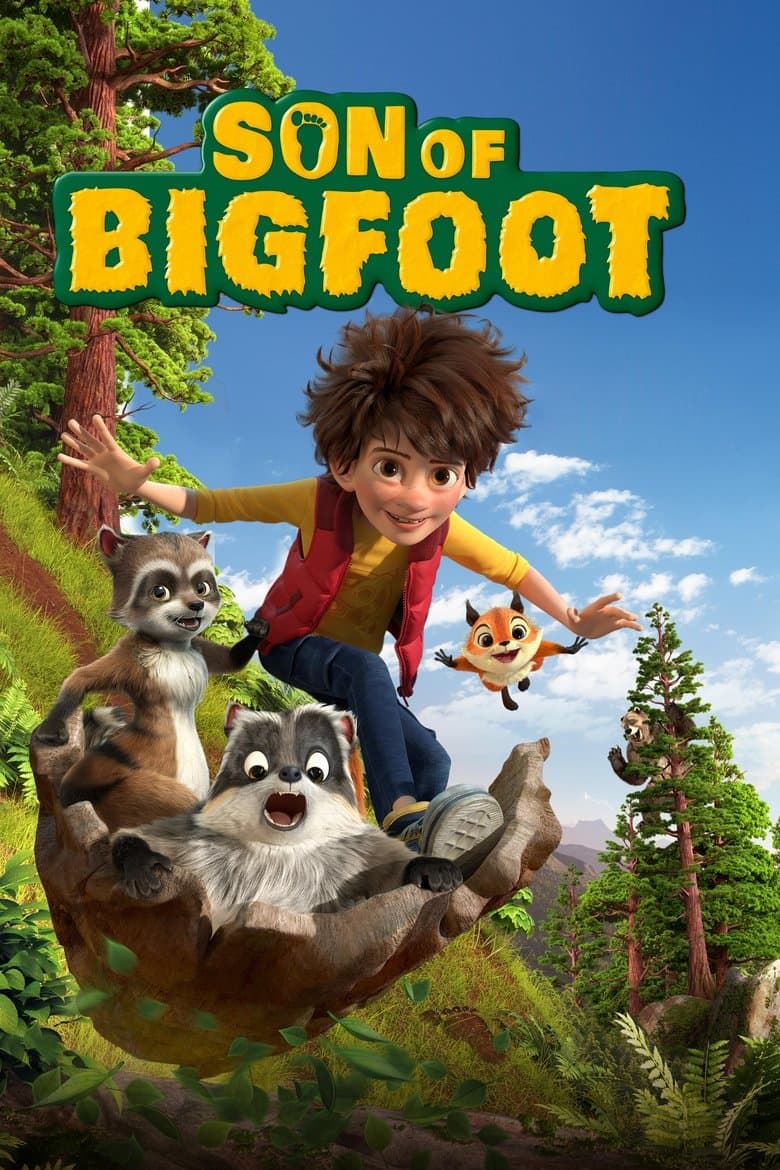
Movie · 2017
Teenage outsider Adam sets out on an epic and daring quest to uncover the mystery behind his long-lost dad, only to find out that he is none other than the legendary Bigfoot!
