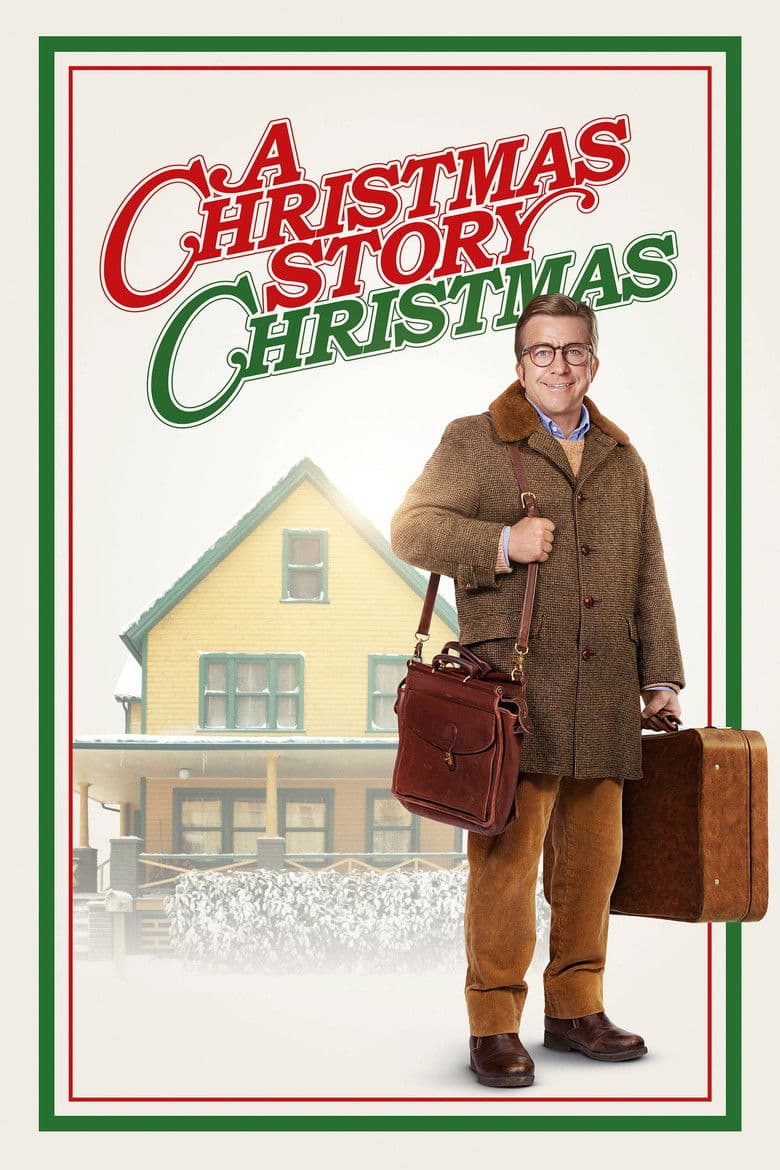
Ralph Parker is all grown up. He lives in Chicago in 1973 with his wife and two kids. He is trying to finish a book and make ends meet. Then his dad, the Old Man, dies. Ralph takes his family back to his old house in Hohman, Indiana, for Christmas. He wants to give his kids a special holiday the way his dad once did for him. The tone is warm, funny, and a little sad.
The movie is about family, grief, and holiday stress. Ralph struggles as a writer and as a dad who wants Christmas to feel magic. He reconnects with old friends, faces money trouble when gifts get stolen, and finds comfort in memories of his father. The story stays on home life, friendship, and growing up. A normal viewer would see a classic-style family Christmas comedy, not modern identity politics or social-justice messaging.
Community feedback
Was our 2% Woke rating accurate?
Breakdown
These are the editorial factors and ratings behind our score for A Christmas Story Christmas.
Woke representation / casting
Main roles match the original and a 1970s Midwest small-town world. Returning cast plus Ralphie’s wife and kids read as story-faithful, not identity-first casting. Common Sense Media flags very little diversity. No audience-visible “quota” pattern or race/gender swap of known leads.
0%
Woke political dialogue
Talk is about Christmas plans, money stress, publishing failure, grief, and old friends. No activist speeches, systemic-oppression lectures, or identity slogans that a normal viewer would notice.
0%
Identity-driven story themes
Core arcs are dad grief, trying to be a good father, and chasing a writing dream. Family and tradition drive the plot. Modern race, gender, or queer identity storylines are not part of the main narrative.
0%
Western institutional / cultural critique
The film treats family Christmas, small-town life, and Midwestern memory with warmth. It does not push modern attacks on men, church, the West, or traditional family as the point of the story.
0%
Woke character or canon changes
Not relevant. Mother is recast because the original actress could not return. Scut Farkus becoming a cop who softens is ordinary character growth, not an identity or DEI rewrite of the old film.
0%
Anti-woke backlash and complaints
No meaningful right-leaning or anti-woke campaign treated this title as DEI, propaganda, or identity-driven. Complaints, when any, were about quality and nostalgia, not politics.
0%
Creator track record context
Lead creative weight sits with Kaytis, Schenk, Billingsley, and Vaughn, all low on woke/activist scores. A few producers and casting names score higher, but they do not redefine this title’s public creative center.
8%
Production
Movie · 2026
George Hardy is a shepherd who reads detective novels to his beloved sheep every night, assuming they can't possibly understand.
Movie · 2022
When the Primm family moves to New York City, their young son Josh struggles to adapt to his new school and new friends.
Movie · 2020
Peter is thrilled that his Grandpa is coming to live with his family. That is, until Grandpa moves into Peter's room, forcing him upstairs into the creepy attic.

Movie · 2017
Teenage outsider Adam sets out on an epic and daring quest to uncover the mystery behind his long-lost dad, only to find out that he is none other than the legendary Bigfoot!
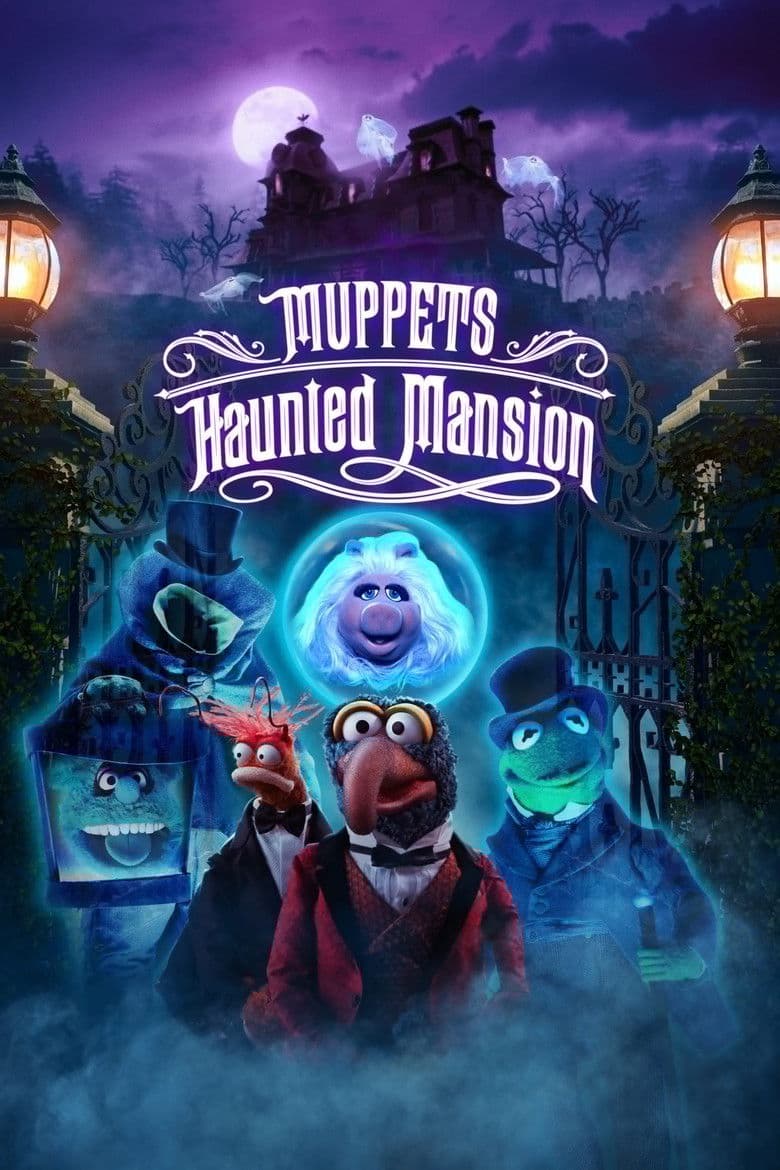
Movie · 2021
On Halloween night, Gonzo and Pepe are challenged to face their fears and stay in the Haunted Mansion until sunrise, encountering many frightening, funny, and perhaps a little…
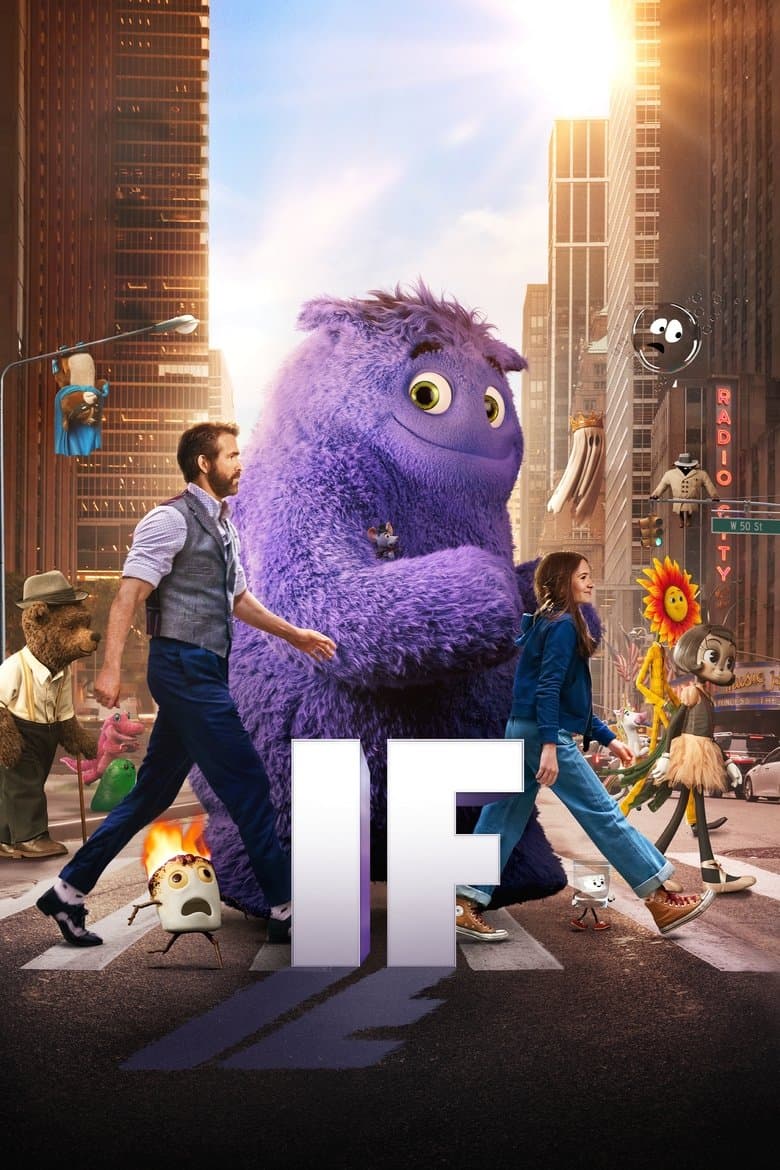
Movie · 2024
After discovering she can see everyone's imaginary friends, a girl embarks on a magical adventure to reconnect forgotten imaginary friends with their kids.

Movie · 2016
A harried prehistoric bird mother entrusts her precious, soon-to-hatch egg to Sid. When she recommends him to her neighbours, business booms at his new egg-sitting service.
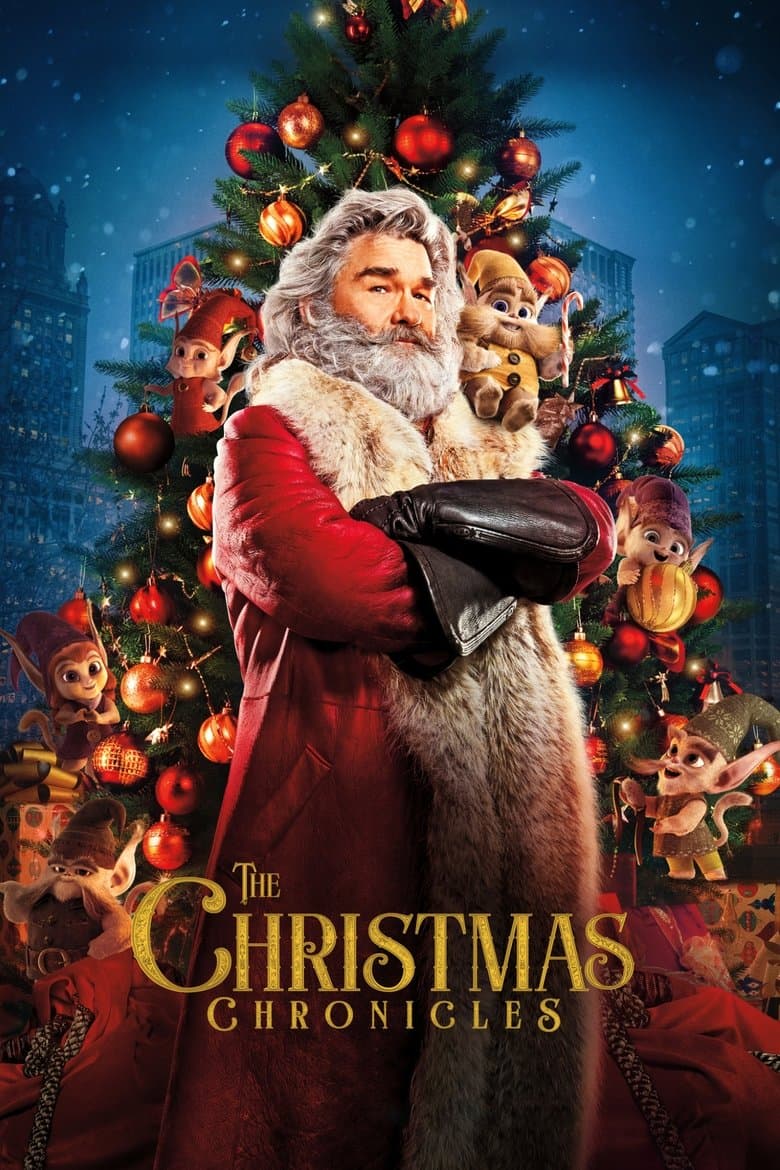
Movie · 2018
Siblings Kate and Teddy try to prove Santa Claus is real, but when they accidentally cause his sleigh to crash, they have to save Christmas.
