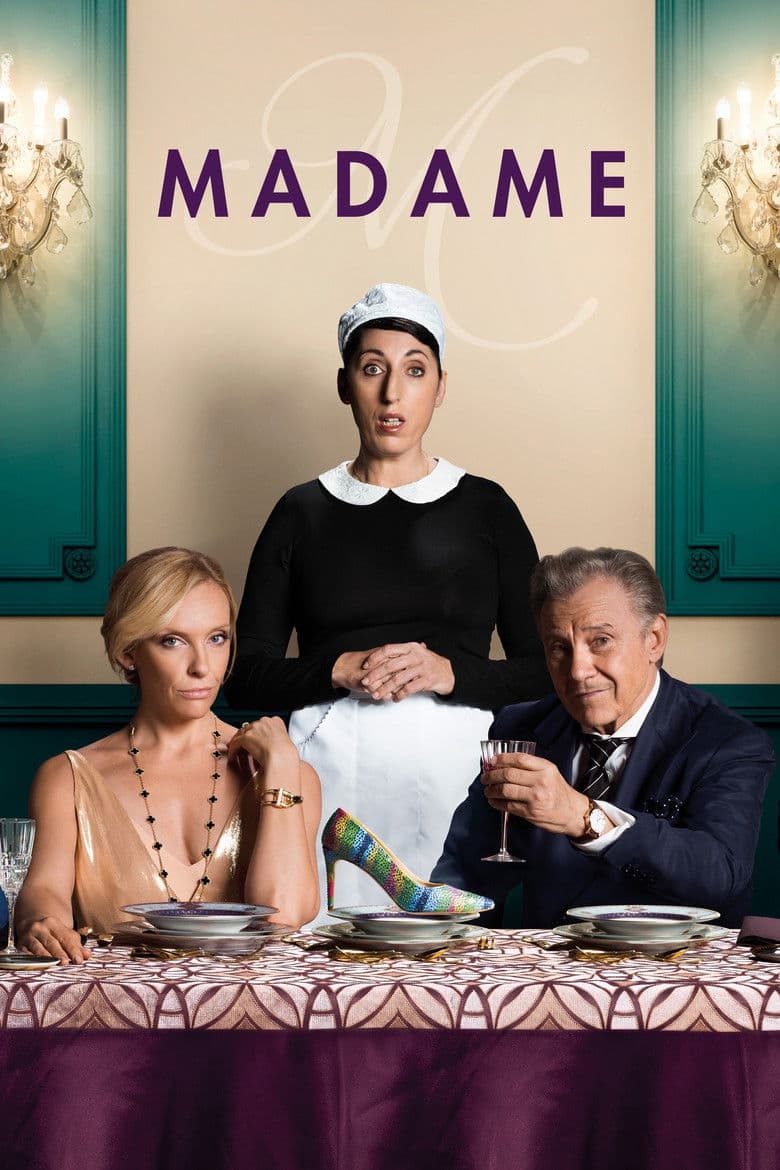
Maria is a Spanish maid working for Anne and Bob, a rich American couple living in Paris. Anne plans a grand dinner to impress powerful friends, but Bob’s son arrives and makes thirteen guests. Anne orders Maria to dress as a Spanish noblewoman so the number will not bring bad luck. Maria charms David, a wealthy art dealer, and their romance exposes the lies, cheating, and cold manners inside the house. The film shifts between sharp comedy, romance, and sad social drama.
Maria’s job and immigrant status make the class divide the film’s main concern. The story shows rich employers deciding who may sit at their table and whether a maid deserves love from a wealthy man. Anne’s jealousy grows because Maria finds real warmth while Anne is trapped by money, beauty rules, and social rank. Maria slowly gains pride and chooses her own path, while the film says a woman should not need a man’s approval to have value. A gay English couple appears at the dinner, but queer life is a side detail rather than the main story.
Community feedback
Was our 51% Woke rating accurate?
Breakdown
These are the editorial factors and ratings behind our score for Madame.
Woke representation / casting
The film puts two mature women at the center, with Toni Collette and Rossy de Palma carrying the main conflict. Sthers wrote Maria for de Palma and said films with two older women in lead roles are underrepresented. The dinner also includes an openly gay English couple and guests from several countries. The casting has a clear women-focused and diversity-aware frame, but it is not an extreme or mismatched casting pattern.
37%
Woke political dialogue
Anne calls herself a lifelong Democrat during a dispute about the dinner. Anne says she has spent her life fighting, including against men. Maria says she is a Spanish immigrant who had no options. These lines give the class and women’s issues a short modern political edge, but the film does not build the plot around speeches.
24%
Identity-driven story themes
Maria’s Spanish immigrant status and work as a maid drive the romance and the conflict. The film presents rich employers as people who can decide who belongs at the table. Anne uses her job power to control Maria’s love life. Maria gains pride and chooses her own path after Anne tries to shame her. The story says a woman should not need a man’s approval to have value.
54%
Western institutional / cultural critique
The film treats the rich social world as a system built on money, status, and lies. Anne uses her power as an employer to keep Maria in her place. The story mocks beauty rules, class snobbery, and the empty manners of wealthy guests. The criticism is repeated across the film, but it targets class and personal cruelty more than Western institutions as a whole.
48%
Woke character or canon changes
Not relevant. The film is an original story with Cinderella and Pygmalion echoes. It does not change an established character, canon, or historical figure.
0%
Anti-woke backlash and complaints
Not present. The separate X pass found no anti-woke reaction, and broader coverage showed no reliable complaints about woke or DEI messaging.
0%
Creator track record context
Cached context gives Amanda Sthers 31/100, Matthew Robbins 12/100, Didier Lupfer 10/100, Cyril Colbeau-Justin 0/100, Matthew Gledhill 6/100, and Michaël Laguens 0/100. Sthers has discussed women’s representation and new chances for filmmakers. Robbins has mild themes about resisting abusive power but no clear activist public image. The other listed crew have little or no recorded identity-driven context.
18%
Production
Movie · 2019
Following a group of friends from university as they progress into middle-age life and go their own separate ways.

Movie · 2016
Pop superstar Jordan Jaye has a big dream he just wants to live like a regular teenager. When he's chased down by some excited female fans, he finds a perfect hideout and a…

Movie · 2016
Set against the backdrop of a beautiful garden in the heart of London, this contemporary fairy tale revolves around the unlikely friendship between a reclusive young woman and a…
Movie · 2022
After Jodi Kreyman gains popularity, her miscommunications start causing rifts with those around her and now she really needs to "stand tall".
Movie · 2018
Dan, a 21-year-old carefree boy is always surrounded by a bunch of friends and fellow hotel interns who feed off each other's everyday moments, their ups and downs.

Movie · 2016
Anne is at a crossroads in her life. Long married to a successful, driven but inattentive movie producer, she unexpectedly finds herself taking a car trip from Cannes to Paris…
Movie · 2026
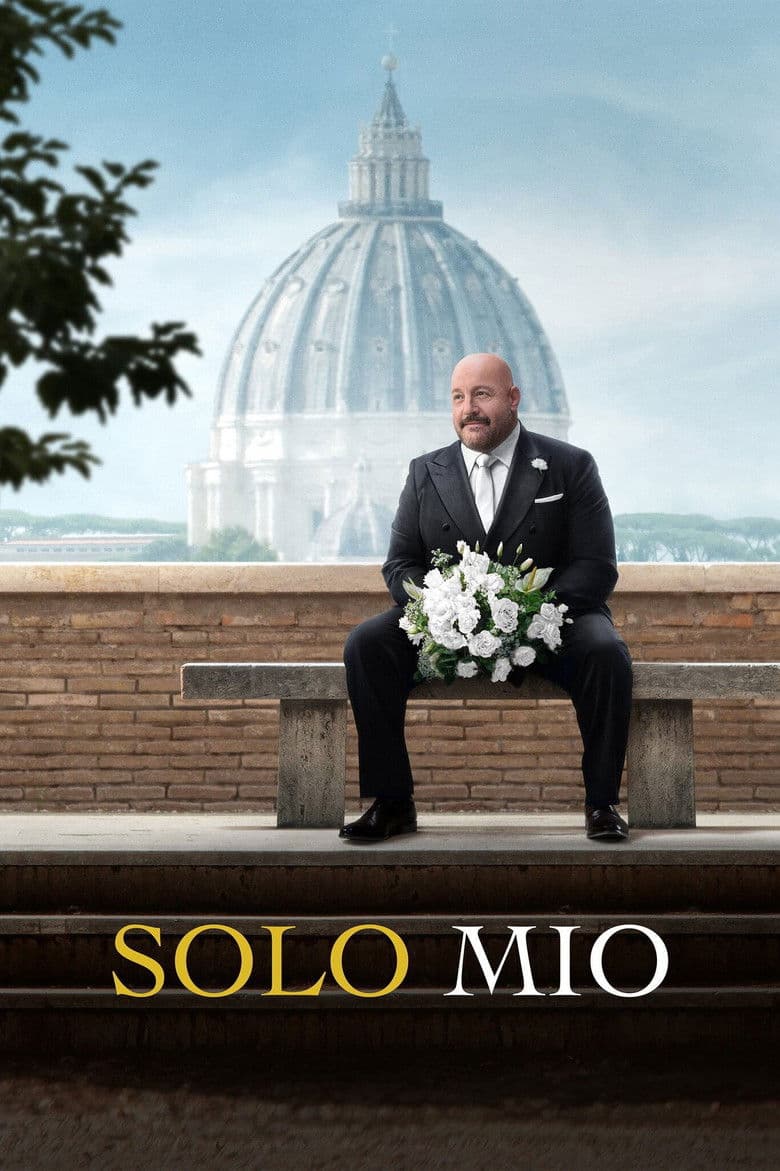
After Matt's dreams of a picturesque Italian wedding are shattered when his fiancée leaves him at the altar, he embarks on his planned honeymoon across Italy alone, immersing…
Movie · 2019
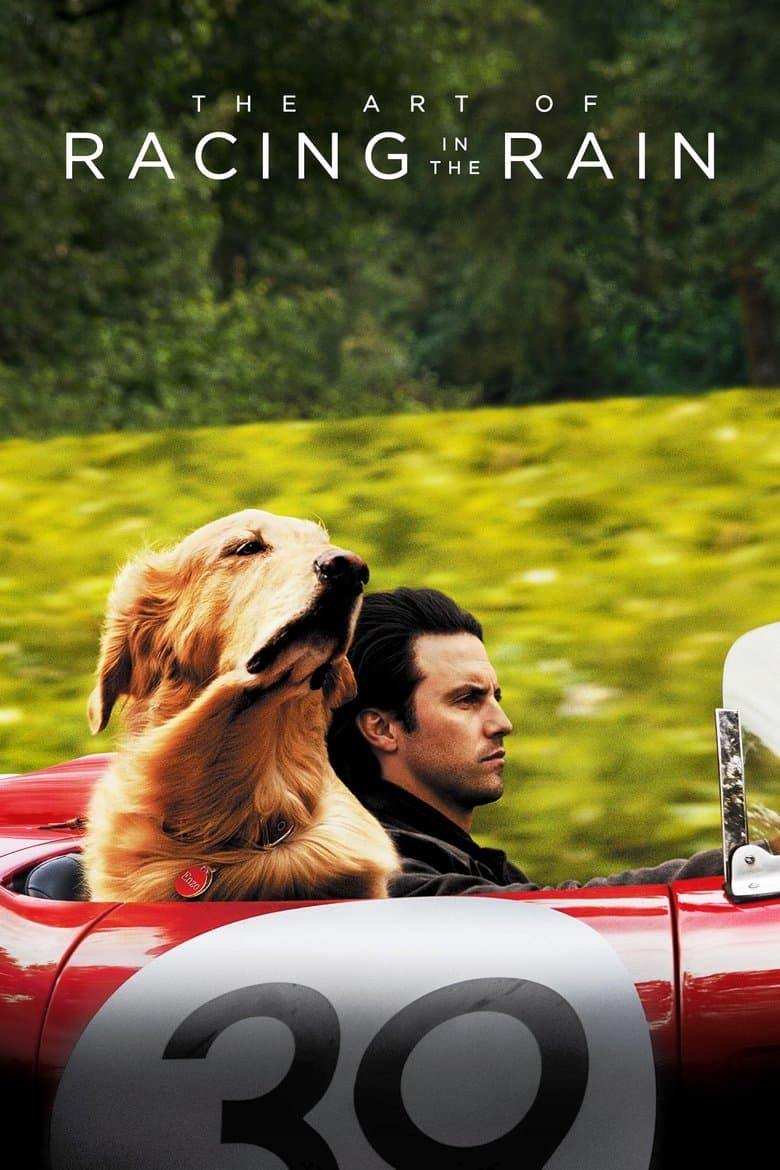
A family dog – with a near-human soul and a philosopher's mind – evaluates his life through the lessons learned by his human owner, a race-car driver.
