
Julie Hutton is a third-grade teacher from Minnesota who loves Romeo and Juliet and dreams of visiting Verona. Her boyfriend Brandon ends their relationship just before their planned trip, but Julie goes to Italy alone. The villa is double-booked, so she must share it with Charlie Fletcher, a British wine importer who dislikes romance and does not want a roommate. Their fight over the house turns into a playful romance as they tour Verona, meet old partners, and face a final choice about love.
The film presents Julie as a black woman who leads the story and builds a romance with a white British man. Julie keeps her job as a teacher, and the film treats her as smart, organized, and able to travel alone. Her gay friend Rob gives her advice in a few short scenes. The larger story follows two people who leave bad relationships, question their old ideas about love, and learn to accept surprise.
Community feedback
Was our 31% Woke rating accurate?
Breakdown
These are the editorial factors and ratings behind our score for Love in the Villa.
Woke representation / casting
Julie is a black American woman in the main role, and she dates a white British man. The film also includes a gay male friend and a varied international supporting cast. The modern Verona setting allows this mix, but the central pairing is still a visible diversity choice. Kat Graham’s interview frames the film as a way to show black women traveling, falling in love, and living full lives.
45%
Woke political dialogue
Not present. The dialogue centers on breakups, romance, destiny, work, and travel. No modern identity, DEI, or activist speech drives the story.
0%
Identity-driven story themes
The film gives Julie a black female lead who travels alone and chooses her own path. The film includes a supportive gay friend, but he has a small role. The romance crosses race and nationality, yet the main conflict comes from personality, old partners, and the double booking. The identity material is visible but not central to the plot.
24%
Western institutional / cultural critique
Not present. The film does not attack Christianity, family life, capitalism, traditional values, or Western institutions. Its arguments concern personal habits and romantic choices.
0%
Woke character or canon changes
Not relevant. The film is an original romantic comedy, not a retelling with changed established characters. Romeo and Juliet is used as a setting and romance reference, but its characters are not rewritten.
0%
Anti-woke backlash and complaints
Not present. The supplied X pass and broader searches found no specific anti-woke complaints. Negative reviews focused on formula, chemistry, stereotypes, and runtime.
0%
Creator track record context
Mark Steven Johnson’s cached score is 7 and his work has no clear political activism. Stephanie Slack’s cached score is 10 and one producer credit is an LGBTQ holiday romance. Dave Jordan’s cached score is 16 and Black Panther is a limited representation signal. Margret H. Huddleston and Teresa Razzauti have cached scores of 5 and 13, with no clear activist record. The overall creator context is low.
10%
Production

Movie · 2020
Longtime friends and local radio hosts Maggie and Jack fake it as a couple for their families and listeners in hopes of getting their show syndicated.

Movie · 2020
In 1800s England, a well-meaning but selfish young woman meddles in the love lives of her friends.

Movie · 2017
Fourteen years after the events of the original film, a series of encounters between people in Britain reminds us that in these different times Love, actually exists.
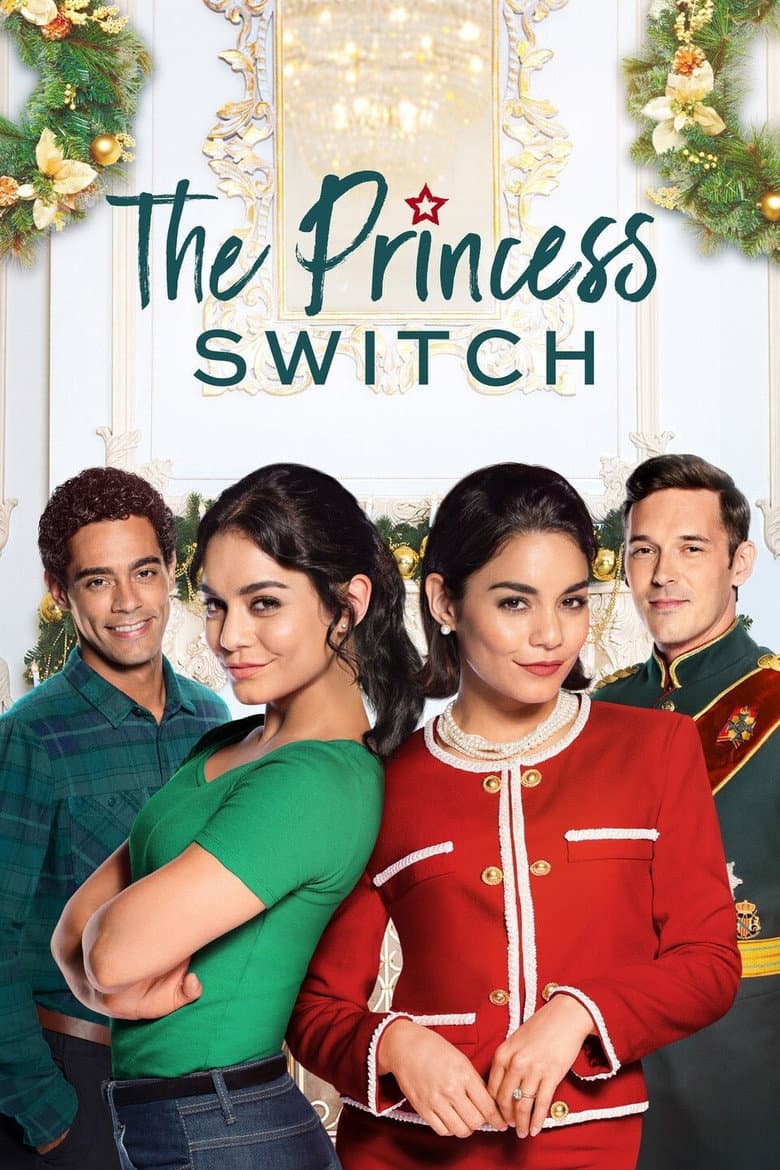
Movie · 2018
When a down-to-earth Chicago baker and a soon-to-be princess discover they look like twins, they hatch a Christmastime plan to trade places.
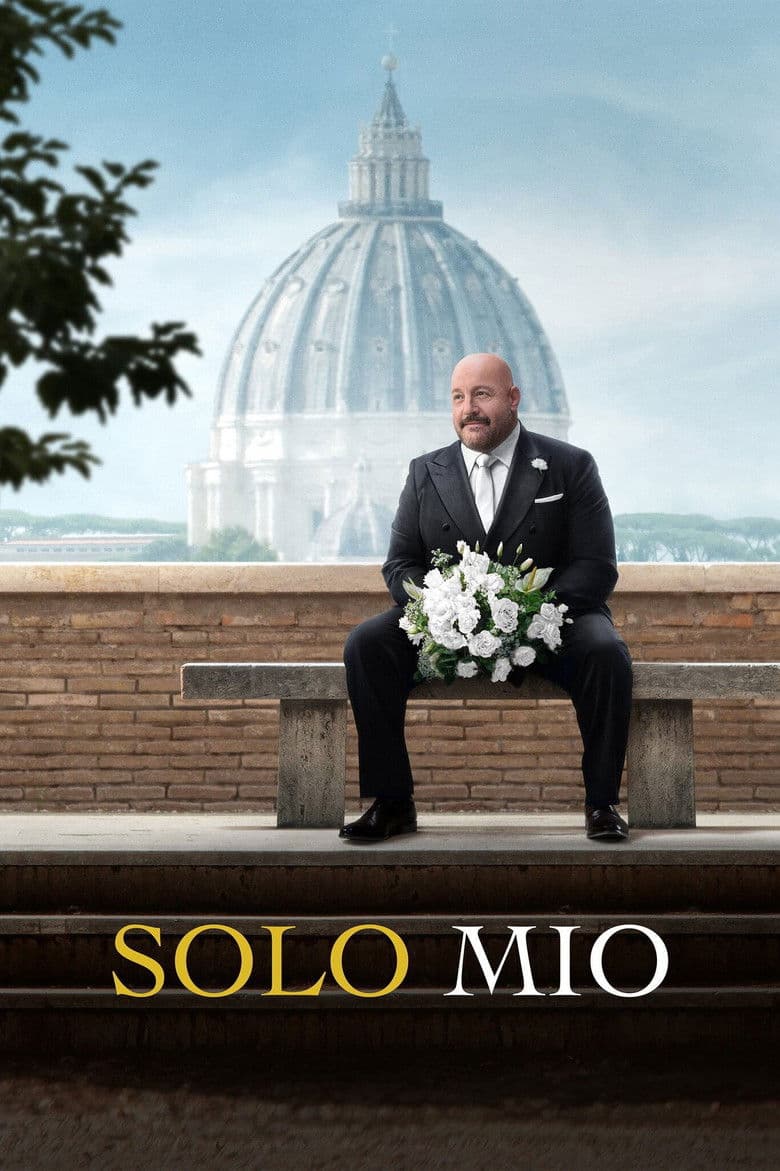
Movie · 2026
After Matt's dreams of a picturesque Italian wedding are shattered when his fiancée leaves him at the altar, he embarks on his planned honeymoon across Italy alone, immersing…

Movie · 2017
To inherit her father's company, socialite Ellen must first visit his small hometown, where she learns the value of hard work and helping others.

Movie · 2020
When an all-powerful Superintelligence chooses to study the most average person on Earth, Carol Peters, the fate of the world hangs in the balance. As the A.I.

Movie · 2019
Kat is an aspiring singer-songwriter who dreams of making it big. However, her dreams are stalled by her reality: a conniving and cruel stepfamily and a demoralizing job working…
